Hips and Elbows in a Sixty Pound Labradoodle
It’s heartbreaking to watch your beloved Labradoodle struggle with basic movements, especially when they’re still in their prime. Many owners worry about the orthopedic health of their sixty-pound companions, facing the potential challenges of hip and elbow issues that can significantly impact their dog's quality of life. This comprehensive guide will walk you through everything you need to know about hip and elbow dysplasia in Labradoodles, from understanding the genetic predispositions to exploring diagnosis, treatment options, and crucial preventive care.
Understanding Labradoodle Hip Dysplasia
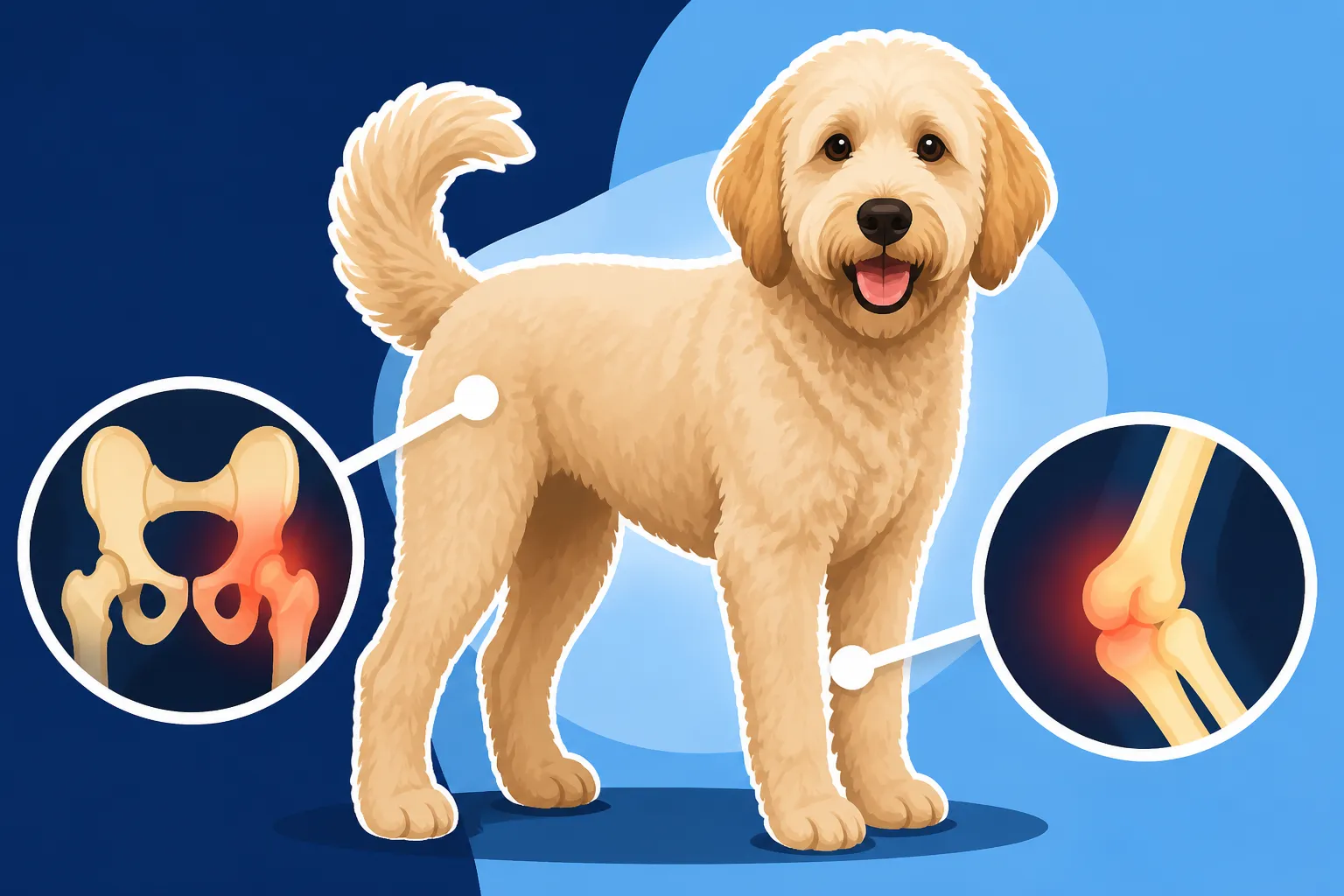
Hip dysplasia is a frustratingly common condition in many dog breeds, and our wonderful Labradoodles, especially those leaning towards the larger, sixty-pound size, are certainly not immune. It’s essentially a malformation of the hip joint where the ball and socket don’t fit or develop properly. This can lead to a loose joint, pain, and eventually degenerative joint disease or osteoarthritis. It’s a progressive condition, meaning it often gets worse over time if not managed. For Labradoodle owners, understanding this condition is key to giving our furry friends the best chance at a long, comfortable life.
The Genetic Component from Both Parents
One of the reasons hip dysplasia is such a concern for Labradoodles is that both of their parent breeds – the Labrador Retriever and the Standard Poodle – are known to carry the genes for this condition. It's not a simple case of a single faulty gene; rather, it’s a polygenic trait, meaning multiple genes, combined with environmental factors, influence whether a dog develops it. This makes predicting it tricky, even if a breeder diligently screens their dogs. You might have a puppy from two parents with "Excellent" hip scores, only to find your own dog developing issues later in life. It’s a stark reminder that while screening significantly reduces risk, it doesn't offer a 100% guarantee. However, choosing a breeder who prioritizes these health screenings is still your absolute best first step in stacked the deck in your puppy's favor.
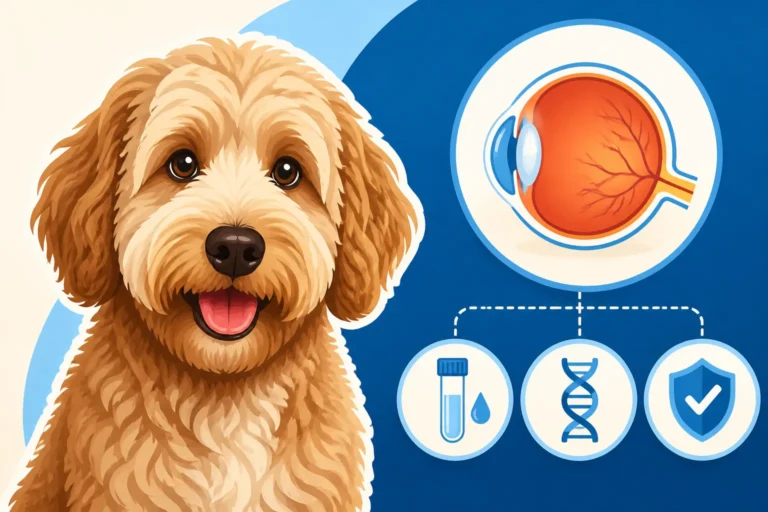
When breeders talk about hip health, they’re looking at more than just the immediate parents. They’re considering the lines, the grandparents, and even great-grandparents, trying to select dogs that consistently produce healthy offspring. A responsible breeder will be transparent about the hip scores of their breeding dogs, usually through certifications from organizations like the Orthopedic Foundation for Animals (OFA) or the PennHIP program. These certifications provide a standardized way to assess hip health, giving potential owners a clearer picture of the genetic risk involved.
It's tempting to think that "hybrid vigor" from a mixed breed like the Labradoodle might make them automatically healthier, but when it comes to polygenic conditions like hip and elbow dysplasia, this isn't always the case. If both parent breeds carry a predisposition, the offspring are still very much at risk. The genetic lottery plays a big part, but conscientious breeding practices are designed to minimize those risks as much as possible, though never eliminating them entirely.
How Hip Dysplasia Manifests in a Labradoodle
The physical changes in a dysplastic hip joint involve either a laxity (looseness) in the joint or an abnormal development of the femoral head (the "ball") or the acetabulum (the "socket"). Over time, this poor fit causes friction and wear, leading to inflammation, pain, and eventually the breakdown of cartilage. In a sixty-pound Labradoodle, this can be particularly debilitating because their weight puts more stress on already compromised joints. Imagine trying to walk with a shoulder that keeps slipping out of place – that’s a bit like what a dog with hip dysplasia experiences with every step.
Symptoms can vary greatly in severity and onset. Some Labradoodles might show signs as early as four to six months old, exhibiting a "bunny hopping" gait (where both hind legs move together) or a reluctance to run and play. Others might not display obvious symptoms until they are adults, perhaps after an injury or simply as the degenerative process advances. You might notice your dog struggling to get up from a lying position, limping after exercise, or showing signs of pain when you touch their hips. In some cases, the pain can lead to muscle atrophy in the hindquarters as the dog tries to shift weight away from the affected side.
Observing your Labradoodle’s activity levels and gait is crucial. Are they enthusiastic about walks like they used to be, or are they lagging behind? Do they hesitate before jumping into the car or climbing stairs? Even subtle changes in behavior can be indicators of underlying discomfort. While a Labradoodle’s playful nature can sometimes mask early signs of pain, a keen eye will often catch these nuances. Early detection, even if just through subtle behavioral changes, can make a significant difference in managing the progression of the disease and improving your dog's long-term comfort.
Diagnosing Hip Dysplasia in Your Labradoodle
If you're noticing any of the subtle shifts in your Labradoodle's movement or enthusiasm, your veterinarian is your first and most important partner in figuring out what's going on. Diagnosing hip dysplasia isn't just about confirming the condition; it's about understanding its severity and ruling out other potential causes of lameness or discomfort. The diagnostic process usually involves a thorough physical examination followed by imaging techniques that give your vet a clear picture of what's happening inside those joints. Don't hesitate to bring up your concerns; it's always better to be proactive when it comes to your dog's health.
Early Warning Signs to Look For
Spotting hip dysplasia in its early stages can be challenging, especially in a breed as stoic and good-natured as a Labradoodle. They often try to hide their pain, so you need to be a detective! For a sixty-pound Labradoodle, look for stiffness, especially after they've been resting or sleeping. Do they seem to struggle to get up, perhaps taking a few awkward steps before loosening up? Another common sign is a reluctance to engage in activities they once loved, such as jumping, climbing stairs, or going for long runs. They might start favoring one leg, or you might notice a subtle limp, particularly after vigorous exercise. Some dogs develop a "bunny hop" gait, where they use both back legs simultaneously to propel themselves forward, trying to minimize the individual stress on each hip.
You might also observe subtle behavioral changes. Perhaps your typically affectionate Labradoodle flinches when you touch their hindquarters, or they seem less enthusiastic about playtime. Their muscle mass in the hind legs might even start to decrease as they unconsciously shift weight away from the painful hips, leading to muscle atrophy. Keeping a small journal of these observations can be incredibly helpful for your vet, providing a timeline of symptoms. Remember, a larger dog like a sixty-pound Labradoodle has more weight bearing down on their joints, so these signs, though subtle, can indicate significant discomfort. Even if it feels like you're "overreacting," trust your gut feeling as an owner.
The Role of X-rays and Orthopedic Evaluations
When you bring your concerns to the vet, they will start with a comprehensive orthopedic examination. This involves observing your Labradoodle’s gait, manipulating their legs and hips to check for pain, range of motion, and joint laxity. They might perform specific tests, like the Ortolani sign, to check for hip laxity, though this usually requires sedation for accuracy and to prevent discomfort. For a definitive diagnosis, X-rays are essential. These images allow the veterinarian to visualize the hip joint structure, including the femoral heads and acetabula, and assess the degree of malformation and any secondary arthritic changes.
For breeding animals, or for a very precise diagnosis, two widely recognized screening programs are often utilized: the Orthopedic Foundation for Animals (OFA) and PennHIP. OFA involves taking specific X-ray views, typically when the dog is two years or older, and these images are then evaluated by a panel of three independent radiologists who assign a grade (Excellent, Good, Fair, Borderline, Mild, Moderate, or Severe). PennHIP, on the other hand, can be done as early as sixteen weeks of age and measures the actual laxity or looseness of the hip joint, providing a Distraction Index (DI) score. Many owners wonder Whether PennHIP or OFA Suits a Labradoodle Better. Both provide valuable information, but PennHIP can often give earlier insights into potential risk.
Regardless of the method, it's critical that your Labradoodle is properly sedated for these X-rays. This ensures muscle relaxation, allowing for the correct positioning and accurate imaging without causing your dog undue stress or pain. Anesthesia or heavy sedation is key to getting diagnostic-quality images that truly reflect the state of the joint. Once the X-rays are taken and evaluated, your vet can discuss the findings with you, explain the severity of the dysplasia, and outline potential treatment plans tailored to your sixty-pound Labradoodle's specific needs and lifestyle.
Managing Hip Dysplasia: Conservative Approaches
Once a diagnosis of hip dysplasia is made, especially in a sixty-pound Labradoodle, the initial thought can be overwhelming. However, it's important to remember that not all cases require immediate surgery. Many dogs, particularly those with mild to moderate dysplasia, can lead comfortable, active lives with a well-managed conservative treatment plan. This approach focuses on alleviating pain, reducing inflammation, supporting joint health, and preventing further progression of the disease. It’s about creating a lifestyle that supports their joints without resorting to invasive procedures unless absolutely necessary.
Weight Management and Exercise Adjustments
Perhaps the single most impactful conservative measure you can take for a Labradoodle with hip dysplasia is meticulous weight management. Every extra pound your sixty-pound dog carries puts exponentially more stress on their already compromised hip joints. Think of it like carrying a heavy backpack all day – it eventually takes a toll. Keeping your Labradoodle at their ideal body weight, or even slightly lean, significantly reduces the load on their hips, diminishing pain and slowing the progression of arthritis. This often means careful portion control, choosing appropriate low-calorie treats, and consistent monitoring of their body condition score. You might even want to consult with your vet or a veterinary nutritionist to develop a tailored diet plan. For more insights, you can explore information about The Weight a Labradoodle Should Hold.
Alongside weight control, intelligent exercise adjustments are paramount. While it might seem counterintuitive, an inactive dog will actually lose muscle mass, which further destabilizes the joints. The goal is consistent, low-impact exercise that builds and maintains muscle strength around the hips without jarring or stressing the joints. Activities like swimming are fantastic, as the buoyancy of the water supports their weight while they strengthen their muscles. Controlled leash walks on soft surfaces are also excellent, avoiding uneven terrain, steep hills, and sudden stops or starts. Avoid high-impact activities such as aggressive fetch, jumping, or long-distance running, especially on hard surfaces. These types of movements can cause microtrauma and exacerbate inflammation. Short, frequent walks are generally better than one long, strenuous outing.
It's a delicate balance to strike between adequate exercise and protecting delicate joints. The key is to listen to your Labradoodle. If they seem stiff or sore after an activity, dial it back. If they are enthusiastic and pain-free, you've found their sweet spot. Consistency is also vital; sudden bursts of activity after days of inactivity can be detrimental. A structured, predictable exercise routine helps build strength and flexibility gradually, supporting their overall joint health and comfort.
Supplements, Medications, and Physical Therapy
Beyond diet and exercise, a multi-modal approach often includes a combination of supplements, medications, and physical therapies. Joint supplements containing ingredients like glucosamine, chondroitin, and MSM are very popular. These compounds are believed to help maintain cartilage health, reduce inflammation, and support joint lubrication. Omega-3 fatty acids, often found in fish oil, are also excellent for their anti-inflammatory properties. While supplements aren't a cure, many owners find they provide noticeable relief and support when used consistently. You might also be interested in learning Whether Glucosamine Helps a Labradoodle's Joints.
When pain becomes a significant factor, your veterinarian might prescribe Non-Steroidal Anti-Inflammatory Drugs (NSAIDs), such as carprofen, meloxicam, or deracoxib. These medications are highly effective at reducing pain and inflammation, vastly improving your Labradoodle’s comfort and mobility. However, they need to be used under strict veterinary guidance due to potential side effects, especially with long-term use. Other pain management options might include gabapentin for neuropathic pain, or even newer injectables like Librela (bedinvetmab), a monoclonal antibody therapy specifically designed to target nerve growth factor, a key mediator of pain in dogs with osteoarthritis. These advancements offer exciting new possibilities for managing chronic pain. Insurance providers like Healthy Paws often cover prescribed medications, which can be a huge relief for managing long-term conditions.
Physical therapy and rehabilitation can also play a transformative role. A certified canine rehabilitation therapist can develop a customized program for your Labradoodle, incorporating techniques like hydrotherapy (underwater treadmill or swimming), therapeutic exercises to build specific muscle groups, massage, stretching, and even modalities like laser therapy or acupuncture. These therapies can improve range of motion, reduce pain, increase muscle strength, and enhance overall quality of life. For a sixty-pound Labradoodle, these specialized treatments can make a significant difference in their mobility and comfort, allowing them to remain active and engaged for as long as possible.
Surgical Options for Severe Hip Dysplasia
While conservative management can be highly effective for many Labradoodles with hip dysplasia, there are cases where the pain and loss of function become too severe. When quality of life is significantly impacted, or if the dysplasia is advanced from a young age, surgical intervention often becomes the best, or even only, option. It's a big decision, and one you'll make in close consultation with your veterinarian and potentially a veterinary orthopedic specialist. For a sixty-pound Labradoodle, the choice of surgery will depend on several factors, including their age, the severity of the dysplasia, their activity level, and your financial considerations.
Femoral Head Ostectomy FHO
A Femoral Head Ostectomy (FHO) is a salvage procedure that involves surgically removing the femoral head and neck – the "ball" portion of the hip joint. Instead of a ball-and-socket, a "false joint" is created where scar tissue forms in the space, acting as a cushion. The muscles surrounding the hip then support the joint. This surgery is often recommended for dogs that are either smaller, less active, or for whom other, more expensive or complex surgeries are not feasible. While a sixty-pound Labradoodle is on the larger side, an FHO can still be a viable option, particularly if the alternative of a total hip replacement is cost-prohibitive. For more details on this, you might look into Whether an FHO Suits a Miniature Labradoodle and how the principles extend to larger dogs.
The recovery from an FHO involves significant physical rehabilitation to encourage muscle development and restore function. Initially, dogs will be sore, but with consistent controlled exercise and physical therapy, most dogs adapt well and experience significant pain relief. The goal isn't to restore perfect hip function, but rather to eliminate the painful bone-on-bone grinding. Many dogs return to a good level of activity, although some might have a subtle limp. It’s a good option for owners looking to restore a pain-free life without the high costs and complexity of a total joint replacement.
It’s important to have realistic expectations for an FHO. While it can dramatically improve comfort, it doesn't create a perfectly functioning joint like a healthy hip or a total hip replacement would. The success largely depends on the patient's size, activity level, and the owner's commitment to post-operative physical therapy. For a medium to large dog like a sixty-pound Labradoodle, rigorous rehab is crucial to build enough muscle mass to stabilize the hip and allow for good mobility.
Triple Pelvic Osteotomy TPO and Total Hip Replacement THR
For younger Labradoodles with hip dysplasia who haven't yet developed significant arthritis, a Triple Pelvic Osteotomy (TPO) might be considered. This complex procedure involves cutting the pelvis in three places and rotating the bone segments to create better coverage for the femoral head within the acetabulum, thus improving the hip's stability. TPO is typically performed on dogs under one year of age with good hip cartilage and no existing arthritis, as its purpose is to prevent future degeneration by correcting the anatomical defect. The recovery is long, requiring strict confinement and controlled exercise for several months.
However, the "gold standard" surgical treatment for severe, painful hip dysplasia in larger dogs, including a sixty-pound Labradoodle, is a Total Hip Replacement (THR). This procedure is exactly what it sounds like: the damaged femoral head and acetabulum are removed and replaced with prosthetic implants – a metal ball and stem that fits into the femur, and a plastic or metal cup that lines the pelvis. THR offers the best chance of restoring near-normal hip function and completely eliminating pain. The success rate is very high, and most dogs go on to live active, pain-free lives. For owners, it's often a tremendous relief to see their dog comfortable and mobile again.
The main downsides to THR are the significant cost and the intensity of the recovery period. It's a major surgery performed by specialized orthopedic surgeons. Post-operative care involves strict rest, controlled activity, and a dedicated rehabilitation program for several weeks to months. However, the long-term benefits of a pain-free, mobile life are often well worth the investment for many families. If you're considering this, understanding What Total Hip Replacement Runs on a Labradoodle is crucial, as costs can be substantial, though pet insurance like Healthy Paws often provides some coverage for such extensive procedures.
Elbow Dysplasia in Labradoodles
Just like hip dysplasia, elbow dysplasia (ED) is another common and often debilitating orthopedic condition that can affect our beloved Labradoodles. It's not a single disease but rather a collective term for several developmental abnormalities that occur in the elbow joint. The elbow is a complex joint, formed by three bones: the humerus (upper arm bone), the radius, and the ulna (forearm bones). When these bones don't grow or fit together perfectly, it can lead to chronic pain, lameness, and ultimately, severe osteoarthritis.
The Complex Nature of Elbow Dysplasia
Elbow dysplasia encompasses four main conditions, which often occur individually or in combination:
- Fragmented Medial Coronoid Process (FCP): A small piece of bone or cartilage breaks off the ulna.
- Ununited Anconeal Process (UAP): A growth plate in the ulna fails to fuse properly with the rest of the bone.
- Osteochondritis Dissecans (OCD): A flap of cartilage separates from the bone surface, causing inflammation.
- Elbow Incongruity: The three bones forming the elbow joint don't align perfectly, causing abnormal contact and wear.
Any of these conditions can lead to instability, abnormal stress within the joint, and the development of painful osteoarthritis over time. The constant friction and inflammation erode the cartilage, leading to bone-on-bone contact. For a sixty-pound Labradoodle, the weight-bearing stress on their forelimbs means that even minor incongruity can cause significant pain and lameness as they grow. Both Labrador Retrievers and Standard Poodles are predisposed to elbow dysplasia, meaning Labradoodles inherit this risk from both sides of their lineage.
Symptoms can begin quite early, often between four and twelve months of age, during the critical growth period. However, like hip dysplasia, some dogs may not show overt signs until much later, when secondary osteoarthritis becomes more advanced. It’s a frustrating condition because it can be subtle at first, manifesting as mild lameness that comes and goes, making it difficult for owners to pinpoint the exact problem.
Symptoms and Diagnosis of Elbow Issues
The most common symptom of elbow dysplasia in a Labradoodle is forelimb lameness, which might be subtle initially, perhaps only noticeable after exercise or when they first get up. You might see them favor one front leg, or they might develop a stiff, choppy gait. Other signs include a reluctance to fully extend or flex the elbow, leading to a stiff-legged appearance. Your dog might also hold their elbow out from their body in an awkward stance or show pain when you touch or manipulate the joint. Over time, the affected leg might show muscle atrophy, and you might even feel thickening or swelling around the elbow joint itself. If you notice signs like this in a young dog, it's wise to get it checked. Understanding Elbow Lameness in a Six Month Old Labradoodle can give you a better idea of what to look for in a growing puppy.
Diagnosing elbow dysplasia involves a thorough physical examination where your vet will palpate the elbow joints, check for pain, swelling, and reduced range of motion. They’ll also observe your Labradoodle’s gait. Definitive diagnosis typically relies on X-rays. Multiple views of both elbows are usually taken, often under sedation, to get the clearest possible images. These X-rays help identify the specific components of elbow dysplasia, such as bone fragments, joint incongruity, or early signs of osteoarthritis.
In some complex cases, or when X-rays are inconclusive, your vet might recommend advanced imaging techniques like a Computed Tomography (CT) scan. A CT scan provides a much more detailed 3D view of the joint, allowing for precise identification of bone fragments or cartilage lesions that might be missed on standard X-rays. Early and accurate diagnosis is critical, as it allows for prompt intervention, which can significantly improve the long-term prognosis and help preserve your Labradoodle’s mobility and comfort.
Managing and Preventing Elbow Dysplasia
Living with a Labradoodle diagnosed with elbow dysplasia, especially a sixty-pound one, means a commitment to lifelong management. The good news is that just like hip dysplasia, many cases can be managed successfully with a combination of conservative treatments, often delaying or even avoiding the need for surgery. The goal is always to keep your dog comfortable, active, and minimize the progression of secondary osteoarthritis. Prevention, of course, starts long before diagnosis, ideally with responsible breeding practices and proper puppy care.
Conservative Treatments for Elbow Dysplasia
The cornerstone of conservative management for elbow dysplasia mirrors many of the strategies used for hip dysplasia. Weight management is, again, absolutely critical. Every extra pound increases the load on the elbow joints, intensifying pain and accelerating joint degeneration. Keeping your Labradoodle lean is perhaps the most cost-effective and impactful strategy. Coupled with this is a carefully controlled exercise regimen. The emphasis should be on low-impact activities that build muscle strength without putting undue stress on the elbows. Swimming, short leash walks on soft surfaces, and controlled, therapeutic exercises recommended by a canine rehabilitation specialist are ideal. Avoid activities involving excessive jumping, hard stops, quick turns, or repetitive high-impact movements, which can exacerbate the condition.
Medications and supplements also play a significant role. Non-Steroidal Anti-Inflammatory Drugs (NSAIDs) are commonly prescribed to manage pain and reduce inflammation, greatly improving your Labradoodle’s comfort and mobility. Long-term use requires careful monitoring by your veterinarian. Joint supplements like glucosamine, chondroitin, MSM, and omega-3 fatty acids can help support cartilage health and provide additional anti-inflammatory benefits. Emerging treatments like polysulfated glycosaminoglycans (PSGAGs) injections can also be very beneficial for their chondroprotective properties.
Physical therapy is often invaluable. A qualified canine rehabilitation therapist can implement various modalities such as hydrotherapy (underwater treadmill), therapeutic exercises, massage, stretching, laser therapy, and acupuncture to reduce pain, improve range of motion, and strengthen the supporting musculature around the elbow. These multi-modal approaches aim to provide comprehensive relief and support for your Labradoodle's affected joints, ensuring they maintain the best possible quality of life.
Surgical Interventions for Elbow Dysplasia
When conservative measures are no longer sufficient to manage pain or maintain an acceptable quality of life, surgical intervention for elbow dysplasia becomes a necessary consideration. The specific surgical procedure depends heavily on the underlying cause of the elbow dysplasia (e.g., FCP, UAP, OCD, incongruity). For conditions like fragmented coronoid process or osteochondritis dissecans, arthroscopy is often the preferred method. This minimally invasive technique involves inserting a tiny camera and instruments into the joint through small incisions to remove bone or cartilage fragments, smooth rough joint surfaces, or address specific lesions. The benefits of arthroscopy include smaller incisions, less pain, and a faster recovery compared to traditional open surgery. Timely intervention, especially for conditions like Elbow Dysplasia in a Labradoodle Puppy, can significantly improve the long-term prognosis.
For more complex cases, such as severe elbow incongruity that doesn't respond to arthroscopy, or advanced UAP, corrective osteotomies (bone cutting procedures) might be performed to realign the bones and improve joint mechanics. In very severe, end-stage cases with extensive osteoarthritis and intractable pain, a total elbow replacement might be considered, though this is a much less common procedure than total hip replacement and has a more guarded prognosis due to the complexity of the elbow joint.
Regardless of the surgical approach, post-operative rehabilitation is crucial for a successful outcome. This typically involves a period of restricted activity, followed by a structured physical therapy program designed to restore strength, range of motion, and function. The prognosis for surgical cases is generally better when intervention occurs early, before significant osteoarthritis has developed. With appropriate surgical correction and dedicated rehabilitation, many Labradoodles can experience substantial pain relief and improved mobility, allowing them to enjoy a much better quality of life despite their elbow issues.
Proactive Steps: Breeder Selection and Puppy Care
When it comes to the orthopedic health of a Labradoodle, particularly a larger one prone to hip and elbow issues, prevention truly is worth a pound of cure. The decisions you make even before bringing your puppy home, and the care you provide during their critical growth phases, can significantly impact their joint health for life. It's about setting them up for success from day one, minimizing risks that can lead to pain and costly treatments down the line.
Choosing a Responsible Breeder for Joint Health
This is arguably the most crucial step in preventing hip and elbow dysplasia. A responsible Labradoodle breeder will be obsessed with health testing their breeding stock. They won't just tell you their dogs are healthy; they will show you official documentation. This means both parent dogs should have current OFA or PennHIP certifications for their hips and elbows. For OFA, you'll want to see hip scores of "Fair," "Good," or "Excellent," and elbow scores of "Normal." If a breeder tells you they "only test the sire" or "their vet checked them," that's a red flag. True health clearances come from independent, board-certified radiologists. Don't be shy about asking to see the actual certificates or looking up the dogs on the OFA public database. You can learn more about The Health Tests a Labradoodle Breeder Should Show to ensure you're asking the right questions.
Beyond the parents, a good breeder will also be transparent about the health history of their entire breeding lines. They should be able to discuss any instances of hip or elbow dysplasia in previous generations or litters. They'll emphasize genetic diversity and responsible breeding practices, not just chasing trends or specific coat types. Remember, investing in a puppy from health-tested parents is an investment in your dog's future health and potentially saves you thousands in veterinary bills down the road. Some breeders even guarantee against severe hip or elbow dysplasia, offering partial refunds or replacement puppies, which speaks volumes about their confidence in their lines. Many owners find that Whether Health Tested Parents Add Years to a Labradoodle is a significant consideration when making their puppy choice.
Another important aspect is how the puppies are raised. Responsible breeders provide excellent nutrition, a clean environment, and appropriate early socialization without over-exercising young, developing joints. They won't let puppies jump off high surfaces or engage in rough, uncontrolled play that could injure delicate growth plates. Observing the environment your potential puppy comes from can tell you a lot about the breeder's commitment to their dogs' overall well-being.
Puppy Exercise Guidelines to Protect Growing Joints
Once you bring your sixty-pound Labradoodle puppy home, your role in protecting their developing joints becomes paramount. During their rapid growth phase, their bones, joints, and growth plates are incredibly vulnerable. Over-exercising a puppy can cause irreversible damage, even if their genetics are sound. The general rule of thumb for puppies is the "five-minute rule": five minutes of structured exercise per month of age, twice a day. So, a four-month-old puppy would get twenty minutes, twice a day. This means controlled leash walks, not long runs or extensive, uncontrolled play at the dog park. You can also delve deeper into The Exercise Limit for a Growing Labradoodle.
Avoid high-impact activities like excessive jumping, agility work, or long periods of intense play until your Labradoodle is fully grown (usually around 18-24 months for larger Labradoodles). Repetitive stress on developing joints, like constantly going up and down stairs or jumping off furniture, should be minimized. Consider using ramps for cars or furniture, especially if your puppy is tempted to jump. Small actions, like carrying them up and down stairs if you live in a multi-story home, can make a big difference in preventing early joint wear. It's important to understand Whether Stairs Hurt a Labradoodle Puppy to implement proper preventative care.
Nutrition also plays a crucial role. Feed a high-quality, large-breed puppy food formulated for slow growth. Rapid growth from overfeeding or unbalanced nutrition (especially too much calcium) can put undue stress on developing bones and joints. Your vet can advise you on the best diet for your Labradoodle puppy's specific needs. By carefully managing their exercise and nutrition during this critical period, you are actively contributing to the healthy development of their hips and elbows, giving your beloved Labradoodle the best foundation for a comfortable and active life.
Navigating the Financial Realities of Joint Issues
Bringing a Labradoodle into your home is an incredible joy, but it's also a significant financial commitment, especially when it comes to their health. Joint issues like hip and elbow dysplasia, unfortunately, are not just painful for your dog; they can be incredibly expensive to diagnose and manage. Understanding the potential costs upfront, and planning for them, can alleviate a lot of stress should your beloved sixty-pound Labradoodle face these challenges.
Cost of Diagnosis and Conservative Management
The initial diagnostic phase, which includes physical exams, consultations, and X-rays, can quickly add up. A full set of hip and elbow X-rays, especially if sedation is required for accurate imaging, can range from a few hundred to over a thousand dollars, depending on your geographic location and veterinary practice. If advanced imaging like a CT scan is needed, costs can jump into the thousands. These are necessary steps to get a clear picture of what's happening inside your Labradoodle's joints.
Once diagnosed, conservative management also carries ongoing costs. Joint supplements, which often need to be given daily for life, can be $30-$100 per month. Prescription NSAIDs for pain and inflammation can range from $20-$100 per month, again depending on the medication and dosage for a sixty-pound dog. Regular check-ups to monitor the condition and adjust medications are also part of the routine. If you opt for physical therapy or rehabilitation, sessions can be $50-$150 each, and many dogs benefit from multiple sessions per week. Over time, these costs accumulate significantly. This is where a robust pet insurance policy can be a lifesaver. Providers like Healthy Paws offer comprehensive coverage that can help offset these recurring expenses, making ongoing care much more manageable.
Surgical Costs and Long-Term Care
Should your Labradoodle require surgery, the costs escalate dramatically. Procedures like a Femoral Head Ostectomy (FHO) can range from $1,500 to $4,000 per hip, including surgery, anesthesia, and initial post-operative care. More advanced surgeries, such as a Triple Pelvic Osteotomy (TPO), can be $3,000 to $6,000 per hip. The most expensive, and often most effective for severe cases, is a Total Hip Replacement (THR). What Total Hip Replacement Runs on a Labradoodle can easily be $5,000 to $8,000 per hip, and if both hips need replacing, that’s a substantial investment. These figures also don't include extensive post-operative physical therapy, which is crucial for a successful recovery and can add thousands more.
Elbow dysplasia surgeries, like arthroscopy to remove fragments, can range from $2,000 to $5,000 per elbow. Again, these are specialized procedures often requiring a board-certified veterinary orthopedic surgeon. After surgery, your Labradoodle will require pain management, antibiotics, and strict activity restriction for several weeks or months, followed by intensive rehabilitation. This long-term care means continued costs for medications, therapy sessions, and follow-up vet visits.
These financial realities can be daunting for any pet owner. This is precisely why having a solid pet insurance plan from a reputable provider, like Healthy Paws, is so strongly recommended, especially for breeds known for orthopedic issues. It can turn potentially catastrophic veterinary bills into manageable deductibles and co-pays, allowing you to focus on your Labradoodle's recovery without the added stress of crushing debt. Planning for these possibilities means you'll be better prepared to provide the best care for your furry family member, ensuring they can enjoy a comfortable life for years to come.
| OFA Hip Grade | Description | Relevance for Labradoodles |
|---|---|---|
| Excellent | Superior hip conformation; femoral head deeply seated in a well-formed acetabulum (socket), with minimal joint space. Indicates a low genetic predisposition to hip dysplasia. | Highly desirable for breeding; significantly reduces the risk of offspring developing hip dysplasia. |
| Good | Well-formed hips with good congruity, slightly less tightly seated than excellent. Considered a healthy hip joint. | Excellent for breeding; still indicates low genetic predisposition. |
| Fair | Minor irregularities in hip conformation; congruity is acceptable. Margins of the femoral head and acetabulum are parallel. Considered a healthy hip joint. | Acceptable for breeding, but some breeders prefer "Good" or "Excellent." Still indicates a relatively low risk. |
| Borderline | Hips are questionable; cannot be definitively graded as normal or dysplastic. Often recommended for re-evaluation in 6-12 months. | Typically not recommended for breeding, as it indicates a higher risk of developing or passing on hip dysplasia. |
| Mild | Definite evidence of hip dysplasia, usually characterized by subluxation (partial dislocation) of the femoral head and minor degenerative changes. | Not suitable for breeding. Dogs with mild dysplasia may or may not show clinical signs, but they are genetically affected. |
| Moderate | Significant evidence of hip dysplasia, including obvious subluxation, flattening of the femoral head or acetabulum, and significant degenerative changes. | Not suitable for breeding. Dogs are likely to show clinical signs of pain and lameness. |
| Severe | Extreme evidence of hip dysplasia; pronounced subluxation, malformation of the femoral head and acetabulum, and extensive degenerative joint disease. | Not suitable for breeding. Dogs will likely experience significant pain, lameness, and reduced mobility. |
| OFA Elbow Grade | Description | Relevance for Labradoodles |
| Normal (Grade 0) | No evidence of elbow dysplasia. Joints are congruent with no signs of osteophytes or other lesions. | Highly desirable for breeding; significantly reduces the risk of offspring developing elbow dysplasia. |
| Grade I | Minimal bone change (osteophytes) present, usually less than 2mm. Early signs of joint disease. | Generally not recommended for breeding, as it indicates some degree of elbow dysplasia and a higher genetic risk. |
| Grade II | Moderate bone change (osteophytes) present, between 2mm and 5mm. More advanced signs of joint disease. | Not suitable for breeding. Dogs are likely to show clinical signs of pain and lameness. |
| Grade III | Severe bone change (osteophytes) present, greater than 5mm, with significant signs of degenerative joint disease. | Not suitable for breeding. Dogs will likely experience significant pain, lameness, and severely reduced mobility. |
Keeping a Labradoodle Sound Into Its Teens
The ultimate goal for any Labradoodle owner, especially with a sixty-pound companion, is to ensure they remain as comfortable and active as possible throughout their entire lives, ideally well into their senior years. While genetic predispositions to hip and elbow dysplasia are a significant factor, proactive care and ongoing management play an enormous role in mitigating their impact. It’s a lifelong commitment to their well-being, one that pays dividends in shared joy and companionship. You can look into more information about Keeping a Labradoodle Sound Into Its Teens to understand the full picture.
Monitoring for Changes and Regular Vet Visits
As your Labradoodle ages, even if they've had no prior issues, it's crucial to remain vigilant. Regular veterinary check-ups are non-negotiable, particularly after your dog reaches eight years old, which many consider the start of their senior years. During these visits, your vet can assess their mobility, check for signs of stiffness or pain, and discuss any changes you've observed. These visits also allow for routine bloodwork and other screenings that can catch age-related issues early.
Between visits, you are your Labradoodle's most important advocate. Pay close attention to subtle shifts in their gait, their willingness to play, how easily they get up after rest, and any changes in their appetite or demeanor. Are they suddenly reluctant to jump on the couch, or do they hesitate before tackling a few stairs they used to bound up? Even a slight decrease in enthusiasm for their favorite walk could be an indicator of increasing discomfort. Don't dismiss these as "just getting old"; often, there are interventions available that can significantly improve their comfort. Promptly addressing new or worsening symptoms can prevent minor issues from becoming major problems, potentially saving you future veterinary expenses.
Adapting to Their Evolving Needs
As your Labradoodle transitions into their senior years, their needs will naturally evolve. What worked for a high-energy two-year-old might not be suitable for a ten-year-old with some mild arthritis. Adapt their exercise routine to be lower impact and shorter in duration, focusing on consistency rather than intensity. Controlled leash walks, gentle swimming, and puzzle toys to keep their minds active are excellent choices. Consider adding ramps to help them get into cars or onto furniture, reducing the strain on their joints. Soft, orthopedic beds can also provide much-needed comfort for aching joints.
Nutritionally, your vet might recommend a senior diet, which is often lower in calories to prevent weight gain (a huge factor in joint health) and includes joint-supporting ingredients. Supplements like glucosamine, chondroitin, and omega-3 fatty acids become even more important. If pain becomes a consistent issue, discussing long-term pain management strategies with your vet, including NSAIDs or other pain medications, is vital. The goal is to keep them mobile and comfortable, allowing them to enjoy their golden years without unnecessary suffering. By being attuned to their needs and proactively adapting their environment and care, you can help your sixty-pound Labradoodle live a long, fulfilling, and comfortable life, continuing to be the wonderful companion they’ve always been. For many dogs, living with Arthritis in a Labradoodle at Ten is a reality, and ongoing adaptive care is the best way to support them.
Disclaimer
The information provided in this guide is for general informational purposes only and does not constitute veterinary advice. Always consult with a qualified veterinarian for any health concerns or before making any decisions about your Labradoodle's care or treatment.