Whether a Home Force Dryer Pays for Itself
If you've ever found yourself with a dripping wet Labradoodle after a bath or a spontaneous swim, endlessly toweling off what feels like an unfillable sponge, you know the struggle. The fluffy, dense coat of a Labradoodle is notorious for holding onto water, leading to incredibly long air-drying times that can result in frustrating mats and even skin issues. This guide will help you consider whether investing in a home force dryer is not just a convenience, but a smart financial and practical move for your Labradoodle's well-being and your own sanity.
The Persistent Challenge of a Soaked Labradoodle
Let's face it, our Labradoodles are gorgeous, but their coats are a whole different beast when wet. That charming fluff can turn into a matted nightmare if not dried thoroughly and efficiently. It's a universal struggle for doodle owners, and it’s often underestimated by first-timers.
Why Regular Drying Methods Fall Short for Labradoodle Coats
The unique structure of a Labradoodle's fleece or wool coat is designed to be dense and often curly or wavy, which, while beautiful, makes it a perfect trap for moisture. Unlike short-haired breeds where water simply beads off or evaporates quickly, a Labradoodle's undercoat can hold gallons of water, sometimes feeling damp hours after you think you've done a decent job drying them. This isn't just a minor inconvenience; it's a fundamental challenge that most traditional drying methods simply aren't equipped to handle.
Trying to tackle this with regular bath towels is often an exercise in futility. You might go through a pile of fluffy towels only to find your dog's deeper layers of coat are still surprisingly moist. You’re rubbing the surface, but the thick undercoat remains stubbornly damp, especially around the chest, legs, and belly. It’s like trying to dry a shag rug with a tea towel – you can absorb some, but the core remains wet.
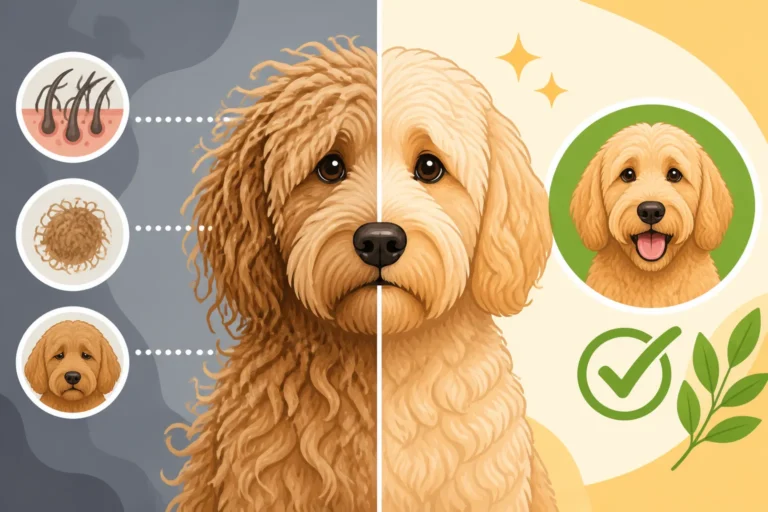
The danger of simply letting your Labradoodle air dry is significant. As the damp coat slowly evaporates, the individual hair strands, particularly in the woolier or fleece textures, tend to curl and intertwine, forming tight mats. These mats start small, often in areas like Mats Behind a Labradoodle's Ears, armpits, and groin, but they can quickly spread and tighten into painful, pelt-like formations that pull at the skin. Air drying might seem like the easy option, but it often leads to a far bigger grooming headache down the line, requiring extensive de-matting or even shaving.
And then there's the human hairdryer. While it might seem like a logical step up from towels, a human hairdryer is absolutely not designed for a dog's coat. They use high heat to evaporate water, which can easily burn your dog's sensitive skin, especially if you're holding it too close or focusing on one spot. The airflow is also typically too weak and dispersed to penetrate the dense Labradoodle coat effectively, meaning you're still relying on heat to dry, which is slow and risky. Plus, your household hairdryer probably isn't built for the prolonged, heavy-duty work of drying a large, fluffy dog and could quickly burn out.
The True Cost of Neglecting Proper Drying
The consequences of not drying your Labradoodle thoroughly go beyond just a damp dog and a few extra mats. There are significant financial, health, and emotional costs involved that often catch owners by surprise.
Financially, relying on professional groomers to untangle severe matting can be very expensive. Groomers often charge extra for de-matting services, sometimes on an hourly basis, because it's time-consuming and labor-intensive. In severe cases, where the mats are too tight or painful to brush out, the only humane option is a full shave down, which means your beautiful Labradoodle goes home looking nothing like the fluffy companion you know. This can dramatically increase What a Groomer Charges to Strip a Matted Labradoodle and turn a routine trim into a budget-buster.
More seriously, health risks abound when a Labradoodle's coat remains damp for too long. Moisture trapped against the skin creates a perfect breeding ground for bacteria and yeast. This can lead to painful hot spots, skin infections, and generalized dermatitis, causing intense itching, redness, and discomfort for your dog. These conditions often require veterinary attention, leading to unexpected vet bills for examinations, medications, and special shampoos. Dealing with chronic Allergies Behind a Labradoodle's Itching can also be exacerbated by poor drying habits, compounding your dog's discomfort.
Beyond the money, there's the monumental time drain. Imagine spending an hour or more after every bath just trying to get your dog dry, only to find damp patches when they lie down. This is time that could be spent on walks, training, playing fetch, or simply relaxing with your furry family member. Instead, it becomes a tedious, often frustrating chore.
Finally, there's the stress for both you and your Labradoodle. If bath time and drying become prolonged, uncomfortable experiences, your dog might start to dread them, making future sessions even harder. This can erode the positive association with grooming and create a battle every time, which isn't good for your dog's well-being or your bond with them. Proper drying can transform this ordeal into a manageable routine, making a world of difference for everyone involved.
How a Force Dryer Transforms the Drying Process
This is where a dedicated pet force dryer steps in as a game-changer. It's not just a fancier hairdryer; it's a completely different tool designed specifically for deep, thorough drying of dense dog coats.
The Mechanics of High-Velocity Airflow
The core principle behind a force dryer is powerful, high-velocity airflow, not heat. Instead of relying on hot air to evaporate water, a force dryer physically blasts the water off and out of the coat using a concentrated stream of air. Think of it like a leaf blower for your dog's fur, but much more refined and controllable. This means it's incredibly efficient at dislodging water droplets from individual hair shafts and pushing moisture out from the dense undercoat.
Crucially, because it relies on air volume and speed rather than high temperatures, a good force dryer operates with minimal or no heat. The air expelled might feel slightly warm due to the friction of the motor and the compression of air, but it's not the scalding heat of a human hairdryer that risks burning your dog's skin. This safety aspect is paramount when dealing with sensitive canine skin, especially for prolonged drying sessions. You can confidently dry your Labradoodle without the constant worry of overheating them or causing discomfort.
One of the most valuable benefits for Labradoodle owners is how this powerful airflow helps to "straighten" the hair strands as they dry. The force of the air separates the individual hairs, preventing them from curling back in on themselves and tangling. This action is incredibly effective at preventing mats from forming during the drying process, which is often when The Coat Change That Hits a Labradoodle at Nine Months makes them most vulnerable. By systematically drying sections and blowing the hair straight, you actively work against the matting process, leaving you with a smooth, fluffy, and tangle-free coat.
Key Features That Matter for Labradoodle Owners
When you’re looking at investing in a force dryer, not all models are created equal, especially when you’re dealing with a Labradoodle’s demanding coat. Knowing which features are most important can help you make an informed choice.
First and foremost, motor strength and adjustable speed are paramount. Look for dryers that specify their Cubic Feet per Minute (CFM) or horsepower, as these indicate the power of the airflow. A higher CFM means more air is moved, leading to faster drying. Variable speed control is incredibly useful; you can start on a lower, gentler setting for sensitive areas like the face or for dogs that are new to the dryer, and then ramp up the power for the dense body coat. This flexibility makes the grooming experience much more comfortable for your dog.
Next, pay attention to the attachments, particularly the nozzles. Force dryers come with different nozzles, and they're not just for show. A concentrator nozzle focuses the air into a powerful stream, which is excellent for blasting water out of the coat. A flatter, wider nozzle can be used to smooth the coat as it dries. Ensure the dryer comes with a long, flexible hose that allows you to move freely around your dog without having to reposition the entire unit constantly. This makes working in sections much easier and less tiring.
Noise considerations are also vital. While all force dryers are going to be louder than a human hairdryer due to their powerful motors, some models are engineered with noise reduction technology. For a dog that might be sensitive to loud sounds, investing in a quieter model can make a huge difference in their acceptance of the drying process. Check reviews for comments on noise levels, as a calmer dog makes for a calmer grooming session.
Finally, think about durability and build quality. A home force dryer is an investment, and you want it to last. Look for sturdy construction, quality materials, and reliable brands. Many reputable pet supply retailers, like Chewy and Amazon, carry a wide range of popular brands known for their performance and longevity, offering models that cater to various budgets and needs. Prioritizing a well-built machine will save you from needing a replacement sooner than expected.
The Financial and Lifestyle Return on Investment
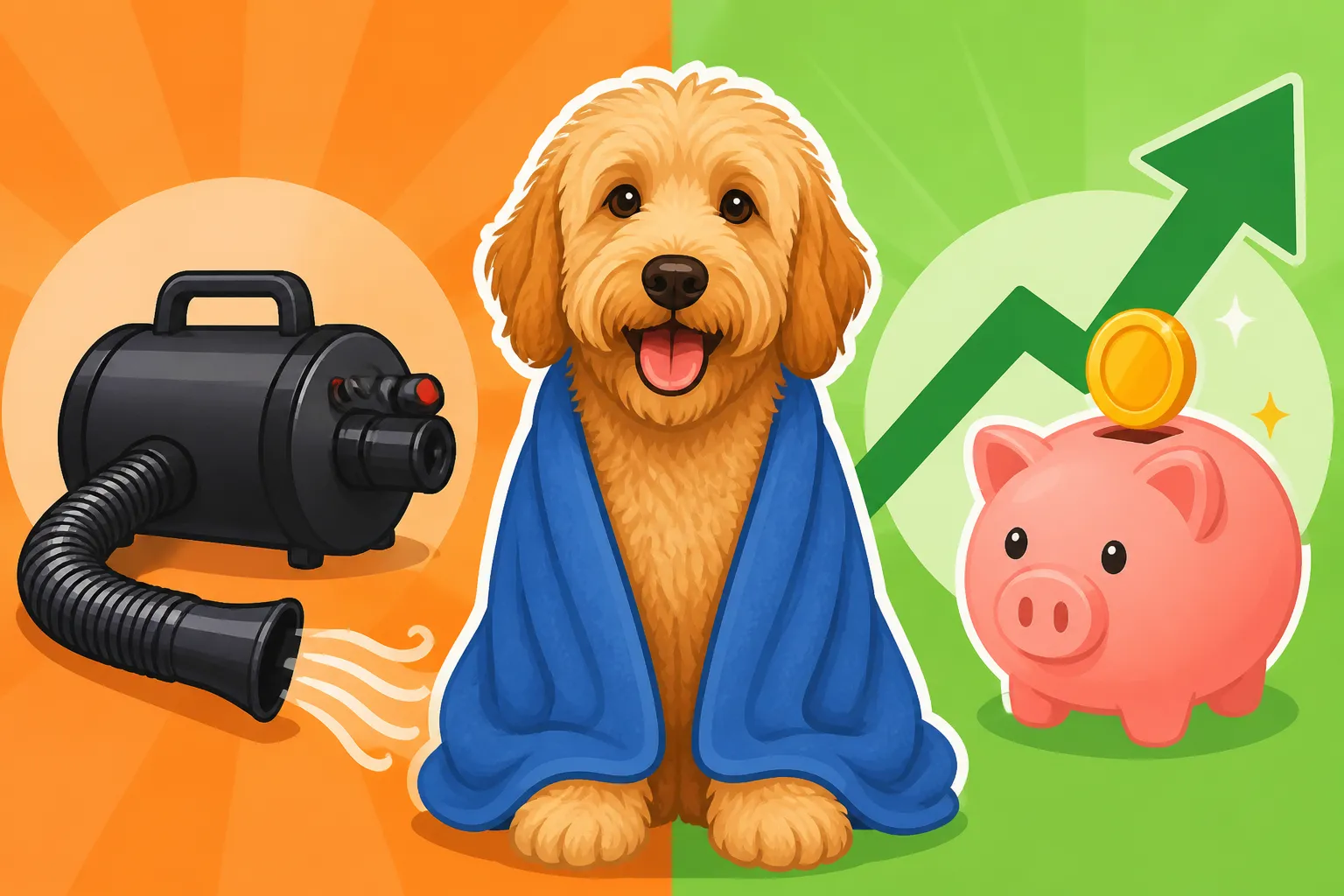
So, with all this talk of cost and features, does a home force dryer actually pay for itself? For many Labradoodle owners, the answer is a resounding yes, not just in dollars and cents, but in invaluable benefits to time, convenience, and dog health.
Calculating the Financial Break-Even Point
Let's talk numbers. A quality home force dryer can represent a significant upfront cost. While prices vary widely based on brand, power, and features, you can expect this to be a single, substantial purchase. This initial outlay might seem daunting, especially if you're already trying to manage the general expenses of owning a Labradoodle.
However, consider this against the recurring costs of professional grooming. A full groom for a Labradoodle, which always includes washing and thorough drying, can be quite costly. If your dog gets professionally groomed every 6-8 weeks, these costs add up quickly over the year. When you factor in potential extra charges for de-matting because your dog arrived with a few tangles, the yearly total for professional services can become substantial. The Yearly Grooming Total on a Standard Labradoodle gives you an idea of just how much those regular salon visits can cost.
To calculate your financial break-even point, simply divide the cost of the force dryer by the average cost of one professional grooming session (or just the wash and dry portion, if you’re still taking them for cuts). You might find that after just 3-5 home bath-and-dry sessions, the dryer has paid for itself. Any sessions beyond that are pure savings. If a home dryer helps you prevent severe matting, you're also saving on those additional de-matting fees that groomers often levy, which can quickly add to the overall cost of a session.
Beyond the dryer itself, remember that successful home grooming often involves other tools like good quality slicker brushes, wide-toothed combs, and perhaps even clippers. The force dryer doesn't replace these, but it makes them more effective. The investment in a dryer significantly enhances the utility of all your other grooming tools by ensuring you start with a thoroughly dry, mat-free canvas.
Intangible Benefits: Time, Health, and Well-being
The financial savings alone are often enough to justify a force dryer, but the intangible benefits are arguably even more compelling for many Labradoodle owners. These are the aspects that improve your daily life and your dog's overall happiness.
First, there's the invaluable gift of time. A good force dryer can cut your Labradoodle's drying time by half, or even more, compared to air drying or towel drying alone. Imagine gaining back an hour or more after every bath – that's precious time you can spend on walks, training, playing, or simply enjoying their company without the chore of endless drying. This efficiency allows you to bathe your dog more frequently if needed, ensuring a cleaner, healthier coat.
Second, consider the dramatic improvement in your dog's coat and skin health. Proper, quick drying significantly reduces the risk of those dreaded skin infections, hot spots, and yeast issues that thrive in damp conditions. By preventing these problems, you're not just saving on potential vet bills, but you're also keeping your Labradoodle more comfortable, itch-free, and generally happier. This proactive approach to health is a massive win for their well-being. Regular and thorough drying also allows you to keep up with tasks like Cleaning a Labradoodle's Ears After Swimming more effectively, preventing ear infections that can arise from trapped moisture.
Third, a home force dryer offers unparalleled flexibility and convenience. No more trying to squeeze into a groomer's booked schedule just to get your dog dry. You can bathe your Labradoodle whenever they need it – after a muddy park visit, a roll in something questionable, or a swim in the lake. This freedom means you can maintain a cleaner dog more easily, without planning weeks in advance. If your Labradoodle has a sudden roll in the mud, you can address it immediately, rather than waiting for an appointment.
Finally, and perhaps most profoundly, a home force dryer can lead to a stronger bond between you and your dog. When grooming becomes a less stressful, more efficient, and even enjoyable routine at home, it can actually enhance your relationship. Your dog learns to tolerate and even enjoy the process, associating it with positive reinforcement and your calm presence. This shared experience fosters trust and makes the necessary task of grooming a more pleasant part of your life together.
Mastering Your Home Force Dryer for Optimal Results
Getting a force dryer is one thing; using it effectively and making it a positive experience for your Labradoodle is another. With a little patience and the right technique, you can quickly become a home grooming pro.
Gentle Introduction and Desensitization
For many dogs, especially those new to loud noises, the first introduction to a force dryer needs to be gentle and gradual. Don't just blast it on full power at your dog. Start slow. Before you even turn it on, let your Labradoodle sniff the machine when it's off. Offer treats and praise for any curiosity or calm behavior around it. You want them to associate the dryer with positive things.
Next, introduce the sound. Turn the dryer on its lowest setting in another room, far enough away that it's barely audible. As your dog remains calm, gradually bring it closer, always pairing the sound with high-value treats and praise. The goal is to create a positive association, not fear. Take breaks if your dog shows signs of stress or anxiety. You might be surprised at how quickly some dogs adapt, especially if they are food motivated.
When you're ready to use it on your dog, begin with very short bursts on the lowest setting, starting with less sensitive areas like their rear or back legs, away from their face and ears. Keep the nozzle moving constantly and don't hold it in one spot. Continue to offer treats and verbal praise for their cooperation. Gradually build up the duration and intensity of the sessions. Remember, the goal is a calm, positive experience. Training your Labradoodle to love the dryer is a marathon, not a sprint.
Consider setting up a dedicated grooming space. A sturdy grooming table or even a non-slip mat on the floor can help make the process safer and more comfortable for both of you. You want your dog to feel stable and secure, not slipping or trying to jump off a wobbly surface. This dedicated space helps establish a routine and signals to your dog that it's "grooming time."
Best Practices for Effective Drying
Once your Labradoodle is comfortable with the force dryer, adopting some best practices will ensure you get the most efficient and effective results, minimizing mats and maximizing coat health.
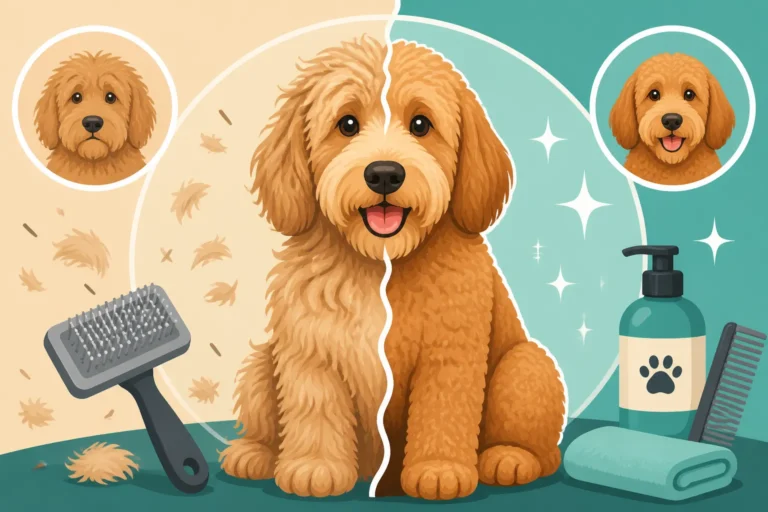
Always pre-brush your Labradoodle thoroughly before bathing and drying. Use a good quality slicker brush and a metal comb to remove any loose hair, tangles, or budding mats. Water will tighten any existing tangles, making them much harder, and more painful, to remove after the bath. Brushing a Labradoodle to the Skin, Not the Surface is crucial here; you need to get all the way through the dense coat.
After the bath, towel dry your Labradoodle as much as possible. This removes the bulk of the water and significantly speeds up the force drying process. The less water the force dryer has to blast off, the quicker and more efficient the overall session will be. Gently squeeze water out of the coat rather than rubbing vigorously, which can create tangles.
When using the force dryer, work in sections, drying down to the skin. Start at the back and work your way forward, holding the skin taut with one hand while directing the nozzle with the other. This helps separate the hair and allows the air to penetrate fully. Keep the nozzle moving constantly to avoid concentrating air in one spot, which can still cause discomfort. Systematically dry small areas until they are completely dry before moving to the next. Pay extra attention to commonly matted areas like the chest, armpits, and behind the ears. For these areas, using a combination of tools like The Slicker, Rake and Comb a Labradoodle Takes during the drying process can ensure maximum mat prevention.
Finally, once you believe your Labradoodle is completely dry, do a final, thorough brush-through with both a slicker brush and a comb. The comb is your ultimate detector for any missed damp spots or hidden tangles. If the comb glides smoothly through the entire coat, all the way to the skin, you’ve done a great job. This last step is critical for ensuring no sneaky mats form overnight or in the days following the bath, which can often happen if any moisture is left in the deeper coat.
| Feature / Benefit | Professional Grooming (without home dryer) | Home Grooming (with home force dryer) |
|---|---|---|
| Initial Cost | Minimal (just bath/brush/clip supplies) | Significant (dryer, table, tools) |
| Recurring Cost | High (regular groomer fees, de-matting charges) | Low (electricity, shampoo, wear-and-tear on dryer components) |
| Time Investment | Scheduling appointments, drop-off/pickup, wait times | Significant time per session, but flexible timing |
| Mat Prevention | Relies on groomer's expertise; can be costly if neglected | High potential for prevention with consistent effort |
| Coat/Skin Health | Excellent if done regularly and thoroughly by pro | Excellent if owner is diligent and uses proper technique |
| Convenience | Limited by groomer's availability, travel required | High – bathe whenever needed, no travel, immediate drying |
| Stress for Dog | Can vary; some dogs love groomers, others find it stressful | Potentially stressful initially, but can be desensitized at home |
| Bond with Owner | Less direct grooming interaction | Enhanced through shared, positive grooming experiences |
| Control Over Styling | Groomer expertise, specific requests | Full control, but requires owner skill acquisition |
| Emergency Clean-ups | Difficult to arrange last-minute | Easy to perform as needed |
Disclaimer
This article is for general informational purposes only and does not constitute professional advice. Laws, prices and regulations vary by location and change over time. Consult a qualified professional for guidance on your specific situation.