How Often a Labradoodle Needs a Bath
One of the biggest head-scratchers for new Labradoodle parents, and even seasoned ones, is figuring out how often to actually dunk their beloved companion in the tub. You want them smelling fresh and looking their best, but you're also worried about stripping their natural oils or making their sensitive skin itchy. It feels like there’s a fine line between a clean pup and an irritated one, and knowing where that line is can be tricky. This guide is here to demystify Labradoodle bathing, helping you find the perfect frequency to keep your furry friend's coat healthy, their skin happy, and your home smelling sweet, without overdoing it.
Understanding Your Labradoodle's Unique Coat
The Labradoodle is a wonderful mix, but that mix also means a wide variety of coat types, each with its own specific care needs, especially when it comes to bathing. You can’t treat every Labradoodle coat the same way, and understanding yours is the first step to figuring out a good bathing schedule.
The Different Coat Types and Their Bathing Needs
When you bring a Labradoodle into your home, you might quickly realize that their coat isn't just one thing. There are generally three main types: hair, fleece, and wool. Each one behaves differently, and what works for one might be detrimental to another.
The hair coat, often seen in earlier generations like F1 Labradoodles, is usually straighter, coarser, and sheds more like a Labrador's coat. If your Labradoodle has a hair coat, you might find yourself needing to bath them slightly more often, particularly if they spend a lot of time outside and pick up dirt and allergens. However, because it sheds, it also tends to air out a bit more naturally, and dirt can sometimes fall off rather than getting trapped. Still, a hair coat can get greasy if not bathed regularly enough, leading to that distinct "doggy odor" that some owners find challenging. Regular bathing helps to manage this, but don't go overboard, as even shedding coats need their natural oils.
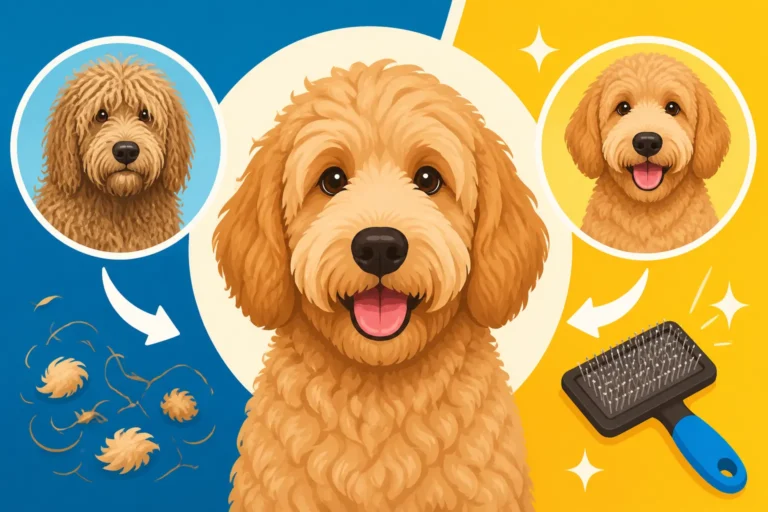
Then there's the beloved fleece coat, which is often what breeders aim for. This coat is soft, wavy, or spiraled, feels like a blend of cashmere and mohair, and sheds minimally, if at all. It's often associated with the "hypoallergenic" quality many seek. Because it doesn't shed much, dead hair can get trapped, leading to matting if not properly brushed. Dirt and debris can also become tangled within these soft waves. For fleece coats, bathing is crucial not just for cleanliness but also for helping to prevent mats. A clean coat is less likely to mat, as dirt and oil can bind the hairs together. However, the density of a fleece coat means it holds moisture, making thorough drying absolutely essential to prevent skin issues like hot spots or yeast infections. You'll likely find that a fleece coat needs a bath every 4-8 weeks, depending on their activity and how well you keep up with brushing. The Three Labradoodle Coats: Hair, Fleece and Wool can provide more detailed insights into these different types.
Finally, we have the wool coat. This is the most Poodle-like of the Labradoodle coats, dense, tightly curled, and feels similar to lamb's wool. It is also non-shedding and truly considered hypoallergenic. Like the fleece coat, the wool coat is a matting magnet. Dirt, debris, and dead hair get caught deep within the curls. For a wool coat, consistent bathing is non-negotiable, usually every 4-6 weeks, alongside a rigorous brushing schedule. The tight curls can easily trap moisture against the skin, so drying is even more critical here than with a fleece coat. If a wool-coated Labradoodle isn't bathed regularly, not only will they mat terribly, but their skin can also become a breeding ground for bacteria and fungi. A clean coat with regular conditioning helps the curls stay supple and less prone to tangling.
Impact of Shedding and Allergens
One of the main reasons many families choose a Labradoodle is their reputation for being "hypoallergenic." While no dog is 100% allergen-free, Labradoodles, particularly those with fleece or wool coats, produce less dander and shed less hair, which are the primary culprits for human allergies. However, this doesn't mean they don't carry allergens or dirt.
For households with allergy sufferers, bathing frequency can play a significant role in managing symptoms. Even if your Labradoodle doesn't shed much, they still produce dander, and their coat can pick up environmental allergens like pollen, dust, and mold spores. These can all contribute to allergy flare-ups in sensitive individuals. Therefore, a regular bathing schedule, perhaps every 3-4 weeks for allergy sufferers, can help wash away these accumulated irritants, providing relief. Whether Bathing Reduces Allergens on a Labradoodle delves deeper into this topic.
It's not just about what they shed or carry; it's also about what stays on them. For dogs with minimal shedding coats, the dead hair and dander tend to get trapped in the coat rather than falling out. If not regularly removed through brushing and bathing, this buildup can contribute to skin irritation for the dog and increased allergens in the home. Brushing before a bath is especially important to help loosen and remove this trapped material, allowing the shampoo to work more effectively on the skin and coat.
In contrast, a Labradoodle with a more hair-like coat that sheds will naturally release some of these allergens into the environment through shedding. While this might seem counterintuitive, sometimes the act of shedding itself can be an allergen trigger for people. For these dogs, bathing can help control the overall amount of dander and loose hair, but it's often a balance with the brushing routine. Ultimately, whether your Labradoodle sheds or not, regular bathing, combined with diligent cleaning of your home, is key to minimizing allergens.
Factors Influencing Bathing Frequency
Deciding how often to bathe your Labradoodle isn't a one-size-fits-all answer. It's a dynamic decision based on a few key factors: their daily life, the health of their skin, and your ongoing grooming efforts. Ignoring any of these can lead to either an unnecessarily over-bathed dog with dry skin or an under-bathed pup prone to mats and odors.
Lifestyle and Activity Level
Your Labradoodle's daily routine is perhaps the biggest indicator of how frequently they'll need a bath. Think about it: a city dog that mostly walks on paved sidewalks and spends evenings cuddling on the couch is going to have very different bathing needs than a country dog who loves to explore muddy trails, swim in lakes, and roll in who-knows-what.
-
Outdoor Adventurers: If your Labradoodle is an avid outdoor explorer, loves hiking, swimming, or playing in dog parks, they're naturally going to get dirtier, faster. Mud, dust, sticky burrs, and even mystery grime from the park can quickly turn a beautiful coat into a matted mess. For these active dogs, a bath might be needed as frequently as every 2-3 weeks, especially during peak outdoor seasons like spring or fall when mud is prevalent. If they swim regularly, especially in lakes or ponds, a rinse after each swim is crucial, and a full bath might be warranted more often to prevent skin irritation from waterborne microbes or chemicals like chlorine. Rinsing a Labradoodle After the Lake is an excellent resource if your dog loves water.
-
City Dwellers/Indoor Companions: For Labradoodles living a more urban or predominantly indoor lifestyle, baths can be less frequent. They're exposed to less outdoor grit, though city grime and pollution can still cling to their coats. For these dogs, a bath every 6-8 weeks might be perfectly adequate. The key is monitoring their coat and skin for any signs of greasiness, odor, or buildup. A quick wipe-down with a damp cloth after walks can often extend the time between full baths.
-
Special Considerations: Dogs that frequent doggy daycare or interact closely with many other dogs might also pick up more dirt, smells, or even parasites, necessitating more regular baths. Similarly, a Labradoodle who is a therapy dog or service dog, regularly visiting hospitals or schools, often requires more frequent bathing to ensure they are clean and hygienic for those they interact with. What a Therapy Labradoodle Is Tested On talks about the standards for these important jobs.
Skin Health and Allergies
Beyond just getting dirty, your Labradoodle's skin health plays a massive role in their bathing needs. Dogs, just like people, can have sensitive skin, allergies, or underlying conditions that dictate how often they should be bathed and with what products.
-
Sensitive or Dry Skin: If your Labradoodle has naturally dry or sensitive skin, bathing too frequently can strip their natural oils, leading to itchiness, flakiness, and discomfort. In these cases, it's often better to extend the time between baths, perhaps to every 8-10 weeks, and use a moisturizing, hypoallergenic shampoo and conditioner. Oatmeal-based or veterinary-prescribed shampoos can be very helpful. Always consult your vet if you suspect chronic dry skin, as it could be a sign of a dietary deficiency or another health issue.
-
Allergies (Environmental or Food): Labradoodles can be prone to allergies, manifesting as itchy skin, redness, hot spots, or ear infections. Allergies Behind a Labradoodle's Itching is a must-read if you suspect this. For dogs with environmental allergies (e.g., pollen), more frequent bathing (every 2-4 weeks) with a gentle, anti-itch shampoo can help wash allergens off their coat and soothe irritated skin. However, if the allergy causes severe skin inflammation, your vet might recommend specific medicated baths or even reduce bathing frequency to avoid further irritation, alongside other treatments. For food allergies, bathing generally won't solve the root cause, but it can help manage secondary skin infections that often arise from constant scratching.
-
Skin Infections (Yeast or Bacterial): Unfortunately, Labradoodles are sometimes prone to skin infections due to their dense coats and drop ears. Yeast infections, often characterized by a musty odor, greasy skin, and redness, often require specific medicated shampoos prescribed by a vet. Yeast Trapped Under a Labradoodle's Coat provides more information on this. Bacterial skin infections (pyoderma) also require medicated baths, sometimes several times a week, as part of a treatment plan. In these cases, bathing frequency is dictated by your veterinarian and is therapeutic rather than purely cosmetic. It’s crucial to follow their instructions precisely to clear up the infection.
Grooming Routine and Maintenance
A consistent grooming routine is intrinsically linked to bathing frequency. The better you maintain your Labradoodle's coat between baths, the less often they might need a full wash, and the easier those baths will be.
-
Regular Brushing: This is your first line of defense against mats and a major factor in extending time between baths. Labradoodles, especially those with fleece or wool coats, need regular, thorough brushing, ideally several times a week, if not daily, to prevent mats from forming. How Many Times a Week a Labradoodle Needs Brushing emphasizes just how important this is. Brushing removes loose hair, dirt, and debris that would otherwise get tangled and matted. If you're brushing diligently to the skin and preventing mats, your dog's coat will stay cleaner and healthier for longer. A well-brushed coat allows air to circulate, keeping the skin healthy and reducing odors. If you neglect brushing, you'll find yourself needing to bathe more often, often to simply try and detangle an already matted coat, which is a painful and frustrating process.
-
Professional Grooming Schedule: Most Labradoodle owners rely on professional groomers every 6-12 weeks for trims, de-matting, and thorough baths. These professional sessions are essential for managing the coat's length and density, which in turn impacts how often you need to bathe at home. If your dog gets professionally groomed every 6-8 weeks, your home bathing might be reduced to just once between those appointments, or even just spot cleaning. The groomer can also help identify any skin issues you might have missed.
-
Spot Cleaning: For minor mishaps – a muddy paw, a dusty belly, or a little something stuck in their beard – spot cleaning can be a lifesaver and prevent the need for a full bath. Keep some dog-safe wet wipes or a damp cloth handy. This is particularly useful for areas like the paws after a walk, or around the mouth after eating. By addressing these small areas, you can significantly extend the period between full baths, saving your dog's skin from unnecessary stripping of natural oils.
| Coat Type | Ideal Bathing Frequency | Key Considerations |
|---|---|---|
| Hair Coat | Every 4-10 weeks | Sheds, can get greasy. Less matting risk. |
| Fleece Coat | Every 4-8 weeks | Minimal shedding, prone to matting. Needs thorough drying. |
| Wool Coat | Every 3-6 weeks | Non-shedding, highly prone to matting. Requires diligent brushing & drying. |
| Special Cases | ||
| Active/Outdoors | Every 2-4 weeks | More exposure to dirt, mud, water. |
| Allergies | Every 2-4 weeks (with vet guidance) | Removes environmental allergens, soothes skin. |
| Sensitive/Dry Skin | Every 8-10 weeks (with vet guidance) | Avoids stripping natural oils; use moisturizing products. |
| Skin Infections | Vet-prescribed (often 2-3x/week) | Therapeutic bathing with medicated shampoos. |
The Practicalities of Bathing Your Labradoodle
Now that we've covered the why and how often, let's talk about the how. Bathing a Labradoodle, especially one with a dense, non-shedding coat, isn't just a quick splash in the tub. It requires the right tools, technique, and patience to ensure a positive experience for both of you and a truly clean, mat-free dog.
Choosing the Right Products
Using the right shampoo and conditioner is paramount for a Labradoodle, given their unique coats and potential for skin sensitivities. You can't just grab any old human shampoo; it'll throw off their skin's pH balance and cause dryness.
-
Shampoo: Always opt for a dog-specific shampoo. Look for gentle, pH-balanced formulas. If your Labradoodle has normal skin, a good quality conditioning shampoo will work wonders. For sensitive skin or allergies, choose hypoallergenic, oatmeal-based, or soap-free options. Brands like Earthbath or TropiClean offer excellent gentle choices. If your dog has a specific skin condition like yeast or bacterial infections, your veterinarian will prescribe a medicated shampoo, which is crucial for treatment. You can often find a great selection of these specialized products at retailers like Chewy, making it easy to get what you need delivered right to your door.
-
Conditioner: This is absolutely non-negotiable for Labradoodles, particularly those with fleece or wool coats. Conditioner helps to moisturize the skin, detangle the coat, and reduce static, making subsequent brushing much easier and helping to prevent mats. Apply it generously after shampooing, ensuring it penetrates the entire coat, then rinse thoroughly. A leave-in conditioner or detangling spray can also be beneficial between baths for daily brushing.
-
Tools: You'll need a good quality slicker brush and a metal comb (preferably a greyhound comb with fine and wide teeth). These are essential for pre-bath brushing and post-bath detangling. A grooming glove or rubber curry brush can help distribute shampoo and massage the skin. For drying, a super absorbent towel and, ideally, a high-velocity dog dryer are game-changers. The force dryer is critical for getting deep into their dense coat and preventing matting. You can find many reliable options on Amazon, from basic towels to professional-grade dryers.
Step-by-Step Bathing Process
Bathing your Labradoodle properly involves more than just getting them wet and soapy. Following a methodical approach will ensure a thorough clean and minimize the dreaded matting that can occur during and after a bath.
- Pre-Bath Brush: This is perhaps the most crucial step. Never, ever put a matted Labradoodle in the bath. Water will tighten existing mats, making them impossible to remove without shaving. Spend a good 20-30 minutes (or more!) line brushing your dog to ensure there are no tangles. Use your slicker brush and comb to get down to the skin. If you find a mat, gently work it out with a detangling spray and your comb before the bath.
- Wet Thoroughly: Get your Labradoodle completely wet, from head to tail, ensuring the water penetrates all the way to the skin. This can take longer than you think with their dense coats. Use lukewarm water; too hot or too cold can be unpleasant for them.
- Shampoo and Lather: Apply shampoo, starting from the neck and working your way down to the tail and legs. Gently massage it into the coat, creating a rich lather. Be careful around the eyes and inside the ears (you can place cotton balls in their ears to prevent water from entering, but remember to remove them!). Focus on areas that get particularly dirty, like the paws, belly, and underarms. Don't scrub vigorously in circles, as this can create tangles.
- Rinse, Rinse, Rinse!: This is equally important. Rinse until you're absolutely sure all the shampoo is out. Residue can irritate the skin and leave the coat dull and sticky, attracting dirt faster. Squeeze the coat repeatedly to check for suds. This step often takes twice as long as shampooing.
- Condition: Apply a generous amount of conditioner, again working it through the entire coat, ensuring it reaches the skin. Let it sit for a few minutes as per product instructions, then rinse thoroughly.
- Towel Dry: Once rinsed, gently squeeze excess water from their coat. Wrap them in a super absorbent towel and blot, rather than rubbing vigorously, which can cause tangles.
- Blow Dry: This is where the force dryer comes in. If you don't have one, it's worth the investment for a Labradoodle. Start on a low setting and gradually increase. Blow dry your dog completely to the skin, parting the hair with your free hand as you go. This process prevents mats from forming as the coat dries, especially on fleece and wool coats. Drying a Labradoodle to the Skin After a Bath offers a detailed guide to this critical step. If you let their coat air dry, it almost guarantees matting, which then requires professional dematting or even shaving. While drying, use your slicker brush to continuously brush the coat smooth, working out any small tangles that may have formed. This is a great time to offer a high-value treat, perhaps from Ollie, to make the experience more positive!
- Final Brush: Once completely dry, give them a final thorough brush and comb-through to ensure there are no tangles left.
Recognizing When a Bath is Truly Needed (vs. Spot Cleaning)
It’s easy to fall into the trap of thinking a full bath is always the solution, but sometimes a simpler approach is better for your Labradoodle's skin and coat health. Knowing when a full bath is truly necessary versus when a quick spot clean will suffice can save you time and prevent over-bathing.
A full bath is needed when:
- They're visibly dirty or muddy all over: This is the most obvious sign. If your Labradoodle has rolled in something unpleasant, gotten caked in mud after a rainy walk, or looks generally dingy, it's time for a full wash.
- They smell distinctly "doggy": That particular odor indicates a buildup of oils, dirt, and potentially yeast or bacteria on their skin and coat. Even if they don't look dirty, if they smell, a bath is due.
- Their coat feels greasy or sticky: Run your hands through their fur. If it feels less soft and fluffy and more oily or tacky, it's likely time to remove the excess sebum and grime.
- Allergy flare-ups: If your family members are experiencing increased allergy symptoms or your dog is itching more due to environmental allergens, a full bath can help wash away irritants.
- Skin conditions: As discussed, certain skin infections or conditions, under vet guidance, require specific bathing frequencies with medicated shampoos.
Spot cleaning is sufficient when:
- Isolated dirt: Your Labradoodle got one paw muddy, or has a small patch of dirt on their belly. A quick wipe with a damp cloth or a dog-safe wet wipe can handle this without needing to wet their entire coat.
- Minor smells: If the odor is localized to their beard after eating, or their paws, a quick rinse or wiping down the specific area might be enough.
- Between full grooms: To extend the freshness between professional grooming appointments or full home baths, spot cleaning can be very effective for maintaining overall cleanliness.
- After a swim: If your Labradoodle loves to swim, a thorough rinse with plain water after getting out of the pool or lake can remove chlorine or lake residue, protecting their skin and coat, without the need for a full shampoo every time. You'll still want to do a full bath periodically, but not after every swim.
By differentiating between these situations, you can better manage your Labradoodle's grooming needs, promoting a healthy coat and comfortable skin without unnecessary stress or dryness from over-bathing.
Common Mistakes and Misconceptions
When it comes to bathing Labradoodles, there are a few common pitfalls that owners often stumble into. Understanding these mistakes, and the misconceptions that fuel them, can save you a lot of heartache (and potentially vet bills). It’s all about finding that delicate balance for your dog's specific needs.
Over-Bathing Risks
It's easy to assume that more baths equal a cleaner, healthier dog, but for Labradoodles, especially those with sensitive skin or particular coat types, this isn't always the case. Over-bathing can actually do more harm than good.
The primary risk of over-bathing is stripping the natural oils from your Labradoodle's skin and coat. These oils, known as sebum, are vital for maintaining skin health, acting as a natural barrier against bacteria and fungi, and keeping the coat supple and shiny. When you strip these oils too frequently, you can leave the skin dry, flaky, and itchy. Imagine washing your own hair daily with harsh shampoo – eventually, your scalp gets dry and irritated. It's similar for dogs.
Dry skin is not just uncomfortable; it can lead to a host of other problems. Increased scratching can break the skin barrier, creating small wounds that are ripe for secondary bacterial or yeast infections. You might notice redness, dandruff, or even a musty odor as a result of the skin struggling to rebalance itself. Furthermore, over-bathing can sometimes trigger the sebaceous glands to overproduce oil in an attempt to compensate, leading to a greasier coat paradoxically.
Another less obvious risk is the impact on the coat itself. Repeated harsh washing can make the hair shafts brittle and more prone to breakage, leading to a dull, rough-feeling coat. For fleece and wool coats, this can also make them more difficult to brush and actually increase matting, as dry, damaged hair tangles more easily. It's a frustrating cycle where you bathe to clean, but the coat becomes harder to manage, prompting more bathing.
Under-Bathing Problems
While over-bathing has its dangers, neglecting your Labradoodle's bathing needs can be even more detrimental, particularly for their characteristic low-shedding coats. Under-bathing a Labradoodle almost inevitably leads to a cascade of unpleasant issues.
The most notorious problem associated with under-bathing, especially in fleece and wool coated Labradoodles, is matting. Because these coats don't shed, dead hair gets trapped within the active coat. Without regular washing to help loosen dirt and oils, and regular brushing to remove the dead hair, these trapped strands quickly bond together, forming tight, painful mats. These mats aren't just cosmetic; they pull on the skin, causing extreme discomfort and can even restrict movement. In severe cases, mats can become so tight they cut off circulation, or create a moist, airless environment where skin infections, parasites, or hot spots can flourish unseen beneath the matted fur. You might find yourself needing to read Whether a Tight Matted Labradoodle Has Any Other Option if you let it go too long.
Beyond matting, under-bathed Labradoodles often develop a strong "doggy odor." This is due to the buildup of dirt, oil, and bacteria on the skin and in the coat. This isn't just unpleasant for you; it can also be a sign of poor skin hygiene. The lack of regular cleansing can lead to an imbalance in the skin's microbiome, allowing yeast or bacterial overgrowth, which contributes to the smell and can lead to itchy, irritated skin.
Finally, an under-bathed coat is a less healthy coat. It will appear dull, feel greasy, and can be heavier with accumulated grime. This makes it a less effective insulator, potentially impacting your dog's ability to regulate its temperature. It also leaves your Labradoodle susceptible to skin issues, as dirt and debris can irritate the skin and clog pores. In essence, neglecting baths means a less comfortable dog, a smellier home, and a higher risk of costly veterinary and grooming interventions to fix severe matting and skin problems.
The "Hypoallergenic" Myth
The term "hypoallergenic" is often the first word people associate with Labradoodles, and it's a huge selling point. However, it's also one of the biggest misconceptions that can lead to incorrect bathing practices and unrealistic expectations.
Firstly, no dog is truly 100% hypoallergenic. The term simply means "less allergenic." People aren't allergic to dog hair itself, but rather to proteins found in their dander (skin flakes), saliva, and urine. Labradoodles, particularly those with fleece and wool coats, are considered less allergenic because their coats shed very little, meaning less dander and saliva-coated hair are released into the environment. Whether a Labradoodle Is Truly Hypoallergenic dives into this in more detail.
The misconception arises when owners believe that because their Labradoodle is "hypoallergenic," they don't need regular bathing. This couldn't be further from the truth. Even a non-shedding Labradoodle still produces dander, and their coat acts like a filter, trapping environmental allergens like pollen, dust mites, and mold spores. These trapped allergens can then be a trigger for sensitive individuals in the household.
For families with allergy sufferers, a regular bathing routine is actually more crucial, not less. Bathing helps to wash away accumulated dander and environmental allergens from the coat, significantly reducing the allergen load in the home. If you've chosen a Labradoodle for allergy reasons, aim for a bath every 3-4 weeks, or even slightly more frequently during peak allergy seasons, using a gentle, moisturizing shampoo. This regular cleansing, combined with consistent brushing (which helps remove trapped dander before the bath) and frequent vacuuming, creates the best possible environment for allergy sufferers. Without it, even a "hypoallergenic" Labradoodle can still cause significant allergic reactions.
Disclaimer
This article is for general informational purposes only and does not constitute professional advice. Laws, prices and regulations vary by location and change over time. Consult a qualified professional for guidance on your specific situation.