How Many Times a Week a Labradoodle Needs Brushing
One of the most common frustrations Labradoodle owners share is the lightning-fast way their dog's beautiful, plush coat can go from fluffy to a solid block of mats, seemingly overnight. Many of us think we're doing a good job brushing, only to find painful tangles hiding deep within the fur. This guide is going to break down exactly how often your Labradoodle really needs brushing, moving beyond superficial strokes to truly care for that unique coat.
Decoding Your Labradoodle's Unique Coat Type
Before we even talk about how often to brush, we absolutely have to talk about what kind of coat your Labradoodle actually has. This isn't a one-size-fits-all situation, and misunderstanding your dog's coat type is often where the matting problem really begins. Labradoodles aren't just one type of fur; they can present with hair, fleece, or wool coats, each with its own specific care requirements. What works for one might utterly fail for another, leading to frustration for both you and your furry friend.
The texture and density of your Labradoodle's coat are direct results of their genetics, stemming from their Labrador Retriever and Poodle ancestry. A Poodle's coat, known for its tight curls and non-shedding qualities, requires very different grooming from a Labrador's shorter, double coat. When you mix those two, you get a delightful, but sometimes challenging, spectrum of coat types. Breeders often aim for the fleece coat, but nature can throw a curveball, especially in earlier generations like F1 or F1b. Understanding these variations is the first step toward developing an effective grooming routine that keeps your dog comfortable and mat-free. You might want to read more about The Three Labradoodle Coats: Hair, Fleece and Wool to get a clearer picture.
The Hair Coat: Closer to a Labrador
If your Labradoodle has a hair coat, it often resembles that of a Labrador Retriever, though it might be slightly longer and perhaps a bit wavier. This type of coat is the least common for Labradoodles, as breeders generally select for the Poodle's non-shedding qualities. However, it does happen, particularly in first-generation crosses (F1 Labradoodles), where the genetic lottery can lean more heavily towards the Labrador side. The key characteristic here is shedding. Unlike the other coat types, a hair coat will shed, sometimes quite a bit, making it less "hypoallergenic" than many people expect from a Labradoodle.
While shedding means less worry about tightly woven mats common to wool or fleece, it doesn't mean you're off the hook for brushing. Regular brushing is still essential to remove loose hair, distribute natural oils, and prevent any minor tangles. Think of it more like managing a Golden Retriever's coat, where shedding season requires more frequent attention. You're trying to capture the shedding hair before it ends up all over your furniture, and keep the coat healthy and shiny. A weekly or bi-weekly brush with a slicker brush followed by a comb is usually sufficient for these coats, provided there are no underlying skin issues.
The Fleece Coat: The Dream Labradoodle Texture
The fleece coat is what most people picture when they think of a Labradoodle. It's soft, wavy or curly, and has a silky texture that's truly lovely to touch. This coat type is often considered the most desirable because it typically offers the best balance of being low-shedding (though no dog is truly 100% non-shedding) and being relatively easier to maintain than the dense wool coat. The waves and loose curls of a fleece coat give it that distinctive "doodle" look, full of bounce and charm.
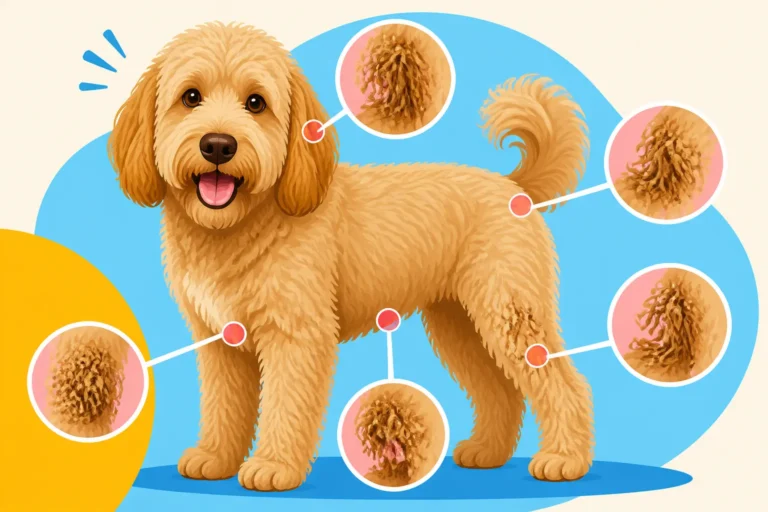
However, don't let its inviting softness fool you into thinking it's maintenance-free. The fleece coat's waves and curls, while beautiful, are prime candidates for tangling, especially when friction occurs. This happens under harnesses, behind the ears, in the armpits, and where limbs meet the body. If not regularly brushed through, these tangles quickly tighten into painful mats that can pull on the skin. For a fleece coat, daily or every-other-day brushing is truly the sweet spot to prevent these issues. You need to get that brush and comb all the way down to the skin to ensure no hidden mats are forming. For deeper insights, check out What a Fleece Coat Feels Like on a Labradoodle.
The Wool Coat: High-Maintenance Beauty
A wool coat is the most Poodle-like of the Labradoodle coat types. It's dense, curly, and feels much like sheep's wool (hence the name). This coat is typically the most non-shedding, making it an excellent choice for individuals with more significant allergies. While this is a huge benefit for allergy sufferers, it comes with a trade-off: the wool coat is by far the most demanding in terms of grooming. The tight, dense curls are a magnet for matting, and if left unattended, they will quickly felt together into a solid mass.
Because of its density and tendency to mat, a wool coat absolutely requires daily attention. This isn't an optional suggestion; it's a necessity for your dog's comfort and health. Missing even a couple of days can lead to a significant battle with tangles. These coats often need professional grooming every 6-8 weeks, but the daily home care is what keeps them in good enough condition for the groomer to work on without resorting to a full shave-down. It's a commitment, but the reward is a beautiful, allergy-friendly companion. To learn more about the upkeep, consider reading The Wool Coat Labradoodle and Its Upkeep.
The Weekly Brushing Routine: Beyond the Surface
So, you've figured out your Labradoodle's coat type, and now you have a general idea of how often you should be brushing. But here's the kicker: how you brush is just as, if not more, important than the frequency. Many owners brush their Labradoodles every day, only to discover a dense matting issue when they go for a professional groom. This usually happens because they're only brushing the surface of the coat, not getting all the way down to the skin where mats actually form. The top layer looks lovely, but underneath, chaos reigns.
The goal of brushing a Labradoodle, regardless of coat type, is to prevent mats by separating the hairs and removing any loose undercoat or shedding hair before it can tangle with the living coat. This requires a specific technique often called "line brushing" or "sectioning." It’s a methodical approach that ensures every inch of your dog's skin and coat is touched by the brush and comb. Rushing through it or simply running a brush over the back without addressing the more problematic areas like armpits, behind ears, or the groin will lead to trouble every time. This is where patience and persistence pay off. Brushing a Labradoodle to the Skin, Not the Surface offers a comprehensive guide on this technique.
Essential Tools for Effective Brushing
Having the right tools is non-negotiable for Labradoodle grooming. Trying to tackle a thick, curly coat with a flimsy brush or an ineffective comb is like trying to cut steak with a butter knife – frustrating for everyone involved and ultimately fruitless. Investing in high-quality tools that are designed for dense, curly coats will make the entire process easier, more efficient, and more comfortable for your dog. Think of it as investing in their well-being.
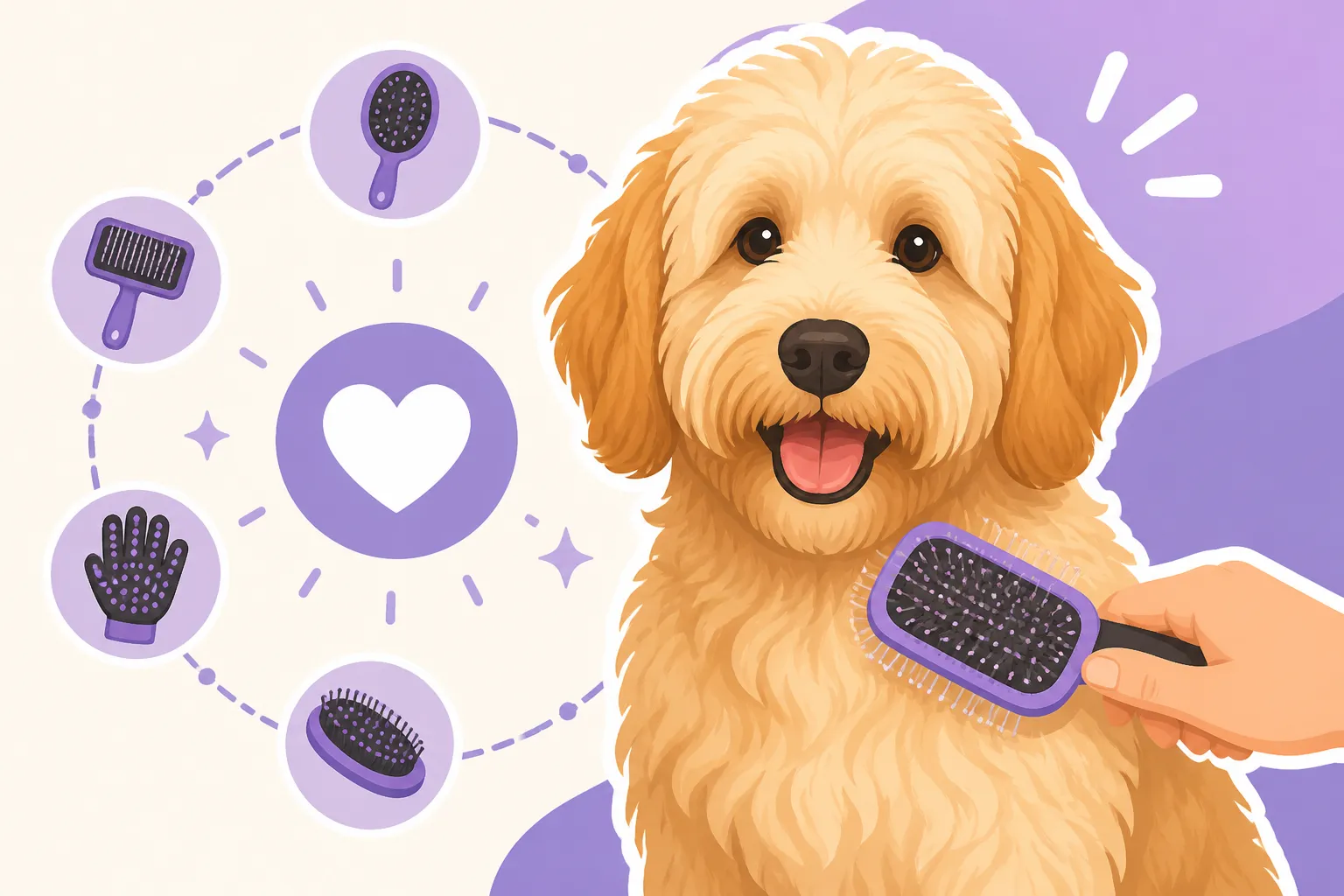
Your toolkit should ideally include:
- Slicker Brush: This is your primary weapon against tangles. Look for one with firm, bent wire bristles that are long enough to reach through the coat to the skin. A good quality slicker brush should glide through the coat when properly used, helping to loosen tangles and remove loose hair. You can find excellent options on Amazon or Chewy.
- Metal Comb: A sturdy metal comb with both wide and narrow-set teeth is absolutely crucial. This is your "mat detector" and "mat buster." After using the slicker brush, you must run the comb through the coat to ensure you haven't missed any tangles. If the comb snags, you know there's a mat that needs more attention.
- Detangling Spray: A good detangling spray can make a world of difference, especially on fleece and wool coats. It helps lubricate the hair, making it easier for the brush and comb to slide through without causing discomfort. Apply it generously to any tricky spots.
- Pin Brush (Optional, but useful): While not as effective for mat removal as a slicker, a pin brush can be great for general maintenance, distributing oils, and adding fluff.
- Nail Clippers/Grinder: While not for brushing, regular nail care is part of overall grooming.
- Ear Cleaner: Labradoodles are prone to ear infections, so cleaning their ears regularly is vital.
It’s worth noting that simply buying these tools isn't enough; you need to learn how to use them correctly. Don't be afraid to ask your professional groomer for a quick demonstration of proper brushing techniques with your specific tools.
Step-by-Step Line Brushing
Okay, let's get into the nitty-gritty of line brushing. This technique might seem time-consuming at first, but once you get the hang of it, it becomes much faster and far more effective than haphazard brushing. The key is to work in small sections, exposing the skin as you go.
- Prepare Your Dog: Find a quiet, comfortable spot where your dog can stand or lie down. A grooming table can be incredibly helpful for saving your back and keeping your dog still. Offer treats and praise throughout the process to make it a positive experience.
- Section the Coat: Start at the bottom of a leg or flank. Use one hand to part the hair horizontally, creating a small "line" of skin. Hold the rest of the coat up and out of the way with your other hand. This exposes the roots of the hair you're about to brush.
- Brush the Section: With your slicker brush, gently brush down the exposed section of hair, working from the skin outwards. Use short, soft strokes, ensuring the bristles reach all the way to the skin. If you encounter a tangle, don't yank! Work it out gently with the slicker brush, or use your fingers to try and break it apart. A little detangling spray can be a huge help here.
- Comb Through: Once you've brushed a section with the slicker, immediately follow up with your metal comb. Start at the skin and comb through the entire section. If the comb catches, go back with your slicker brush and work on that specific spot until the comb glides through smoothly. This step is critical; if the comb doesn't go through, you haven't removed the mat.
- Work Your Way Up and Around: Once a section is completely mat-free (slicker brushed and comb-tested), drop a little more hair down from the section above and repeat the process. Continue this method across the entire body, paying special attention to high-friction areas:
- Behind the Ears: A notorious spot for mats.
- Armpits: Another common area where mats quickly form due to movement.
- Groin/Inner Thighs: Often overlooked, but easily matted.
- Tail: Ensure you brush through the dense hair.
- Paws/Between Toes: Mats here can be very painful.
- Under the Collar/Harness: Constant friction leads to matting.
- Praise and Reward: Always end grooming sessions with positive reinforcement, whether it's treats, cuddles, or playtime. You want your Labradoodle to associate grooming with good things.
This methodical approach ensures you catch every tangle before it becomes a problem. For more detailed instructions, you might find Teaching Yourself to Line Brush a Labradoodle helpful.
Special Considerations for Labradoodle Coat Care
While general brushing frequency and technique are vital, there are specific times and circumstances that will demand extra attention from you. A Labradoodle's coat isn't static; it changes, it gets wet, it can be impacted by diet, and it certainly reacts to the seasons. Being aware of these special considerations can help you proactively prevent severe matting and ensure your dog remains comfortable and healthy. Ignoring these factors is often what leads to sudden, overwhelming matting issues that seem to appear out of nowhere.
The Dreaded Puppy Coat Change
One of the most challenging periods for Labradoodle owners is when their puppy transitions from its soft, fluffy puppy coat to its denser, adult coat. This "coat change" typically occurs between 8 to 14 months of age, though it can vary. During this time, the puppy coat literally gets woven into the incoming adult coat, creating an incredibly dense and mat-prone situation. It's like having two layers of hair trying to grow through each other.
During the coat change, you will need to increase your brushing frequency dramatically, often to daily, intensive sessions. What might have been an every-other-day routine will likely need to become a rigorous daily commitment, with thorough line brushing. Many owners find themselves overwhelmed during this phase, and it's a common reason why dogs end up shaved down at the groomer. It's a temporary, but intense, period that demands vigilance. If you don't address it head-on, mats will form rapidly and tightly. For a deeper dive into this, check out The Coat Change That Hits a Labradoodle at Nine Months and What Happens to a Labradoodle's Coat at Nine Months.
Activity Levels and Seasonal Changes
Your Labradoodle's lifestyle and the local weather also play a significant role in how often they need brushing. A highly active dog that loves to swim, roll in the dirt, or explore tall grasses will accumulate more debris and tangles than a more sedate, indoor companion. Similarly, changes in weather can impact coat condition.
- Swimming and Water Play: If your Labradoodle is a water enthusiast, regular baths and thorough drying are critical. Leaving a wet, curly coat to air dry is an invitation for mats to form and tighten. You'll need to brush before bathing to remove any existing tangles, and after drying to ensure the coat is completely smooth and mat-free. Be sure to check Drying a Labradoodle to the Skin After a Bath for best practices.
- Outdoor Adventures: Burrs, twigs, and mud can quickly get embedded in a Labradoodle's coat, especially fleece and wool types. A quick brush-down after every outdoor adventure, particularly if they've been in dense foliage, can prevent small foreign objects from becoming the anchor for a massive mat.
- Humid Weather: High humidity can make curly coats even more prone to tangling and frizzing. You might find yourself increasing brushing frequency during humid seasons to combat this.
- Winter Coats: While Labradoodles don't typically grow a distinct "winter coat" in the same way some double-coated breeds do, their fur can still become denser and longer in colder months, potentially requiring more frequent brushing to manage the volume.
Nutrition and Coat Health
While brushing is external, a healthy coat also starts from within. A balanced diet rich in essential fatty acids (like Omega-3 and Omega-6) contributes to healthy skin and a shiny, resilient coat that is less prone to breakage and matting. If your Labradoodle's coat seems dull, brittle, or excessively dry, it might be worth discussing their diet with your veterinarian. High-quality dog food brands often focus on formulations that support skin and coat health.
Some owners supplement their dog's diet with fish oil, which can further enhance coat condition. While diet won't eliminate the need for regular brushing, a healthy coat is generally more manageable and less likely to break during brushing, making the process smoother for both of you. You might find that brands available on Ollie or Chewy have excellent options for supporting overall health, including coat vitality.
Consequences of Insufficient Brushing
Skipping brushing sessions or doing a superficial job might seem harmless in the short term, but for a Labradoodle, the consequences can quickly become severe. It’s not just about aesthetics; neglected coats can lead to serious health issues and significant discomfort for your dog. Understanding these potential problems can be a powerful motivator to stay on top of your grooming routine.
Painful Matting and Skin Problems
The most immediate and obvious consequence of insufficient brushing is matting. Mats are dense clumps of tangled hair that pull on the dog's skin, causing constant discomfort and pain. Imagine having your hair constantly being pulled at the scalp – that's what a matted coat feels like to your dog. These mats can restrict movement, especially in the joints, and make lying down or even walking painful. They often form in sensitive areas like armpits, behind the ears, and in the groin.
Beyond the physical discomfort, mats create a perfect breeding ground for various skin problems. They trap moisture, dirt, and debris against the skin, leading to:
- Skin Irritation and Hot Spots: The constant pulling and lack of air circulation can cause redness, inflammation, and open sores (hot spots) that are incredibly itchy and painful.
- Infections: Bacteria and yeast thrive in the warm, moist environment under mats, leading to skin infections that require veterinary intervention.
- Parasites: Fleas, ticks, and other parasites can hide and multiply undetected within dense mats, making them difficult to spot and treat.
- Hematomas: If a mat is particularly tight and pulling on the ear leather, the shaking of the head can cause blood vessels to rupture, leading to a painful hematoma.
The Cost and Stress of Professional Dematting
If your Labradoodle's coat becomes severely matted, you'll likely have to turn to a professional groomer. Be prepared for a potentially expensive and stressful experience. Groomers often charge extra for dematting services, sometimes by the hour, because it's a time-consuming, difficult, and delicate process. In many cases, if the matting is too extensive or too close to the skin, the only humane option is to shave the entire coat down. This isn't just a stylistic choice; it's a necessity to relieve your dog's pain and allow their skin to breathe and heal.
A full shave-down might mean your dog looks significantly different than you're used to, and it takes time for the coat to grow back. More importantly, the process can be very stressful for your dog, especially if they are already in pain. Regular home brushing, even if it feels like a chore, is far less traumatic and costly than dealing with severe matting. You can avoid situations where Whether a Tight Matted Labradoodle Has Any Other Option becomes the grim reality.
Long-Term Impact on Coat Health and Temperament
Consistent matting and neglect can have long-term repercussions for your Labradoodle's coat quality. Repeated shaving due to severe matting can sometimes alter the texture of the regrowth, making it even more prone to matting in the future. The natural oils that keep the coat healthy and shiny won't be distributed properly, leading to dry, brittle hair.
Furthermore, a dog that is constantly uncomfortable due to mats might become resistant or even fearful of grooming. This can make future brushing sessions even more challenging and stressful for both of you. A painful grooming experience can erode trust and turn a routine bonding activity into a dreaded battle. Keeping your dog's coat healthy and tangle-free contributes not only to their physical well-being but also to their emotional comfort and positive association with human handling.
To help summarize the brushing frequency based on coat types, here's a quick guide:
| Coat Type | Description | Recommended Brushing Frequency | Common Challenges | Key Tools |
|---|---|---|---|---|
| Hair Coat | Wavy, sheds more, less prone to tight mats, resembles Labrador fur. | 1-2 times per week | Shedding, some tangles if long. | Slicker brush, metal comb |
| Fleece Coat | Soft, wavy or spiraling, low-shedding, desired texture. | Every other day to daily | Tangles quickly, mats form in high-friction areas (ears, armpits). | Slicker brush, metal comb, detangling spray |
| Wool Coat | Dense, tightly curled, non-shedding, Poodle-like texture. | Daily, intensive | Extremely prone to matting, can felt quickly, requires diligent care. | Firm slicker brush, sturdy metal comb, detangling spray |
Disclaimer
This article is for general informational purposes only and does not constitute professional advice. Laws, prices and regulations vary by location and change over time. Consult a qualified professional for guidance on your specific situation.