Whether Knowing the Coat Type Changes What You Pay
It's a common scenario: you're falling in love with pictures of Labradoodle puppies, but as you start exploring breeders, you notice prices can vary quite a bit, and sometimes the coat type is even mentioned as a factor. It can be confusing trying to understand if a certain curl or texture actually impacts how much you should expect to pay upfront, and more importantly, long-term. This guide will walk you through how different Labradoodle coat types might influence pricing and what that means for your budget in the years to come.
Decoding Labradoodle Coat Types and Their Appeal
When you first dive into the world of Labradoodles, one of the most exciting, and sometimes overwhelming, aspects is the sheer variety of coats. Everyone has a picture in their mind of the ideal "doodle look," and often, that look comes with a price tag. Understanding the nuances of each coat type is crucial not just for predicting the initial cost, but also for grasping the lifelong commitment of grooming and care.
The Three Main Coats: Hair, Fleece, and Wool
Let's break down the primary coat types you'll encounter in Labradoodles. It's not just about aesthetics; each type brings with it different grooming requirements and perceived benefits. Many breeders strive for particular coat characteristics, and that effort can sometimes be reflected in what they charge for their puppies.
The Hair coat is the least common and often considered the least desirable for those seeking the classic "doodle" look or hypoallergenic qualities. It's usually straighter and coarser, much more like a Labrador's coat. This type will shed, sometimes quite a bit, just like a purebred Labrador. Because it sheds, grooming is generally less intensive in terms of matting prevention compared to the other two types, though regular brushing is still important to keep it healthy. If a breeder accidentally produces a litter with hair coats, these puppies might be priced lower because they don't fit the typical Labradoodle mold that many buyers are looking for.
The Fleece coat is often considered the "ideal" Labradoodle coat, and it's what many breeders aim for. It's soft, wavy, or spirally curly, feeling a bit like angora goat hair. This coat type typically sheds minimally, making it a popular choice for families with mild allergies. The fleece coat has a lovely flow and bounce, and it’s generally easier to maintain than the wool coat, though it still requires diligent grooming to prevent matting. Because it hits that sweet spot of low shedding and a beautiful texture, puppies with a clear fleece coat often command a higher price due to high demand and the intentional breeding efforts to produce them. You can learn more about this in The Three Labradoodle Coats: Hair, Fleece and Wool.
Finally, the Wool coat is dense and curly, very much like a Poodle's coat, though perhaps a little less tightly curled and softer in texture. This coat sheds the least, making it the most truly "hypoallergenic" of the three, which can be a huge draw for allergy sufferers. However, it’s also the most demanding in terms of grooming. Wool coats are prone to matting quickly and require very frequent, thorough brushing and professional trims. Despite the increased grooming needs, the wool coat's non-shedding quality often means puppies with this coat type are also priced at the higher end, especially if marketed towards allergy-prone families.
The Allure of the "Hypoallergenic" Promise
The word "hypoallergenic" is a powerful marketing tool in the dog world, and it's intricately linked to coat type, particularly for breeds like the Labradoodle. Many people turn to Labradoodles specifically because they've heard they're "hypoallergenic" and won't trigger allergies. While no dog is 100% allergen-free, the fleece and wool coats, due to their low-shedding nature, do tend to produce fewer allergens. This perceived benefit drives significant demand.
Breeders know this, and puppies with coats that are more likely to be low-shedding – primarily fleece and wool – are often marketed with this in mind. Buyers who are desperate for a dog but suffer from allergies are often willing to pay a premium for a puppy that offers a better chance of not causing a reaction. This isn't just about a superficial preference; for many, it's about the possibility of having a beloved pet without constant sniffles or asthma attacks. The reality is that individual reactions vary, and it's not just hair but dander and saliva that trigger allergies, but the market value reflects this strong desire for a "hypoallergenic" companion. This perception directly influences how breeders price these particular coat types. For a deeper dive, check out Whether a Labradoodle Is Truly Hypoallergenic.
How Coat Type Influences Puppy Pricing
It's natural to wonder why some Labradoodle puppies in the same litter might have different price tags. While many factors contribute to a puppy's cost, the coat type plays a surprisingly significant role, driven by market demand and the science behind breeding for specific traits.
Supply and Demand for Specific Coats
Think of it like any other market: when demand is high and supply is limited for a particular product, the price goes up. The same principle applies to Labradoodle coats. The fleece coat, with its soft, wavy, low-shedding appeal, is overwhelmingly the most sought-after type. Many aspiring Labradoodle owners envision this exact look and feel. As a result, puppies that clearly exhibit a fleece coat from a young age or are genetically predisposed to it will often be priced higher.
Conversely, puppies with hair coats, which shed more and don't fit the typical "doodle" aesthetic, often have less demand. Breeders might price these puppies lower to ensure they find good homes, as they are a less "marketable" trait within the Labradoodle community. Wool coats, while highly desirable for their non-shedding properties, come with higher grooming demands, which can sometimes temper their price slightly compared to fleece, but they still typically command a premium over hair coats. Breeders are keenly aware of these preferences, and they adjust their pricing strategies accordingly, creating a direct link between coat type desirability and initial purchase cost.
The Cost of Breeding for Desired Coat Genetics
Producing a litter of Labradoodles with predictable coat types isn't a matter of luck; it involves careful genetic planning and often, additional expense for the breeder. Responsible breeders invest in genetic testing for their parent dogs to understand what coat types their puppies are likely to inherit. This testing goes beyond just health clearances; it delves into specific genes that control coat length (furnishings), curl, and shedding.
For instance, a breeder might test for the "furnishings" gene (F locus) to ensure their puppies develop the characteristic facial hair (beard and eyebrows) that defines the Labradoodle look, differentiating it from a flat-faced Labrador-Poodle cross that would shed much more. They might also test for the curl gene (K locus) to predict the likelihood of wavy or curly coats. These genetic tests cost money, and breeders who consistently produce the highly desired fleece or wool coats often do so because they've invested in this genetic understanding and selective breeding. These costs, naturally, are factored into the puppy's price. If a breeder can confidently say their puppies will have a fleece or wool coat due to clear genetic testing of the parents, they have a stronger justification for a higher price. This ensures buyers are getting what they expect in terms of coat type, reducing the "coat gamble" that can occur in early-generation crosses. Finding out more about these tests can be helpful, for example, What a Coat DNA Panel Costs on a Labradoodle.
Beyond the Initial Purchase Price: Long-Term Coat Costs
While the initial purchase price might seem like the biggest financial hurdle, seasoned Labradoodle owners will tell you that the ongoing costs, especially those related to grooming, can truly add up over a dog's lifetime. Your Labradoodle's coat type will significantly impact these recurring expenses, making it a critical factor in your overall budget.
Grooming Expenses by Coat Type
This is where the true long-term financial difference between coat types becomes stark. A hair-coated Labradoodle, resembling more of its Labrador heritage, will typically have the lowest grooming costs. Regular brushing at home with a basic slicker brush and comb, perhaps occasional baths, and minimal professional grooming for tidying up are usually sufficient. You might spend more on deshedding tools, but the professional grooming bills will be infrequent.
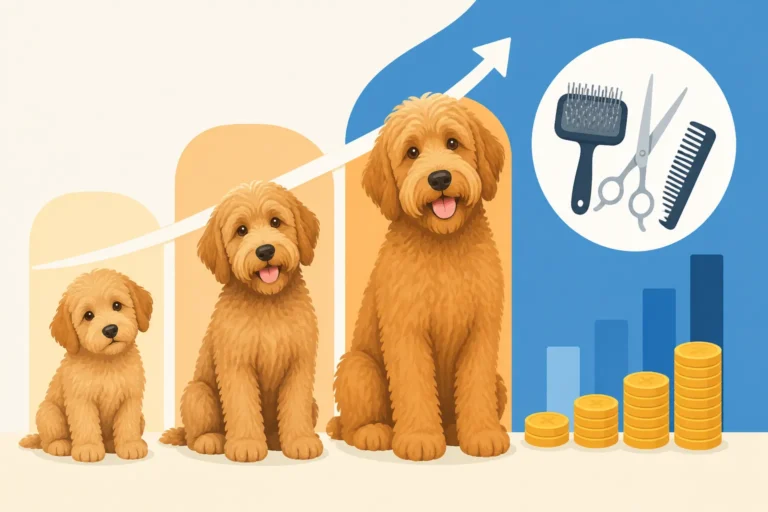
However, a fleece or wool-coated Labradoodle is an entirely different story. These coats, while beautiful and low-shedding, are prone to matting. Mats are not just unsightly; they can be incredibly painful for your dog, pulling on their skin and even restricting movement. To prevent this, these coats require regular, thorough brushing right down to the skin, several times a week. This isn't a quick once-over; it's a dedicated session with specific tools like a slicker brush and a metal comb to ensure no mats are forming. Even with diligent home care, most fleece and wool-coated Labradoodles will need professional grooming every 6-8 weeks.
These professional grooming sessions involve bathing, drying, brushing out, and clipping the coat to a manageable length. Depending on your location and the size of your dog, these can be significant recurring expenses. A wool coat, being the densest and curliest, often demands the most attention and can incur the highest grooming costs. If a wool coat becomes severely matted, a groomer may have no choice but to shave the dog down completely, which can be an unexpected cost and a source of stress for both owner and dog. It's truly a commitment, and it's essential to factor it into your budget. For a practical look at these costs, consider The Yearly Bill on a Fleece Coated Labradoodle or What a Full Groom Costs on a Wool Coated Labradoodle. Retailers like Chewy offer a wide range of grooming tools, from brushes to shampoos, that can help you manage at-home care, but professional services are often indispensable for these coats.
Health Implications Tied to Coat Care
Beyond the direct cost of grooming, there are potential health implications and associated veterinary bills if a Labradoodle's coat is not properly maintained, especially for fleece and wool types. Severe matting can cause a host of problems that go beyond discomfort. The tight pulling on the skin can lead to skin infections, hot spots, and even parasites finding a hidden haven beneath dense mats. These conditions are not only painful for your dog but can also be expensive to treat, requiring veterinary visits, medications, and sometimes sedation for proper mat removal.
Mats can also restrict airflow to the skin, leading to yeast infections, particularly in warm, moist areas like armpits, groin, and under the ears. These infections are itchy, smelly, and require specific treatments. Overgrown hair around the ears, common in these coat types, can trap moisture and debris, making your Labradoodle highly susceptible to chronic ear infections. These can be stubborn to clear up and often require repeated vet visits, specialized ear cleaners, and prescription medications. In extreme cases, chronic ear infections can even lead to more serious issues requiring surgical intervention.
Regular professional grooming and diligent home care aren't just about aesthetics; they're vital preventative health measures. Neglecting them to save a few dollars can lead to far more significant veterinary expenses down the line. Investing in pet insurance, like a plan from Healthy Paws, can be a smart move to help mitigate the financial impact of unexpected health issues that might arise, including those related to skin and ears from improper coat care. It’s also wise to be aware of other potential issues your Labradoodle might face, such as Allergies Behind a Labradoodle's Itching or Yeast Trapped Under a Labradoodle's Coat, which can exacerbate coat-related health problems.
Here’s a quick overview of how coat types compare in terms of general characteristics and costs:
| Coat Type | Appearance/Texture | Shedding Level | Grooming Frequency (Home) | Grooming Frequency (Professional) | Initial Price Tendency | Long-Term Cost Tendency |
|---|---|---|---|---|---|---|
| Hair | Straight, coarser, like a Labrador | Moderate | 1-2 times/week | Rarely (trimming only) | Lower | Lower |
| Fleece | Soft, wavy to spirally curly | Minimal | 2-3 times/week | Every 6-8 weeks | Higher | Moderate to High |
| Wool | Dense, tightly curly, Poodle-like | Very Low | Daily or every other day | Every 4-6 weeks | Higher | High |
Making an Informed Decision: Value vs. Vanity
When you're caught up in the excitement of choosing a new puppy, it's easy to get fixated on superficial traits like coat color or curl pattern. However, a truly informed decision means looking beyond the immediate aesthetics and considering the dog's overall well-being and how it will fit into your life.
Prioritizing Temperament and Health Over Coat
It’s completely understandable to have a preference for a certain Labradoodle look, whether it's a particular color or a fluffy fleece coat. But when it comes to bringing a living, breathing companion into your home for over a decade, temperament and health must always be the absolute top priorities. A beautiful coat won't make up for a dog with severe anxiety, aggression, or chronic health issues.
A reputable breeder will prioritize breeding healthy dogs with sound temperaments above all else. They will meticulously screen their breeding stock for common genetic conditions in both Poodles and Labradors, such as hip and elbow dysplasia, progressive retinal atrophy (PRA), and Addison's disease. They will be transparent about these health clearances and their breeding practices. Focusing solely on coat type can inadvertently lead you to a less responsible breeder who cuts corners on health testing or temperament assessment to cater to market trends. Always ask to see proof of health testing for both parents. A puppy with a "perfect" coat but a questionable genetic background or an unsuitable temperament will ultimately bring more heartache and expense than joy. Remember to ask a breeder for The Health Tests a Labradoodle Breeder Should Show.
Budgeting for the Entire Lifespan of Care
The price you pay for a Labradoodle puppy is just the tip of the iceberg when it comes to the true cost of ownership. It's easy to forget about the ongoing expenses that accumulate over a dog's entire lifespan, which can easily stretch to What Fourteen Years With a Labradoodle Comes To. These costs include quality food, veterinary care, training, supplies, and, as we've discussed, significant grooming expenses depending on your dog's coat type.
For instance, whether you choose a premium kibble, fresh food options like Ollie, or shop for supplies through large retailers like Chewy, feeding a growing and adult Labradoodle is a consistent expense. Puppies especially need careful nutrition, with How Much a Labradoodle Puppy Should Eat Daily being a common question. Routine vet visits, vaccinations, parasite prevention, and unexpected medical emergencies can also add up quickly. Factor in toys, beds, crates, and potentially training classes, and you'll see that the initial purchase price is a relatively small percentage of what you'll invest in your dog over their lifetime. Being realistic about these long-term financial commitments is crucial. It’s far better to have a slightly less "perfect" looking dog that is healthy, happy, and well-cared for than to overspend on a specific coat only to struggle with the day-to-day costs of responsible pet ownership later on. Remember, brushing, not just on the surface but Brushing a Labradoodle to the Skin, Not the Surface, is a critical skill for any owner of a fleece or wool-coated Labradoodle to master to keep those long-term grooming costs manageable and their dog healthy.
Disclaimer
This article is for general informational purposes only and does not constitute professional advice. Laws, prices and regulations vary by location and change over time. Consult a qualified professional for guidance on your specific situation.