Getting a Labradoodle Through Its Coat Change
The dreaded "coat change" is a rite of passage for many Labradoodle owners, often turning that fluffy puppy into a matted mess seemingly overnight if you're not prepared. It's a frustrating, challenging period that can test even the most dedicated dog parent, making you wonder what happened to your easy-to-manage puppy. This guide will walk you through everything you need to know about navigating your Labradoodle's coat change, helping you understand why it happens, what to expect, and how to keep your beloved companion comfortable and mat-free during this crucial developmental phase.
Understanding the Labradoodle Coat Change Phenomenon
This phase is often a mystery to new Labradoodle owners, but it's a completely natural, albeit often inconvenient, part of their development. Imagine your adorable, soft puppy coat slowly giving way to a more substantial, adult coat – it sounds lovely in theory, but the reality is a little more tangled and demanding.
From Puppy Fluff to Adult Fleece (or Wool!)
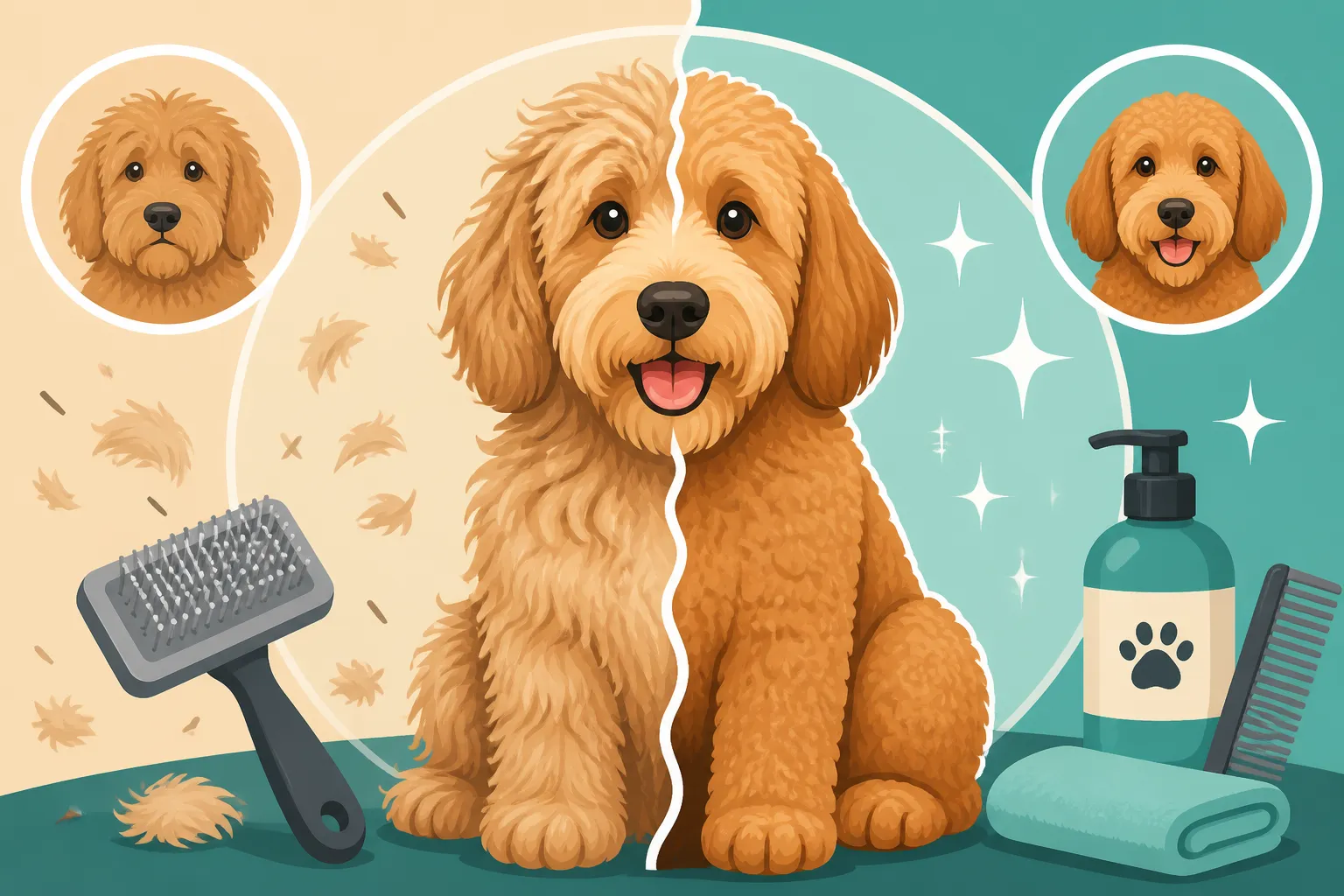
When your Labradoodle is a puppy, their coat is generally softer, thinner, and less dense. It's like a child's fine hair – charming and relatively easy to manage, perhaps requiring a quick brush a couple of times a week. This puppy coat isn't designed for the rigors of adulthood; it's just a placeholder, a temporary covering. As they mature, typically starting in late puppyhood, their body naturally begins producing the denser, often curlier, and more substantial adult coat underneath or intermingled with that puppy fluff. It's a transition that happens in all breeds to some extent, but in doodles, with their unique Poodle-derived coats, it becomes a distinct grooming challenge.
The primary issue here is that the old puppy hair doesn't just fall out cleanly or shed away neatly. Instead, it often gets caught and intertwined with the emerging adult coat. This creates a challenging blend of two different hair textures, lengths, and densities trying to occupy the same space. Think of it like trying to brush out old lint caught in a new, tightly woven, curly sweater – it quickly escalates into a tangled mess. The texture change can be quite dramatic; a straight, wavy puppy coat might become much curlier, or a soft fleece might develop a denser, woolier texture. This blending of two distinct coat types is the fundamental culprit behind the matting mayhem that defines the Labradoodle coat change.
Why the Coat Change Triggers Such Intense Matting
The reason Labradoodles are particularly prone to matting during this period lies in the unique genetic blend of their parent breeds. The Poodle's dense, non-shedding, continually growing coat, combined with the Labrador's double coat heritage (even if the shedding gene is largely suppressed in the Labradoodle), creates a perfect storm for tangles. The shedding puppy coat, rather than simply dropping off the dog's body, gets firmly trapped within the denser, often curlier, new adult coat that is pushing its way through. It's like having two layers of hair trying to occupy the same follicular space, and the friction from natural movement, playing, and even just sleeping then weaves them together into tight, painful knots.
Many owners are caught completely off guard because their puppy's coat was so gloriously easy to manage before. They might have brushed for a few minutes once a week, and everything was fine, leading to a false sense of security. Suddenly, it feels like overnight, they're finding huge, stubborn mats forming behind the ears, in the armpits, and around the collar or harness. This isn't because they're doing anything wrong now; it's simply the nature of the coat change and the inevitable blending of the two coat types. The process is relentless, and without a dramatic and consistent increase in diligent grooming, those cute tangles rapidly become solid, felted patches, which are not only uncomfortable but can lead to serious skin problems.
The Timeline: When to Expect the Great Coat Transition
The coat change isn't a single, abrupt event but a gradual process that typically unfolds over several months. It's not a switch that flips; rather, it's a slow but steady transformation that can easily creep up on an unsuspecting owner. Understanding the general timeline and recognizing the early warning signs can significantly help you prepare and take proactive steps to safeguard your dog's comfort and coat health.
The Typical Age Range for Coat Change Onset
Most Labradoodles begin their coat change between 8 and 12 months of age. However, just like human teenagers, every dog is an individual with their own unique developmental pace. Some might start showing signs as early as 6 months, particularly smaller Miniature Labradoodles, while others, especially larger Standard Labradoodles with slower maturation rates, might not show significant signs until closer to 14 or even 18 months. It's less about a precise birthday and more about their general physical maturation and genetic predisposition to coat growth. This period often aligns with canine adolescence, a time when many other behavioral and physical changes are also occurring, which can definitely add to the feeling of chaos and challenge in the household.
It's common for owners to notice a subtle change in the texture of their dog's fur first. That soft, baby-fine fluff might start feeling a bit coarser or thicker in certain areas, particularly around the chest, legs, or hindquarters. You might also find your brush encountering more resistance, pulling out more dead hair than usual, or catching on small, nascent tangles that weren't there before. These are the critical, early warning signs that the transition is beginning. Don't make the mistake of ignoring them, thinking it's just a temporary shedding; it's your definitive cue to significantly step up your grooming game and prepare for the intensified effort ahead. You can learn more about this specific timing by reading The Coat Change That Hits a Labradoodle at Nine Months.
The Duration and Intensity of the Coat Change
Once it starts, the coat change can last anywhere from a few weeks to several months, sometimes even stretching to a full year for particularly dense or wool-coated Labradoodles. It's not a one-and-done shedding event like some seasonal double-coated breeds experience. Instead, it's a continuous, ongoing process where new adult hair is actively growing in while old puppy hair is struggling to shed out and detangle itself. The intensity can vary greatly between individual dogs; some Labradoodles sail through with only a modest increase in brushing frequency, while others seem to develop new mats within hours of being groomed, feeling like a constant uphill battle.
During this period, owners often report that Whether a Labradoodle Mats Overnight During the Change feels like an accurate, if exaggerated, description of their experience. You might spend a good chunk of time line brushing your dog thoroughly in the morning, only to find new, tight tangles forming by the evening, especially in high-friction areas like behind the ears, in the armpits, or under the collar. The density and curl of the emerging adult coat play a huge role here. A dog with a very soft, wavy fleece might have an easier time than one developing a dense, curly wool coat. Understanding that this is a sustained effort, not a quick fix, is absolutely crucial for maintaining your sanity and ensuring your dog's comfort throughout this challenging, yet temporary, phase. For more on the duration, check out How Long a Labradoodle's Coat Change Lasts.
The Grooming Gauntlet: Challenges and Frustrations
Let's be honest, the coat change is where many new Labradoodle owners throw their hands up in despair. The sheer amount of matting, the significant time commitment required, and the potential for discomfort (and even pain) for your dog can easily turn grooming into a dreaded chore rather than the pleasant bonding experience it once was. This is a common frustration, and you are not alone in feeling overwhelmed by it.
The Matting Menace: Where Tangles Take Hold
Mats don't just appear randomly across your dog's body; they tend to form in specific areas where there's a lot of friction, rubbing, or constant movement, or where the hair is naturally finer and more prone to tangling. These spots are your primary targets for meticulous daily grooming. The most common "hot spots" for matting during the coat change include:
- Behind the Ears: This is almost universally the first place owners notice significant mats. The fine, wispy hair combined with constant head movements, scratching, and rubbing against collars creates perfect conditions for tight tangles to form rapidly.
- Armpits and Groin: Again, the constant friction from leg movement during walking, running, and playing, combined with tender skin and often finer hair, makes these areas highly susceptible. Mats here can be incredibly painful, restricting natural movement and causing chafing.
- Under the Collar/Harness: If your dog wears a collar or harness frequently, the constant rubbing against the coat can quickly felt the hair underneath. It's important to periodically check these areas and ensure proper fit.
- Tail Base and Hocks: Movement of the tail and the natural bending and straightening of the hock joints can lead to matting in these areas, particularly if the hair is longer or finer.
- "Feathering" and Longer Hair: Any areas with longer, wispier hair, such as on the legs, belly, or even the distinctive Labradoodle beard, can become a mat magnet due to their delicate nature and exposure to dirt and moisture.
It's absolutely vital to understand that these mats are not just about aesthetics; they can be incredibly painful and detrimental to your dog's health. They pull tightly on the skin, restrict natural movement, and can act as incubators, hiding painful skin infections, parasite infestations, or other dermatological issues that might go unnoticed until the mat is removed. Imagine having a tight elastic band constantly pulling at your skin with every movement – that's often what a mat feels like to your dog, causing significant distress and discomfort.
The Impact on You and Your Labradoodle
The coat change period can be a real test of patience and endurance for owners. What used to be a quick, pleasant brush can quickly transform into a half-hour battle every single day, or even twice a day, depending on the severity and rapidity of matting. The sheer volume of dead hair that needs to be removed and the stubbornness of the mats can be incredibly frustrating. You might feel like you're constantly grooming, only for new, tenacious mats to reappear almost immediately. This constant battle can lead to several negative outcomes for both you and your beloved Labradoodle:
- Grooming Burnout: It's incredibly easy to get discouraged and overwhelmed by the seeming futility of the effort, leading you to skip crucial grooming sessions. Unfortunately, skipping even one day during the peak of the coat change can set you back significantly, making the problem even worse and harder to tackle later.
- Dog Discomfort and Aversion: If grooming is consistently painful because of existing mats being pulled, your Labradoodle might understandably start to dread the brush, the comb, and even your approach with grooming tools. This can lead to a negative association with grooming and handling in general, making future sessions even more challenging and potentially fostering a distrust that is tough to break.
- Increased Groomer Bills: If you can't keep up with the daily grooming demands, or if the mats become too severe for you to handle safely at home, a professional groomer will have to step in. They will inevitably need to charge significantly more for extensive dematting services, or, in many cases, recommend a complete shave-down. While often necessary for the dog's comfort, this is a solution many owners actively try to avoid, but it becomes the only humane option when matting is severe. You can get a sense of the financial impact by looking into What a Groomer Charges to Dematt a Labradoodle by the Hour.
It's vital to remember that your Labradoodle isn't being "naughty" by matting; it's a natural biological process driven by their genetics. Your role during this challenging phase is to be patient, incredibly consistent, and well-equipped to help them through it with as much comfort as possible.
Arming Yourself: Essential Grooming Tools and Techniques
Navigating the coat change successfully requires not only dedication but also the right tools and a well-informed approach. Skimping on either will almost certainly lead to frustration, pain for your dog, and ultimately, a severely matted Labradoodle. Think of it as investing wisely in your dog's comfort and your own peace of mind during this critical grooming period.
Must-Have Brushes, Combs, and Sprays
You absolutely cannot fight the matting menace with just any old, flimsy brush. You need specific tools designed to penetrate dense doodle coats and work through tangles effectively and safely.
- Slicker Brush: A good quality, firm slicker brush is your primary weapon against tangles. Look for one with long, sturdy pins that can reach all the way down to the skin without scratching it. This brush is excellent for general brushing, fluffing the coat, and carefully working on smaller tangles. Many professional groomers highly recommend brands like Chris Christensen for their durability and effectiveness on doodle coats, and while they might be an investment, they are worth it.
- Metal Comb: This is an absolutely essential tool, often overlooked by new owners. You need a sturdy metal comb with both wide-spaced and fine-spaced teeth. The golden rule is: after brushing any section of the coat thoroughly with the slicker, always follow up with the metal comb, starting with the wide teeth, to ensure you've gotten all the way to the skin and removed all tangles. If the comb glides smoothly from root to tip, that section is truly mat-free. If it snags, there's still a mat that needs your attention. The Slicker, Rake and Comb a Labradoodle Takes has more detailed information on selection.
- Detangling Spray: A high-quality detangling spray or conditioning spray is an invaluable asset. It lubricates the hair shaft, making it significantly easier to brush through tangles without causing breakage, static, or discomfort to your dog. You can find many effective options from reputable pet supply retailers on platforms like Amazon or Chewy. Always spritz the area you're working on before you start brushing, especially on areas prone to stubborn matting.
- Mat Splitter/Dematter: For extremely stubborn, tight mats that resist brushing, a mat splitter or dematting tool can be a lifesaver, but it must be used with extreme caution. These tools have sharp blades designed to cut through a mat, effectively breaking it into smaller, more manageable sections, rather than brushing it out. Improper use can easily cut your dog's skin, which is why if you're unsure how to use one safely, it's always best to ask your professional groomer for a demonstration or let them handle the severe mats.
Mastering the Art of Line Brushing
This is the foundational technique you need to learn and perfect during the coat change. Simply brushing the top layer of your Labradoodle's coat will leave all the problem mats deeply embedded underneath, close to the skin. Line brushing ensures you reach every single strand of hair, all the way down to the root.
Here’s how to master this essential technique:
- Section the Coat Systematically: Begin at the bottom of your dog's leg or flank. With one hand, part the hair horizontally, holding up the top layer of hair firmly so you expose a thin line of skin.
- Brush a Small Section at a Time: With your other hand, take your slicker brush and brush a small section of the coat (about an inch wide, no more) from the exposed skin outwards, using short, gentle, yet firm strokes. Ensure the brush pins are making contact with the skin, but always be careful not to scratch or irritate it.
- Comb Through to Confirm: After thoroughly brushing that small section with the slicker, immediately take your metal comb and comb through it. If the comb glides smoothly from root to tip without snagging, that section is officially mat-free. If it snags or stops, go back with your slicker brush and work out the tangle very gently and patiently until the comb passes through easily.
- Drop More Hair and Repeat: Once that small section is completely clear, drop a little more hair from the section you're holding up, exposing a new line of skin, and repeat the brushing and combing process.
- Systematic Coverage: Continue this methodical approach, working your way up the leg, then moving to another section of the body (e.g., the belly, then the chest, then the back, etc.). Do not forget the tricky, high-friction spots: behind the ears, in the armpits, around the tail base, and the groin area. This technique is undeniably time-consuming and requires patience, but it is absolutely essential for preventing and managing mats during the coat change. Teaching Yourself to Line Brush a Labradoodle is a skill that will serve you well for your dog's entire life.
Strategic Bathing During the Coat Change
Bathing a Labradoodle during the coat change can be a double-edged sword. While it's important for hygiene and overall coat health, improper bathing techniques can make matting exponentially worse, often creating irreversible felted patches. The cardinal rule to remember is: Never bathe a matted dog. Water, especially warm water, will cause mats to tighten and shrink, making them nearly impossible to remove without resorting to shaving. Always ensure your dog is completely mat-free before getting them wet.
If your dog is indeed mat-free (or you've carefully and completely brushed out all tangles before the bath):
- Use a High-Quality Shampoo and Conditioner: Invest in a good quality moisturizing dog shampoo and a rich, hydrating conditioner specifically formulated for canine coats. These products will help keep the coat hydrated, reduce static, and make it more manageable for brushing after the bath. Rinse thoroughly to prevent any product residue, which can attract dirt and cause skin irritation.
- Squeeze, Don't Rub: When applying shampoo and conditioner, gently squeeze the product into the coat rather than vigorously rubbing or scrubbing, which can create new tangles and tighten existing ones. Focus on working the product down to the skin without agitating the hair too much.
- Towel Dry Gently: After rinsing, gently pat and squeeze the excess water out of the coat with absorbent towels. Do not rub the towel aggressively, or you'll quickly create a matting nightmare with the wet hair.
- Force Dryer is Your Friend (and essential!): Investing in a good pet force dryer (not a human hairdryer, which can be too hot and doesn't have enough power) is absolutely critical. You must blow-dry your Labradoodle completely, ensuring the coat is dry all the way down to the skin. Use the dryer to "stretch" the hair as you dry, gently brushing simultaneously to prevent tangles from forming as the coat dries. Air drying a Labradoodle, especially one in coat change, is a recipe for disaster and almost guarantees matting. Focus on Drying a Labradoodle to the Skin After a Bath for best results.
Successfully Navigating the Coat Change: Routine and Support
Getting through the coat change requires unwavering consistency, immense patience, and sometimes, a little help from professionals. It's about establishing a grooming routine that works realistically for both you and your dog, and knowing when it's time to call in the experts. This phase is challenging, but with the right approach, it is entirely manageable.
Establishing a Non-Negotiable Grooming Routine
During the peak of the coat change, you will, without a doubt, need to brush your Labradoodle daily. Yes, that means every single day. Expect to dedicate 30-60 minutes, or even longer if your dog is large or has a very dense coat. This isn't just a suggestion; it's an absolute necessity to prevent painful, severe matting that can quickly overwhelm both of you.
Here’s a sample routine to consider adopting:
- Dedicated Daily Session: Set aside a specific time each day for a thorough line brushing session. Make it a positive, calm experience with plenty of high-value treats and praise to reinforce good behavior. Consistency in timing can also help your dog anticipate and accept the routine.
- Targeted Checks Throughout the Day: Even if you do a full brush, quickly check those persistent "hot spots" like behind the ears, in the armpits, and under the collar multiple times a day. A small tangle caught early is infinitely easier to remove than a full-blown, tight mat that has had time to set in.
- Post-Activity Brush-Through: After a romp in the park, a particularly enthusiastic play session, or especially after a swim (once completely dry and mat-free), give your dog a quick brush-through. Outdoor debris, increased friction from movement, and any lingering moisture are all powerful mat-magnets.
- Consistency is Key: Skipping even one day can set you back significantly during this period, turning minor tangles into major mats. The question of Whether Daily Brushing Is Needed Through the Coat Change is answered with a resounding yes, because the puppy hair is constantly falling out and getting trapped in the growing adult coat.
Make grooming a non-negotiable part of your daily life, just like feeding or walking. It might feel like a huge commitment, and it certainly is, but remember that this intense phase is temporary. Your dedication now will ensure your dog's comfort and health, and will ultimately help you achieve that gorgeous, flowing adult coat you've always dreamed of. For general guidelines, consider How Many Times a Week a Labradoodle Needs Brushing.
When to Seek Professional Grooming Help
Even with the best intentions and the most diligent home grooming efforts, sometimes the coat change is simply too much to handle alone. Do not feel guilty or ashamed about reaching out to a professional groomer; they are experts specifically trained in managing these challenging doodle coats and can be an invaluable resource.
- Pre-Coat Change Trim: Some experienced owners opt for a shorter puppy cut or a slightly shorter overall length just before the coat change is expected to begin. This proactive approach gives you significantly less hair to manage during the most intense matting period, making your daily home grooming much easier.
- Regular Maintenance Grooms: During the coat change, it's highly advisable to schedule professional grooms more frequently than you normally would – perhaps every 4-6 weeks, rather than the usual 8-10 weeks. Your groomer can give a thorough trim, expertly demat any sneaky tangles that have eluded your comb, and maintain a manageable length that prevents the coat from becoming overwhelming. Always be upfront with your groomer about the coat change phase; they'll appreciate the heads-up and can advise on the best approach.
- Emergency Dematting: If you find yourself completely overwhelmed with mats, to the point where they are tight, numerous, and causing your dog discomfort, a professional groomer is your safest and most humane option. They have specialized tools and the expertise to safely remove even severe mats, even if it means recommending a complete shave-down. It's far better for your dog to be shaven and comfortable than to suffer with painful, skin-pulling mats. Remember, a groomer's primary concern is always the dog's welfare and comfort over aesthetics.
Building a good, trusting relationship with a skilled groomer who truly understands Labradoodle coats is an invaluable asset, not just during the coat change but for your dog's entire life. They can offer advice, demonstrate techniques, and provide the much-needed maintenance you might not be able to do at home.
Nutritional Support for a Healthy Coat
While diet alone won't magically prevent matting or completely solve the challenges of the coat change, good nutrition certainly contributes significantly to overall coat health and skin integrity. A healthy coat is always more resilient, less prone to breakage, and generally easier to maintain than a dry, brittle one.
- High-Quality Diet: Ensure your Labradoodle is on a high-quality dog food that provides a complete and balanced diet, rich in essential nutrients, particularly omega fatty acids. Brands like Ollie or other premium dog food options that prioritize whole ingredients and proper fat ratios can actively support skin hydration and coat luster from the inside out. A shiny, healthy coat with strong hair shafts starts with excellent internal nutrition.
- Supplements: Consider adding a fish oil supplement (like salmon oil or a balanced omega blend) to your dog's daily diet. Omega-3 fatty acids are widely known to promote healthy skin hydration, reduce inflammation, and enhance coat luster, potentially making the hair shafts smoother and less likely to tangle. Always consult your veterinarian before adding any new supplements to your dog's regimen, as they can advise on appropriate dosages and ensure there are no contraindications with existing health conditions.
- Hydration: It might seem obvious, but make absolutely sure your dog always has access to fresh, clean water throughout the day. Good hydration is fundamental to overall cellular health, including the health of their skin and the strength of their hair follicles. A dehydrated coat is often a dry, brittle coat that is more prone to static and matting.
A healthy dog with a well-nourished coat will generally fare better and experience less secondary skin issues during the coat change, even if the primary challenge remains the physical act of consistent, thorough brushing.
The Consequences of Neglect: When Mats Take Over
It's incredibly easy to get overwhelmed during the coat change and fall behind on the demanding grooming schedule. However, ignoring the issue or hoping it will resolve itself has serious, often painfully consequences for your Labradoodle, leading to expensive professional interventions and unnecessary suffering. Understanding these risks can serve as a powerful motivator to stay on top of the grooming game.
Severe Matting and Associated Risks
When mats are left unattended for too long, they quickly escalate from minor tangles to dense, impenetrable, felted masses that pull tightly on the skin. These are not merely cosmetic concerns; they pose significant health risks to your beloved companion:
- Skin Irritation and Infections: Trapped moisture, dirt, and debris underneath thick mats create a perfect, humid breeding ground for bacteria and yeast. This can rapidly lead to painful skin infections (pyoderma), irritating "hot spots" (acute moist dermatitis), and general dermatitis. The skin underneath becomes red, inflamed, and intensely itchy, causing your dog further discomfort and leading to excessive scratching, licking, or biting that only exacerbates the problem and can lead to open wounds.
- Restricted Movement and Pain: Severe matting can significantly restrict your dog's natural ability to move comfortably. Mats in sensitive areas like the armpits, groin, or behind the joints can make walking, running, or even lying down painful and difficult. Mats around the ears can affect hearing, pull on the ear canal, and cause chronic ear infections if debris and moisture are trapped Ear Infections Built Into a Labradoodle's Drop Ear. They can also cause discomfort around the eyes, leading to irritation.
- Parasite Infestations: Thick, dense mats provide an excellent hiding place for fleas, ticks, and other external parasites. The mats make it incredibly difficult to detect these pests and even harder to apply topical treatments effectively, allowing infestations to flourish undetected and cause more irritation.
- Hematomas and Bruising: During attempts to remove severe mats, especially if they are pulled aggressively, it can cause significant bruising or even hematomas (blood blisters) under the skin, which are incredibly painful for the dog and require veterinary attention. The skin under severe mats can also become extremely thin and fragile, making it highly susceptible to tears during grooming.
The level of discomfort and outright pain a severely matted dog experiences is considerable and entirely preventable. It's a situation that diligent, consistent grooming can avoid entirely, ensuring your Labradoodle remains happy and healthy.
The Inevitable Shave Down
If your Labradoodle's coat becomes severely matted, to the point where brushing and dematting sprays are no longer effective, humane, or safe for you to attempt at home, the only compassionate solution is often a full shave-down. Professional groomers commonly refer to this as a "kennel cut" or a "shave-off." This process involves using specialized clippers to go underneath the mats, essentially removing the entire coat as close to the skin as safely possible.
While a shave-down might feel drastic or not aesthetically pleasing to some owners, it is a necessary and humane step to immediately relieve your dog's pain and allow their skin to breathe and heal. It provides a clean slate, a fresh start for both you and your dog. After a shave-down, the coat will begin to grow back, and this gives you a crucial opportunity to establish a new, proactive, and consistent grooming routine to prevent any future matting issues. Many owners worry about Whether a Shaved Labradoodle Comes Back Woollier or if the coat will be permanently altered, but generally, the coat will grow back in its natural texture and state over time, though it might feel different initially.
The key after a shave-down is to immediately start fresh with a rigorous and consistent grooming schedule the moment the new coat begins to grow in, even if it's very short. This experience, while perhaps initially upsetting, can serve as a powerful motivator to maintain diligent grooming habits going forward, ensuring your Labradoodle never has to endure the pain of severe matting again.
| Tool Type | Primary Purpose | How It Helps During Coat Change | Critical Usage Note |
|---|---|---|---|
| Slicker Brush | Detangling, removing dead undercoat, fluffing | Penetrates new and old coat to separate trapped hairs. | Use daily in short, gentle strokes, always brushing to the skin. |
| Metal Comb | Final check for hidden tangles, fine detangling | Confirms mat-free status after brushing; identifies missed spots. | Must glide smoothly through coat from root to tip. |
| Detangling Spray | Lubricates hair, reduces friction, eases mat removal | Makes brushing easier and more comfortable, prevents breakage. | Apply directly to matted areas before brushing. |
| Force Dryer | Thorough and quick drying | Prevents mats from forming while wet; opens coat for easier brushing. | Absolutely essential after baths; dry to the skin, not just the surface. |
| Mat Splitter | Breaking down severe, tight mats | Cuts through felted mats, making them manageable (if used safely). | Use with extreme caution; consult a groomer for guidance or intervention. |
The coat change is tough, no doubt about it. But with the right knowledge, the appropriate tools, and a consistent commitment to a daily grooming routine, you and your Labradoodle can absolutely get through it gracefully. It's a temporary phase, and with your dedication, you'll soon have that gorgeous, flowing adult coat you've always dreamed of, without the mats!
Disclaimer
This article is for general informational purposes only and does not constitute professional advice. Laws, prices and regulations vary by location and change over time. Consult a qualified professional for guidance on your specific situation.