Drying a Labradoodle After It Swims
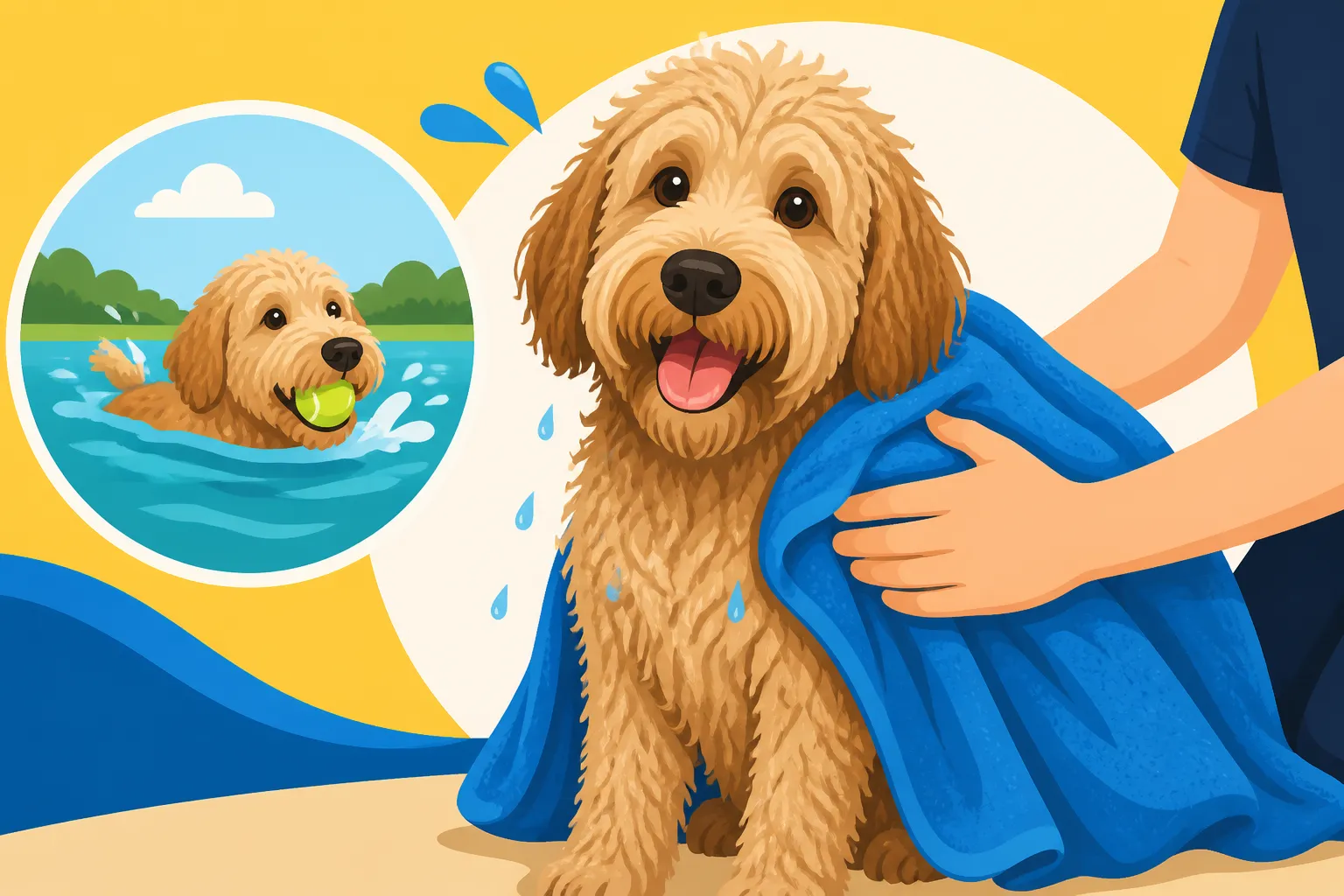
There's nothing quite like the sight of a Labradoodle joyfully splashing in a lake, ocean, or even just a backyard sprinkler. Their playful nature and love for water often make swim time a highlight. But the sheer exuberance of a wet Labradoodle can quickly turn into a grooming nightmare if you're not prepared for the aftermath. That beautiful, fluffy coat, so soft and inviting when dry, becomes a dense, water-logged sponge, ready to tangle, mat, and potentially harbor some unwelcome smells and skin issues. This comprehensive guide will walk you through everything you need to know to dry your Labradoodle thoroughly and efficiently after a swim, ensuring their coat stays healthy and your home stays fresh.
Why Proper Drying is Non-Negotiable for Labradoodles
It might seem like a minor detail, but effectively drying your Labradoodle after a dip isn't just about aesthetics; it's a crucial part of their health and comfort. Neglecting this step can lead to a cascade of problems that are both unpleasant for your dog and a headache for you.
The Matting Nightmare
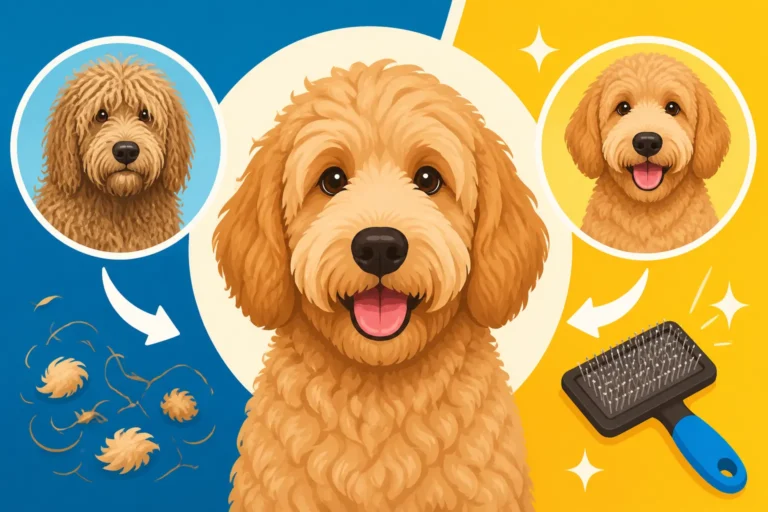
Let's be brutally honest: the Labradoodle's coat, particularly the coveted fleece and wool varieties, is a mat magnet. Add water into the mix, and you've got a recipe for disaster. When your Labradoodle gets wet, their hair clumps together. If this clumped hair isn't thoroughly separated and dried from the skin out, it quickly begins to felt, creating painful mats. These aren't just surface tangles; they can tighten down to the skin, pulling and causing extreme discomfort.
Many owners make the mistake of thinking a quick towel rub is sufficient. While it removes surface water, it often pushes the deeper coat hairs together, accelerating mat formation. The friction from a towel on an already damp, clumping coat can be counterproductive, literally felting the hair closer to the skin. You might send your dog out into the yard feeling mostly dry, only to find a week later that mats have developed in their armpits, behind their ears, or around their tail—areas that often get overlooked.
These mats aren't just an inconvenience; they can be incredibly painful for your dog. They restrict movement, pull on the skin, and can even cut off circulation in severe cases. What starts as a fun swim can end in a painful and expensive trip to the professional groomer for a full shave-down, which no one wants for their beloved companion. Preventing these mats with diligent drying is far kinder and more cost-effective in the long run.
Skin Irritation and Hot Spots
Beyond the discomfort of matting, a damp coat creates the perfect breeding ground for bacteria and yeast. Imagine wearing a wet bathing suit for hours on end; you'd likely develop some skin irritation. It's no different for your Labradoodle. Prolonged dampness against their skin, particularly in areas with dense fur or skin folds, significantly increases the risk of skin infections.
One of the most common and distressing issues is the dreaded hot spot. These are acute moist dermatitis lesions that appear suddenly and can spread rapidly. They are red, inflamed, oozing patches that are intensely itchy and painful for your dog. A wet, dirty, or unventilated coat often triggers them, as the warmth and moisture allow opportunistic bacteria to proliferate. Your dog will lick, chew, and scratch at these spots incessantly, making them worse and creating a vicious cycle.
Treating hot spots and other skin infections often involves veterinary visits, antibiotics, anti-inflammatory medications, special medicated shampoos, and sometimes even Elizabethan collars to prevent further self-trauma. This is a stressful experience for both you and your Labradoodle, all of which can often be avoided with a proper post-swim drying routine. Ensuring the skin is completely dry and aired out is paramount to preventing these miserable conditions.
The Lingering Wet Dog Smell
Ah, the "wet dog" smell. It's almost legendary, and for good reason! While your Labradoodle might emerge from the water smelling fresh, within hours, that distinct, somewhat musty odor can permeate your entire home, your car, and every soft furnishing your dog brushes against. This isn't just "dog smell"; it's a biological phenomenon. The unpleasant aroma comes from microscopic bacteria and yeast that live naturally on your dog's skin and coat.
When your dog's coat gets wet, these microorganisms essentially become more active. As they break down the oils and waste products on your dog's skin and hair, they release volatile organic compounds that create that unmistakable stench. If the coat is allowed to remain damp, especially in the deeper layers where air circulation is poor, these microbes have a party, and the smell intensifies and lingers for days.
A thorough drying process helps to physically remove many of these odor-causing compounds and, crucially, deprives the remaining microbes of the moisture they need to thrive. It also prevents the growth of mildew and mold that can sometimes take root in a perpetually damp undercoat. So, while you might tolerate a little wet dog smell for an hour or two, preventing it from becoming a pervasive scent in your living space is a huge win for everyone involved.
Essential Tools for the Post-Swim Drying Routine
You wouldn't tackle a major home repair without the right tools, and drying a Labradoodle after a swim is no different. Having the proper equipment at hand will transform a potentially frustrating, hour-long struggle into a much more efficient and effective process. Investing in these items is an investment in your dog's health and your sanity.
Absorbent Towels: More Than Just Any Old Cloth
While any old bath towel can do in a pinch, if your Labradoodle is a frequent swimmer, you'll quickly learn the value of super-absorbent towels. Regular cotton towels can feel saturated almost instantly, especially when faced with a standard Labradoodle's dense coat. They just don't wick away water efficiently enough, often leaving a lot of dampness behind.
This is where microfiber towels truly shine. Designed specifically for maximum absorption, microfiber can hold several times its weight in water, pulling moisture away from the coat much more effectively than cotton. They are also softer and tend to be less abrasive, which is better for delicate skin and helps prevent further matting during the initial blot-dry. Keep several on hand, especially for larger dogs or if your Labradoodle has a thick wool coat. You'll go through them quickly!
When using towels, remember the technique: blot, squeeze, and pat. Avoid vigorous rubbing, as this can tangle the coat and contribute to mats. Instead, gently press the towel into sections of the coat, squeezing the water out. For the legs and tail, you can wrap the towel around and gently wring. Imagine trying to dry a standard Labradoodle with one small, flimsy towel after a lake swim – it's like bringing a spoon to a flood! Multiple, good quality towels are a must.
High-Velocity Dog Dryers: A Game Changer
If you take only one piece of advice from this guide, let it be this: invest in a high-velocity dog dryer. This tool is not a human hairdryer in disguise. Human hairdryers blow hot air, which can easily burn your dog's skin, and they lack the sheer power to penetrate a thick Labradoodle coat. They primarily dry the surface, leaving the undercoat damp and prone to matting and skin issues.
A high-velocity dryer, often called a force dryer, works by blasting a strong stream of unheated or minimally heated air deep into the coat. This powerful airflow literally pushes the water off the hair shafts and out of the coat, much like a leaf blower clears leaves. This action also helps to separate the hairs, preventing mats from forming and thoroughly drying the undercoat, which is where most problems originate.
Look for a dryer with variable speed settings, allowing you to start on a lower, less intimidating setting and gradually increase power as your dog becomes accustomed to it. Multiple nozzle attachments can also be helpful for different coat areas. Yes, they can be loud, but with proper introduction, most Labradoodles tolerate them remarkably well, and the time saved – often cutting drying time by half or more – is invaluable. You'll find a wide selection of these dryers on platforms like Amazon, often with helpful reviews from other dog owners.
Brushes and Combs for the Drying Process
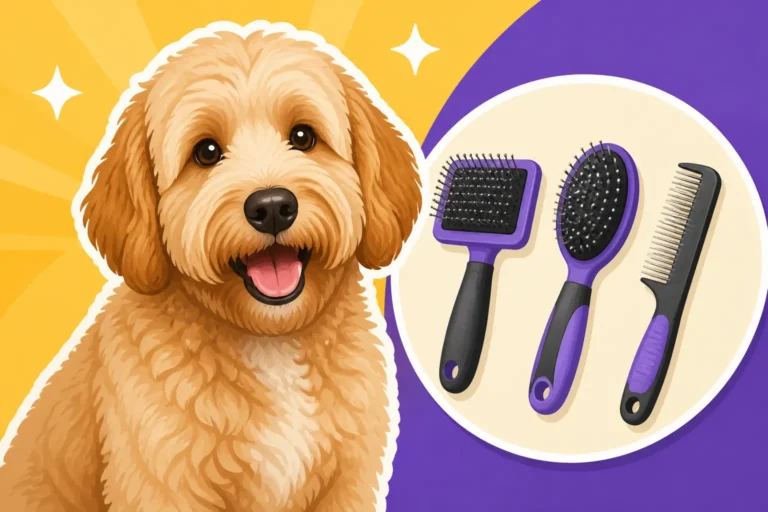
Drying a Labradoodle is not a passive activity where you just point a dryer at them. It's an active grooming process that requires concurrent brushing. Your primary tools here will be a good quality slicker brush and a sturdy metal comb. These aren't just for after the fact; they are integral to the drying itself.
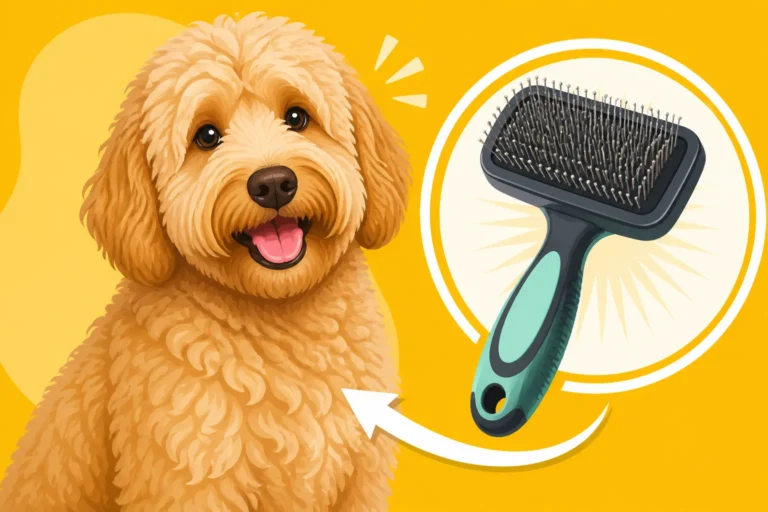
The slicker brush, with its fine, angled pins, is excellent for gently detangling and lifting the coat as you dry. As the force dryer blasts air through a section of hair, the slicker brush helps to open up that section, ensuring the air reaches the skin. This "line brushing" technique is crucial for thoroughly drying every layer of the coat and preventing tangles from setting in. Remember, you want to brush through the coat, not just skim the surface. Brushing a Labradoodle to the Skin, Not the Surface is essential reading for mastering this technique.
A durable metal comb, such as a greyhound comb with both wide and fine teeth, is your ultimate mat-checker. Use the comb to systematically check small sections of your dog's coat for any missed dampness or forming tangles. The comb should glide smoothly through the hair from root to tip. If it catches, you've found a damp spot or a knot that needs further attention with the dryer and slicker brush. These tools, used in conjunction with your force dryer, are what truly ensure a perfectly dry, mat-free finish.
Step-by-Step Drying Protocol for a Soaked Labradoodle
So, your Labradoodle has just bounded out of the water, shaking off droplets like a furry sprinkler. Now it's time to spring into action with a systematic approach. Rushing this process or skipping steps will only lead to frustration later. Following a clear protocol ensures thoroughness and efficiency, leaving you with a happy, dry, and mat-free pup.
Initial Towel Dry: Get the Bulk Off
The very first step, as soon as your Labradoodle exits the water, is to begin the initial towel dry. This isn't about getting them completely dry; it's about removing the vast majority of surface water before you introduce any other tools. Think of it as the first pass, soaking up the major puddles before you bring in the heavy artillery.
Grab those super-absorbent microfiber towels and immediately start blotting and squeezing. Avoid rubbing back and forth aggressively, as this can already start to tangle the wet hair. Instead, press the towel firmly onto sections of the coat, absorbing as much water as possible. Work your way methodically from head to tail, paying special attention to the legs, belly, and tail, which can hold a surprising amount of water.
For their ears, gently squeeze any excess water from the flap and pat the inside. It's crucial to get as much water out as possible before moving on, as it makes the next steps significantly faster and more effective. Don't worry about perfection here; the goal is simply to get them from dripping wet to just damp. Once the towels are soaking wet, swap them out for fresh, dry ones.
Introducing the Force Dryer: Acclimation and Technique
Now comes the star of the show: your high-velocity dog dryer. If your Labradoodle isn't accustomed to it, this step requires patience and positive reinforcement. Start by turning the dryer on its lowest setting, directing the air away from your dog, and offering high-value treats and praise. Gradually, bring the dryer closer, letting them feel the air from a distance before gently moving it over their body. Many dogs are initially wary of the noise and sensation, but with consistent positive experiences, most learn to tolerate or even enjoy it. You can find excellent training treats on sites like Chewy to make this a rewarding experience.
Once your Labradoodle is tolerating the dryer, begin systematically drying their coat. Start at one end of their body – perhaps a back leg or their hindquarters – and work your way forward. Hold the nozzle a few inches from the coat, using one hand to direct the air and the other to lift and separate the hair. The goal is to lift the hair and push the water out, rather than just blasting the surface. Keep the nozzle moving constantly to avoid overheating any one spot, even on a cool setting.
As you dry, work in small sections, making sure to get down to the skin. You'll often see the water literally flying off the coat. Focus on one area until it feels completely dry to the touch, then move to the next. Pay extra attention to dense areas like the ruff, armpits, groin, and behind the ears, which are notorious for staying damp. Listen to the sound of the dryer; it will change from a heavy, muffled sound when the coat is wet to a lighter, airier sound as it dries.
Line Brushing and Finishing Touches
The final stage of drying involves combining the force dryer with your slicker brush and metal comb for a truly thorough, mat-free finish. This is where line brushing comes into play. As you continue to use the force dryer on a section of the coat, use your slicker brush to methodically brush that section from the skin out. Hold the hair up with one hand, brush a small layer down to the skin, and then release another layer above it, repeating the process. This ensures every single hair shaft is exposed to the airflow and dried completely. The Line Brushing a Labradoodle Coat Needs is a fantastic resource if you need to refine this technique.
Once a section feels dry, take your metal comb and run it through the hair, from the skin out. The comb should glide through smoothly without catching. If it snags, you've found a damp spot or a beginning tangle that needs further attention with the dryer and slicker brush. Be meticulous in areas where mats commonly form: behind the ears, in the armpits, on the insides of the legs, and around the tail. These spots are often overlooked, leading to painful mats forming unnoticed.
Don't just dry until the top layer feels fluffy; run your fingers down to the skin. If it's still cool or damp, keep going! A truly dry Labradoodle coat should feel light, airy, and fluffy, with no lingering coolness at the base of the hair. Once you're confident the entire coat is dry, give them one last good comb-through to ensure absolute smoothness, and then shower them with praise for being such a good sport!
Special Considerations for Labradoodle Coats
The Labradoodle's diverse coat types mean that not all drying routines are created equal. While the general principles apply, understanding the nuances of your dog's specific coat will help you tailor your approach for optimal results. Each coat presents its own set of challenges and demands specific attention.
Wool and Fleece Coats: The Matting Magnets
If your Labradoodle sports the classic wool or fleece coat – those wonderfully soft, curly, and often non-shedding textures – you know the grooming commitment they demand. These coats are, unfortunately, the undisputed champions of matting when wet. The dense, interwoven nature of their curls means that water causes the hair to clump tightly, and if not thoroughly separated and dried, these clumps quickly become painful felted mats.
For wool and fleece coats, the high-velocity dryer is not just recommended; it's practically mandatory. A towel dry alone simply won't cut it, as it will inevitably leave dampness deep within the dense curls, leading to matting that can become solid overnight. You'll need to be extra vigilant with your line brushing and comb checks, ensuring you penetrate every layer of that thick coat. The Fleece Coat and Why Breeders Aim For It and The Wool Coat Labradoodle and Its Upkeep highlight why these coats are so prone to issues if neglected.
Pay particular attention to areas of friction, such as the collar area, under the harness, armpits, groin, and behind the ears. These are hotbeds for mat formation, especially when damp. Your drying routine for a wool or fleece coated Labradoodle will likely take longer and require more elbow grease, but the payoff is a healthy, comfortable, and beautiful coat. Skipping steps here almost guarantees a battle with mats down the line.
Hair Coats: Still Need Attention
While less common, some Labradoodles inherit more of the Labrador's "hair coat," which tends to be straighter and sheds more. Owners of these dogs might breathe a sigh of relief, thinking they're immune to the matting struggles. While it's true that hair coats are less prone to the severe felting mats seen in wool and fleece, they are by no means maintenance-free after a swim.
A hair-coated Labradoodle can still develop tangles, especially if they have some wave or feathering. More importantly, prolonged dampness in any coat type can lead to skin irritation, hot spots, and that pervasive wet dog smell. The hair coat, while not matting as densely, can still hold moisture close to the skin, creating a warm, damp environment for bacteria and yeast to thrive.
So, even if your Labradoodle has a hair coat, don't skimp on the drying routine. A good towel dry followed by a thorough blow-dry with a force dryer will still benefit their skin health, reduce tangles, and prevent lingering odors. It will also help to blow out any loose shedding hair, which can make your home cleaner in the long run. The process might be quicker than for a wool-coated dog, but the principles of drying to the skin remain the same.
Grooming Between Professional Appointments
For many Labradoodle owners, professional grooming appointments are a regular part of their dog's care schedule, typically every six to eight weeks. These sessions are crucial for maintaining the coat's health and preventing mats. However, life (and swims!) happen between these appointments. It's a common misconception that if your dog is professionally groomed, you can neglect home care after a swim. This couldn't be further from the truth.
Think of your post-swim drying routine as a mini-grooming session. It's an opportunity to reinforce good coat care habits and prevent small tangles from escalating into full-blown mats that your groomer will have to shave out. A single swim, if not followed by thorough drying, can undo weeks of careful professional grooming and lead to a coat that's challenging to manage. The Six to Eight Week Clock on a Labradoodle's Coat illustrates just how quickly a coat can get out of hand.
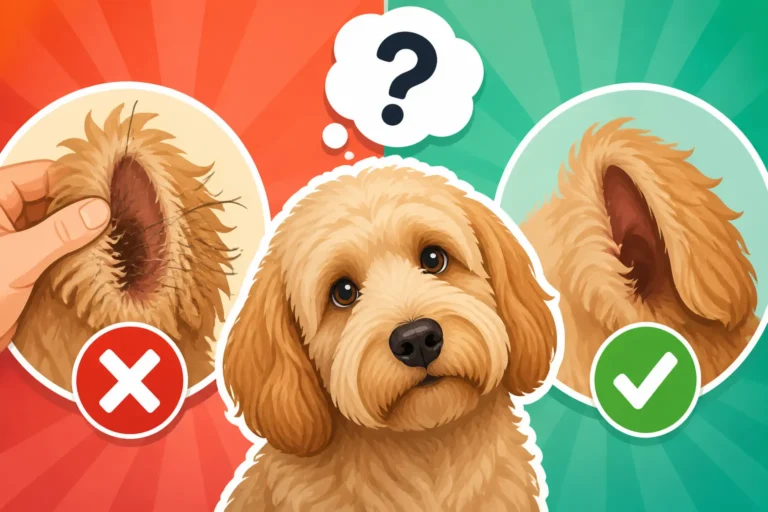
Your groomer will thank you – and your wallet will too – if you keep mats at bay between visits. If your Labradoodle swims frequently, you might even consider asking your groomer for tips on specific areas to focus on for drying, or techniques to keep the coat manageable. Consistent home care, especially after getting wet, is the bridge that keeps your Labradoodle's coat in prime condition between professional grooms. This also includes paying attention to areas like their ears; The Hair That Grows Where a Labradoodle's Ear Should Drain often contributes to moisture retention and infections if not managed.
Preventing Future Drying Headaches
Dealing with a soggy Labradoodle, the ensuing mats, and the potential skin issues can feel like an endless battle. But with a proactive approach, you can significantly reduce future drying headaches. Prevention is always better than cure, and by incorporating a few extra steps into your regular care routine, you can make post-swim drying much easier for both you and your beloved companion.
Conditioning for Easier Drying
Just like human hair, a dog's coat can benefit immensely from conditioning, especially if it's prone to tangling and matting. A good quality leave-in conditioner or a rinse-out conditioner (used during bath time, before a swim if possible) can make a world of difference. These products work by smoothing the hair cuticle, making each strand silkier and less likely to snag and tangle with its neighbors.
Think of conditioner as adding a protective, slippery layer that helps water bead off and brushes glide through. This not only makes the initial towel dry more effective but also allows the force dryer to work more efficiently, as the air can move through the coat with less resistance. When the individual hair shafts are smooth, they're less likely to grab onto each other and form knots when wet.
There are many excellent dog-specific conditioners available, some of which you might find on specialized pet supply sites like Ollie, or at your local pet store. Look for formulas designed for long or curly coats, and always ensure they are safe for canine use. Regular conditioning, either during baths or as a light spray-in before a swim, can significantly reduce the effort required for post-swim drying and detangling.
Regular Grooming as a Preventative Measure
You simply cannot expect a heavily matted or overgrown coat to dry easily or thoroughly, no matter how powerful your dryer is. Regular grooming, both at home and professionally, is the absolute bedrock of preventing drying problems. A well-maintained coat, free of existing tangles and at a manageable length, is exponentially easier to dry after a swim.
Consistent daily or weekly brushing sessions at home help to remove loose hair and prevent small tangles from becoming solid mats. This keeps the coat "open" and allows air to penetrate easily during drying. Professional grooming every six to eight weeks ensures the coat is trimmed to a manageable length, especially in problem areas like the armpits, ears, and groin, where moisture tends to linger and mats form quickly.
Consider the length you keep your Labradoodle's coat. A longer coat, while beautiful, will naturally take longer to dry and be more prone to matting. Discuss with your groomer the ideal length for your dog's lifestyle, especially if they are frequent swimmers. A slightly shorter clip can dramatically reduce drying time and matting risk without sacrificing their signature "doodle" look. This includes meticulous ear care; Cleaning a Labradoodle's Ears After Swimming is vital to prevent infections that can arise from excess moisture and hair.
Acclimating Your Labradoodle to the Process
Let's face it, for some dogs, the dryer can be a scary beast. The noise, the powerful air, and the confined space can be overwhelming. But making drying a positive, or at least neutral, experience is key to stress-free post-swim care. If your Labradoodle dreads the dryer, you'll dread drying them, and corners will be cut, leading to problems.
Start early with puppies, introducing them to the sights and sounds of the grooming tools. For an adult dog fearful of the dryer, begin with a desensitization process. Turn the dryer on in another room, letting them hear the sound from a distance while you offer treats and praise. Gradually bring the dryer closer, keeping it off initially, allowing them to sniff and investigate. Then, turn it on at the lowest, coolest setting, directing the air away from them, and continue with high-value treats and gentle praise. Starting Grooming Handling on a Labradoodle Puppy and Desensitizing a Labradoodle to the Clipper Vibration offer excellent strategies for this.
Keep sessions short and positive. If they show signs of stress, take a break and try again later. Never force them or make the experience negative, as this will only exacerbate their fear. Consistency and patience will pay off, turning what could be a wrestling match into a routine both you and your dog can tolerate, or even enjoy. Building this positive association early will save you countless headaches down the line.
Troubleshooting Common Drying Problems
Even with the best intentions and the right tools, you might still encounter challenges when drying your Labradoodle after a swim. It's completely normal, and understanding how to troubleshoot these common problems will help you address them effectively and prevent them from spiraling into bigger issues.
Dealing with a Matted Dog After a Swim
The worst-case scenario: you've misjudged the drying, or life got in the way, and you discover solid mats in your Labradoodle's coat a day or two after a swim. The absolute worst thing you can do is try to aggressively brush out tight, felted mats on a wet or even slightly damp dog. This only pulls on their skin, causes immense pain, and tightens the mats further, making them impossible to remove without cutting.
If you find mats, especially after they've been wet, the priority shifts. First, ensure the dog is completely dry. You can use a bit of cornstarch or a detangling spray on the dry mat to help lubricate the hair. Then, working with a steel comb, try to gently tease apart the very edges of the mat, working from the outside in. Use the fine teeth of the comb to slowly pull away small strands of hair, never pulling directly on the skin.
For large, tight, or widespread mats, it's crucial to seek professional help. A skilled groomer has specialized tools and techniques to safely remove mats, often with a close shave underneath the mat, which saves your dog from unnecessary pain. Trying to remove severe mats at home with scissors is incredibly dangerous and can easily lead to accidental cuts and costly vet visits. Be honest with your groomer about the matting; they're there to help. Whether a Tight Matted Labradoodle Has Any Other Option gives a deeper look into this scenario.
Labradoodle Hates the Dryer
It's a common complaint: "My Labradoodle hates the dryer!" Many dogs are initially spooked by the noise, the powerful blast of air, and the overall sensation of a high-velocity dryer. It's important to remember that this isn't a reflection of your dog being "bad"; it's a natural, instinctual response to something loud and unfamiliar.
If your Labradoodle has a strong aversion to the dryer, revisit the acclimation steps with extra patience. Start from scratch: low volume, far away, high-value treats. You might need to use calming aids, such as calming chews, or even a Thundershirt for extra comfort during the initial stages. Some owners find success by drying in a smaller, quieter room or using ear protection for their dog (like a Happy Hoodie).
Break down the drying process into very short sessions, even just a minute or two at a time, followed by a rewarding break. Focus on making every interaction with the dryer a positive one. If they tolerate the sound for 30 seconds, reward them heavily and stop. Slowly build up their tolerance over days or weeks. Consistency is key, and never losing your temper or forcing them will ensure you eventually overcome this hurdle.
Still Smells Wet After Drying
You've spent what feels like an eternity drying your Labradoodle after a swim, only to discover that familiar, tell-tale damp smell lingering, especially when they shake or settle down. This is usually a clear sign that, despite your best efforts, you've missed a spot – or many spots! The most common culprit is incomplete drying of the undercoat, particularly in dense areas or those hard-to-reach places.
If your Labradoodle still carries that damp scent, it's time to re-evaluate your drying technique. Are you truly line brushing down to the skin? Are you using your metal comb to check every section thoroughly? Focus on the dense areas like the ruff, armpits, insides of the legs, and the base of the tail. These areas are prone to holding moisture, and if left damp, they'll allow those odor-causing microorganisms to flourish.
Consider if your dog's skin health is contributing. Sometimes, underlying skin issues, allergies, or yeast infections can exacerbate the wet dog smell. If you're consistently drying thoroughly and the smell persists, a vet visit might be in order to rule out any medical conditions. Additionally, make sure your dog is clean before swimming if possible; Washing a Labradoodle Without Wrecking the Coat can remove dirt and oils that bacteria feast on. However, for most situations, an enduring damp smell simply means you need to go back over their coat with that force dryer and comb.
| Drying Method | Pros | Cons | Ideal For |
|---|---|---|---|
| Absorbent Towels | Quick initial water removal; portable; no noise; low cost; less intimidating for nervous dogs | Ineffective for thorough drying of thick coats; contributes to matting if not followed by brushing; can leave dog damp to the skin | Surface drying; quick touch-ups; initial soak-up; travel |
| Human Hairdryer | Accessible; some heat can speed drying of small areas; familiarity for some owners | Insufficient airflow for thick coats; significant risk of overheating/burning skin; high risk of matting; takes too long; motor burnout risk | Small, thin-coated dogs; specific small damp patches (with extreme caution and cool setting) |
| High-Velocity Dryer | Highly effective for thorough drying, including undercoat; prevents mats; fast; promotes healthy skin; removes loose hair | Initial cost; noise can be an issue requiring acclimation; not portable without power; requires active technique (line brushing); can be bulky | All Labradoodle coats (especially fleece and wool); preventing mats and skin issues; grooming at home |
Disclaimer
This article is for general informational purposes only and does not constitute professional advice. Laws, prices and regulations vary by location and change over time. Consult a qualified professional for guidance on your specific situation.