A Labradoodle That Snaps at the Dryer
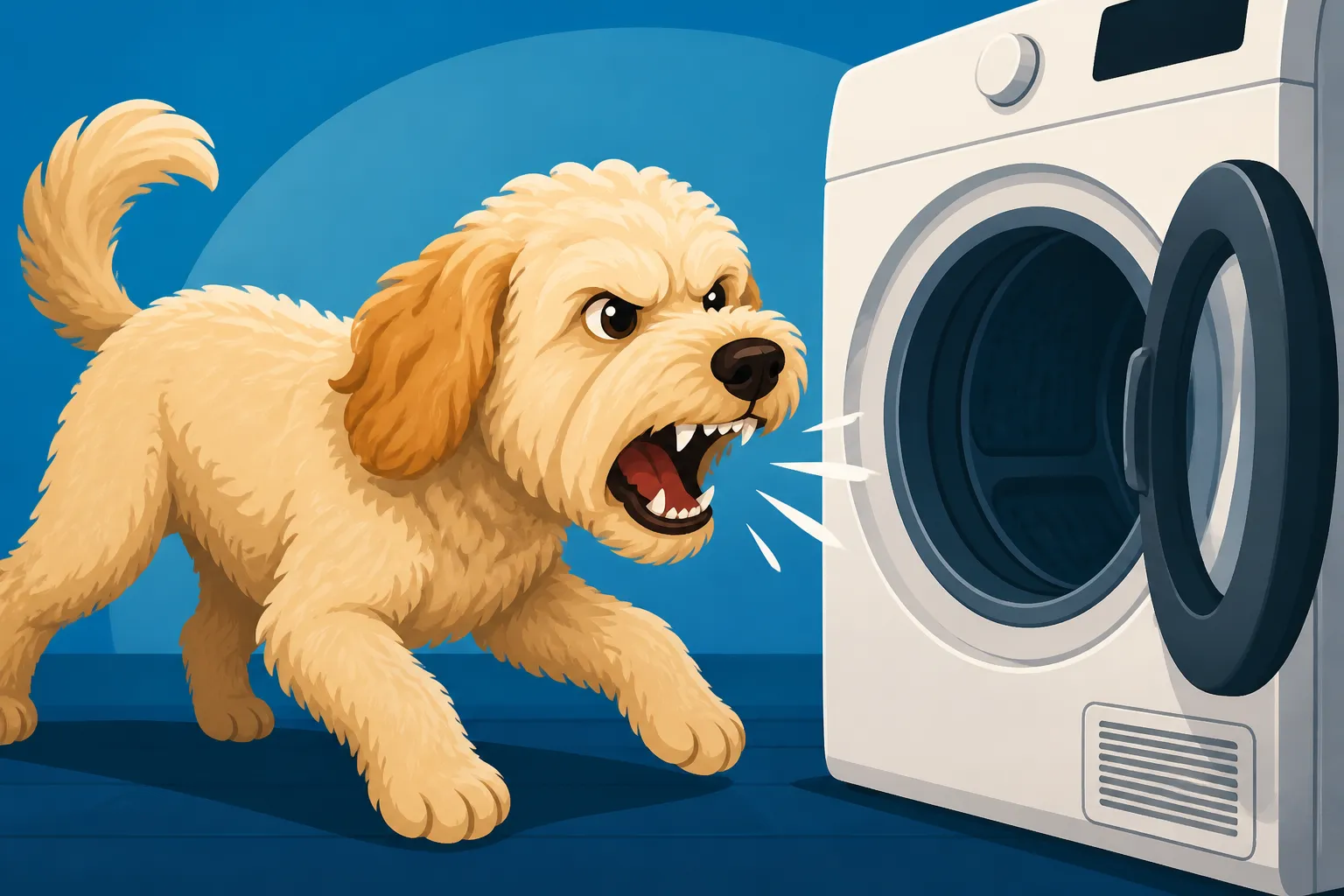
There are few things more frustrating for a Labradoodle owner than facing a dog that absolutely loses its mind at the mere sight or sound of the dryer. You’ve just given your beloved pup a much-needed bath, only to have the post-bath drying turn into a wrestling match, complete with frantic struggling, fearful yelps, or even outright snapping. This isn't just inconvenient; it's genuinely stressful for both of you, making regular grooming a dreaded chore. This guide will walk you through understanding why your Labradoodle might be reacting this way and provide actionable steps to help them overcome their fear of the dryer, making future grooming sessions much more pleasant.
Understanding Why the Dryer Becomes a Monster to Your Labradoodle
It’s easy to think our dogs are just being difficult, but when a Labradoodle snaps at the dryer, it’s almost always rooted in fear, discomfort, or a lack of positive association. Their world is much more intensely experienced through their senses than ours, and what seems like a minor inconvenience to us can be a full-blown assault for them.
The Sensory Overload: Noise, Airflow, and Vibration
Imagine a loud, roaring machine blasting hot air at you, vibrating uncontrollably, all while you're feeling wet and vulnerable. That's a pretty good approximation of what a dryer can be like for a dog. Labradoodles, with their Poodle heritage, can be quite sensitive to sounds, and the high-pitched whine or powerful roar of a dryer can be genuinely alarming to their more acute hearing.
Beyond the noise, there's the intense, unfamiliar sensation of the airflow. It's not just a gentle breeze; it's a direct, sometimes strong current of air that can feel intrusive. If it’s a warm or hot setting, it can quickly become uncomfortable, or even painful on sensitive skin. Then, add in the vibration from the motor, which dogs can feel through the floor, a grooming table, or even through your hands if you're holding them. This trifecta of overwhelming sensory input — loud noise, strong airflow, and vibration — creates a perfect storm for a fearful reaction. It's not unlike a child terrified of a vacuum cleaner; it's an alien, noisy, moving object.
Past Negative Experiences and Lack of Early Exposure
Often, a Labradoodle's fear of the dryer stems from one or more negative experiences. Perhaps their first encounter was rushed, too loud, too hot, or simply too long. A puppy, especially, might not have been properly introduced to grooming tools, including the dryer, in a slow, positive way. If a groomer or owner, even with the best intentions, has ever forced a scared dog through a drying session, that single event can cement a lifelong aversion.
Think about it: if every time you went to the dentist, it was a painful, rushed experience, you'd probably start dreading it too. Dogs learn through association, and if the dryer is consistently associated with unpleasant sensations or fear, their response will predictably be one of avoidance or aggression (like snapping). This is especially true for Labradoodles, who often need extensive grooming due to their unique coats, whether it's The Fleece Coat and Why Breeders Aim For It or The Wool Coat Labradoodle and Its Upkeep. If early experiences were lacking or negative, by the time they're a few months old, a solid fear can already be established, making subsequent drying even harder.
Unintentional Reinforcement of Fear
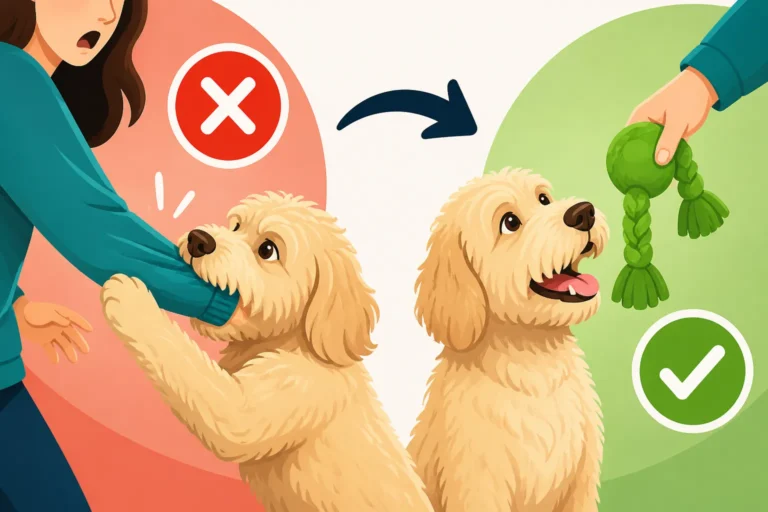
Sometimes, as loving owners, we inadvertently make the problem worse. When your Labradoodle growls or snaps at the dryer, your natural instinct might be to comfort them, give them treats to soothe them, or quickly stop the dryer to end their distress. While these actions come from a place of love, they can actually reinforce the very behavior you want to change.
From your dog's perspective, if they snap and you stop the scary thing or give them a treat, they learn that snapping works to make the scary thing go away or to get a reward. This isn't to say you should punish fear; quite the opposite. But understanding how dogs interpret our reactions is crucial. We need to replace the negative association with a positive one, without rewarding the fearful reaction itself. It requires a delicate balance of patience, careful timing, and consistency, much like Teaching a Labradoodle to Lie Still for a Ninety Minute Groom.
Step-by-Step Desensitization: Turning the Dryer Into a Friend
Overcoming a fear of the dryer isn't a quick fix. It requires a structured, patient approach called desensitization and counter-conditioning. The goal is to gradually expose your Labradoodle to the dryer in such small increments that they don't react fearfully, while simultaneously creating positive associations.
Starting From Scratch: The Dryer as a Harmless Object
Before you even think about turning the dryer on, your Labradoodle needs to view it as a neutral, or even positive, object. Start by simply placing the unplugged dryer on the floor in a room where your dog feels comfortable. Don't push it on them; let them investigate it at their own pace. Each time they approach it, sniff it, or even just look at it calmly, offer a high-value treat. Drop the treat near the dryer, not on it, so they associate the presence of the dryer with good things.
Repeat this several times a day for a few days, keeping sessions very short (a minute or two). The idea is to build a positive mental picture. Once they're comfortable with the inert dryer, plug it in but don't turn it on. Again, reward calm interest. Next, very briefly, turn it on the lowest setting, perhaps in another room or far away, for just a second, then turn it off and immediately give a treat. The key is to keep the sound so low and brief that your dog barely registers it, or reacts with curiosity rather than fear. You’re aiming to keep them "under threshold" – meaning they don't get scared enough to react negatively. This foundational work helps your Labradoodle understand that this machine isn't a threat.
Gradual Exposure to Sound and Sensation
Once your Labradoodle is relaxed with the dryer briefly turning on and off at a distance, you can start to gradually increase the exposure. This is where patience is truly a virtue. You'll want to slowly:
- Increase Duration: Instead of just one second, try two, then three, always turning it off before your dog shows any signs of fear. Reward heavily with treats and praise when it's off.
- Decrease Distance: Move the dryer a foot closer each session, always observing your dog's reaction. If they show any stress (ears back, tail tucked, panting, stiff body), you've moved too fast; go back a step.
- Increase Volume/Setting: If using a variable speed dryer (highly recommended, see below), slowly increase the power setting. Again, tiny increments.
During these sessions, use high-value rewards – think small pieces of cooked chicken, cheese, or squeeze-tube treats. Some owners find success with Lickimats spread with peanut butter or cream cheese, which can keep a dog distracted and positively occupied. You could even integrate this into an online training program, like those offered by BAXTER & Bella, which often emphasize positive reinforcement for everyday tasks. Remember, the goal is for your dog to associate the sound and presence of the dryer with something wonderful, like delicious food or a fun game. Short, positive sessions are far more effective than long, stressful ones.
Introducing the Airflow and Full Body Experience
When your Labradoodle is completely comfortable with the dryer running nearby at a moderate setting, it’s time to introduce the actual airflow. Start by directing the airflow away from your dog, slowly moving it towards them, beginning with a less sensitive area like a paw or leg. The key here is extreme gentleness and continuous reward.
- Gentle Touch: Start with a very low setting, gently wafting the air onto a single paw for a second, then turning off the dryer and giving a treat.
- Slow Progression: Gradually move to other paws, then the legs, body, and eventually the head area (which can be particularly sensitive). Always watch your dog's body language. If they pull away or show discomfort, stop, reassure them, and try a less intense area or a shorter duration next time.
- Full Body Coverage: As they become accustomed to the air on different parts of their body, you can increase the duration and coverage. This is where a grooming table can be incredibly helpful for stability and control. For a Labradoodle, who requires thorough drying to prevent matting and skin issues, getting them comfortable with the process is vital. This gradual introduction helps prevent them from becoming matted. Remember to take breaks, offer water, and keep the environment calm and positive throughout the entire process.
Practical Tools and Techniques to Make Drying Less Stressful
Having the right tools and employing smart techniques can make a world of difference when desensitizing your Labradoodle to the dryer and maintaining their coat.
Choosing the Right Dryer and Grooming Setup
The type of dryer you use can significantly impact your Labradoodle's experience. While a human hairdryer might seem convenient, it often has limited settings, gets too hot, and can easily overheat your dog's skin. Specialized pet force dryers, on the other hand, are designed with powerful motors that move a high volume of air at lower temperatures, making them safer and more efficient for drying a dog's thick double coat.
| Feature | Human Hair Dryer | Pet Force Dryer (e.g., from Amazon) |
|---|---|---|
| Airflow Power | Low to moderate | High to very high |
| Heat Control | Often high heat, can overheat skin | Variable heat, often ambient or low heat for safety |
| Noise Level | Can be high-pitched and alarming | Can be loud, but lower frequency (less piercing) |
| Efficiency | Slow, can leave undercoat damp | Fast, penetrates thick coats, prevents matting |
| Settings | Usually few speed/heat options | Variable speed, sometimes variable heat |
| Durability | Not designed for continuous pet use | Built for heavy-duty, continuous pet grooming |
| Dog Comfort | Risk of overheating, can be irritating | Safer temperature, but initial noise desensitization is crucial |
While a force dryer might seem intimidatingly loud at first, its variable speed settings allow for the slow desensitization process described above. Many can be purchased through online retailers like Amazon, giving you a wide selection of models. A sturdy grooming table can also make a huge difference, providing a stable, elevated surface that prevents your dog from wiggling away and allows you to reach all areas more easily. Ensuring the table has a secure grooming arm and loop will keep your dog safely in place (without causing discomfort or fear, mind you) while you work.
Grooming Before the Bath and After
Proper preparation before and after the bath is crucial for a positive drying experience, especially for a breed known for its mat-prone coat.
- Pre-Bath Brushing: Never skip this step. A matted coat will hold water, take forever to dry, and tighten significantly as it dries, causing discomfort and making drying even more miserable. Thoroughly Brushing a Labradoodle to the Skin, Not the Surface before the bath will ensure any tangles are removed, allowing the water to penetrate and, more importantly, the air to dry efficiently. Use a good quality slicker brush and a metal comb to ensure you get all the way down to the skin. This also helps you prepare for what happens when The Coat Change That Hits a Labradoodle at Nine Months as the puppy coat blows.
- Thorough Towel Drying: After the bath, squeeze as much water as you can out of the coat with your hands, then use super absorbent towels. "Blot" or "pat" the coat dry rather than rubbing vigorously, which can create tangles. Many owners swear by microfiber pet towels for their superior absorbency. The less water in the coat before you introduce the dryer, the quicker and less stressful the drying process will be. Some even wrap their Labradoodles in a "happy towel" for a few minutes with a treat, associating it with comfort.
Seeking Professional Help When You're Stuck
If despite your best efforts, your Labradoodle continues to exhibit extreme fear or aggression towards the dryer, don't hesitate to seek professional help. This isn't a sign of failure; it's a smart decision for your dog's well-being and your own sanity.
A professional groomer experienced in working with fearful dogs can often use specialized techniques and tools, or simply a different approach, that can make a breakthrough. They might have a quieter drying setup, use calming wraps, or have a specific method for handling anxious dogs that you haven't considered. They might also be able to complete a quick, efficient dry that minimizes stress, demonstrating to your dog that the process doesn't have to be terrifying. Similarly, a certified professional dog trainer or veterinary behaviorist can provide tailored guidance on behavior modification, especially if the fear is severe or manifesting as aggression. They can assess your dog's specific triggers and help you devise an even more detailed desensitization plan. Sometimes, just a few positive experiences with an expert can shift your Labradoodle's perspective. What a Groomer Does With a Labradoodle That Will Not Stand or Whether Sedation Is Ever Right for Grooming a Labradoodle are questions best discussed with professionals in these situations.
Disclaimer
This article is for general informational purposes only and does not constitute professional advice. Laws, prices and regulations vary by location and change over time. Consult a qualified professional for guidance on your specific situation.