What Share of Labradoodles Wash Out of Service Training
The dream of having a Labradoodle as a service dog is a powerful one, often born from their reputation for intelligence and a seemingly calm demeanor. However, the reality of service dog training is incredibly rigorous, and unfortunately, not every dog, no matter how wonderful, possesses the unique combination of traits needed to succeed. Many Labradoodles, despite their potential, will ultimately "wash out" of formal service dog programs, leaving their hopeful owners wondering why and what this means for the dog's future. This guide aims to shed light on the demanding journey of a service Labradoodle, the common reasons for dogs washing out, and how to approach the process with realistic expectations and proactive support.
The Rigorous Path to Becoming a Service Labradoodle
Becoming a service dog isn't just about being smart or friendly; it requires an almost superhuman level of focus, resilience, and adaptability. Service dogs are not pets with special privileges; they are working animals whose tasks can be life-saving for their human partners. The path to achieving this status is long, expensive, and filled with hurdles designed to ensure only the most suitable candidates make it through.
Beyond the "Doodle" Reputation
It's true that the Labradoodle was initially conceived with service work in mind, specifically as an allergy-friendly guide dog. Why a Labradoodle Was Bred to Be a Guide Dog The Labrador Retriever brings a strong work ethic, eagerness to please, and retrieving drive, while the Poodle contributes intelligence, trainability, and that desirable low-shedding coat. On paper, it sounds like the perfect combination. However, breeding two different dogs, even with ideal traits, doesn't guarantee every puppy inherits the best of both worlds in a consistent manner. Each individual Labradoodle puppy is a unique genetic lottery, and while many are incredibly loving and intelligent pets, only a small percentage will have the specific blend of temperament and aptitude required for the intense demands of service work. Temperament, rather than breed, becomes the defining factor.
The Intense Demands of Public Access and Task Work
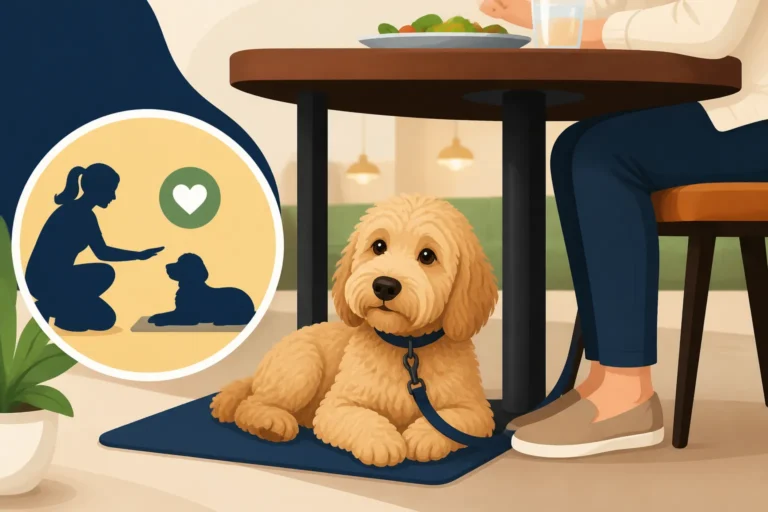
Imagine a dog navigating a bustling airport, ignoring dropped food, loud announcements, rushing crowds, and even other animals, all while staying perfectly attentive to its handler and performing specific tasks like retrieving a dropped item or guiding them around an obstacle. This isn't just a trick; it's a lifestyle. Service dogs must maintain impeccable behavior in every conceivable public environment, from quiet libraries to noisy grocery stores, without faltering. What Public Access Training Asks of a Labradoodle
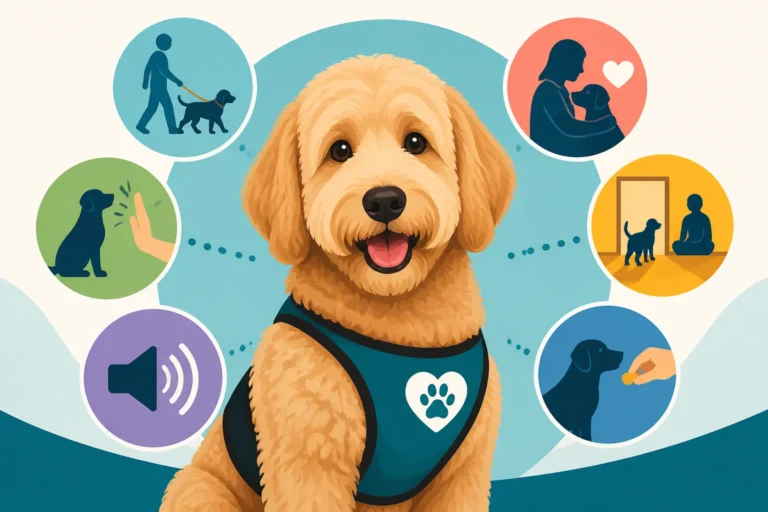
Beyond public access, service dogs are trained to perform specific tasks tailored to their partner's disability. This could be anything from deep pressure therapy for anxiety, alerting to a medical condition, or retrieving medication. These tasks require precise training, reliable execution, and a dog that can stay engaged and motivated even when tired or distracted. The sheer volume and complexity of commands, coupled with the need for near-perfect execution in any situation, places an immense burden on the dog's mental and emotional fortitude.
Primary Reasons Labradoodles May Not Make the Cut
When a Labradoodle, or any dog, "washes out" of a service dog program, it's rarely due to a lack of effort on the dog's part. It almost always comes down to a combination of temperament, health, and sometimes, the environment or training approach. It's a testament to how incredibly challenging this line of work truly is.
Temperamental Challenges
Even with careful selection, certain temperamental traits can emerge that simply aren't compatible with service work. A Labradoodle might be sweet as pie at home, but the stress of public access can reveal underlying sensitivities or anxieties.
- Sensitivity to Environment: Some Labradoodles inherit a more sensitive nature from their Poodle lineage. They might become easily startled by loud noises, sudden movements, or unfamiliar objects. While they might recover quickly at home, in a high-stimulus public environment, this sensitivity can escalate, leading to fear responses, refusal to work, or an inability to focus. A dog that is constantly scanning its environment with unease cannot effectively perform its duties.
- Reactivity or Over-Excitability: Conversely, some Labradoodles might be too excitable. They might react with exuberant greetings to strangers or other dogs, or find it impossible to ignore squirrels and birds. While this enthusiasm is charming in a pet, it's a disqualifier for a service dog that needs to be a calm, neutral presence. Even minor lunging or barking can draw unwanted attention or create safety hazards. What Washes a Labradoodle Out of a Program
- Lack of Confidence or Focus: A service dog needs to be inherently confident and able to work independently when given a command, even when its handler is struggling. A dog that lacks this self-assurance or becomes easily distracted, constantly checking in with its handler for reassurance rather than performing the task, won't be able to provide reliable assistance. Temperament Testing a Labradoodle Puppy for Service
- Resource Guarding or Aggression: Although rare in well-bred Labradoodles, any hint of resource guarding (e.g., protecting food, toys, or even their handler) or aggression towards people or other animals is an immediate disqualifier. Safety is paramount for a service dog team, and any risk of aggressive behavior is unacceptable.
Health and Physical Suitability
Beyond temperament, a service dog needs to be physically sound and healthy enough to work for many years. Even minor health issues can lead to a dog being washed out. Labradoodles, like their parent breeds, can be prone to certain conditions.
- Orthopedic Issues: Hip and elbow dysplasia are significant concerns, especially in larger Labradoodles. A dog with even mild hip or elbow discomfort cannot reliably perform tasks that require strenuous movement, balance, or weight-bearing, such as steadying a person or retrieving items from the floor. Hips and Elbows in a Sixty Pound Labradoodle Early screening is crucial, but sometimes issues can manifest later.
- Eye Conditions: Progressive Retinal Atrophy (PRA) or cataracts can lead to vision impairment, which would obviously hinder a service dog's ability to navigate and perform tasks safely. The prcd-PRA Test Both Labradoodle Parents Need Regular eye exams are vital for working dogs.
- Chronic Conditions: Conditions like Addison's Disease, which can lead to unpredictable crises, or severe, recurring ear infections can be debilitating. The Vague Signs of Addison's in a Labradoodle While many chronic conditions can be managed, for a service dog that needs to be consistently "on duty," the potential for sudden health dips can be a dealbreaker. Ear Infections Built Into a Labradoodle's Drop Ear Similarly, Exercise Induced Collapse and the Labradoodle's Labrador Half can prevent a dog from performing tasks requiring sustained physical activity.
- Allergies or Skin Issues: Ironically, for a breed often chosen for its hypoallergenic qualities, some Labradoodles can develop significant environmental or food allergies, leading to chronic itching, skin infections, or discomfort. A constantly itchy dog will struggle to focus on its work.
Inconsistencies in Training or Environment
While the dog's inherent traits play a massive role, the training environment and the handler's skills are equally critical. Even the most promising Labradoodle can struggle if not given the right support.
- Lack of Consistency in Training: Service dog training requires unwavering consistency from puppyhood through adulthood. If different family members apply different rules, or if commands aren't reinforced uniformly, the dog can become confused or learn to ignore cues. This is especially challenging for owner-trained service dogs, where the handler is also the primary caregiver.
- Insufficient Socialization: A dog needs broad, positive exposure to countless sights, sounds, people, and environments during its critical early development period. If this socialization is neglected, the dog may develop anxieties or fears that are nearly impossible to overcome later, making public access work impossible.
- Handler-Related Challenges: Sometimes, the issue isn't the dog, but a mismatch with the handler's training style or experience level. Service dog training is an incredibly demanding undertaking, and if the handler struggles with consistency, patience, or understanding dog behavior, it can hinder the dog's progress. The Ten Month Old Labradoodle That Forgets Everything also touches on this adolescent regression. Even in program settings, some dogs may simply not bond or click with a particular trainer, impacting their progress.
Understanding "Wash Out" Statistics and What They Mean for Labradoodles
It can be heartbreaking to hear that a dog, especially one bred with such high hopes, won't make it as a service animal. However, understanding the broader context of "wash out" rates can help put it in perspective and underscore the incredible dedication of the dogs that do succeed.
Industry-Wide Perspectives on Service Dog Success Rates
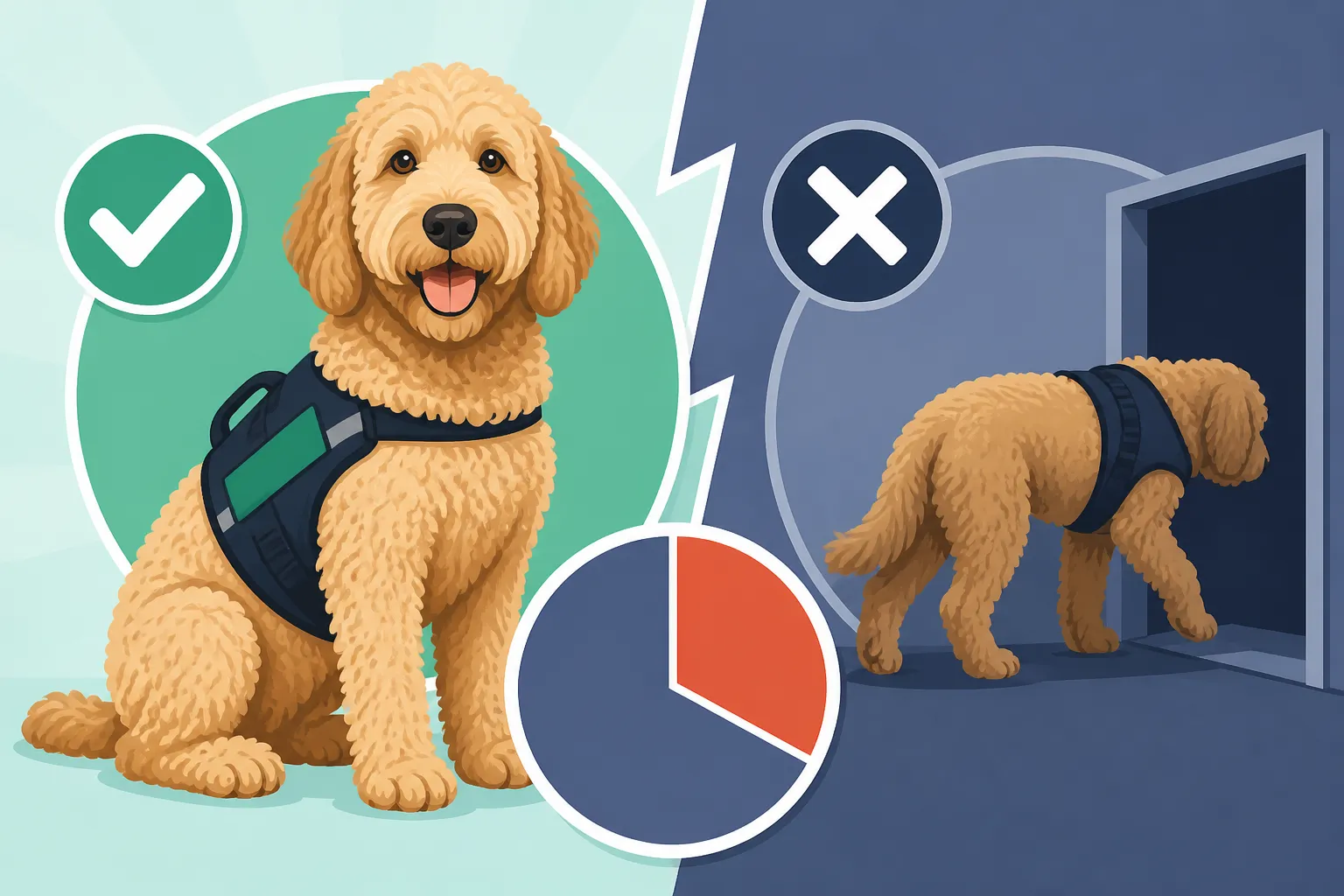
Across the board, for all breeds chosen for service work, wash-out rates are remarkably high. It's not uncommon for major service dog organizations to report that anywhere from 50% to 70% of their prospective candidates do not complete the program. These figures include dogs from carefully selected lines, often bred specifically for service work over multiple generations. This high attrition rate isn't a failure of the dogs themselves, but rather a reflection of the incredibly stringent criteria and the unique demands placed upon them. Only the crème de la crème possess the specific blend of health, temperament, and work ethic required. Therefore, while a specific percentage for only Labradoodles washing out might not be publicly available from most organizations (as they typically report on their entire candidate pool), it's safe to assume it falls within or even above this general range, given they are a crossbreed with more variability in temperament and health traits than purpose-bred service dog lines.
Why a "Washed Out" Labradoodle is Still a Wonderful Companion
The term "washed out" can sound negative, implying a failure. But in the context of service dog training, it simply means the dog didn't meet the extremely specific and rigorous criteria for that particular job. It absolutely does not mean the dog is flawed, untrainable, or a "bad dog." In fact, these Labradoodles often possess many wonderful qualities that make them exceptional pets.
They've typically received extensive early socialization, basic obedience training, and exposure to various environments. Many are well-mannered, house-trained, and have a good foundation for family life. A Labradoodle that didn't have the iron nerve for an airport might be the most loving, attentive companion in a quiet home. These dogs often find new homes as highly sought-after companions. Adopting a Career Change Labradoodle From a Program touches on how these fantastic dogs get a second chance.
| Reason for Wash-Out | Description | Potential Outcome for the Dog |
|---|---|---|
| Temperament | Too sensitive to noise/crowds, easily distracted, over-excitable, lacking confidence for independent work, or showing any signs of reactivity. | Can thrive in a quieter home environment, as a therapy dog, or in less stressful dog sports. Makes a wonderful family pet. |
| Health & Physical | Orthopedic issues (hips/elbows), chronic allergies, certain hereditary conditions (e.g., EIC, severe Addison's), or physical limitations that prevent task performance. | Still capable of a full life as a pet, often with appropriate veterinary care. May excel in less physically demanding roles. |
| Training Inconsistencies | Dog struggles to generalize commands, handler unable to maintain consistency, or dog loses motivation for intense, repetitive work. | With consistent, patient training in a pet home, these dogs often excel and become cherished, well-behaved companions. |
| Maturity Issues | Prolonged adolescence, difficulty settling into work mode, or exhibiting "naughty" behaviors for longer than acceptable in a working dog. | Simply needs more time and a structured environment to mature into a calm, focused adult pet. |
| Mismatched Partnership | Dog and handler don't bond effectively, or the dog's personality isn't suited to the specific needs or lifestyle of the intended partner. | Will thrive with a different family whose lifestyle and needs are a better match for the dog's personality. |
The Importance of Breeder Selection and Early Development
The best way to increase a Labradoodle's chances of success in any role, including potential service work, starts long before training begins: with responsible breeding and early development. A reputable breeder will prioritize health, temperament, and socialization. They will perform extensive health testing on parent dogs to minimize the risk of hereditary conditions. The Health Tests a Labradoodle Breeder Should Show are non-negotiable.
Beyond genetics, a breeder's early socialization program is paramount. Puppies exposed to various sights, sounds, textures, and gentle handling from birth are more likely to develop into confident, resilient adults. Even if a Labradoodle doesn't become a service dog, this foundation sets them up for success as a stable, well-adjusted family member. Whether Health Tested Parents Add Years to a Labradoodle speaks to the longevity benefits, but these tests are equally vital for a dog's working life.
Strategies to Support Your Labradoodle's Potential for Service Work
If you dream of your Labradoodle becoming a service dog, it's a journey filled with incredible commitment and effort. While there are no guarantees, you can significantly stack the odds in your favor by being proactive and realistic.
Laying a Strong Foundation with Early Training and Socialization
This cannot be stressed enough: the first few months of a Labradoodle's life are absolutely critical for shaping their future behavior. From the moment you bring your puppy home, every interaction is a training opportunity.
- Broad, Positive Socialization: Expose your puppy to as many new, positive experiences as possible. This means different types of people (kids, elderly, people with hats/beards, wheelchairs), sounds (city traffic, vacuums, thunderstorms on a speaker), surfaces (grass, pavement, carpet), and places (parks, pet-friendly stores, friends' houses). Always keep experiences positive and short, pairing new things with high-value treats and praise. Never force an interaction. A well-socialized puppy grows into a confident adult. Raising a Labradoodle Through Its First Year offers great insights into this crucial period.
- Basic Obedience from Day One: Start teaching fundamental commands like "sit," "stay," "come," "down," and "leave it" immediately. Use positive reinforcement methods, making training fun and rewarding. This builds a strong communication foundation and teaches your Labradoodle that listening to you is enjoyable. Online puppy training programs, like those offered by BAXTER & Bella, can be incredibly helpful for first-time owners or anyone looking for a structured, positive approach to building these essential skills from the ground up, right in your home. They guide you through all the early steps, from house training to polite leash walking.
- Grooming and Handling Tolerance: Service dogs must tolerate extensive handling, vet visits, and grooming. Start early by gently touching your puppy's paws, ears, mouth, and tail daily. Make it a positive experience with treats. Teach them to lie calmly for brushing. This is vital for their comfort and willingness to cooperate in potentially stressful situations later. Starting Grooming Handling on a Labradoodle Puppy goes into more detail on this.
Ongoing Professional Guidance and Realistic Goal Setting
Service dog training is a marathon, not a sprint. It requires continuous effort and often, expert guidance.
- Seek Professional Trainers: Unless you are an experienced service dog trainer yourself, working with a qualified professional is non-negotiable. Look for trainers who specialize in service dog work, use positive reinforcement methods, and have a proven track record. They can help assess your Labradoodle's aptitude, design a customized training plan, and address challenges as they arise. Whether an Owner Can Train Their Own Service Labradoodle delves into the complexities of this path.
- Commit to Continuous Learning: Your Labradoodle's training won't end when they reach adulthood. Service dogs require ongoing proofing of skills, learning new tasks, and maintaining their public access manners. You, as the handler, will also need to continue learning, adapting, and growing your own skills. Invest in good quality training equipment from a reliable source like Amazon, such as durable long lines for recall practice, hands-free treat pouches for quick rewards, or specific harnesses that offer comfort without interfering with coat texture.
- Be Realistic and Flexible: Not every Labradoodle is destined for service work, and that's okay. Understand that even with the best efforts, your dog might "wash out" due to reasons beyond your control. Be prepared to pivot and adjust your goals. If service work isn't the right fit, embrace their potential as a therapy dog, an amazing family pet, or a participant in dog sports like agility or obedience. The ultimate goal is a happy, well-adjusted dog.
Prioritizing Health and Wellness
A service dog needs to be in peak physical condition to perform its duties reliably over many years.
- Regular Veterinary Care: Consistent preventative care, including yearly check-ups, vaccinations, and parasite control, is essential. Early detection of any health issues can make a significant difference in management and outcome. The Yearly Screening a Labradoodle Should Get is critical.
- Optimal Nutrition and Weight Management: Feed a high-quality, balanced diet appropriate for your Labradoodle's age and activity level. Maintain a healthy weight, as obesity puts undue stress on joints and can exacerbate many health problems. Keeping Weight Off a Labradoodle That Begs is a constant battle for many owners.
- Appropriate Exercise: Ensure your Labradoodle gets sufficient physical and mental exercise to stay healthy and happy, but avoid over-exercising a growing puppy, which can damage developing joints. Tailor exercise to their age and any individual health considerations.
The journey to developing a service Labradoodle is incredibly rewarding for those dogs and handlers who make it, but it's a path few ultimately complete. Being well-informed, proactive, and realistic will serve both you and your wonderful Labradoodle best, no matter where their unique talents ultimately lead them.
Disclaimer
This article is for general informational purposes only and does not constitute professional advice. Laws, prices and regulations vary by location and change over time. Consult a qualified professional for guidance on your specific situation.