Whether a Labradoodle Makes a Good Seeing Eye Dog
It's a common desire for many dog lovers to envision their beloved Labradoodle as a capable and loyal guide dog, especially given the breed's origins. But the reality of whether a Labradoodle truly makes a good seeing eye dog is far more nuanced than many first-time owners realize, going beyond just good looks and a friendly wag. This guide will explore the history, inherent traits, and practical considerations that determine a dog's suitability for such a demanding and vital role, helping you understand the complexities involved.
The Origins of the Labradoodle and Guide Dog Work
The Labradoodle's story is inextricably linked to the quest for an allergy-friendly guide dog, a tale that often surprises people who only know them as popular family pets. It all started with a very specific, incredibly important need. The idea wasn't to create a trendy new crossbreed, but to solve a genuine human problem.
The Initial Hope for an Allergy-Friendly Guide
Back in 1989, a woman in Hawaii needed a guide dog but her husband was allergic to dogs. This seemingly simple request sparked a monumental effort. Wally Conron, the breeding manager for the Royal Guide Dogs Association of Australia, was tasked with finding a solution. He decided to cross a Labrador Retriever, renowned for its calm temperament and trainability as a guide dog, with a Standard Poodle, famous for its low-shedding, hypoallergenic coat. The hope was that this cross would inherit the best of both worlds: the working aptitude of the Labrador and the allergy-friendly coat of the Poodle. This was The 1989 Cross That Made the First Labradoodle. The intention was noble, focusing purely on functionality and meeting a critical need for an individual.
The concept was brilliant in theory. Imagine the relief for someone who relies on a guide dog, but whose living situation or family members suffer from severe allergies. This potential breakthrough offered a glimmer of hope for greater inclusivity in assistance dog partnerships. For the first time, it seemed like the perfect blend of working ability and allergen management was within reach. It addressed a crucial barrier that had previously excluded many from the life-changing support a guide dog provides, highlighting Why a Guide Dog Had to Be Allergy Friendly.
The Challenges of Predictability in Early Crosses
However, even with the best intentions, genetics are a roll of the dice. What Conron and the program quickly discovered was that the first generation (F1) Labradoodles, while often wonderful dogs, were incredibly inconsistent. Some had fantastic, allergy-friendly coats, but lacked the steady temperament required for guide work. Others had the perfect guide dog personality but shed like a Labrador, defeating the original purpose. It was almost impossible to predict which traits any given puppy would inherit. This unpredictability became a significant hurdle.
This inconsistency was the primary reason that Wally Conron, the very person who spearheaded the cross, eventually expressed regret about creating the breed, fearing it led to irresponsible breeding practices focused on profit rather than purpose. Wally Conron and the Labradoodle He Regrets is a testament to the challenges faced when trying to blend two distinct breeds for a very specific outcome. The idea was to create a reliable working dog, but without consistent results, it was difficult to maintain the high standards required for guide dog training.
Essential Traits for a Successful Seeing Eye Dog
Being a seeing eye dog isn't just about being smart or friendly; it's a highly specialized job that demands a very particular set of characteristics. These dogs are literally their human partner's eyes, and their success depends on a blend of innate qualities and extensive training. Guide dog organizations have spent decades refining their breeding programs to produce dogs with these critical traits consistently.
Temperament and Trainability Requirements
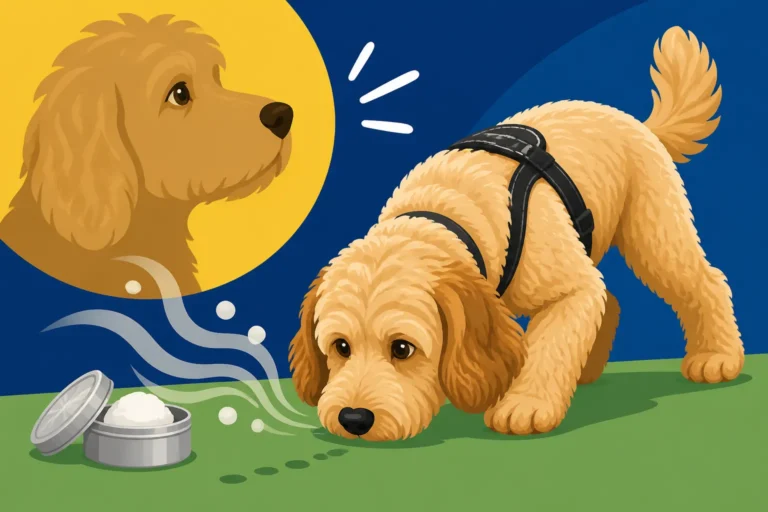
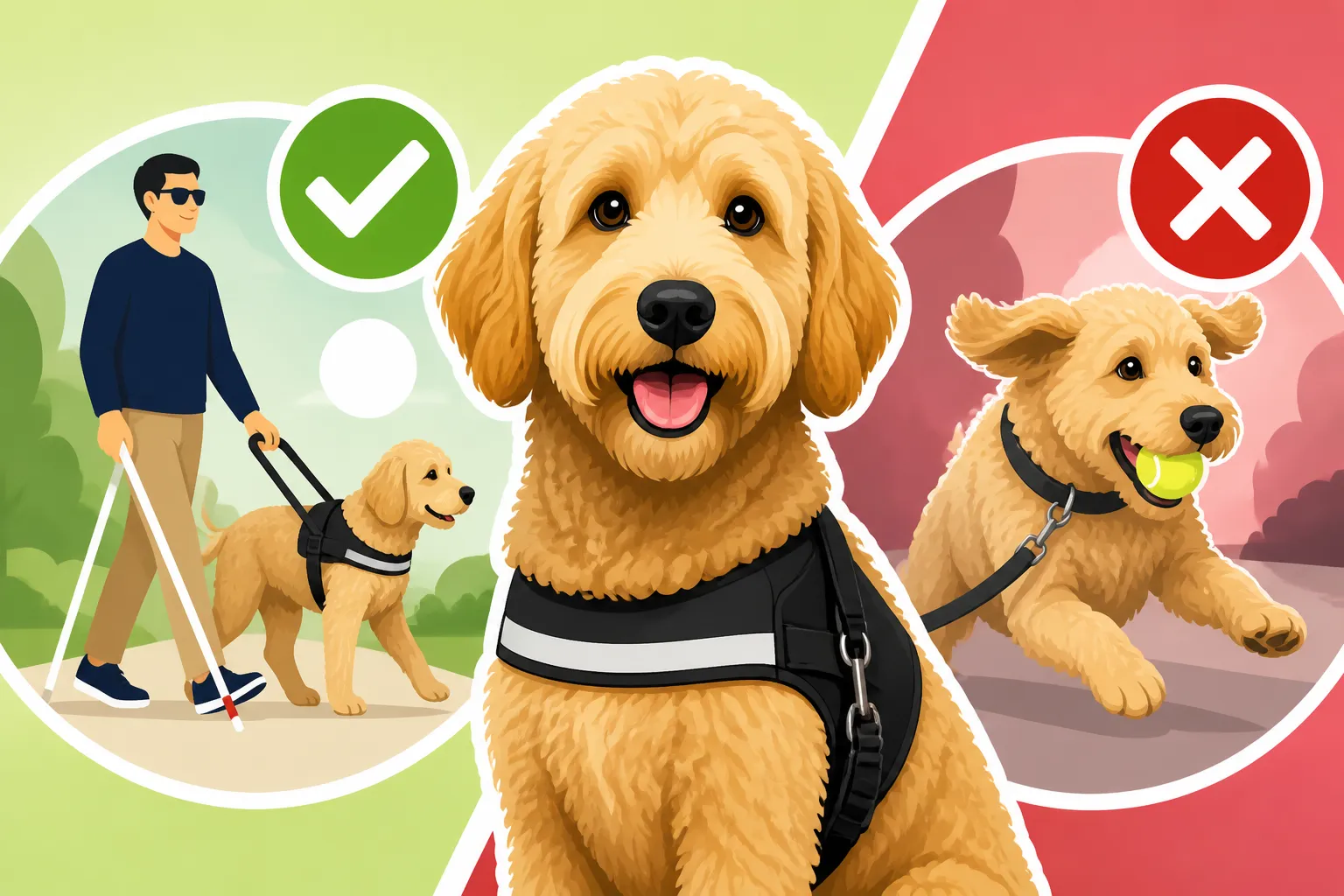
First and foremost, a guide dog needs an impeccable temperament. We're talking about unwavering confidence, calmness under pressure, and absolute stability in every conceivable environment. A guide dog can't be easily startled by a loud bus, distracted by a squirrel darting across the street, or bothered by a crowded shopping mall. They must be able to ignore other dogs, people, and tantalizing smells, focusing entirely on their handler. They need to be biddable, eager to please, and highly motivated to work, but also possess intelligent disobedience – the ability to refuse a command if it would put their handler in danger. For instance, if their handler commands "forward" into traffic, a good guide dog would hesitate or stop.
This level of focus, resilience, and problem-solving is not something you can just train into any dog; it requires a strong genetic foundation. Guide dog schools have very strict criteria for What Guide Dog Schools Look For in a Labradoodle, often looking for a specific blend of obedience, independence, and responsiveness that few dogs naturally possess. The intense training that follows, which covers everything from navigating busy sidewalks to public transport, demands a dog that thrives on structure and purpose.
Health and Longevity Considerations
Beyond temperament, robust health and longevity are paramount for a working guide dog. These dogs have demanding careers, often spanning 8-10 years, and any significant health issues can prematurely end their working life, causing immense disruption and emotional distress for their visually impaired partners. This means breeders for guide dog programs conduct extensive health testing to screen for hereditary conditions common in their chosen breeds, such as hip and elbow dysplasia, eye diseases like progressive retinal atrophy, and certain heart conditions.
The goal is to produce dogs that are not only sound and healthy enough for the physical demands of guiding but also likely to live a full, active life without requiring extensive veterinary intervention. This attention to health also ensures a good return on the significant investment of time and resources that goes into training each guide dog. While a Labradoodle can live The Twelve to Fifteen Years a Labradoodle Lives, the consistency of health across a breeding program is key for guide work.
Coat Type and Maintenance for Working Dogs
While the initial motivation for the Labradoodle was an allergy-friendly coat, the practicalities of a working dog's coat are more complex. Guide dogs often work in all weather conditions, from rain to snow, and they need a coat that is relatively easy to maintain, doesn't pick up excessive debris, and provides adequate protection. Heavy, dense coats can be a nightmare to keep clean and mat-free, especially after walking through muddy parks or rainy streets. Such coats require frequent professional grooming and extensive home care, adding a significant burden to a visually impaired handler who might struggle with intricate brushing routines.
Furthermore, a coat that sheds excessively means constant hair in the environment, which is not ideal for the handler or for public access. The ideal working coat is often a low-maintenance, medium-length coat that is weather-resistant and quick-drying, striking a balance between protection and practicality. While Labradoodles are famous for their varied coats, including The Three Labradoodle Coats: Hair, Fleece and Wool, the "perfect" guide dog coat needs to be consistently reliable for a lifetime of hard work.
Why Guide Dog Programs Shifted Away from the Labradoodle
Despite the initial enthusiasm and the very valid reason for creating them, most mainstream guide dog organizations ultimately moved away from using Labradoodles as their primary working dogs. This wasn't a reflection on the individual dogs themselves, many of whom make wonderful pets, but rather on the systemic challenges inherent in breeding for such a specialized role with a hybrid.
The Impact of Unpredictability on Training Success
The biggest stumbling block for the Labradoodle in guide dog programs was, as mentioned earlier, the sheer unpredictability of their traits across litters and generations. When you're breeding working dogs, consistency is king. Guide dog organizations need to be confident that a high percentage of their puppies will inherit the specific temperament, health, and coat characteristics required to succeed in a demanding, year-long training program. With Labradoodles, it was often a gamble.
They found that too many puppies from Labradoodle crosses simply didn't make the cut, either due to unsuitable temperaments, unexpected shedding, or a combination of health issues that rendered them unfit for service. This high "wash-out" rate was financially unsustainable and incredibly resource-intensive. Every dog that doesn't graduate represents a significant investment in time, food, veterinary care, and trainer salaries. This led to guide dog programs meticulously documenting What Washes a Labradoodle Out of a Program and realizing that hybrids were not consistently meeting the mark.
The Rise of Specialized Breeding Programs
In contrast to the variability of the early Labradoodle crosses, established guide dog organizations have invested heavily in highly specialized breeding programs using purebred dogs like Labrador Retrievers, Golden Retrievers, and German Shepherds. These programs have decades of data and experience, allowing them to selectively breed for the exact traits needed in a guide dog. They track genetic lines, monitor health clearances rigorously, and assess temperament from birth, ensuring a much higher success rate for their puppies entering training.
These sophisticated programs allow them to predict with remarkable accuracy which pairings will produce puppies with the desired temperament, physical soundness, and low-maintenance coats. This level of genetic control and predictability is something that standard Labradoodle breeding, especially in its early days, simply couldn't offer. By focusing on proven lines of purebred dogs, these organizations ensure a steady supply of high-quality candidates, maximizing their investment and ultimately benefiting more visually impaired individuals.
What This Means for Labradoodle Owners Today
So, if guide dog programs don't typically use Labradoodles, what does that mean for the average Labradoodle owner or someone considering one as a service dog prospect? It doesn't mean Labradoodles are "bad" dogs, far from it! It just means understanding their strengths and weaknesses, especially when it comes to highly specialized roles.
Can an Individual Labradoodle Still Excel?
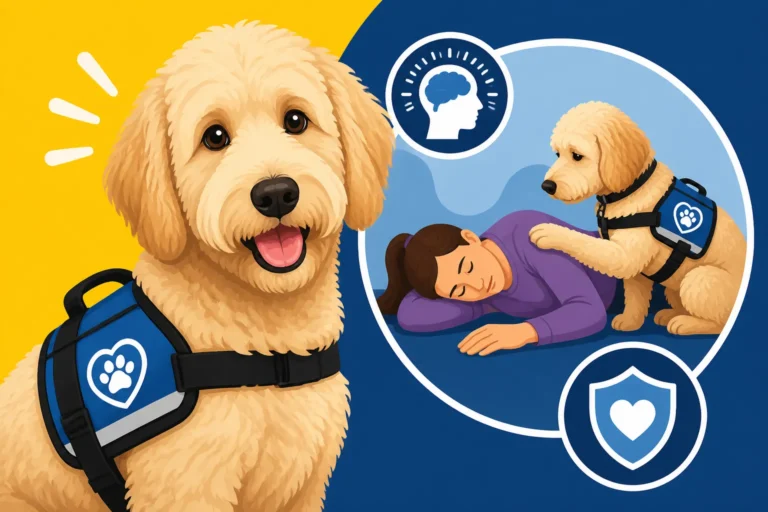
While large, institutional guide dog programs may not use Labradoodles, that doesn't mean an individual Labradoodle cannot possess the qualities to be an excellent assistance dog, especially for roles outside of traditional "seeing eye" work. Many Labradoodles shine as therapy dogs, emotional support animals, or even in other service dog tasks like mobility assistance, hearing alert, or diabetic alert. Their intelligence, eagerness to please, and often intuitive nature can make them wonderful partners.
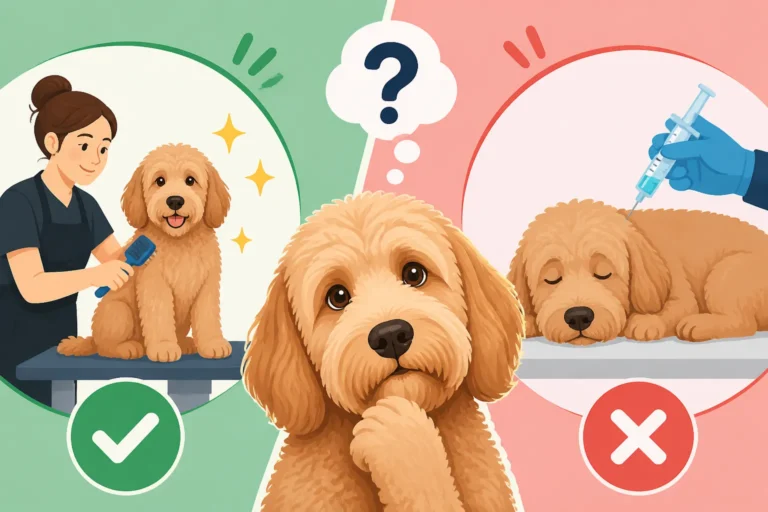
The key here is the individual dog. Just like with any breed, there will be variations in temperament and ability. A carefully selected Labradoodle puppy from health-tested parents, with a stable and confident personality, can certainly be a strong candidate for service work. It's about finding that specific dog that stands out, not expecting every Labradoodle to inherently have the full package. Some may even have the retrieving drive a Labradoodle gets from the Labrador, which can be useful for certain tasks. The question of Whether a Labradoodle Still Makes a Working Assistance Dog really comes down to the individual and the specific tasks needed.
The Role of Owner-Training and Professional Guidance
For those who wish to pursue service dog work with their Labradoodle, the journey will likely involve owner-training, often with the guidance of professional service dog trainers. This path requires a significant commitment of time, effort, and resources, as you are essentially replicating the rigorous training that guide dog schools provide. Online programs, such as those offered by BAXTER & Bella, or local professional trainers can provide invaluable structure and support for owner-trainers. They help break down complex tasks into manageable steps and ensure the dog is meeting the high standards required for public access.
Owner-training also means being brutally honest about your dog's capabilities. Not every dog, regardless of breed, is cut out for service work. If your Labradoodle struggles with distraction, shows signs of anxiety in new environments, or lacks the necessary focus, it's important to recognize that and adjust expectations. Many wonderful dogs are simply not suited for the constant pressure and demands of public access work, and that's perfectly okay. It's important to know Whether an Owner Can Train Their Own Service Labradoodle and the commitment that entails. Resources on platforms like Amazon can also provide useful training tools and books to aid in this journey.
Comparing Ideal Guide Dog Traits with Labradoodle Realities
Let's take a moment to put some of these traits side-by-side to understand the expectations for a guide dog versus the typical range of a Labradoodle. This isn't to say one is better than the other, but rather to highlight the specific requirements of a highly specialized role.
| Trait Category | Ideal Guide Dog Characteristics | Typical Labradoodle Range |
|---|---|---|
| Temperament | Unwavering confidence, calm, stable, biddable, intelligent disobedience, low reactivity, high focus. | Often friendly, intelligent, energetic, can be sensitive, variable focus, prone to exuberance, some can be highly distractible. |
| Health & Longevity | Consistently excellent health, strong genetic lines, minimal hereditary conditions, long working life (8-10 years). | Generally healthy with good lifespan, but genetic health testing is crucial due to varied parentage; some lines may have more predispositions. |
| Coat Type | Low-shedding, easy to maintain, weather-resistant, non-matting, minimal grooming burden for handler. | Highly variable (hair, fleece, wool), can be high-maintenance, prone to matting, needs regular grooming; shedding varies significantly. |
| Trainability | Eager to please, highly motivated by positive reinforcement, quick learner, retains complex commands over time. | Generally intelligent and eager to please, can be highly trainable, but also prone to "forgetting" in adolescence; consistency is key. |
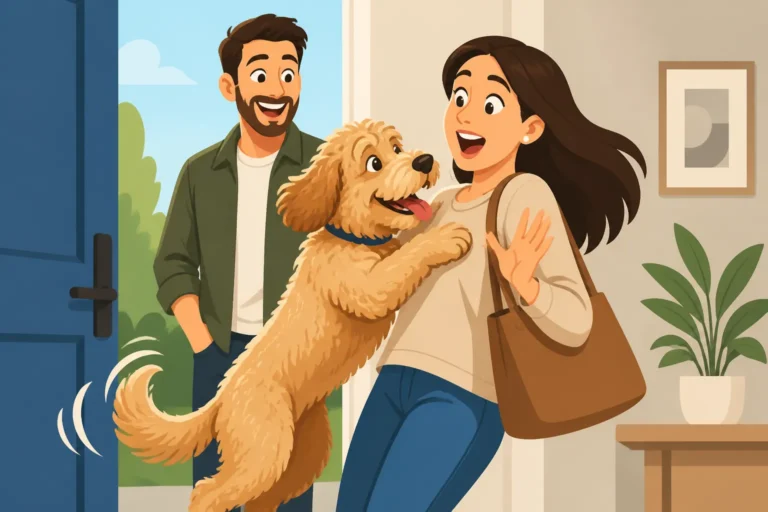
| Public Access | Ignores all distractions (people, other dogs, food, sounds), comfortable in all environments, settles calmly. | Can be prone to greeting people and dogs enthusiastically, may need extensive desensitization to novel environments, can be easily distracted without focused training. |
This table clearly illustrates the gap that often exists between the ideal, consistently bred guide dog and the variability found within the Labradoodle population.
Pursuing Assistance Work with Your Labradoodle
If you are committed to the idea of your Labradoodle as an assistance dog, understanding the specific training requirements and being realistic about your dog's individual aptitude is key. It's a challenging but rewarding path for the right dog and owner team.
Public Access Training and Socialization
One of the most demanding aspects of any assistance dog role, including a seeing eye dog, is public access. This isn't just about being well-behaved in the home; it's about maintaining perfect decorum and focus in bustling, distracting public environments. This means going into stores, restaurants, public transportation, and medical facilities, all while ignoring tempting smells, curious strangers, and other dogs. What Public Access Training Asks of a Labradoodle is immense, requiring constant reinforcement and exposure from an early age.
Extensive and thoughtful socialization is critical for a Labradoodle intended for this path. They need to be exposed to a vast array of sights, sounds, people, and places in a positive way during their critical development stages. This helps them build confidence and resilience, making them less likely to react fearfully or over-exuberantly to novel situations later in life. A dog that is fearful or overly excited in public simply cannot perform the life-saving tasks required of a seeing eye dog.
The Importance of Professional Guidance and Support
While owner-training is certainly possible, navigating the complexities of assistance dog training without professional guidance can be overwhelming and lead to mistakes that are hard to correct. Experienced service dog trainers can help you identify your Labradoodle's strengths and weaknesses, tailor a training program, and ensure you're meeting the legal and ethical standards for service dogs. They can also help with specialized skills like harness work for guiding, which is very different from basic leash walking.
Organizations like BAXTER & Bella offer comprehensive online training programs that can be a fantastic resource for owner-trainers, providing structured lessons, support from professional trainers, and a community of like-minded individuals. Investing in professional help isn't just about training your dog; it's about setting both of you up for success and ensuring that your Labradoodle can truly fulfill its potential as a valuable partner. Many books and training aids available on Amazon can also supplement your journey, offering different perspectives and tools.
Ultimately, while the Labradoodle's history began with the noble goal of creating an allergy-friendly guide dog, the reality of consistent breeding for such a specialized role proved too challenging for large organizations. However, for a dedicated owner and an individual Labradoodle with the right temperament, health, and training, the path to becoming an incredible assistance dog in other capacities is absolutely open.
Disclaimer
This article is for general informational purposes only and does not constitute professional advice. Laws, prices and regulations vary by location and change over time. Consult a qualified professional for guidance on your specific situation.