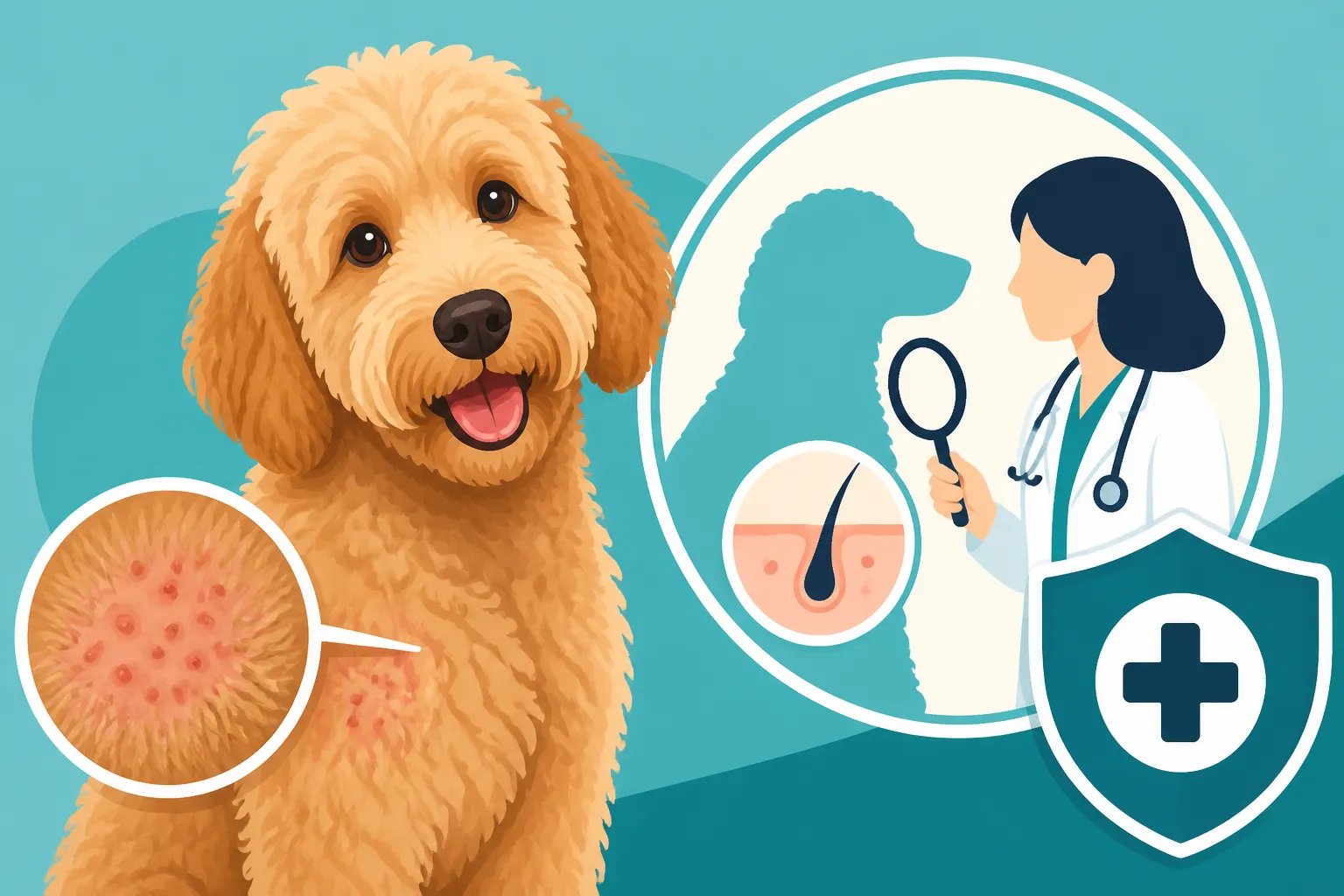
What a Dermatology Referral Runs for a Labradoodle
It’s truly disheartening when your beloved Labradoodle is constantly scratching, chewing, or dealing with persistent skin issues that just don't seem to get better, no matter what you try. Many of us have been there, feeling helpless as our furry friends suffer, and our general vet's usual treatments aren't quite hitting the mark. This guide is here to walk you through what to expect financially and practically when your Labradoodle needs the focused expertise of a veterinary dermatologist, helping you navigate the journey to healthier skin and a happier pup.
When Your Labradoodle Needs a Dermatology Specialist
You know your Labradoodle better than anyone. You see the subtle changes, the incessant licking, the way they rub their face on the carpet. When these little quirks turn into chronic, uncomfortable problems, it can be a clear sign that a general vet's approach might not be enough. Getting to the root of skin issues can be incredibly complex, and that's where a specialist truly shines.
Recognizing Persistent Skin Issues
There's a big difference between a temporary itch from a flea bite and a deep-seated, ongoing skin problem. If your Labradoodle is constantly scratching, licking, or chewing at themselves to the point of redness, hair loss, or open sores, it's a huge red flag. We’re talking about the kind of persistent itching that keeps them (and you!) up at night, or the recurrent ear infections that clear up with antibiotics only to return weeks later. Perhaps you've noticed unusual patches of hair loss, scaly skin, or even strange lumps and bumps that don't seem to fit a simple diagnosis. These symptoms can be incredibly frustrating for both you and your dog.
Many Labradoodle owners find themselves in a cycle of short-term relief, only for the problem to flare up again. Maybe it started with a "hot spot" that healed, but now there are several. Or perhaps their beautiful, fluffy coat has thinned in places, and their skin just looks angry. These could be signs of underlying issues like environmental allergies, which can cause intense itching, or even yeast infections, which love to hide in the warm, moist folds of a Labradoodle's skin and ears. When you've tried all the standard treatments from your regular veterinarian without lasting success, or if the problem is becoming more severe and widespread, a dermatology referral becomes a crucial next step to find long-term solutions. It’s about more than just treating symptoms; it’s about understanding the complex interplay of factors affecting your dog's skin.
The General Vet's Role vs. a Specialist's Expertise
Your primary veterinarian is usually the first point of contact for any health concern, and they're fantastic at handling a vast array of issues, including many common skin problems. They can diagnose and treat bacterial infections, flea allergies, and minor skin irritations with great success. They might prescribe antibiotics, antihistamines, or topical creams, and often these are exactly what's needed. However, general practice vets have a broad scope, while veterinary dermatologists have undertaken years of additional, specialized training focused exclusively on skin, ear, and nail conditions.
Think of it like this: your family doctor can treat a common rash, but if you have a complex, chronic skin condition, they’d likely refer you to a dermatologist. A veterinary dermatologist has access to more advanced diagnostic tools, a deeper understanding of complex dermatological diseases, and a broader arsenal of treatment options. They are experts in conditions like Sebaceous Adenitis in a Labradoodle's Skin, severe environmental or food allergies, autoimmune skin diseases, and complicated ear problems. They can perform specialized tests that your regular vet might not, interpret subtle findings, and develop a comprehensive, often multi-faceted, treatment plan tailored specifically to your Labradoodle’s unique situation. When your general vet reaches the limits of their expertise or resources for a persistent skin issue, they'll often recommend a dermatology referral, knowing that specialized care is the best path forward for your dog's well-being.
Breaking Down the Costs of a Dermatology Referral
Let’s be honest, taking your pet to a specialist can feel daunting, especially when you're already worried about their health. Understanding the potential costs upfront can help you prepare and alleviate some of that financial stress. A dermatology referral isn't a single bill; it's a series of consultations, tests, and treatments that build up over time.
Initial Consultation and Diagnostic Fees
The very first step will be the initial consultation with the veterinary dermatologist. This is often a longer, more in-depth appointment than a standard vet visit. The specialist will take a detailed history, perform a thorough physical exam, and closely inspect your Labradoodle's skin, ears, and coat. This initial consultation fee can vary widely depending on your region and the specific clinic, but it's important to understand it's usually a separate charge from your general vet's fees.
Following this, the dermatologist will often recommend initial diagnostic tests right there and then to gather more information. These might include:
- Skin Scrapes: To check for mites (like demodex or scabies).
- Cytology: Examining samples from the skin or ears under a microscope to identify bacteria, yeast, or inflammatory cells. This is crucial for conditions like Yeast Trapped Under a Labradoodle's Coat or bacterial infections.
- Fungal Cultures: To rule out ringworm, which can cause hair loss and skin lesions.
- Ear Swabs/Otic Cytology: Essential for persistent ear infections, looking for specific types of bacteria or yeast.
Each of these tests carries its own fee, adding to the initial visit cost. The dermatologist uses these results to form a preliminary diagnosis and guide further investigation or treatment. It's not uncommon for the initial visit, including a couple of basic tests, to be a significant outlay before any long-term treatment even begins.
Here’s a general idea of common diagnostic tests and their purpose:
| Diagnostic Test | Purpose | Typical Scenario |
|---|---|---|
| Initial Consultation | Detailed history, full dermatological exam | First visit to the specialist |
| Skin Scrape | Identify mites (e.g., demodex, scabies) | Persistent itching, hair loss, skin lesions |
| Cytology (Skin/Ear) | Identify bacteria, yeast, inflammatory cells | Redness, discharge, itching, recurrent infections |
| Fungal Culture | Diagnose ringworm or other fungal infections | Circular hair loss, scaly patches |
| Biopsy & Histopathology | Examine tissue for complex diseases, rule out cancer | Unusual lumps, non-healing sores, suspected autoimmune |
| Allergy Testing | Identify environmental or food allergens | Chronic itching, recurrent ear/skin infections |
Advanced Diagnostics and Procedures
Sometimes, the initial tests aren't enough to pinpoint the problem, or the dermatologist suspects a more complex condition. This is when more advanced diagnostics come into play, and these can add substantially to the overall cost.
One of the most common advanced procedures is a skin biopsy. If there are unusual lesions, non-healing sores, or the dermatologist suspects an autoimmune disease or even certain types of cancer, a small piece of skin tissue will be surgically removed and sent to a specialized laboratory for analysis. This process, including the sedation or anesthesia required, the biopsy itself, and the histopathology fees from the lab, can be quite costly. It’s the definitive way to diagnose conditions like Sebaceous Adenitis in a Labradoodle's Skin, but it's a layered expense.
Allergy testing is another frequent advanced diagnostic for Labradoodles, given their propensity for Allergies Behind a Labradoodle's Itching. This can involve either intradermal skin testing (where small amounts of allergens are injected into the skin to observe reactions) or blood tests (serum IgE testing) to identify environmental allergens like pollens, dust mites, or molds. If food allergies are suspected, the dermatologist might recommend an elimination diet trial, which doesn't have a direct "test" fee but requires strict adherence to novel protein or hydrolyzed protein diets for several weeks, often using specialized foods from brands like Ollie or vet-prescribed options you might find through Chewy. While not a direct lab fee, the cost of these specialized diets for the duration of the trial can add up. Each type of allergy testing has its own cost structure, and often multiple types are needed to get a full picture.
Treatment Plans and Ongoing Management
Once a diagnosis is made, the dermatologist will formulate a treatment plan. This is where the ongoing costs really become apparent, especially for chronic conditions. Treatment might involve a combination of:
- Medications: This could include oral steroids to reduce inflammation, immunosuppressants for autoimmune conditions, antibiotics or antifungals for infections, or specialized antihistamines. Many of these medications need to be given long-term, incurring monthly prescription costs. For conditions like Addison's disease (though not strictly dermatology, skin issues can sometimes be related), lifelong medication is the norm.
- Topical Treatments: Medicated shampoos, conditioners, mousses, or sprays are common, especially for managing Whether a Labradoodle Needs Medicated Baths due to yeast or bacterial overgrowth. Products like these can be found at varying price points, sometimes requiring specialized veterinary formulations.
- Supplements: Omega-3 fatty acids or other skin-supporting supplements might be recommended to improve skin barrier function.
- Environmental Management: For allergies, this could mean air purifiers, frequent cleaning, or special bedding, adding to household expenses.
- Follow-up Visits: Regular check-ups are crucial to monitor progress, adjust medications, and manage flare-ups. These follow-up visits, while usually less expensive than the initial consultation, are recurring costs.
It's important to remember that chronic skin conditions, much like chronic human conditions, often require lifelong management rather than a one-time cure. The aim is to control symptoms, prevent flare-ups, and maintain your Labradoodle's quality of life. The cumulative cost of these medications and treatments over months and years can be substantial, underscoring the importance of careful financial planning.
Navigating the Financial Side of Specialist Care
The thought of specialist bills can be overwhelming, but there are ways to manage the financial burden and ensure your Labradoodle gets the best care without completely breaking the bank. It requires a bit of foresight and knowing your options.
Pet Insurance and What It May Cover
Pet insurance can be an absolute lifesaver when specialist care is needed. Many comprehensive pet insurance plans, such as those offered by Healthy Paws, are designed to cover unexpected illnesses and accidents, which often includes specialist visits, diagnostics, and prescribed medications for conditions like chronic skin disease. However, it's absolutely crucial to understand the specifics of your policy.
Before seeking specialist care, call your insurance provider to clarify what your plan covers. Key things to ask about include:
- Deductibles: How much you need to pay out-of-pocket before coverage kicks in.
- Reimbursement Percentage: What percentage of the vet bill the insurance company will pay (e.g., 70%, 80%, or 90%).
- Annual Limits: Any cap on the total amount the policy will pay out in a year.
- Pre-existing Conditions: This is a big one. Most pet insurance policies do not cover conditions that were present or showed symptoms before your coverage started or during the waiting period. If your Labradoodle already had skin issues before you enrolled, those specific issues might be excluded. This highlights the importance of getting pet insurance when your Labradoodle is a young, healthy puppy.
While pet insurance can significantly reduce your out-of-pocket expenses for dermatology referrals, always confirm coverage details directly with your provider to avoid any unwelcome surprises. Knowing what your plan will (and won't) cover helps you budget more effectively.
Budgeting and Financial Planning Tips
Beyond pet insurance, there are several practical steps you can take to prepare for and manage the costs associated with a dermatology referral.
Firstly, consider starting a dedicated "pet emergency fund" if you don't already have one. Even a small amount saved regularly can add up and provide a cushion for unexpected specialist visits. Secondly, don't be afraid to discuss costs openly with both your general vet and the dermatology specialist. Ask for an estimated cost breakdown for the initial consultation and recommended diagnostics. Many clinics understand financial constraints and might be able to offer payment plans or recommend third-party financing options like CareCredit.
When it comes to ongoing treatments, such as specialized foods or long-term medications, explore your options. Your vet or the specialist might have preferred pharmacies, but sometimes you can find competitive pricing for prescription foods on Chewy, or for limited ingredient diets from brands like Ollie if your Labradoodle's allergies require a very specific nutritional profile. For non-prescription supplements or medicated shampoos, comparison shopping online can sometimes save you money, just ensure you're getting veterinary-approved products. Understanding The Yearly Screening a Labradoodle Should Get can also help you anticipate preventative costs and plan for them rather than reacting to emergencies. Remember that some conditions like Where Sebaceous Adenitis Shows on a Labradoodle or Oil Soaks for a Labradoodle With Sebaceous Adenitis will have specific product needs that your budget will need to accommodate.
Questions to Ask Your Vet and the Specialist
Being an informed advocate for your Labradoodle is key. Don't hesitate to ask questions—it’s your right and responsibility as a pet parent. Here’s a list of crucial questions to ask your referring veterinarian and the dermatology specialist:
- To your general vet:
- "Why do you recommend a dermatology referral now? What do you hope a specialist will uncover?"
- "Can you provide an estimate of the initial referral fee and any tests you anticipate they will perform?"
- "What information will you send to the specialist? Can I get a copy for my records?"
- To the dermatology specialist (during scheduling or at the initial consultation):
- "What is the fee for the initial consultation?"
- "Based on what you've heard, what initial diagnostic tests do you anticipate, and what are their estimated costs?"
- "If a biopsy or allergy testing is recommended, what is the full cost involved, including lab fees?"
- "What is the estimated timeline for diagnosis and the potential length of treatment?"
- "What are the expected costs for follow-up visits and potential long-term medications or specialized foods?"
- "Do you offer payment plans, or can you recommend any financial assistance programs?"
- "What are the realistic outcomes for my Labradoodle's condition? What kind of improvement can we expect?"
- "Are there any alternative treatment options, and what are the pros and cons of each?"
- "Will this condition impact my Labradoodle's overall health or lifespan in other ways?" This is especially relevant if the specialist suspects Whether Skin Disease Runs in Labradoodle Lines.
Asking these questions empowers you to make informed decisions, understand the financial implications, and feel more in control of your Labradoodle's care journey. For instance, if your Labradoodle frequently gets Hot Spots on a Labradoodle That Swims, you might also ask about preventative measures alongside treatment plans. Understanding Whether Atopy Explains a Labradoodle's Itching will help clarify the long-term management strategy and associated costs.
Navigating a dermatology referral for your Labradoodle can certainly involve a significant investment of time, emotion, and money. However, the peace of mind that comes from understanding your dog's condition, alleviating their chronic discomfort, and improving their quality of life is immeasurable. By being proactive, asking the right questions, and exploring your financial options, you can ensure your beloved Labradoodle receives the expert care they deserve, bringing them much-needed relief and happiness.
Disclaimer
This article is for general informational purposes only and does not constitute professional advice. Laws, prices and regulations vary by location and change over time. Consult a qualified professional for guidance on your specific situation.