Whether Grooming Prices Rise as a Labradoodle Grows
It's a question many Labradoodle owners find themselves asking, often with a slight dread in their voice: "Are grooming prices really going to keep going up as my adorable little fluffball gets bigger?" The truth is, that sweet, manageable puppy coat is often a fleeting dream, and as your Labradoodle matures, the cost and complexity of their grooming can indeed take a noticeable leap. This guide will explore why those prices tend to climb, what factors influence the increase, and what you can do to manage your grooming budget effectively as your Labradoodle grows.
The Early Days: The Puppy Grooming Honeymoon Period
When you first bring home a Labradoodle puppy, their coat is typically soft, fluffy, and relatively easy to manage. They're small, curious, and often don't have the dense, mature coat that will eventually demand significant attention. This early stage can feel like a grooming honeymoon, where costs are generally lower, leading many new owners to underestimate the future financial commitment.
Early Exposure and Basic Trims
Initial puppy grooms are often designed more for positive exposure and gentle introduction to the grooming process than for extensive styling. A good groomer understands that a young puppy needs to associate the grooming salon with positive experiences, not stress. They might focus on a quick bath, a gentle brush-out, a trim around the eyes to keep vision clear, a sanitary trim, and perhaps a light tidying of the paws. The goal is to get the puppy comfortable with the sounds, smells, and sensations of grooming: the clippers, the dryer, the bathing tub, and being handled.
Because these sessions are shorter and less labor-intensive, the cost is typically quite a bit lower than for an adult dog. This can sometimes give a false sense of security about future grooming expenses. Owners often leave these first few appointments thinking, "Oh, this isn't so bad after all!" They might even get a "puppy discount" from a thoughtful groomer aiming to build a long-term relationship. It's a fantastic way to set your puppy up for success, but it's important to remember that it's just the beginning of their grooming journey.
Size and Coat Density
A tiny Labradoodle puppy, even one that will grow into a standard size, simply has less surface area to cover and a less developed coat. Their hair is often single-layered, finer, and hasn't yet developed the thick undercoat or the length that defines the adult Labradoodle's look. Brushing through this youthful fluff is usually quick and straightforward. There's less hair to wash, less hair to dry, and less hair to trim.
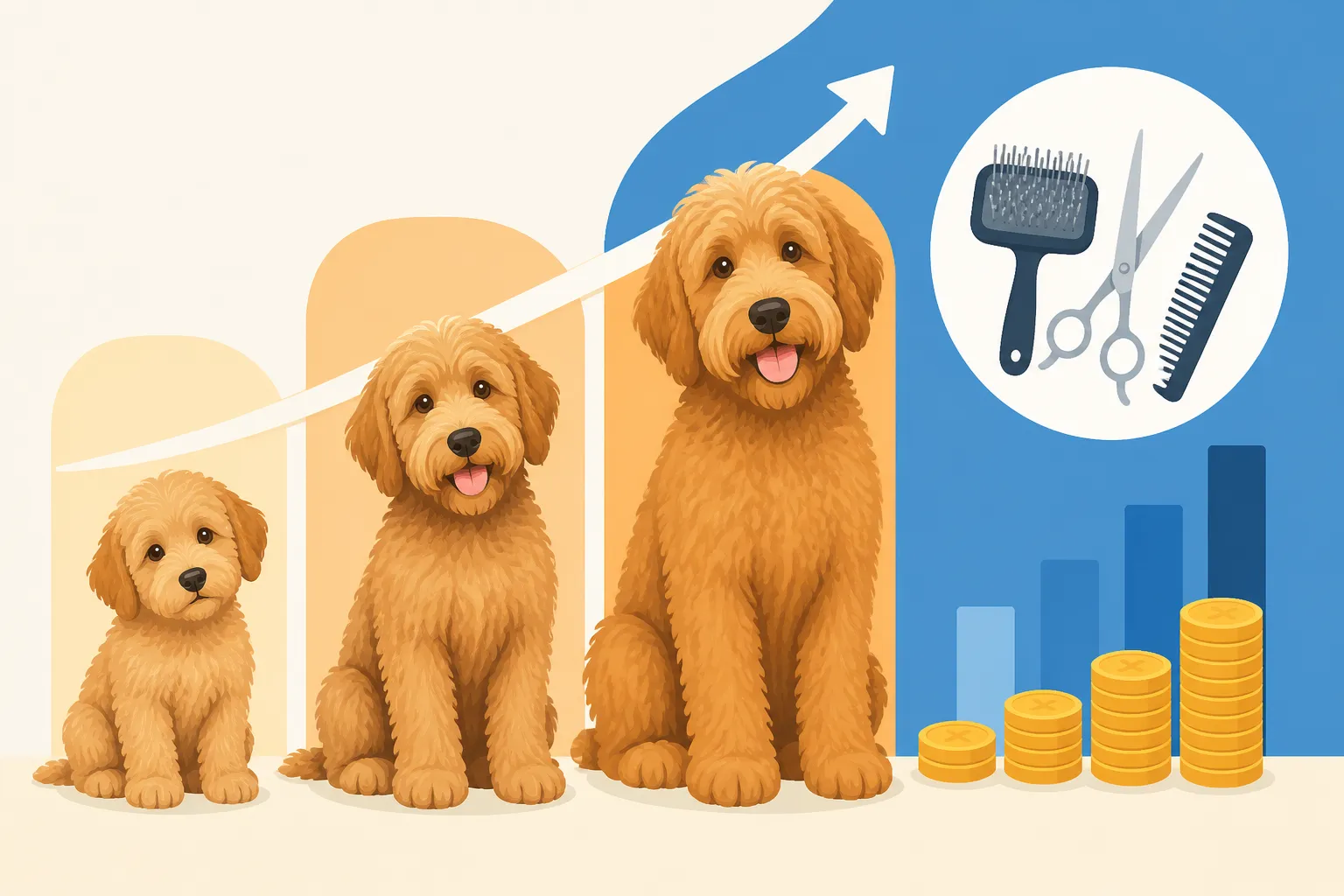
As they grow, however, everything changes. Not only does their overall size increase, meaning more dog to groom, but the very nature of their coat transforms. This increase in both size and coat density directly correlates to more time, effort, and product required from the groomer, which, in turn, influences the price you pay. It’s not just about the length; it’s about the sheer volume and texture of the hair.
The Inevitable Coat Change and Its Impact on Price
This is where the rubber meets the road for most Labradoodle owners. Around nine months to a year, sometimes a little earlier or later, your Labradoodle will go through what's known as the "coat change." This is a critical period that often catches owners by surprise and is a primary driver of rising grooming costs.
Matting Mania During Coat Change
The coat change is essentially your Labradoodle shedding its softer, more pliable puppy coat while its denser, adult coat grows in. The problem is, these two coats often intertwine, creating a perfect storm for matting. Think of it like trying to comb out two different types of hair that are shedding and growing at the same time – it becomes a tangled mess very quickly. Mats can form rapidly, often literally overnight, especially in high-friction areas like behind the ears, in the armpits, on the inside of the legs, and around the collar.
When a groomer encounters a matted coat, their work becomes exponentially more difficult and time-consuming. They can't just brush through it; they have to carefully de-mat, which can be painful and stressful for the dog, or, more often, clip the mats out. De-matting is usually an add-on service, charged by the hour, and it’s labor-intensive. If the matting is severe, the kind where you can't get a comb through it to the skin, the only humane option is often a full shave-down, which many owners try to avoid, but is sometimes unavoidable. This necessary extra effort and time directly translates to higher grooming bills. Many rescues frequently receive Labradoodles that have been surrendered largely due to the owner's inability to manage the coat through this challenging period, leading to severe matting that requires a complete shave. This is a common story, and it highlights how quickly the situation can get out of hand.
Increased Grooming Time and Skill for the Adult Coat
Once the adult coat has fully come in, whether it's a Wool Coated Labradoodle and Its Upkeep, a fleece, or even a hair coat, it demands a different level of expertise and time. The adult coat, particularly the wool and fleece varieties, is typically thicker, denser, and often has a strong curl or wave that is prone to tangling. The sheer volume of hair means more time is needed for every step of the grooming process: bathing, conditioning, drying, brushing, and scissoring.
A professional groomer will spend considerably more time meticulously line brushing to ensure they get all the way down to the skin, preventing hidden mats. They'll use specialized tools like a high-velocity dryer, which can take a good deal of time to thoroughly dry a thick Labradoodle coat. Then comes the precision scissoring and clipping to achieve the desired look, which again, is a skill honed over years. All of this additional time, specialized equipment, and trained skill means the cost will naturally be higher than for a quick puppy trim. This isn't just about cutting hair; it's about maintaining a complex coat that is designed to grow continuously.
Grooming Frequency to Combat Matting
Beyond the individual cost of each session, the frequency of professional grooms often needs to increase as a Labradoodle grows and their adult coat develops. A puppy might get away with grooms every 10-12 weeks, but an adult Labradoodle with a dense coat, especially a wool or thick fleece type, will typically need professional grooming every 6-8 weeks to prevent matting and keep their coat healthy and comfortable. Some owners even opt for every 4-5 weeks, particularly if they prefer a longer clip or if their dog is very active outdoors.
This increased frequency, while essential for the dog's well-being and to avoid more expensive de-matting fees, naturally adds up over the year. What might have been a relatively modest quarterly expense for a puppy can become a significant bi-monthly or even monthly budget line item for an adult. It's a consistent investment of time and money, but one that is crucial for avoiding discomfort and larger veterinary bills down the line due to skin issues caused by severe matting.
Factors That Continue to Influence Rising Costs Over Time
While the coat change is a major turning point, other factors continue to influence how grooming prices evolve throughout your Labradoodle's life. It’s not just a one-time jump; it’s an ongoing calculation based on several variables.
Size, Weight, and Coat Type of the Adult Dog
The final size and weight of your adult Labradoodle play a significant role. A miniature Labradoodle, even with a dense coat, will almost always be cheaper to groom than a standard-sized Labradoodle, simply because there is less dog to work with. A 60-pound standard Labradoodle requires more product, more drying time, and more physical effort from the groomer than a 20-pound miniature.
Furthermore, the specific The Three Labradoodle Coats: Hair, Fleece and Wool type your dog inherits makes a big difference. The wool coat, which is dense and curly, typically demands the most time and skill, making it the most expensive to groom. Fleece coats are often easier to manage, while hair coats, though they shed, might require less specialized attention from a groomer, potentially leading to slightly lower costs per session. However, even within coat types, variations exist. A very thick, dense fleece might take longer than a looser, wavier fleece. Owners often wonder What a Full Groom Costs on a Wool Coated Labradoodle specifically because it's known to be the most labor-intensive.
| Factor | Puppy Grooming (Approx. < 9 months) | Adult Grooming (Approx. 9+ months) | Impact on Price Shape |
|---|---|---|---|
| Dog Size | Small, growing | Full-grown (Mini, Medium, Standard) | Larger size means more hair, more time, higher cost. |
| Coat Texture | Soft, fine puppy fluff | Denser, curlier adult coat | Adult coats are harder to brush, prone to matting, higher cost. |
| Coat Density | Sparse, single-layer | Thick, often double-layer | Denser coats require longer drying and brushing, higher cost. |
| Matting Risk | Low (unless neglected) | High, especially during coat change | Mats require de-matting fees or shave-downs, significantly increasing cost. |
| Grooming Time | Shorter (30-60 minutes) | Longer (2-4 hours, depending on coat) | More time means higher labor cost. |
| Frequency Needed | Every 8-12 weeks | Every 4-8 weeks | More frequent grooms mean higher annual cost. |
| Groomer Skill Required | Basic handling & trim | Advanced scissoring & dematting | Higher skill justifies higher rates. |
Groomer's Experience and Demand
Just like in any service industry, the experience and reputation of your groomer can influence their pricing. A highly sought-after groomer with years of experience specializing in Doodles, who consistently delivers beautiful, mat-free results, will naturally charge more than a novice or someone who treats all dogs the same. If you live in an area with high demand for groomers, especially those skilled with complex coats like the Labradoodle's, prices can also be higher.
Many groomers also offer specialized services or use premium products that might add to the overall cost. Some might include teeth brushing or specialized conditioning treatments, which are optional but contribute to the overall bill. It’s worth noting that groomers are often small business owners, facing rising costs for rent, utilities, and supplies, which can also necessitate price adjustments over time. Building a strong relationship with a good groomer is invaluable, and their expertise is worth the investment.
Behavioral Challenges and Senior Care
While not directly tied to growth, a Labradoodle's behavior during grooming can impact costs at any age, and issues might become more pronounced as they get older or if they haven't been properly conditioned from a young age. A dog that is fearful, anxious, or aggressive during grooming requires more time, patience, and often a second handler, which can lead to additional "difficult dog" fees. This highlights the importance of Teaching a Labradoodle to Lie Still for a Ninety Minute Groom from puppyhood.
Similarly, as Labradoodles age, they might develop conditions like arthritis or hip dysplasia, making it uncomfortable for them to stand for long periods or be positioned in certain ways. A groomer providing senior care often needs to take more breaks, use special supportive equipment, and work more slowly and gently. While some groomers might not charge extra for this compassionate care, others may factor in the additional time and effort required for an older, less mobile dog. Caring for a Labradoodle Past Ten often involves adjustments to routine care, and grooming is no exception.
Managing Grooming Costs as Your Labradoodle Matures
The rising cost of grooming an adult Labradoodle can feel daunting, but there are definitely proactive steps you can take to keep these expenses manageable without compromising your dog's health or comfort.
Regular Home Grooming to Prevent Mats
This is, hands down, the single most impactful way to control your grooming budget. Consistent, thorough home grooming can drastically reduce the time your professional groomer needs to spend on your dog, thus lowering the cost per session. The key is knowing how to Brushing a Labradoodle to the Skin, Not the Surface. Simply skimming over the top coat with a brush isn't enough; you need to part the hair and brush in sections, ensuring the comb can glide easily through the entire length of the hair, all the way to the skin.
Invest in quality tools like a slicker brush, a metal comb, and perhaps a dematting rake (though caution is advised with these). Regular brushing, ideally several times a week, prevents the small tangles from escalating into painful, time-consuming mats. If you can present your groomer with a mat-free dog, they can focus purely on the cut and style, rather than charging you for extensive de-matting work. This habit will save you money and ensure your Labradoodle is always comfortable. Chewy offers a wide range of grooming tools and supplies that can help you maintain your dog's coat between professional appointments.
Maintaining a Shorter Clip
While the fluffy "teddy bear" look is undeniably adorable, it's also the most high-maintenance and expensive style for a Labradoodle. The longer the hair, the more prone it is to matting, and the more time and skill it takes a groomer to achieve an even, stylish cut. Opting for a shorter, more practical clip can significantly reduce both the cost per session and the frequency of grooms needed.
A "kennel clip" or a shorter "summer cut" where the body hair is clipped to an inch or less is much easier to maintain at home and less likely to mat. While it might change your Labradoodle's aesthetic, it will make their life, and your wallet, much happier. Discuss with your groomer what length would be manageable for your lifestyle and your dog's coat type. They can advise on what might look good while being easier to care for. You might even find yourself only needing professional grooms every 8-10 weeks instead of every 4-6, which adds up to substantial savings over a year. Many owners are surprised to learn that Whether a Labradoodle Should Ever Be Shaved might be a practical, rather than extreme, option in some situations, especially for matted coats.
Understanding Your Groomer's Pricing Structure
Don't be afraid to have an open conversation with your groomer about their pricing. Ask them about their base rates for different sizes and coat types. Inquire about any additional fees they charge for de-matting, aggressive behavior, or special handling. Understanding their fee structure upfront can help you manage expectations and avoid surprises.
Some groomers offer package deals for regular clients, or loyalty programs. You might also ask if they have specific recommendations for shampoos or conditioners that could help maintain your Labradoodle's coat at home, reducing the groomer's work. Remember, a good groomer wants your dog to be comfortable and for you to be a happy client. They can often provide invaluable advice on home care techniques that will save you money in the long run.
While grooming costs are a direct expense, it's also wise to consider broader financial planning for your Labradoodle's health. Pet insurance from providers like Healthy Paws, while generally not covering routine grooming, can be a lifesaver for unexpected accidents or illnesses that might arise, ensuring you can afford necessary veterinary care. For daily wellness, premium dog food like Ollie's fresh food options can contribute to a healthy coat from the inside out, potentially making grooming a bit easier.
Disclaimer
This article is for general informational purposes only and does not constitute professional advice. Laws, prices and regulations vary by location and change over time. Consult a qualified professional for guidance on your specific situation.