Whether Any Labradoodle Beats a Labrador’s Lifespan
It's a question many prospective Labradoodle owners ponder: will this wonderful crossbreed really live longer than its Labrador parent? You've heard whispers about "hybrid vigor" and the robust nature of doodles, but how does that stack up against the well-loved Labrador Retriever? This guide is here to untangle the nuances of Labradoodle and Labrador lifespans, exploring the factors that truly contribute to a dog's longevity and what you, as an owner, can do to maximize their healthy years.
Understanding the Lifespan Averages: Labradors vs. Labradoodles
When we bring a dog into our lives, we all hope for as many years as possible with our furry companions. The expectation of a long, healthy life often plays a significant role in our choice of breed. Let's delve into the typical lifespan expectations for both the purebred Labrador Retriever and the popular Labradoodle.
The Typical Labrador Lifespan
The Labrador Retriever is, without a doubt, one of America's most beloved dog breeds. Known for their friendly disposition, intelligence, and eagerness to please, they make fantastic family pets and working dogs. However, like all purebreds, they come with a known set of predispositions to certain health conditions. On average, a Labrador Retriever typically lives between 10 to 12 years. This is a respectable lifespan for a large breed dog.
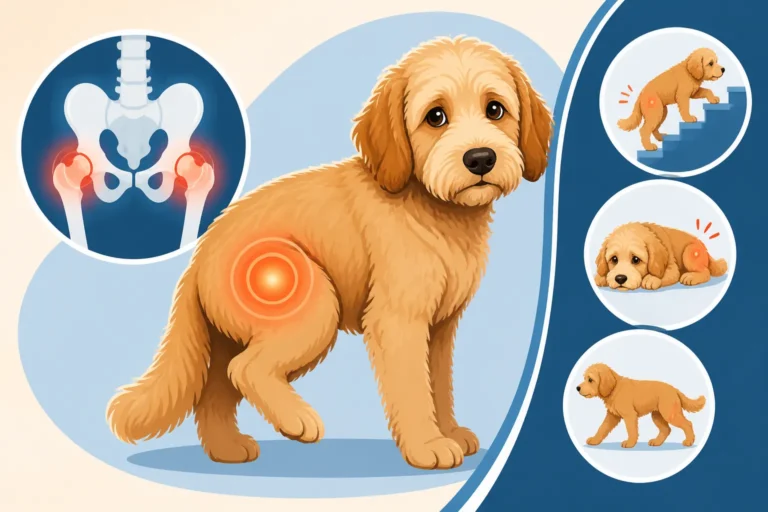
Throughout their lives, Labradors are often prone to specific issues that can impact their overall health and longevity. For instance, hip and elbow dysplasia are unfortunately common in the breed, sometimes necessitating extensive care and even surgery as they age. Conditions like exercise-induced collapse (EIC) are also more prevalent in Labradors, requiring careful management to prevent episodes. Many Labradors are also prone to obesity, which can significantly shorten their lifespan and exacerbate other health problems like arthritis and diabetes. Regular veterinary check-ups are crucial for catching these issues early, and understanding What Labradoodles Most Often Die Of can give you a grim but realistic perspective on breed-specific risks.
What We See in Labradoodles
Now, let's turn our attention to the Labradoodle, a cross between a Labrador Retriever and a Poodle. The idea behind this cross was to create a dog with the friendly temperament of a Labrador and the low-shedding coat of a Poodle, originally intended for guide dog work. When it comes to lifespan, many sources suggest that Labradoodles often live a bit longer than their purebred Labrador parent, with an average range of 10 to 14 years. Some even report The Twelve to Fifteen Years a Labradoodle Lives, pushing the upper limit a little higher.
This slight increase in average lifespan can be attributed to several factors, which we'll discuss further, including the potential benefits of hybrid vigor. However, it's important to remember that a Labradoodle isn't just a Labrador with a Poodle coat; they inherit a genetic blueprint from both parent breeds. This means they can be susceptible to health conditions found in Labradors, Poodles, or even unique combinations thereof. Owners often face the challenge of understanding this mixed genetic heritage and how it translates into their dog's health profile.
The Hybrid Vigor Debate and Longevity
The concept of "hybrid vigor," also known as heterosis, is often cited as a reason why crossbreeds like the Labradoodle might enjoy a longer, healthier life. The theory suggests that when you breed two genetically diverse purebreds, their offspring benefit from a wider gene pool. This genetic diversity can theoretically reduce the likelihood of inheriting recessive genetic diseases that might be common within a more inbred purebred population. If one parent carries a gene for a specific disease, but the other parent does not, the offspring might only be a carrier and not express the disease itself. This is why some believe Whether Hybrid Vigor Is Real in a Labradoodle and contributes to their vitality.
However, hybrid vigor isn't a magic bullet. It's most pronounced in the first generation (F1) cross, where two distinct purebreds are bred directly. In later generations of Labradoodles (F2, F3, or multi-generational Labradoodles), where Labradoodles are bred to other Labradoodles, the genetic diversity can start to narrow again. If breeders aren't careful with their genetic selections, the benefits of hybrid vigor can diminish, and specific recessive genes can become more prevalent. The overall health and longevity of a Labradoodle depend not just on the concept of hybrid vigor, but heavily on the health testing and ethical breeding practices of the parents.
Common Health Challenges That Impact Longevity in Both Breeds
Understanding the health predispositions of both parent breeds is paramount for any Labradoodle owner. It allows for proactive care and helps you recognize early signs of potential issues, which can significantly impact your dog's quality of life and longevity.
Shared Genetic Predispositions
Because the Labradoodle is half Labrador, it naturally inherits some of the Labrador Retriever's genetic predispositions. This includes a higher risk for conditions like hip and elbow dysplasia, common orthopedic problems that can lead to arthritis and mobility issues later in life. Imagine your energetic Labradoodle puppy, full of boundless energy, only to face stiffness and pain in their golden years if these conditions aren't managed or prevented. It's a heartbreaking thought, but knowledge is power. For detailed insights, you might want to look into Hips and Elbows in a Sixty Pound Labradoodle.
Another significant concern inherited from the Labrador side is Exercise Induced Collapse (EIC). This genetic neuromuscular disorder can cause otherwise healthy dogs to lose muscle control and collapse after intense exercise or excitement. While not typically life-threatening if managed, repeated episodes can certainly impact a dog's overall well-being and restrict their activity levels. Owners must be vigilant and understand Exercise Induced Collapse and the Labradoodle's Labrador Half to recognize and manage this condition effectively. Responsible breeders will screen for these genetic markers, giving you a clearer picture of your puppy's potential health trajectory.
Poodle-Specific Influences on Labradoodle Health
From the Poodle side, Labradoodles can inherit a different set of potential health challenges. One of the more serious concerns is Addison's Disease, also known as hypoadrenocorticism. This endocrine disorder affects the adrenal glands' ability to produce necessary hormones, leading to a range of vague symptoms that can be easily missed until a crisis occurs. It’s a condition that can be life-limiting if not diagnosed and managed, requiring lifelong medication. Understanding Addison's Disease a Labradoodle Inherits From the Poodle is crucial for early detection and ongoing care.
Another significant Poodle-related health concern is Progressive Retinal Atrophy (PRA), particularly the prcd-PRA form. This is a group of genetic diseases that cause the degeneration of the retina, eventually leading to blindness. While not directly life-threatening, it can profoundly impact a dog's quality of life. Reputable breeders should conduct The prcd-PRA Test Both Labradoodle Parents Need to ensure they are not passing on this devastating condition.
Furthermore, Poodles, especially Standard Poodles, are known for their deep chests, which can unfortunately predispose them to Gastric Dilatation-Volvulus (GDV), more commonly known as bloat. This is a life-threatening emergency where the stomach fills with gas and can twist, cutting off blood supply. This risk is then passed on to their Labradoodle offspring. Being aware of Bloat Risk in a Standard Poodle Bred Labradoodle and its symptoms is vital for any Labradoodle owner.
The Role of Responsible Breeding and Health Testing
Given the mix of potential health issues from both parent breeds, the importance of responsible breeding cannot be overstated. A truly ethical breeder will conduct extensive health testing on their breeding stock for common hereditary conditions found in both Labradors and Poodles. This includes, but isn't limited to, hip and elbow evaluations, eye certifications (like OFA CAER exams), genetic testing for EIC, prcd-PRA, and sometimes even Addison's disease markers, although a direct genetic test for Addison's is not yet widely available or conclusive.
When considering a Labradoodle puppy, asking to see the health clearances of both parents is not just a good idea, it's essential. This proactive approach significantly increases the chances of your puppy having a healthier start and potentially a longer life. While no breeder can guarantee a dog will never develop a health issue, thorough health testing reduces the risk of known hereditary problems. This is a critical factor in Whether Health Tested Parents Add Years to a Labradoodle.
Table: Common Health Concerns by Parent Breed
| Condition | Primary Parent Breed Influence | Impact on Lifespan/Quality of Life |
|---|---|---|
| Hip Dysplasia | Labrador Retriever | Pain, reduced mobility, arthritis; can shorten active life. |
| Elbow Dysplasia | Labrador Retriever | Pain, lameness, arthritis; can shorten active life. |
| Exercise Induced Collapse | Labrador Retriever | Restricts activity, potential injury during collapse. |
| Progressive Retinal Atrophy | Poodle | Leads to blindness; impacts quality of life. |
| Addison's Disease | Poodle | Life-threatening if untreated; requires lifelong medication. |
| Bloat (GDV) | Poodle | Life-threatening emergency; immediate veterinary care needed. |
| Sebaceous Adenitis | Poodle | Chronic skin condition, discomfort, hair loss. |
| Certain Cancers | Both | Can significantly shorten lifespan, costly to treat. |
Investing in comprehensive pet insurance, such as through providers like Healthy Paws, can also be a lifeline for owners facing unexpected health challenges. It offers peace of mind, knowing you can provide the best care without financial strain, should your Labradoodle encounter any of these issues.
Nurturing Longevity: What Owners Can Control
While genetics play a huge role in a dog's potential lifespan, an owner's daily care and attention are equally, if not more, crucial. You have the power to influence your Labradoodle's health, happiness, and ultimately, how many vibrant years they share with you.
Nutrition and Weight Management
One of the most significant factors you can control is your Labradoodle's diet and weight. Labradors are notoriously food-motivated, and this trait is often passed on to Labradoodles. It's easy to overfeed a dog that always seems hungry, but obesity is a rampant issue in dogs and can shave years off their lives. Excess weight puts undue stress on joints (especially those already prone to dysplasia), increases the risk of heart disease, diabetes, and certain cancers. It’s a silent killer that creeps up on many owners.
Feeding a high-quality, balanced diet appropriate for your dog's age, size, and activity level is foundational. This means choosing a reputable dog food and carefully measuring portions. Don't just "eyeball" it! Treats should be given sparingly and ideally be healthy options. Regular body condition scoring, where you can feel your dog's ribs and see a waistline, is much more important than just going by a number on the scale. Learning The Weight a Labradoodle Puts On Without Anyone Noticing is key to staying ahead of this common problem. A proactive approach to diet, perhaps even considering consultations with veterinary nutritionists, can ensure your Labradoodle maintains an ideal body weight throughout their life, significantly contributing to their longevity.
Exercise, Mental Stimulation, and Preventative Care
Labradoodles are intelligent, energetic dogs that require a good amount of physical and mental exercise to thrive. A well-exercised dog is not only happier but also healthier. Regular walks, playtime, and opportunities to run in a secure area help maintain muscle tone, joint health, and a healthy metabolism. Just like humans, a sedentary lifestyle can lead to a host of health problems. The Labrador side contributes a strong desire for activity, and the Poodle side adds intelligence and a need for mental engagement.
Beyond physical activity, mental stimulation is vital. Puzzle toys, training sessions, and interactive games keep their minds sharp and prevent boredom-induced destructive behaviors. Engaging their brains is just as important as exercising their bodies.
Preventative veterinary care forms the backbone of ensuring a long, healthy life. This includes annual check-ups, vaccinations, parasite prevention (fleas, ticks, heartworm), and regular dental care. Many serious health conditions can be caught early during routine exams, allowing for more effective treatment. For instance, dental disease can lead to serious systemic infections affecting the heart, kidneys, and liver if left unchecked. Discussing The Yearly Screening a Labradoodle Should Get with your vet is a great way to stay on top of age-appropriate diagnostics and health management. Remember, addressing small issues before they become big ones is always the best strategy for longevity.
Adapting Care for an Aging Labradoodle
As your Labradoodle transitions into their senior years, their needs will change, and adapting your care routine becomes paramount for Keeping a Labradoodle Sound Into Its Teens. Typically, a Labradoodle is considered senior around 8 to 10 years old, but this can vary depending on their size and individual health. Just like people, older dogs may experience reduced mobility, changes in vision or hearing, a slower metabolism, and increased susceptibility to certain diseases, including cancer.
Adjustments might include switching to a senior-specific diet, modifying exercise routines to be shorter and less intense but still consistent, and providing orthopedic beds for joint comfort. Regular, often twice-yearly, veterinary check-ups become even more critical during these years. These check-ups should include comprehensive blood work to monitor organ function and look for early signs of conditions like thyroid failure or kidney disease. It's a journey, and supporting your senior Labradoodle through its golden years with patience, adapted care, and vigilant veterinary attention can truly extend their comfortable lifespan. Many Healthy Paws customers find great comfort in knowing their aging companion's increasing veterinary needs are covered, allowing them to focus on quality of life.
Disclaimer
This article is for general informational purposes only and does not constitute professional advice. Laws, prices and regulations vary by location and change over time. Consult a qualified professional for guidance on your specific situation.