Whether a Labradoodle’s Ear Hair Causes Its Infections
It's a common, heartbreaking frustration for Labradoodle owners: the constant battle against recurring ear infections. You love their floppy, expressive ears, but sometimes it feels like they're a magnet for trouble, and the whisper often goes around that it’s all down to that abundant ear hair. This guide is here to dig deep into whether that internal ear fluff is truly the culprit and what you can actually do to keep your beloved Labradoodle's ears healthy and happy.
Understanding the Labradoodle Ear: A Unique Anatomy
When you bring a Labradoodle into your home, you're getting a wonderful blend of two fantastic breeds: the Labrador Retriever and the Poodle. But this blend also means a unique anatomical predisposition to certain issues, and their ears are definitely one of them. It's not just about the hair; it's about the whole package.
The Pendulous Ear Canal
Think about a human ear canal – it's relatively short and open. Now imagine your Labradoodle's ear. Those adorable, floppy ears create a perfect, enclosed environment. The ear canal itself often takes a sharp turn, becoming L-shaped. This design, inherited from both parent breeds, means that air circulation is naturally poor, and any moisture or debris that gets in has a much harder time finding its way out. It’s like a warm, humid cave that pathogens just love to call home. This anatomical reality is a significant factor in why Ear Infections Built Into a Labradoodle's Drop Ear are so common.
The Poodle's Genetic Contribution to Ear Hair
Here's where the ear hair conversation really comes into play. Poodles, known for their non-shedding coats, also have hair that grows inside their ear canals. This trait is often passed on to Labradoodles, especially those with wool or fleece coats. While many people believe this ear hair is the primary cause of infections, its role is a bit more nuanced. The hair itself isn't inherently bad, but it can act as a net, trapping wax, dirt, and moisture deep within that already poorly ventilated canal. It effectively creates a thicker, denser barrier against air movement and makes it even harder for the ear to naturally clear itself. This is really about The Hair That Grows Where a Labradoodle's Ear Should Drain, and how it impedes natural processes.
The Labrador's Impact on Ear Environment
While the Poodle brings the hair, the Labrador contributes its love for water. Many Labradoodles inherit that strong retrieving instinct and a genuine passion for swimming, splashing in puddles, or even just enjoying a good bath. The problem is, water can get trapped easily in those pendulous ears, especially if they have a lot of internal hair. When you combine this moisture with poor air circulation and potentially a dense mat of hair, you've got a recipe for bacterial and yeast overgrowth. Even without excessive hair, the deep, dark, moist environment created by wet, floppy ears makes them susceptible.
The Role of Ear Hair in Infections
Let's address the elephant in the room: does ear hair cause infections? It's not a direct cause, like a specific bacterium, but it definitely creates an environment where infections can thrive. It's more of a contributing factor, exacerbating issues that might otherwise be minor.
Trapped Moisture and Debris
Imagine a thick carpet at the bottom of a dark, damp cave. That's essentially what excessive ear hair can become in your Labradoodle's ear canal. When your dog plays outside, runs through dusty fields, or takes a dip in the lake, tiny particles of dirt, pollen, and even water droplets get caught in that hair. Because the ear canal is already enclosed, there's no easy way for these foreign bodies to work their way out. Over time, this trapped debris and moisture create an ideal breeding ground for bacteria and yeast, which are the real infectious agents. It’s a vicious cycle that many owners know all too well.
Reduced Air Circulation and Yeast Overgrowth
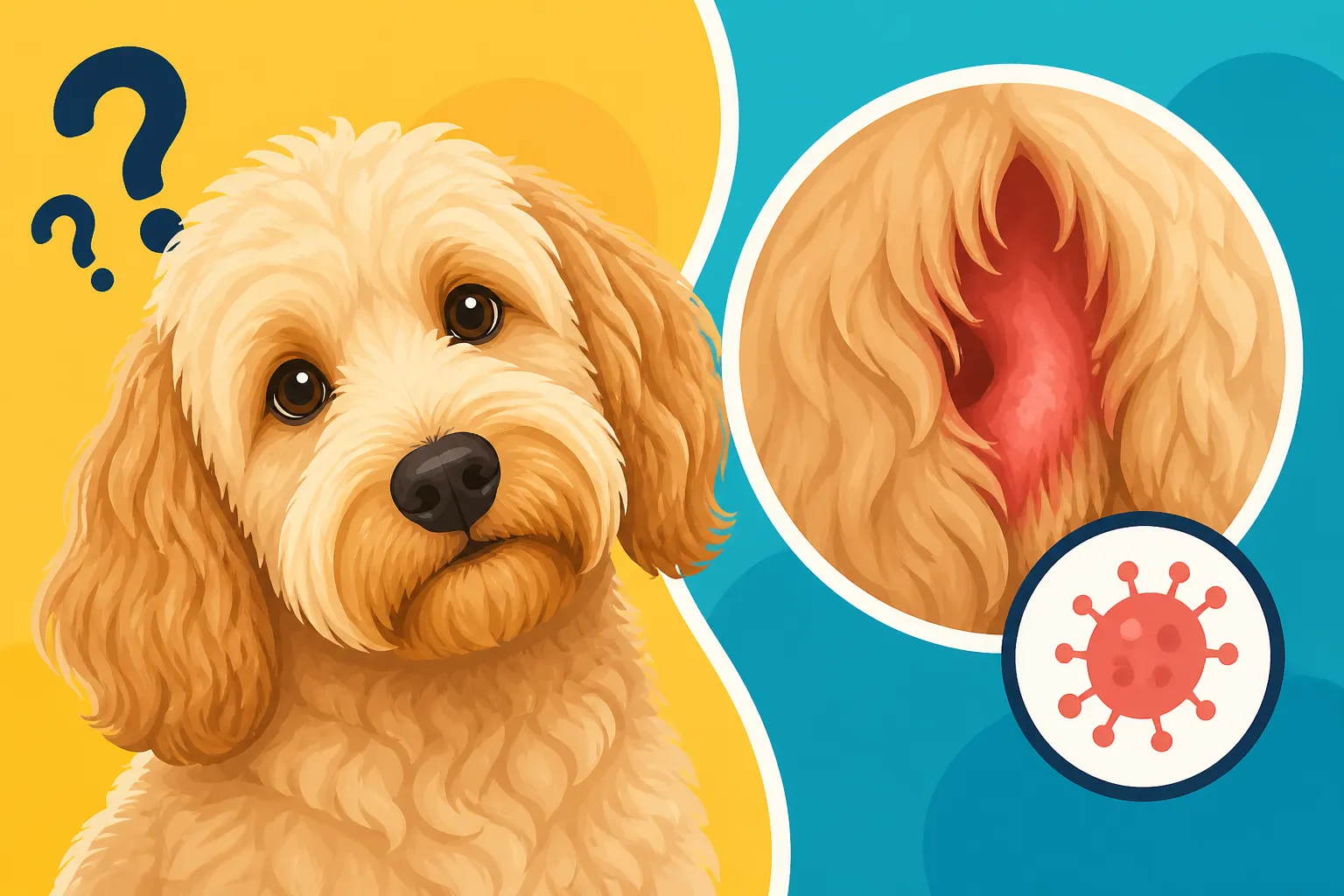
The main issue with dense ear hair is its effect on air circulation. Good airflow helps keep the ear canal dry and cool, which discourages microbial growth. When thick hair clogs the canal, it acts as an insulating layer, trapping warmth and humidity. This warm, moist environment is a veritable paradise for yeast, particularly Malassezia pachydermatis, a common culprit in canine ear infections. Yeast infections often manifest with a strong, distinct odor and a dark, waxy discharge, making your poor pup incredibly itchy and uncomfortable. The combination of a pendulous ear and heavy internal hair can make managing Whether a Wool Coated Labradoodle Gets More Ear Infections a lifelong endeavor.
The Debate: To Pluck or Not to Pluck?
This is one of the most hotly debated topics among Labradoodle owners and even veterinarians. For years, routine ear plucking was considered standard practice to prevent infections, the logic being that removing the hair would improve airflow and reduce trapped debris. However, modern veterinary thought has evolved. Plucking, especially if done aggressively or incorrectly, can cause micro-traumas to the delicate skin lining the ear canal. These tiny wounds can then become entry points for bacteria, actually increasing the risk of infection. Think of it like pulling hair from your own nose – it hurts, and it can leave the skin irritated.
Many vets now recommend a more cautious approach. If the hair is truly dense and causing significant issues, a very gentle, minimal plucking or trimming might be considered by a professional groomer or vet. But for many Labradoodles, regular cleaning and leaving the hair alone is the better option. It truly boils down to individual ear health and what your veterinarian advises based on examination. If you're wondering about Whether Ear Hair Should Be Plucked on a Labradoodle, it's crucial to have a conversation with your vet.
Other Contributors to Labradoodle Ear Infections
While ear hair plays a role, it's rarely the sole cause. Often, ear infections are multifactorial, meaning several elements combine to create the problem. Understanding these other factors is key to truly tackling recurring issues.
Allergies: The Silent Culprit
If your Labradoodle suffers from chronic ear infections, especially if they're also itchy elsewhere on their body, environmental or food allergies are highly likely suspects. Just like humans, dogs can develop allergies to pollen, dust mites, certain food ingredients (like chicken or beef), or even household cleaning products. When an allergic reaction occurs, the body's immune system overreacts, leading to inflammation. In the ears, this inflammation causes swelling, increased wax production, and a compromised skin barrier, making the ear canal ripe for secondary bacterial or yeast infections. Many owners notice their dogs constantly scratching, shaking their heads, or rubbing their ears on furniture. This is often an early sign that Allergies Behind a Labradoodle's Itching are contributing to ear problems.
Swimming and Water Exposure
We touched on this earlier, but it bears repeating: Labradoodles generally love water. Whether it's a swim in the ocean, a splash in the pool, or a run through the sprinklers, water can easily get trapped in those floppy, furry ears. Even after a bath, if the ears aren't thoroughly dried, lingering moisture can create the perfect humid breeding ground for bacteria and yeast. This is why it's so important to be proactive with ear care, especially if your Labradoodle is a frequent swimmer. Understanding Whether Swimming Sets Off a Labradoodle's Ears is critical for water-loving pups.
Inadequate Cleaning Practices
Sometimes, well-meaning owners can inadvertently contribute to ear problems through inconsistent or improper cleaning. If ears aren't cleaned regularly, wax and debris can build up, regardless of how much hair is present. Conversely, over-cleaning with harsh solutions or cotton swabs can irritate the delicate ear canal, leading to inflammation and actually pushing debris deeper into the ear. Finding the right balance and technique is crucial for ear health. It’s not about scrubbing aggressively, but gently flushing and wiping to maintain a healthy environment.
Preventative Care and Management Strategies
The good news is that with a proactive approach and a little consistency, many Labradoodle ear issues can be managed, or even prevented. It takes dedication, but seeing your pup comfortable and happy is absolutely worth it.
Regular Cleaning Routines
Establishing a regular ear cleaning routine is paramount. For many Labradoodles, a weekly cleaning is sufficient, but those prone to infections or frequent swimmers might need it more often. Use a veterinary-approved ear cleaner that is designed to gently break down wax and dry the ear canal.
Here’s a basic routine:
- Gather Supplies: You'll need your ear cleaner and cotton balls or gauze pads (avoid cotton swabs, which can push debris further in).
- Apply Cleaner: Hold your Labradoodle's ear flap up and fill the ear canal with the cleaning solution. Don't be shy; you want to get it down there.
- Massage: Gently massage the base of the ear for about 30 seconds. You should hear a squishy sound as the cleaner works its way around. This helps loosen wax and debris.
- Allow Shaking: Let your dog shake their head. This helps to dislodge the loosened gunk. Stand back – it can get messy!
- Wipe Clean: Use a cotton ball or gauze to wipe away any visible dirt, wax, and excess cleaner from the outer ear and the opening of the ear canal. Only go as far as your finger can comfortably reach.
- Reward: Always finish with a treat and praise to make it a positive experience.
Consistency is key here. Think of it like brushing your own teeth – a little bit often is better than a huge scrub once a month. You can find more detailed guidance on How Often a Labradoodle's Ears Should Be Cleaned to tailor your routine.
Professional Grooming and Ear Maintenance
Regular professional grooming is vital for Labradoodles, and a good groomer will also pay attention to ear health. While the debate about plucking continues, many groomers are skilled in carefully trimming hair from around the opening of the ear canal and very gently removing only the most obstructive internal hair, if necessary. The goal is to improve airflow without causing irritation.
It’s always a good idea to discuss your Labradoodle's ear history with your groomer. They can work in conjunction with your veterinarian to ensure the best approach. Some groomers might also recommend a "sanitary clip" around the ears to ensure no external mats pull on the ear leather and contribute to discomfort or impede airflow to the outside of the canal.
Dietary Considerations and Allergy Management
If allergies are suspected, addressing them proactively can significantly reduce ear infections. This might involve working with your vet to identify specific allergens through elimination diets or allergy testing. For food allergies, switching to a novel protein diet or a hydrolyzed protein diet can make a huge difference. For environmental allergies, your vet might suggest antihistamines, specialized shampoos, or even allergy shots (immunotherapy).
Many pet food brands like Hill's Prescription Diet and Purina Pro Plan offer specialized formulas for dogs with sensitivities. While changing food can be an investment, the relief it can bring to a constantly itchy Labradoodle is immeasurable, and it can save you money on repeated vet visits for ear infections in the long run. If your Labradoodle is constantly battling these issues, it's worth exploring Whether Repeat Ear Infections Mean a Labradoodle Has Allergies.
When to Seek Veterinary Help
Even with the best preventative care, ear infections can sometimes crop up. Knowing when to call your vet is crucial for timely treatment and preventing more serious complications.
Recognizing the Signs of Infection
Your Labradoodle can't tell you their ear hurts, so it's up to you to be vigilant. Watch for any of these signs:
- Head Shaking: More frequent or vigorous than usual.
- Ear Scratching: Pawing at the ear or rubbing it against furniture.
- Redness or Swelling: Inside the ear flap or around the ear canal opening.
- Discharge: Yellow, brown, or black discharge, which might be waxy or pus-like.
- Odor: A strong, often yeasty or pungent smell coming from the ear.
- Pain: Your dog flinches, cries, or acts aggressively when you touch their ear.
- Crusts or Scabs: On the ear flap or inside the ear.
- Head Tilt: Holding their head at an unusual angle.
Never ignore these symptoms, as an untreated ear infection can lead to chronic pain, deafness, or even spread to the middle or inner ear.
Diagnostic Process and Treatment Options
When you take your Labradoodle to the vet for an ear infection, they will perform a thorough examination. This usually includes:
- Otoscopic Exam: Using an otoscope to look deep into the ear canal, checking for foreign bodies, polyps, tumors, a ruptured eardrum, or simply assessing the severity of inflammation and discharge.
- Cytology: Taking a swab of the discharge and examining it under a microscope to identify whether bacteria, yeast, or both are present, and which specific types. This guides treatment.
- Culture and Sensitivity: For severe or recurrent infections, a culture might be sent to a lab to identify the exact bacteria and determine which antibiotics will be most effective.
Treatment typically involves a course of medicated ear drops or ointments (antibiotics, antifungals, or anti-inflammatories, or a combination). In some cases, oral medications may also be prescribed. Your vet might also perform an initial deep cleaning under sedation if the ear is very painful or packed with debris.
Financial Planning for Chronic Ear Issues
Let's be realistic: chronic ear infections can get expensive. Multiple vet visits, diagnostics, various medications, and potential specialist referrals to a veterinary dermatologist (to understand What a Dermatology Referral Runs for a Labradoodle) can add up quickly. This is where pet insurance can be a real lifesaver. Companies like Healthy Paws offer comprehensive coverage that can help offset the costs of diagnosing and treating recurring conditions like ear infections, as long as the condition wasn't present before you enrolled your pet. Having a plan in place, whether it's insurance or a dedicated savings account, means you can always provide the best care without financial stress. Planning for unforeseen medical expenses, especially those that can become chronic, is a smart move for any pet owner.
By understanding the unique anatomy of your Labradoodle's ears, the complex role ear hair plays, and the many other factors that contribute to infections, you can be better equipped to keep those adorable floppy ears healthy. Consistent preventative care and prompt veterinary attention are your best friends in this ongoing journey.
| Ear Health Factor | Contribution to Infection | Prevention/Management Strategy |
|---|---|---|
| Ear Hair | Traps moisture/debris, reduces airflow. | Gentle trimming by pro, regular cleaning. Pluck minimally, if at all. |
| Pendulous Ear | Poor ventilation, enclosed environment. | Regular cleaning, ensure thorough drying after water. |
| Moisture/Swimming | Creates humid breeding ground. | Dry ears thoroughly after any water exposure. |
| Allergies | Inflammation, increased wax, compromised skin barrier. | Vet diagnosis, elimination diet, antihistamines, immunotherapy. |
| Inadequate Cleaning | Debris/wax buildup, irritation. | Follow vet-recommended cleaning schedule & technique with approved cleaner. |
Disclaimer
Please remember that the information provided in this guide is for educational purposes only and should not replace professional veterinary advice. Always consult with a qualified veterinarian for any health concerns or before making any decisions about your Labradoodle's care or treatment.