Torn Cruciates in an Active Labradoodle
There's nothing quite like the sight of your active Labradoodle bounding across the park, full of joyous energy. But that heart-stopping moment when they suddenly pull up lame, holding a leg awkwardly, can send a wave of panic through any devoted owner. One of the most common and distressing injuries an active Labradoodle can face is a torn cruciate ligament, an issue that impacts their knee and can drastically limit their mobility. This comprehensive guide will walk you through understanding what a torn cruciate is, how to spot the signs, the diagnostic process, and the various treatment paths available, helping you navigate this challenging experience with your beloved furry friend.
Understanding the Canine Cruciate Ligament
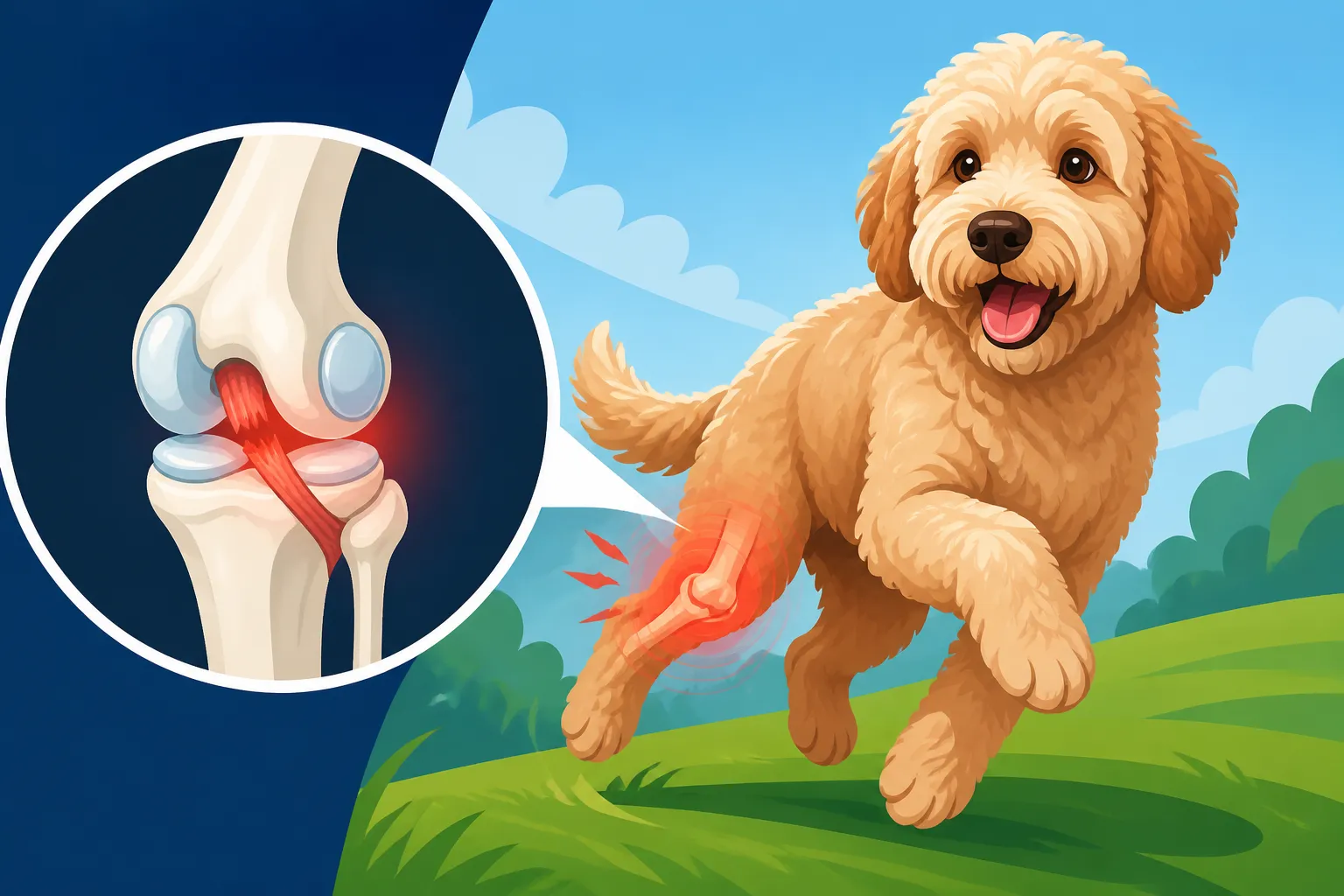
When we talk about a "torn cruciate" in dogs, we're usually referring to the cranial cruciate ligament (CCL), which is similar to the anterior cruciate ligament (ACL) in humans. This vital ligament is nestled within your Labradoodle's knee joint, connecting the femur (thigh bone) to the tibia (shin bone). Its job is crucial: it prevents the tibia from sliding forward relative to the femur and limits internal rotation of the joint. When this ligament tears, either partially or completely, it destabilizes the knee, leading to pain, lameness, and ultimately, arthritis if left untreated.
The Anatomy of the Canine Knee
Imagine your Labradoodle's knee, also known as the stifle joint, as a complex hinge designed for powerful movement and shock absorption. It's a marvel of engineering, but also a point of vulnerability. The joint is made up of several bones: the femur above, the tibia and fibula below, and the patella (kneecap) gliding in front. These bones are held together by a network of ligaments, with the cranial and caudal cruciate ligaments forming an "X" shape inside the joint – hence the term "cruciate," meaning cross-shaped.
Beyond the cruciates, there are also collateral ligaments on the sides of the knee, and menisci – two C-shaped cartilage pads that act as shock absorbers and help with joint stability. When a Labradoodle tears its cranial cruciate ligament, it's not just the ligament itself that's often affected. The sudden instability can frequently cause damage to the medial meniscus, complicating the injury and often leading to more intense pain and a longer recovery if not addressed. Understanding this intricate structure helps explain why a tear in even one ligament can have such widespread consequences for your dog's mobility and comfort.
How Cruciate Ligaments Tear
Unlike human ACL tears, which are often the result of sudden, traumatic sporting injuries (think basketball players pivoting sharply), canine CCL tears are more commonly degenerative. This means the ligament weakens and deteriorates over time, making it susceptible to tearing even with minimal stress. Picture it like a fraying rope that eventually snaps. Your active Labradoodle, known for its zest for life and often robust build, might be putting repeated stress on an already compromised ligament during everyday activities like running, jumping, or even just twisting awkwardly while playing.
While a sudden misstep during a spirited game of fetch can certainly be the final straw for an already weakened ligament, many owners report their dog's lameness appearing gradually or after seemingly innocuous activity. It’s a frustrating reality for many Labradoodle owners: you’re doing everything right, providing a loving home, exercise, and good nutrition, and yet this injury can still strike. It's not always a single, dramatic event, but rather the culmination of microscopic damage that weakens the ligament until it can no longer withstand normal forces.
Why Labradoodles Can Be Prone to Cruciate Injuries
Labradoodles, being a crossbreed of Labrador Retrievers and Poodles, inherit traits from both sides, including their robust, active nature. This energy is one of their most beloved qualities, but it can also predispose them to certain orthopedic challenges, including cruciate ligament tears. While no breed is entirely immune, the combination of genetic predispositions and lifestyle factors can put Labradoodles at a higher risk.
Genetic Predisposition and Breed Characteristics
Both parent breeds, Labradors and Poodles, have documented predispositions to orthopedic issues, and unfortunately, these can sometimes be passed down or even amplified in their offspring. Large to medium-sized breeds, particularly those with an active lifestyle and a genetic predisposition to joint laxity or specific conformations, are often more susceptible to CCL tears. Some studies suggest a genetic component to CCL disease, indicating that certain lines may be more prone to ligament degeneration.
While it's not a guarantee that your Labradoodle will suffer a cruciate tear, understanding these underlying factors can help you be more vigilant. It's one of the reasons why reputable breeders often perform extensive health testing on parent dogs, hoping to reduce the incidence of such conditions. Discussing things like Whether Health Tested Parents Add Years to a Labradoodle and looking into The Health Tests a Labradoodle Breeder Should Show can be vital steps when choosing a puppy.
The Impact of an Active Lifestyle
Labradoodles are generally energetic, intelligent dogs that thrive on activity. They love to run, jump, swim, and play, making them wonderful companions for active families. However, this very athleticism, combined with the often-unpredictable movements of play, can put significant stress on their joints, especially the knees. A sudden stop, a sharp turn, or an awkward landing can place immense force on the CCL.
Think about a typical day for your Labradoodle: a vigorous walk, a romp in the yard with another dog, chasing a ball, or even just jumping off the couch. Each of these activities involves movements that, over time, can contribute to the wear and tear of the cruciate ligament. While we certainly don't want to stifle their joy, understanding this risk helps us appreciate the importance of controlled exercise and monitoring for any early signs of lameness. It's a delicate balance to provide The Exercise a Labradoodle Needs Before It Behaves without overdoing it and risking injury.
Recognizing the Signs of a Torn Cruciate in Your Labradoodle
Spotting a torn cruciate can sometimes be tricky because the signs can vary depending on whether the tear is acute (sudden and complete) or chronic (gradual and partial). As a Labradoodle owner, being observant of your dog's movement and behavior is your best tool for early detection.
Sudden Lameness vs. Subtle Limping
An acute, complete CCL tear often manifests as sudden, non-weight-bearing lameness. Your Labradoodle might be running happily one moment, let out a yelp, and then hold up a hind leg completely, refusing to put any weight on it. This is typically a clear emergency, and you'll know something is seriously wrong. It’s a heartbreaking sight, watching your vibrant dog suddenly unable to move properly.
More commonly, however, Labradoodles might present with a more subtle, on-again, off-again limp. This is often indicative of a partial tear, where the ligament is damaged but not completely severed. You might notice them limping after exercise, favoring a leg in the morning, or perhaps struggling to jump onto furniture they once easily scaled. The lameness might even seem to improve for a few days with rest, only to return when activity resumes. This intermittent nature can make it frustrating for owners, sometimes leading to delayed diagnosis as they hope it's "just a sprain."
Changes in Gait and Posture
Beyond limping, there are other tell-tale signs to watch for in your Labradoodle. You might notice a change in their gait, often described as a "toe-touching" or "stiff-legged" walk, where they try to avoid bending the knee fully. They may also develop a "sit test" positive posture – instead of sitting squarely with both hind legs tucked under them, they might sit with the affected leg extended out to the side for comfort. This is a subtle but significant sign that often points to knee pain.
You might also observe muscle atrophy (wasting) in the affected leg over time, as they use it less. The knee joint itself might appear swollen or feel warm to the touch. Another common sign is decreased activity or reluctance to engage in their usual playtime. Your Labradoodle might be hesitant to go for walks, climb stairs, or jump into the car. These seemingly minor changes can accumulate, signaling a deeper issue that needs attention. Remember, your active Labradoodle is usually eager to play, so any noticeable decrease in their enthusiasm or ability warrants investigation.
Diagnosis and Initial Management
Once you suspect a cruciate tear, the next step is a visit to your veterinarian. Early and accurate diagnosis is crucial for determining the best course of action and preventing further damage or the onset of severe arthritis.
Veterinary Examination and Palpation
Your vet will start with a thorough physical examination, observing your Labradoodle's gait and how they bear weight. The most definitive diagnostic tool for a CCL tear in a conscious dog is often the "cranial drawer test" and the "tibial compression test." During the cranial drawer test, the vet will attempt to manually slide the tibia forward relative to the femur. If the ligament is torn, there will be abnormal "drawer" movement, much like a drawer opening. The tibial compression test involves bending the ankle and applying pressure to the shin bone, which, if the ligament is torn, will also cause the tibia to slide forward.
These tests can sometimes be difficult to perform on an anxious or very muscular dog, as they can tense their muscles and mask the instability. In such cases, mild sedation might be recommended to get a more accurate assessment. Don't be surprised if your vet wants to examine both hind legs, as it's common for dogs who tear one CCL to eventually tear the other, sometimes even within a year or two.
Imaging and Further Diagnostics
While a physical exam is often highly indicative, X-rays are usually performed to confirm the diagnosis and rule out other potential causes of lameness, such as fractures, tumors, or other joint issues. X-rays won't directly show the ligament itself (ligaments are soft tissue), but they can reveal secondary signs of CCL disease, such as joint effusion (fluid buildup in the joint), osteophytes (bone spurs due to arthritis), and the tell-tale cranial displacement of the tibia relative to the femur. They also provide valuable information about the overall health of the joint and the degree of existing arthritis, which is important for surgical planning.
In some complex cases, or if other conditions are suspected, your vet might recommend more advanced imaging like an MRI or CT scan, though these are less common for routine cruciate diagnosis. Blood tests might also be performed, especially if your dog is older or has other health concerns, to ensure they are a good candidate for any potential surgical procedures. This comprehensive approach helps ensure that the diagnosis is correct and that any treatment plan is tailored to your Labradoodle's specific needs.
Treatment Options for Labradoodle Cruciate Tears
Once a torn cruciate ligament is diagnosed, you'll be faced with decisions about treatment. For active, medium to large breed dogs like Labradoodles, surgical intervention is generally considered the gold standard for achieving long-term stability and a good quality of life. However, non-surgical management can be an option for some dogs.
Surgical Interventions: TPLO, TTA, and Lateral Suture
The primary goal of surgery for a torn CCL is to stabilize the knee joint. There are several surgical techniques commonly performed, each with its own advantages and considerations:
-
Tibial Plateau Leveling Osteotomy (TPLO): This is one of the most popular and effective surgical procedures, especially for larger, more active dogs. A TPLO surgery changes the angle of the tibial plateau (the top surface of the shin bone) so that the forces within the knee joint neutralize the tendency for the tibia to slide forward when your Labradoodle bears weight. The surgeon cuts a semicircular section of the tibia, rotates it, and then reattaches it with a bone plate and screws. This essentially makes the torn ligament irrelevant for joint stability. Recovery often involves a strict period of confinement followed by rehabilitation. While the cost of this procedure can be significant, having pet insurance like Healthy Paws can certainly help manage the financial burden.
-
Tibial Tuberosity Advancement (TTA): Similar in concept to TPLO, TTA also aims to alter the biomechanics of the knee. In this procedure, the front part of the tibia (tibial tuberosity) is cut, advanced forward, and stabilized with a cage and plate. This changes the patellar tendon's angle, effectively neutralizing the cranial tibial thrust without altering the joint angle directly. TTA is often considered for dogs with a specific knee conformation. Both TPLO and TTA are considered "osteotomy" procedures because they involve cutting and reshaping bone.
-
Lateral Suture (Extracapsular Repair): This is a traditional and less invasive surgical technique, often recommended for smaller, less active dogs, or sometimes when financial constraints are a significant factor. It involves placing a strong suture material outside the joint, mimicking the function of the torn CCL. This synthetic ligament helps stabilize the joint while scar tissue forms internally to provide long-term stability. While effective, it may not provide the same level of long-term stability for an active, larger Labradoodle compared to TPLO or TTA, and there can be a higher risk of complications or re-injury in highly active dogs. For more details on the financial aspects, you might explore articles like The Price of Cruciate Surgery on a Labradoodle.
Non-Surgical Management
While surgery is generally recommended for Labradoodles, non-surgical management can be considered in very specific situations:
- Small dogs (under 20-25 pounds): Smaller dogs may sometimes stabilize with conservative management due to less weight and force on the joint.
- Dogs with other severe health conditions: When anesthesia risk is too high, non-surgical options might be the only choice.
- Financial constraints: Although pet insurance like Healthy Paws can mitigate costs, for those without coverage, non-surgical options might be explored, though often with a guarded prognosis for full recovery.
Non-surgical management typically involves strict rest, anti-inflammatory medications, pain relief, weight management, and physical rehabilitation. A knee brace might also be used, though its effectiveness for long-term stability is debated among veterinarians. The biggest drawback is that the joint often remains unstable, leading to progressive arthritis and chronic pain. While some dogs may appear to improve, the underlying instability persists, which can damage the menisci and other structures over time. It's a difficult choice, and one that should be made in close consultation with your veterinarian, weighing all factors for your individual Labradoodle.
Life After Surgery and Recovery
Undergoing cruciate surgery is a big step, but it's often the beginning of a successful journey back to mobility for your Labradoodle. The recovery period is crucial, demanding patience, dedication, and a structured rehabilitation plan.
Post-Operative Care and Rehabilitation
Immediately after surgery, your Labradoodle will require strict confinement. This typically means kennel rest or a small, enclosed space, with very limited leash walks for bathroom breaks only. This initial phase, usually lasting 6-8 weeks, is critical for bone healing (in TPLO/TTA) or scar tissue formation (in lateral suture). Pain management will be a priority, with prescribed medications to keep your Labradoodle comfortable.
Following this initial confinement, a structured rehabilitation program is essential. This isn't just about getting your dog walking again; it's about rebuilding muscle, restoring range of motion, improving balance, and preventing compensatory injuries. Rehab can include:
- Passive Range of Motion (PROM) exercises: Gentle flexion and extension of the knee.
- Therapeutic exercises: Slow leash walks, controlled inclines/declines, weaving through cones.
- Hydrotherapy: Underwater treadmill or swimming can be incredibly beneficial, as it provides resistance without full weight-bearing.
- Massage and stretching.
- Balance exercises: Using wobble boards or physio balls.
Many veterinary hospitals have certified canine rehabilitation therapists who can guide you through this process. It's a commitment, often lasting several months, but it significantly improves surgical outcomes and helps your Labradoodle regain optimal function. Remember that this journey also has financial implications; understanding What the First Year With a Labradoodle Costs or considering pet insurance like Healthy Paws early on can alleviate some stress.
Potential Complications and Long-Term Outlook
While cruciate surgeries generally have a high success rate, no surgery is without potential complications. These can include infection, implant failure (rare with modern plates and screws), delayed bone healing, or ongoing lameness. Meniscal tears, if not fully addressed during the initial surgery, can also cause continued pain. In some cases, scar tissue can build up, leading to a reduced range of motion.
The long-term outlook for Labradoodles after successful cruciate surgery and rehabilitation is generally very good. Most dogs return to a high level of function, able to enjoy walks, play, and a good quality of life. However, it's important to understand that some degree of arthritis will always be present in the affected joint due to the initial injury, even with perfect surgical outcomes. This is why ongoing joint care is vital. This might include joint supplements like glucosamine and chondroitin (you can read more about Whether Glucosamine Helps a Labradoodle's Joints), maintaining a healthy weight, and providing controlled, consistent exercise to keep muscles strong without overstressing the joint.
It’s also important to remember the risk of contralateral CCL rupture – meaning your Labradoodle may tear the cruciate in the other knee. Studies show that between 30-50% of dogs who tear one CCL will eventually tear the other within 1-2 years. Regular monitoring of both knees, proactive joint support, and maintaining ideal body weight are crucial steps in mitigating this risk.
Prevention and Risk Reduction
While we can't completely eliminate the risk of cruciate tears, especially given genetic predispositions, there are certainly steps Labradoodle owners can take to reduce the likelihood of this painful injury and support their dog's overall joint health.
Maintaining a Healthy Weight
This is perhaps the single most important factor within an owner's control when it comes to joint health. Every extra pound your Labradoodle carries puts additional stress on their joints, accelerating wear and tear and increasing the risk of CCL degeneration. For a breed like the Labradoodle, which can have a tendency to put on weight if not properly managed (especially if they inherit The Weight a Labradoodle Puts On Without Anyone Noticing tendencies from their Labrador side), careful attention to diet and exercise is paramount.
Work with your veterinarian to determine your Labradoodle's ideal body condition score and target weight. Feed high-quality food in appropriate portions, and avoid excessive treats or table scraps. Regular weigh-ins and body checks can help you stay on track. Keeping your Labradoodle lean isn't just about preventing cruciate tears; it also reduces the risk of other conditions like Arthritis in a Labradoodle at Ten and improves overall health and lifespan.
Controlled and Appropriate Exercise
An active Labradoodle needs plenty of exercise, but the type of exercise matters. High-impact activities with sudden stops, twists, and jumps, especially on slippery surfaces, can be particularly risky for the knees. While fetch is a favorite for many Labradoodles, consider modifying play sessions. Instead of repeated, frantic sprinting and stopping, encourage more controlled retrieval with less aggressive turns.
A balanced exercise regimen should include:
- Regular, moderate leash walks: Consistent, controlled movement helps strengthen muscles around the joint without excessive impact.
- Swimming: An excellent non-weight-bearing exercise that builds muscle strength and cardiovascular fitness without stressing joints. Consider Introducing a Labradoodle to Water early on.
- Controlled off-leash play: On soft, even surfaces, and with dogs that have compatible play styles.
- Core strengthening exercises: Simple exercises like walking over cavaletti poles or gentle hills can build core and hindquarter strength.
Avoid "weekend warrior" syndrome, where a dog gets minimal exercise during the week and then has intense, prolonged activity on weekends. This fluctuating activity level can make ligaments more vulnerable. Consistency is key. If your Labradoodle is prone to hyperactivity, learning how to distinguish Telling an Anxious Labradoodle From an Under Exercised One can help you ensure their needs are met without over-exertion.
Nutritional Support and Joint Supplements
While not a magic bullet, certain nutritional supplements can support joint health, especially in breeds prone to orthopedic issues or those recovering from injury. Common supplements include:
- Glucosamine and Chondroitin: These are components of cartilage and are believed to help maintain cartilage health and reduce inflammation.
- Omega-3 Fatty Acids (Fish Oil): Known for their anti-inflammatory properties, omega-3s can help reduce joint pain and inflammation.
- MSM (Methylsulfonylmethane): Another compound thought to have anti-inflammatory and pain-relieving effects.
Always discuss any supplements with your veterinarian before adding them to your Labradoodle's diet. They can advise on appropriate dosages and ensure there are no contraindications with other medications. While supplements can support joint health, they are not a substitute for proper weight management and appropriate exercise. A holistic approach that includes diet, exercise, and preventative care is the best way to keep your Labradoodle's joints as healthy as possible throughout their long, happy life. Regular check-ups, especially as your Labradoodle reaches middle age, are also important for The Yearly Screening a Labradoodle Should Get.
| Treatment Option | Description | Ideal Candidate(s) | Pros | Cons | Recovery Time (Typical) |
|---|---|---|---|---|---|
| TPLO Surgery | Tibial Plateau Leveling Osteotomy; changes knee biomechanics by leveling the tibial plateau. | Large, active dogs; often considered gold standard for Labradoodles. | Highly stable, excellent long-term results, high return to function. | Invasive, bone cutting, higher cost, longer initial recovery. | 4-6 months |
| TTA Surgery | Tibial Tuberosity Advancement; advances part of the tibia to alter patellar tendon angle and neutralize thrust. | Medium to large dogs with specific knee conformation. | Good stability, similar outcomes to TPLO, potentially less invasive than TPLO. | Invasive, bone cutting, higher cost, specific conformation required. | 4-6 months |
| Lateral Suture | Extracapsular repair; uses strong suture material outside the joint to mimic ligament function. | Smaller, less active dogs; sometimes for financial constraints. | Less invasive, lower cost, quicker procedure. | Potentially less stable for active/large dogs, higher re-injury risk, more arthritis progression. | 3-5 months |
| Non-Surgical (Conservative) | Strict rest, pain management, physical therapy, weight loss, bracing. | Very small dogs, dogs with severe co-morbidities, significant financial limitations. | Avoids surgery risks and costs. | Joint remains unstable, high risk of progressive arthritis, chronic pain, and meniscal damage, guarded prognosis for active dogs. | 6+ months (ongoing) |
Disclaimer
The information provided in this article is for general informational purposes only and is not a substitute for professional veterinary advice. Always consult with a qualified veterinarian for any health concerns or before making any decisions related to your Labradoodle's care, diagnosis, or treatment plan.