What Conron Said He Regretted About the Labradoodle
It's a bittersweet truth that the very person credited with intentionally creating the Labradoodle, Wally Conron, the former breeding manager for Guide Dogs Victoria in Australia, later publicly expressed deep regret for doing so. Many of us who adore our Labradoodles find this hard to reconcile, wondering how such a wonderful, intelligent, and affectionate companion could be a source of regret for its originator. This guide dives deep into Conron's statements, exploring the reasons behind his well-documented remorse and what lessons we, as current and prospective Labradoodle owners, can take from his reflections on the breed's journey.
The Original Vision: A Service Dog for Allergic Owners
When Wally Conron first set out to cross a Labrador Retriever with a Standard Poodle in 1989, his intentions were noble and deeply rooted in a desire to help people. His mission was clear: create a guide dog that wouldn't trigger allergies, specifically for a blind woman in Hawaii whose husband was severely allergic to dog dander. At that time, guide dog schools primarily used Labradors, Golden Retrievers, and German Shepherds, none of which were known for being hypoallergenic.
Sultan's Story and the Allergy-Friendly Quest
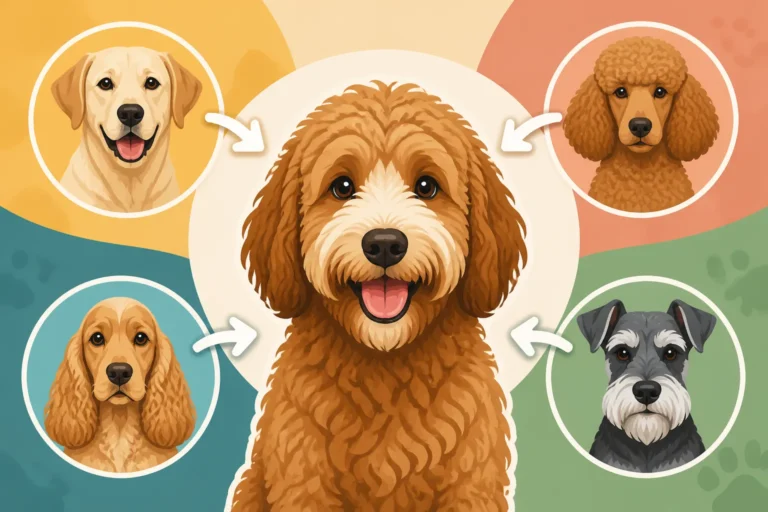
Conron’s primary focus was to combine the intelligent, eager-to-please temperament of the Labrador with the low-shedding, allergy-friendlier coat of the Poodle. He carefully selected a Standard Poodle and a Labrador Retriever, resulting in a litter that included a dog named Sultan. Sultan quickly became the poster child for this new cross, proving to be an exceptional guide dog prospect with the added benefit of not bothering the allergic husband. Sultan, the Labradoodle That Proved the Idea This initial success was monumental, offering hope to many who previously couldn't consider a service dog due to allergies. Conron wasn't just breeding a pet; he was attempting to solve a significant barrier for those needing assistance animals.
The Early Success That Sparked a Trend
The concept of an allergy-friendly guide dog quickly captured public attention. The media picked up on Sultan's story, and suddenly, everyone wanted one of these "Labradoodles." What started as a thoughtful, problem-solving breeding endeavor quickly spiraled into something much larger than Conron had ever envisioned. People saw the potential for a lovable family pet, combining the best traits of two popular breeds, and the demand exploded. This initial wave of popularity, while exciting at first, laid the groundwork for the future issues that would fuel Conron's regret. The pure intention of a specialized assistance dog was beginning to get overshadowed by its rapidly growing appeal as a fashionable companion animal.
The Unforeseen Consequences: A Pandora's Box
Conron's regret largely stemmed from what happened after the initial success. He saw his carefully crafted concept turn into a global phenomenon, but not always in a way that honored his original intent. The sheer demand for Labradoodles led to a rapid proliferation of breeders, some of whom were less scrupulous, driven more by profit than by the ethical considerations of health and temperament that Conron prioritized.
The "Designer Dog" Label and Unscrupulous Breeding
The term "designer dog" became synonymous with the Labradoodle, and soon, other "doodles" followed suit. While this term might sound appealing, Conron felt it trivialized the serious work involved in responsible breeding. He lamented that too many people jumped on the bandwagon, breeding Labradoodles without proper knowledge of genetics, health clearances, or ethical practices. Instead of the thoughtful pairing of healthy, temperamentally sound parents, he saw a scramble to produce as many puppies as possible to meet demand. This often meant breeding dogs with known health issues or questionable temperaments, leading to offspring that were far from the stable, healthy companions he had originally aimed for. The idea of Whether a Labradoodle From Untested Parents Is a Risk became a stark reality.
Health and Temperament Lottery
One of Conron's biggest concerns was the unpredictable nature of the early Labradoodle crosses, especially when bred by inexperienced individuals. While some puppies might inherit the best traits of both parent breeds, others could inherit a mix of undesirable characteristics, or even genetic predispositions to illness. He reportedly felt that he had "opened Pandora's Box" because of the sheer variety of outcomes. Owners might get a dog with a wonderful, non-shedding coat, but also severe anxiety or hip dysplasia. Or they might get a dog that shed profusely, despite being advertised as hypoallergenic.
For instance, the Labradoodle is susceptible to genetic conditions from both the Labrador and Poodle lines, such as The prcd-PRA Test Both Labradoodle Parents Need for eye health or Hips and Elbows in a Sixty Pound Labradoodle for joint issues. When breeders didn't conduct these crucial health tests, the likelihood of these conditions appearing in subsequent generations increased dramatically. It became a lottery, and Conron was deeply distressed by the potential suffering of these dogs and the heartbreak of their owners.
Overwhelming Popularity and the Loss of Control
The global demand for Labradoodles surged far beyond what Guide Dogs Victoria could manage or control. Conron saw the name "Labradoodle" being applied to any Labrador-Poodle cross, regardless of the parents' health, temperament, or lineage. This meant that the carefully cultivated early lines, with their emphasis on service dog qualities, were diluted by an influx of backyard-bred dogs. He expressed frustration that the breed's reputation was being tarnished by dogs that didn't live up to the original ideal. This loss of control over the breed's direction was a significant source of his regret. It highlighted the challenges of creating a new "type" of dog that gains immense popularity without a formal registry or breed standard to guide its development.
Conron's Specific Criticisms
Delving deeper into Conron's statements, several specific criticisms emerged that painted a clear picture of his remorse. He wasn't just generally unhappy; he pinpointed exact issues that troubled him.
The Quest for Profit Over Purpose
Conron was particularly vocal about breeders who seemed primarily motivated by financial gain. He observed that once the Labradoodle became trendy, many individuals saw it as a quick way to make money, rather than a commitment to improving the breed or providing healthy, well-adjusted companions. He saw breeders charging premium prices for puppies, often without investing in proper health testing, veterinary care for the breeding dogs, or early socialization for the puppies. He described many of these breeders as "unscrupulous" and "greedy," producing "crazy" dogs with health and temperament issues that were far removed from the stable, intelligent service dogs he had originally envisioned. This profit-driven approach undermined the very foundation of his initial, altruistic breeding project.
The Lack of Consistency and Predictability
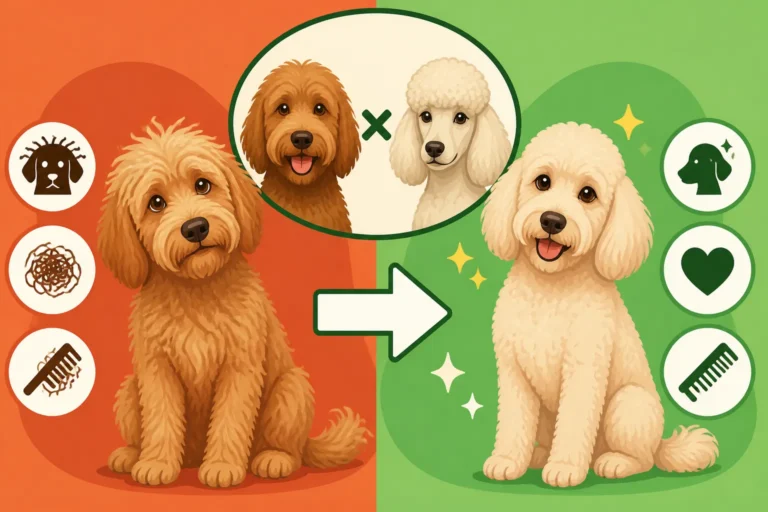
For Conron, the whole point of creating the Labradoodle was to produce a dog with specific, predictable traits suitable for guide work. The inconsistency in appearance, coat type, and most importantly, temperament, was a major source of disappointment. He found it disheartening that after his initial success, many Labradoodles were showing a wide range of characteristics. Some shed heavily, others had problematic coats that matted easily, and many lacked the calm, focused demeanor essential for a service dog. He publicly stated, "I created a monster," referring not to the dogs themselves, but to the uncontrolled breeding practices that led to such unpredictability. This variation made it difficult for potential owners to know what they were truly getting, often leading to dogs being rehomed or relinquished when they didn't meet expectations, a problem sometimes seen with The Ten Month Old Labradoodle That Forgets Everything.
| Aspect | Conron's Original Ideal | Reality He Regretted |
|---|---|---|
| Purpose | Allergy-friendly guide dog | Trendy "designer dog" for profit |
| Breeding Ethics | Health-tested, temperament-focused | Unscrupulous, profit-driven, lacking health clearances |
| Coat Characteristics | Low-shedding, allergy-friendly | Highly variable, often shedding, prone to matting |
| Temperament | Calm, intelligent, trainable | Inconsistent, some anxious, hyperactive, difficult to manage |
| Health Outcomes | Robust, minimal genetic issues | Increased prevalence of inherited diseases due to poor screening |
| Market Control | Controlled by service dog organizations | Wildly uncontrolled, flooded by "backyard breeders" |
The Impact on Animal Welfare
Ultimately, Conron's regret was deeply tied to animal welfare. He worried about the dogs that were being born with temperament issues, leading to anxiety, aggression, or hyperactivity that made them difficult to live with. He was concerned about the physical health problems that could arise from poorly screened breeding dogs, condemning animals to lives of chronic pain or expensive medical treatments. He feared that many of these dogs, when they didn't live up to an owner's idealized image, would end up in shelters or rescues, misunderstood and unwanted. What Labradoodle Owners Report Losing Their Dogs To often reflects these very issues. The emotional and financial toll on owners, and the suffering of the dogs themselves, weighed heavily on him, making him question if the initial good he sought to do was outweighed by the negative consequences of unchecked commercialization.
Learning from Conron's Regret: Responsible Ownership and Breeding
Conron's outspoken regret serves as a powerful cautionary tale, not just for the Labradoodle, but for any popular crossbreed. It underscores the critical importance of responsible practices on both sides of the equation: breeders and prospective owners. His story isn't a reason to abandon the breed, but rather to approach it with informed diligence.
Choosing a Reputable Breeder
If you're considering bringing a Labradoodle into your home, Conron's regrets should reinforce the absolute necessity of finding a reputable breeder. This isn't just about getting a cute puppy; it's about ensuring you get a healthy, well-adjusted dog that will thrive in your family for years to come. A reputable breeder will:
- Prioritize Health Testing: They will conduct comprehensive health clearances on both parent dogs for common genetic conditions in Labradors and Poodles, such as hip and elbow dysplasia, eye diseases (like PRA), and Addison's disease. They should be transparent and willing to show you certificates and results. The Health Tests a Labradoodle Breeder Should Show
- Focus on Temperament: They will breed for sound temperaments, selecting parents who are calm, friendly, and intelligent. They will also provide early socialization for their puppies, exposing them to various sights, sounds, and experiences to build confidence.
- Offer Transparency: They should welcome visits to their facility, allow you to meet the parent dogs, and be open about their breeding practices. They'll ask you lots of questions too, ensuring their puppies go to suitable homes.
- Provide a Health Guarantee: A reputable breeder will typically offer a health guarantee against certain genetic conditions, showing their confidence in their breeding program.
- Be a Resource: They will be a lifelong resource for you, willing to answer questions and offer support long after you've taken your puppy home.
Don't be swayed by breeders offering unusually low prices or promising immediate availability. Quality breeding takes time, effort, and financial investment, which is reflected in a fair price.
The Importance of Health Testing and Temperament Screening
For those who already own a Labradoodle, or are about to become owners, understanding the significance of health testing and temperament screening can help navigate potential challenges. While you can't undo past breeding decisions, you can be proactive. Be aware of the common health concerns like Bloat Risk in a Standard Poodle Bred Labradoodle or Addison's Disease a Labradoodle Inherits From the Poodle. Regular vet check-ups are paramount, and discussing these breed-specific risks with your veterinarian is crucial.
Temperament is equally vital. Labradoodles are known for being people-oriented, but some can inherit traits that make them high-energy or prone to anxiety if not properly socialized and trained. If you notice signs of fear, aggression, or excessive shyness, seeking professional guidance from a certified dog trainer or behaviorist early on can make a world of difference. Good temperament also requires consistent training and enrichment throughout the dog's life. Training your Labradoodle requires patience and understanding, and sometimes external resources can help. Platforms like Chewy offer a wide range of training aids, from puzzle toys to specialized harnesses, that can support positive reinforcement methods and keep your smart Labradoodle engaged.
Preparing for the Realities of Labradoodle Ownership
Conron's regret also serves as a reminder for prospective owners to do their homework. The Labradoodle is not a "wash and wear" dog, nor is it guaranteed to be perfect just because it's a "doodle."
- Coat Care is Extensive: Regardless of whether your Labradoodle has a hair, fleece, or wool coat, regular grooming is essential. The beautiful, shaggy look requires significant upkeep to prevent painful matting. This means consistent brushing, often to the skin, and professional grooming every 6-8 weeks. Learning about The Coat Change That Hits a Labradoodle at Nine Months will prepare you for a particularly challenging grooming period. You'll need quality brushes and combs, which you can find readily on sites like Chewy.
- Exercise Needs are High: Labradoodles are active, intelligent dogs that require consistent exercise and mental stimulation. They're not content with just a short walk around the block. Without adequate outlets for their energy, they can develop destructive behaviors. They excel in activities like fetch, long hikes, or even dog sports. A tired Labradoodle is a happy Labradoodle, and often, a well-behaved one.
- Training and Socialization are Key: While generally eager to please, Labradoodles are smart and can be manipulative if not given clear boundaries. Early and consistent training, along with extensive socialization, is vital to ensure they grow into well-adjusted adults. Attending puppy classes and continuing with obedience training throughout their lives will strengthen your bond and prevent common behavioral issues. Chewy also stocks a huge variety of treats and training tools that can aid in your positive reinforcement efforts.
- Time and Financial Commitment: Owning a Labradoodle is a significant commitment. Beyond the initial purchase price, there are ongoing costs for food, grooming, veterinary care, and potentially training. The annual bill for a Labradoodle's care can be substantial, especially for a dog with a demanding coat type. Considering pet insurance is a wise choice to help mitigate unexpected veterinary expenses, particularly for potential issues like The EIC, Addison's and Bloat Bills a Labradoodle Owner Meets.
Wally Conron's regret is a complex emotion rooted in seeing his benevolent creation commercialized and, in some cases, corrupted. His story isn't a condemnation of the Labradoodle itself, but a stark reminder of the ethical responsibilities inherent in breeding and owning any animal. By choosing reputable breeders, understanding the breed's needs, and committing to responsible ownership, we can honor Conron's original vision and ensure that our Labradoodles continue to be the loving, intelligent companions they were always meant to be.
Disclaimer
This article is for general informational purposes only and does not constitute professional advice. Laws, prices and regulations vary by location and change over time. Consult a qualified professional for guidance on your specific situation.