Whether a Labradoodle Can Be Shown
It's completely understandable to look at your beautiful, charismatic Labradoodle and imagine them strutting their stuff in a show ring, earning ribbons and admiring glances. Many Labradoodle owners feel that same pride and ambition, only to hit a wall of confusion when they try to navigate the traditional dog show world. This guide is here to demystify what "showing" a dog actually means, explain why Labradoodles don't participate in certain types of shows, and, most importantly, highlight the many exciting competitive avenues where your Labradoodle can truly shine.
The Allure of the Show Ring: What Does "Showing" a Dog Mean?
When people talk about "showing dogs," their minds often jump straight to the Westminster Kennel Club Dog Show, with impeccably groomed purebreds being judged on how well they conform to a specific breed standard. This image, while iconic, only represents one facet of the vast and diverse world of canine competition. There's a whole universe of activities out there, each with its own rules, goals, and opportunities for dogs of all backgrounds, including our beloved Labradoodles.
Conformation vs. Performance Events
The fundamental distinction in dog sports lies between conformation and performance events. Conformation shows, often called "breed shows," are essentially beauty pageants where dogs are judged against their breed standard. Every purebred dog has a written standard detailing its ideal physical characteristics, gait, and temperament. Judges are looking for the dog that most closely embodies that blueprint. For a dog to compete, it must be a recognized purebred, registered with a major kennel club like the American Kennel Club (AKC) or the Canadian Kennel Club (CKC), and meet all the specific criteria. This is where the Labradoodle typically encounters its first hurdle, as we'll discuss shortly.
Performance events, on the other hand, focus on a dog's athletic ability, intelligence, and willingness to work with its handler. These events don't judge a dog based on its appearance against a breed standard, but rather on its skill in completing specific tasks or courses. Think agility, obedience, rally, dock diving, flyball, scent work, and so much more. These are sports where a dog's drive, training, and partnership with its human are paramount, making them a fantastic fit for many active and intelligent Labradoodles. The beauty of performance sports is their inclusivity; often, mixed breeds and dogs with varied backgrounds are not only welcome but celebrated.
Why Owners Dream of Showing Their Dogs
For many dog owners, the idea of "showing" their dog is about more than just ribbons and accolades. It’s a profound way to bond, to challenge themselves and their canine companions, and to celebrate the unique qualities of their pet. There’s immense satisfaction in seeing your dog master a complex skill, respond flawlessly to your cues, or navigate an obstacle course with grace and speed. It’s also a wonderful way to connect with a community of like-minded individuals who share a passion for their dogs and the chosen sport.
Owners often pour hours into training, grooming, and preparing their dogs, and the show ring or trial arena becomes the culmination of that dedication. It’s a chance to demonstrate their dog’s capabilities and their own handling skills. For many, it's about pushing boundaries and discovering new depths in their relationship with their dog. Even if it's not the traditional "Best in Show" glory, the sense of accomplishment, shared joy, and deep connection forged through these activities is truly priceless.
The Conformation Conundrum: Why Labradoodles Don't Fit the Traditional Mold
This is often where the dreams of traditional dog show glory meet the reality for Labradoodle owners. While your Labradoodle might be the most handsome, intelligent, and well-behaved dog you've ever known, they simply don't qualify for conformation shows as recognized by major kennel clubs. It's not a slight against them, but rather a fundamental aspect of how these shows are structured.
The Role of Breed Standards and Recognition
Traditional conformation shows are built entirely around the concept of a "breed standard." A breed standard is a detailed blueprint, written by the parent club of a recognized breed, that describes the ideal physical appearance, movement, and temperament for that particular breed. Think about what makes a German Shepherd look like a German Shepherd, or a Poodle look like a Poodle – those characteristics are all enshrined in their respective breed standards. Judges use this standard as their guide to evaluate each dog, looking for the one that best exemplifies the breed's characteristics. This is why you'll often see dogs stacked, gaiting, and meticulously examined by the judge.
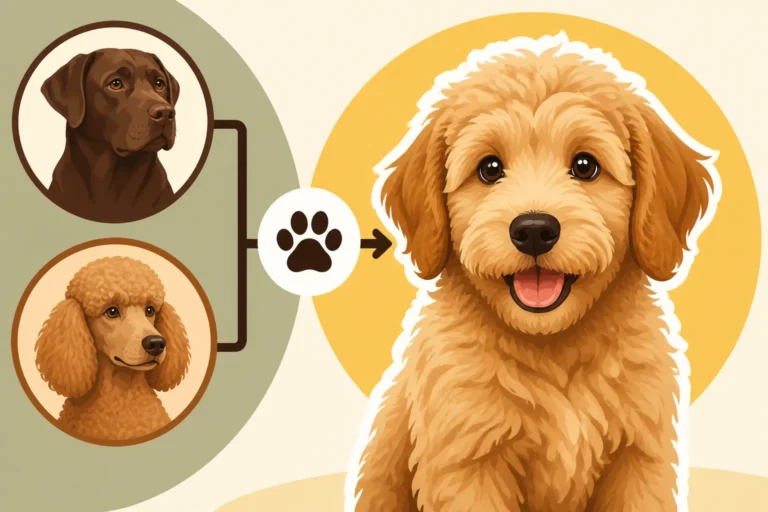
The critical piece for Labradoodles is that they are not a recognized breed by major kennel clubs like the AKC in the United States or The Kennel Club in the UK. They are a hybrid, or a crossbreed, originating from the Labrador Retriever and the Standard Poodle. Because there's no single, universally accepted breed standard for the Labradoodle that all breeders adhere to, and because they are not considered a "purebred" dog by these organizations, they cannot enter conformation shows. This isn't because they aren't wonderful dogs, but because the foundation of these shows is about preserving and evaluating distinct, standardized breeds. You can read more about this in Why No Kennel Club Registers the Labradoodle.
Hybrid Vigor vs. Predictable Traits for Showing
The very nature of a hybrid dog like the Labradoodle, while celebrated for its "hybrid vigor" and delightful blend of traits, works against its eligibility for conformation. Hybrid vigor refers to the improved function or increased vigor of any biological quality in a hybrid offspring; in dogs, this often translates to a broader genetic pool, potentially reducing the incidence of certain inherited diseases compared to some highly inbred purebred lines. It's a fantastic benefit for health, but it also means a greater variation in appearance and temperament within the breed type.
When you breed a Labrador and a Poodle, even with careful selection, you're going to get a range of coat types, sizes, and even facial structures. Some might look more like a Labrador, others more like a Poodle, and many fall somewhere in between. This variability, while charming and part of the Labradoodle's appeal, means there's no consistent "look" to judge against a single standard. If you're curious about the specifics of what a Labradoodle should embody, you might find Whether a Labradoodle Has a Breed Standard interesting, as it explores attempts to define one outside of major registries. Conformation shows demand predictability and consistency, which is inherently difficult for a crossbreed that hasn't undergone generations of careful, standardized breeding to fix those traits.
Opening Up the Arena: Performance Sports Where Your Labradoodle Can Shine
Now for the good news! While the conformation ring is off-limits, the world of performance sports is wide open and welcoming to Labradoodles. These dogs, with their intelligence, athleticism, and eager-to-please nature inherited from both parent breeds, are often perfectly suited to excel in a variety of disciplines. This is where your Labradoodle can truly flex their mental and physical muscles and show off their capabilities.
Agility: A Labradoodle's Natural Talent for Fun
Agility is probably one of the most popular and exhilarating dog sports, and it's a fantastic fit for many Labradoodles. Imagine your dog weaving through poles, flying over jumps, scrambling up an A-frame, and tunneling through chutes, all off-leash and guided by your voice and body language. It's a fast-paced, high-energy sport that demands teamwork, focus, and physical fitness from both dog and handler. Labradoodles often possess the perfect combination of speed, agility (hence the name!), and mental sharpness to navigate these courses. Their intelligence allows them to learn complex sequences, and their athleticism helps them clear obstacles with ease.
This sport is incredibly rewarding, building a powerful bond as you and your dog learn to communicate almost telepathically. There are various levels, from beginner to advanced, so you can start at your dog's current skill level and progress at your own pace. Many local dog clubs offer agility classes, and you can often find starter equipment or even a full obstacle course set on sites like Chewy if you want to practice in your backyard. Check out Whether a Labradoodle Places in Agility for more insights into their success in this sport.
Obedience and Rally: Brains and Teamwork
If you're looking for a sport that truly highlights your Labradoodle's intelligence and your precise handling skills, obedience and rally are excellent choices. Traditional obedience trials involve a series of exercises performed off-leash, such as heeling, retrieves, stays, and jumps, all executed with precision and responsiveness. It's a testament to a dog's focus and an owner's consistent training. Labradors are renowned for their trainability, and Poodles are incredibly intelligent, so Labradoodles often inherit a fantastic foundation for these disciplines.
Rally obedience is a slightly more relaxed version, often described as "obedience with a twist." Teams navigate a course with numbered signs, each indicating a specific obedience exercise to perform (e.g., "sit-stay," "down-stay," "spiral left"). Handlers can encourage their dogs with verbal praise and multiple commands, making it a great entry-level sport that's less formal than traditional obedience. Both sports greatly enhance your dog's day-to-day manners and strengthen your communication, proving that What Public Access Training Asks of a Labradoodle has applications far beyond service work. Plus, earning titles like the AKC Canine Good Citizen (CGC) or higher-level obedience titles can be a huge point of pride! If you're wondering about foundational skills, Whether a Labradoodle Passes the AKC Good Citizen Test is a good starting point.
Scent Work and Dock Diving: Tapping into Instinct
Beyond agility and obedience, there are many other performance sports that cater to a Labradoodle's natural instincts. Scent work, for example, taps into their incredible sense of smell. Dogs are trained to identify specific target odors (like birch, anise, or clove) hidden in various environments—containers, rooms, vehicles, or outdoors—and indicate their find. The Labrador side of your Labradoodle will absolutely love this "job," as it's mentally stimulating and incredibly satisfying for them to use their noses. It's a lower-impact sport, great for dogs of all ages, and can be practiced almost anywhere.
Then there's dock diving, a high-octane sport where dogs run down a dock and leap into a pool or body of water, aiming for distance or height. Given that both Labradors and Poodles are typically water lovers, many Labradoodles take to this sport like a duck to water! It's a fantastic way to channel their retrieving drive and love for swimming into a competitive and fun outlet. Seeing your dog launch themselves into the air with pure joy is an unforgettable experience. For more on this exhilarating sport, consider reading Whether a Labradoodle Can Do Dock Diving.
Getting Started: Registering Your Labradoodle for Competition
So, you're convinced that performance sports are the way to go for your Labradoodle. That's fantastic! The next step is understanding how to register your dog and prepare them for competition. It's a bit different than the purebred world, but totally accessible.
Navigating Registries for Mixed Breeds
Since Labradoodles aren't recognized purebreds by the major kennel clubs, you might wonder how they can compete in events hosted by these organizations. The good news is that most major kennel clubs, like the AKC, offer programs specifically for mixed-breed dogs to participate in performance and companion events. For instance, the AKC has its "Canine Partners" program. By registering your Labradoodle through a program like this, they receive an AKC number, which allows them to enter AKC-sanctioned agility, obedience, rally, trick dog, scent work, and other events. Other organizations also cater to mixed breeds, ensuring that all dogs have a chance to compete.
The process usually involves submitting photos of your dog, proof of spay/neuter (if applicable), and a small registration fee. Once your dog has their number, you can then enter events just like a purebred dog would. It opens up a whole new world of opportunities for earning titles and proving your dog's capabilities. It’s important to research the specific requirements of the organization hosting the events you're interested in, as rules can vary slightly.
Essential Training and Preparation for Competition
No matter which performance sport you choose, consistent training is the cornerstone of success. It's not just about teaching the specific skills for the sport; it's also about building a strong foundation of obedience, focus, and a willing partnership with your dog. A well-socialized Labradoodle who understands basic cues like "sit," "stay," "come," and "leave it" will have a significant advantage. Remember, The Time a Labradoodle Takes Out of a Week for training can be substantial, but it's also incredibly rewarding.
Starting with puppy classes and moving into basic obedience is always recommended. From there, you can seek out specialized instructors or clubs for the specific sport you're interested in. Many will offer introductory courses designed to get both you and your dog familiar with the equipment and rules in a fun, low-pressure environment. It's also crucial to ensure your Labradoodle is in good physical condition for the demands of their chosen sport. Regular exercise and a balanced diet (which you can easily find options for on Chewy) are key. Your dog will need appropriate equipment too, such as a comfortable harness for agility or specific toys for retrieve games.
| Sport Category | Key Skills Required | Labradoodle Strengths | Typical Organizations/Programs |
|---|---|---|---|
| Conformation | Breed standard knowledge, precise stacking, elegant gait | Not Applicable (Due to hybrid status) | AKC, CKC, The Kennel Club (UK) |
| Agility | Speed, jumping, weaving, handler communication, focus | Athleticism, intelligence, eager-to-please, high energy | AKC Canine Partners, USDAA, UKC, CPE |
| Obedience/Rally | Precision heeling, reliable recalls, stays, focus on handler | High intelligence, strong work ethic, trainability | AKC Canine Partners, UKC, APDT |
| Scent Work | Excellent nose, focus, problem-solving, indication | Strong scent drive from Labrador side, mental endurance | AKC Canine Partners, NACSW, UKC |
| Dock Diving | Jumping, swimming, retrieving drive, confidence in water | Love of water, retrieving instinct, athletic build | NADD, AKC, UKC |
| Flyball | Speed, retrieving, jumping, teamwork | High energy, strong drive to retrieve, quick learners | NAFA, U-FLI |
Beyond the Ribbons: The True Rewards of Engaging in Dog Sports
While winning a ribbon or title can certainly be a thrill, the real value in participating in dog sports with your Labradoodle often lies far beyond the awards. It's about the journey, the growth, and the incredible connection you forge with your canine partner.
Building a Stronger Bond with Your Labradoodle
Spending dedicated time training, problem-solving, and competing together creates an unparalleled bond between you and your Labradoodle. As you work through challenges, celebrate successes, and even laugh off mistakes, you develop a deeper understanding of your dog's personality, their motivations, and how they communicate. Your Labradoodle learns to trust your guidance and enjoys the shared activity, seeing you as their leader and teammate. This isn't just about giving commands; it's about building a conversation where you both anticipate and respond to each other.
This enhanced communication and mutual respect spills over into your everyday life. A dog that is engaged in regular training and sport is often a more confident, well-behaved, and happier companion at home. They've had their needs for mental stimulation and physical activity met in a constructive way. Whether you're navigating an agility course or practicing a complex obedience routine, every moment spent together strengthens the invisible thread that connects you, turning your partnership into a formidable team. This deeper connection is truly invaluable, fostering a lifetime of companionship.
The Health and Mental Benefits for Your Dog
Engaging in dog sports offers a myriad of health and mental benefits for your Labradoodle. Physically, activities like agility and dock diving provide excellent cardiovascular exercise, build muscle tone, and improve coordination. It's a fantastic way to keep your Labradoodle fit and at a healthy weight, which is crucial for their long-term well-being. Regular, structured exercise also helps to stave off boredom and prevent destructive behaviors that can arise from pent-up energy, especially in an active breed like the Labradoodle. Remember to keep an eye on their weight and activity levels as they age; Exercise for a Stiff Old Labradoodle has some excellent tips for senior dogs.
Mentally, these sports are incredibly stimulating. Learning new skills, remembering complex sequences, and problem-solving on the fly keeps your dog's brain sharp and engaged. This mental workout is just as important as physical exercise for a dog's overall happiness and can prevent issues like anxiety or restlessness. It gives them a "job" to do, which many intelligent breeds, including Labradoodles, thrive on. The positive reinforcement used in modern training methods also builds confidence and reinforces their desire to please, making them even more enjoyable companions. Ensuring they have the right nutrition, perhaps with supplements you can find at Chewy, can further support their active lifestyle and mental sharpness.
Disclaimer
This article is for general informational purposes only and does not constitute professional advice. Laws, prices and regulations vary by location and change over time. Consult a qualified professional for guidance on your specific situation.