Whether Conron Blamed Breeders or Buyers
It’s a strange feeling, isn't it? You fall in love with the goofy charm, the intelligent eyes, and that wonderfully shaggy coat of a Labradoodle, only to stumble upon headlines about its creator, Wally Conron, expressing profound regret. It can be unsettling to hear the very person who brought your beloved companion into existence call it his "life's regret." This often leaves owners wondering: did he blame us, the eager buyers, or the breeders who continued the line? This guide will dive deep into Wally Conron's complex statements, exploring the nuances of his disillusionment and clarifying where he felt the responsibility lay for the trajectory of the Labradoodle.
The Genesis of a Brilliant Idea
To truly understand Wally Conron's later regrets, we first need to appreciate the sincere and noble intentions behind the very first Labradoodle cross. It wasn't a whimsical experiment or a marketing ploy; it was a carefully considered solution to a very real problem.
A Quest for an Allergy-Friendly Guide Dog
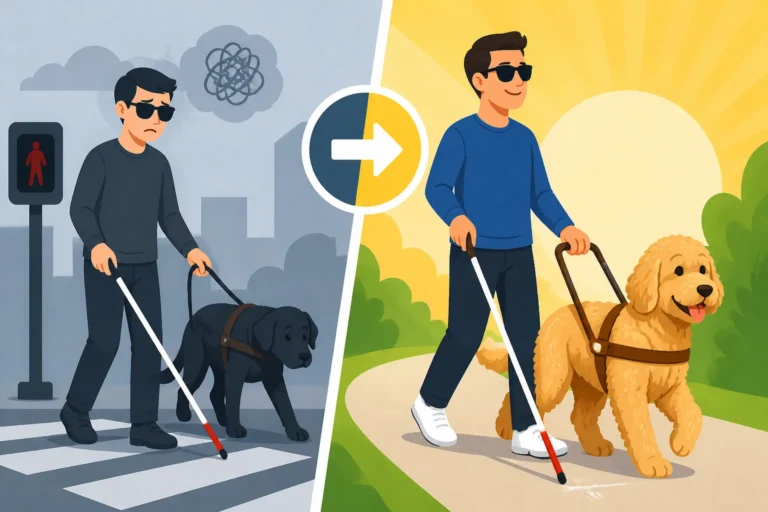
In 1989, Wally Conron was working as the breeding manager for the Royal Guide Dogs Association of Australia. A blind woman in Hawaii needed a guide dog, but her husband was allergic to dogs. This presented a unique challenge: find a dog with the intelligence, trainability, and calm temperament of a Labrador Retriever, but with the low-shedding, allergy-friendly coat of a Standard Poodle. The solution seemed obvious, yet groundbreaking at the time: cross the two.
Conron chose a Standard Poodle named Harley and a Labrador Retriever named Brandy. The goal was simple: combine the working aptitude of the Labrador with the Poodle's coat characteristics, hoping to create a dog that could serve as a vital companion without triggering severe allergic reactions. He firmly believed in the potential of this cross to change lives, especially for those who, due to allergies, had been excluded from the profound companionship and assistance a guide dog could offer. His work was driven by a deep sense of purpose, aiming to expand the horizons for individuals with disabilities. The 1989 Cross That Made the First Labradoodle speaks to this pivotal moment.
Early Success and Public Fascination
The first litter produced by Harley and Brandy resulted in three puppies. One of these, a male named Sultan, showed immense promise. Sultan underwent rigorous training and successfully became the guide dog for the Hawaiian woman. This initial success was a triumph, demonstrating that the concept worked. It validated Conron's vision and proved that the Labradoodle could indeed be a functional, allergy-friendly assistance dog. The news spread, and soon, the public's interest was piqued. The charming appearance of these dogs, coupled with the idea of a "hypoallergenic" companion, captured hearts.
However, it was this burgeoning public interest that inadvertently set the stage for Conron's later anguish. People weren't just interested in assistance dogs; they wanted the "Labradoodle" itself, for all its perceived benefits as a pet. This widespread appeal, while initially a source of pride, quickly spiraled beyond his control, giving rise to unintended consequences that would deeply trouble him in the years to come. Sultan, the Labradoodle That Proved the Idea is a testament to the early success.
The Weight of "My Life's Regret"
As the Labradoodle's popularity soared, Wally Conron's feelings towards his creation dramatically shifted. What began as a hopeful endeavor turned into a source of deep remorse. He often used strong language to express his regret, famously calling the Labradoodle his "Frankenstein's monster" and "my life's regret." It wasn't the initial, well-thought-out cross that he regretted, but the uncontrolled explosion of "doodle" breeds that followed.
The Pandora's Box Effect and Unscrupulous Breeding
Conron lamented opening what he called "Pandora's Box." He hadn't just created a useful crossbreed; he had inadvertently sparked a global trend. Everyone, it seemed, wanted a "doodle." This massive demand led to a proliferation of breeders, many of whom, in Conron's view, were driven solely by profit rather than a commitment to health, temperament, or ethical breeding practices. He observed a rapid decline in quality, with dogs being bred without proper health testing, consideration for genetic predispositions, or careful temperament assessment. He saw dogs with significant health issues and unpredictable temperaments being sold to unsuspecting families.
His regret stemmed from seeing his original, high-minded purpose hijacked by commercialism. He had hoped for a healthier, more consistent dog for a specific need, but instead, he saw a flood of poorly bred animals, often marketed with exaggerated claims about their hypoallergenic qualities or inherent perfection. This disregard for responsible breeding standards was a primary source of his distress. He specifically focused his criticism on those individuals who jumped on the "doodle" bandwagon purely for financial gain, without understanding or caring for the true welfare of the animals. This kind of widespread, indiscriminate breeding, unfortunately, still leads to issues today, as some breeders continue to bypass critical steps like health clearances. The Health Tests a Labradoodle Breeder Should Show outlines what responsible breeders should be doing.
The Spread of Undesirable Traits
Conron's regret was also rooted in the perceived spread of undesirable traits within the burgeoning "doodle" population. While the original intent was to combine the best of both parent breeds, the reality of indiscriminate breeding meant that less desirable traits from either the Labrador or the Poodle, or a combination of both, could become more prevalent. He spoke of Labradoodles with behavioral problems, such as anxiety, excessive barking, or even aggression, and lamented the rise of genetic diseases that responsible breeders work hard to screen for.
He felt that many of the dogs produced lacked the stability and predictability that guided his initial cross. Owners were often faced with dogs that were not the easy-going, low-shedding, intelligent companions they had been promised. This inconsistency deeply troubled him, as it undermined the very foundation of what he had set out to achieve. The sheer volume of haphazard breeding overshadowed the few excellent examples that still existed, painting the entire concept with a brush of unreliability. Wally Conron and the Labradoodle He Regrets details more of his disillusionment.
Untangling the Blame: Breeders, Buyers, or the Craze?
When Wally Conron spoke about his regret, his frustration wasn't directed at the individual Labradoodle who found a loving home. Instead, his criticisms were far more systemic, primarily aimed at those who exploited the cross for profit and the broader societal trends that fueled this exploitation.
Primarily Targeting Unethical Breeding Practices
It's clear from Conron's statements that his most pointed criticisms were aimed at breeders who, in his view, acted irresponsibly. He saw a massive influx of individuals who started breeding Labradoodles without a solid understanding of genetics, health testing, or temperament assessment. These "unscrupulous breeders," as he often called them, capitalized on the demand without putting in the necessary work to produce healthy, stable dogs. They bred for quantity over quality, often leading to puppies with genetic diseases that could have been avoided with proper screening.
He envisioned a world where breeders would uphold the highest standards, carefully selecting parent dogs based on health clearances and temperament, and ensuring puppies were raised in enriching environments. Instead, he saw what he perceived as puppy mills and backyard breeders churning out puppies with little regard for their future well-being, often advertising them with misleading claims. His regret was fundamentally about the loss of control over a creation that he believed had immense potential, but which fell into the wrong hands. He explicitly stated that he unleashed "a Frankenstein monster" because "I bred the first one, and I opened a Pandora's box, and suddenly everybody wants a doodle, and they're just breeding for money." This sentiment clearly places the blame on those who prioritize profit over ethical practice. Whether a Labradoodle From Untested Parents Is a Risk highlights the importance of health testing that some breeders unfortunately skip.
| Aspect of Concern | Conron's Initial Hope | The Reality He Regretted | Primary Target of Blame |
|---|---|---|---|
| Purpose | Allergy-friendly guide dog | Fashionable "designer" pet | Trend Followers, Unethical Breeders |
| Breeding Quality | Careful selection, health focus | Indiscriminate breeding, profit-driven | Unscrupulous Breeders |
| Dog Traits | Predictable health & temperament | Inconsistent health & temperament | Negligent Breeders |
| Ethos | Welfare and assistance first | Commercial exploitation | Those capitalizing on demand |
The Implicit Role of Public Demand
While Conron directly criticized breeders, the burgeoning public demand for "designer dogs" played an undeniable, if implicit, role in the problem he identified. If there wasn't such a massive market, the unscrupulous breeders wouldn't have had such fertile ground to operate. The allure of a "hypoallergenic," intelligent, and adorable companion created an environment where many buyers, perhaps unknowingly, contributed to the issue by seeking out puppies without adequately researching breeders.
Many first-time dog owners, drawn to the Labradoodle's charismatic image, may not have understood the complexities of genetic health or the importance of proper socialization. They simply wanted a Labradoodle, and the market responded, often with substandard offerings. Conron's frustration wasn't aimed at the average loving pet owner, but rather at the collective eagerness that allowed the commercial machine to flourish without sufficient critical oversight. It was the societal trend that made it so easy for negligent breeders to thrive.
A Broader Critique of the "Doodle" Phenomenon
Ultimately, Wally Conron's statements extended beyond just the Labradoodle to encompass the entire "doodle" phenomenon that followed. He saw his creation as the catalyst for a multitude of other Poodle crosses – Goldendoodles, Bernedoodles, Cavapoos, and so on – all riding the wave of "hypoallergenic" and "designer" appeal. He felt responsible for inadvertently igniting a trend that prioritized novelty and superficial traits over responsible breeding and the long-term health and well-being of the dogs.
His regret wasn't just about the Labradoodle, but about what it represented: a shift in the public's perception of dog acquisition, where the allure of a catchy name and a cute appearance often overshadowed the fundamental responsibilities of ethical breeding and informed ownership. Whether the Labradoodle Started the Doodle Trend explores this broader impact.
Lessons for Today's Labradoodle Owners
Wally Conron's complex feelings, while painful for him, offer crucial insights for anyone considering or currently owning a Labradoodle. His regret serves as a powerful reminder of the importance of responsible dog ownership and the profound impact of breeding practices.
The Imperative of Responsible Breeder Selection
The most significant takeaway from Conron's regret is the absolute necessity of choosing a responsible, ethical breeder. This isn't just a suggestion; it's a moral obligation. A good breeder prioritizes the health and temperament of their dogs above all else. They will conduct extensive health testing on both parent dogs for conditions common to Labradors and Poodles, such as hip and elbow dysplasia, eye conditions like PRA, and genetic diseases like Addison's disease or Exercise Induced Collapse (EIC). They will be transparent about these test results and happy to share them. The prcd-PRA Test Both Labradoodle Parents Need and Hips and Elbows in a Sixty Pound Labradoodle are critical areas of focus.
Furthermore, a responsible breeder will:
- Allow you to meet the puppy's parents: This gives you a crucial insight into the temperament and living conditions.
- Provide a clean, stimulating environment: Puppies should be well-socialized and cared for.
- Ask you detailed questions: They should want to ensure their puppies go to suitable homes.
- Offer ongoing support: They should be a resource for you throughout your dog's life.
- Have a clear contract and health guarantee: This protects both you and the puppy.
Avoid any breeder who seems primarily interested in your money, has multiple litters available, cannot provide health clearances, or rushes the adoption process. Websites like Chewy offer fantastic resources for finding reputable accessories, food, and toys, but the process of finding your dog itself requires diligence far beyond any online shopping cart.
Understanding Your Labradoodle's True Needs
Beyond the initial purchase, responsible ownership means truly understanding and meeting your Labradoodle's specific needs. These are active, intelligent dogs that require consistent training, ample exercise, and significant grooming. They are not simply "easy" dogs or decorative accessories.
- Exercise: Labradoodles, stemming from two active breeds, need daily physical and mental stimulation. Long walks, games of fetch, swimming, and puzzle toys are all vital to keep them happy and well-behaved. An under-exercised Labradoodle can develop behavioral issues.
- Training: Their intelligence makes them highly trainable, but also means they can quickly learn bad habits if not guided. Positive reinforcement training from a young age is crucial. Many Labradoodles thrive in obedience classes, agility, or even scent work. The Ten Month Old Labradoodle That Forgets Everything is a common frustration that good training can help mitigate.
- Grooming: The low-shedding coats that made them famous also require significant maintenance. Regular brushing to prevent matting, especially during their "coat change" phase, and professional grooming every 6-8 weeks are essential. Neglecting their coat can lead to painful mats and skin issues. Brushing a Labradoodle to the Skin, Not the Surface and The Coat Change That Hits a Labradoodle at Nine Months are must-reads for any Labradoodle owner.
- Temperament: While generally friendly, their individual temperament can vary. They are often "Velcro dogs" who thrive on companionship and can develop separation anxiety if not properly prepared for alone time. The Velcro Labradoodle That Cannot Be Left is a common trait.
By being an informed and dedicated owner, you honor the original spirit of the Labradoodle as a purposeful, cherished companion, moving past the unfortunate commercialization that caused Wally Conron so much pain.
Disclaimer
This article is for general informational purposes only and does not constitute professional advice. Laws, prices and regulations vary by location and change over time. Consult a qualified professional for guidance on your specific situation.