Where the First Labradoodle Litter Was Whelped
When we think of Labradoodles, it's easy to picture the curly, friendly dogs we see today, bounding through parks or cuddling on couches. But have you ever stopped to wonder how this popular crossbreed came to be? Many owners are curious about the true origins, not just the "who" but the "where" that sparked the entire phenomenon, and sometimes it's hard to separate the myths from the real story. This guide will take you on a journey back to the very beginning, revealing the specific location and the circumstances that led to the birth of the first Labradoodle litter, a pivotal moment that forever changed the landscape of canine companionship.
The Humanitarian Spark: A Need for a Specific Companion
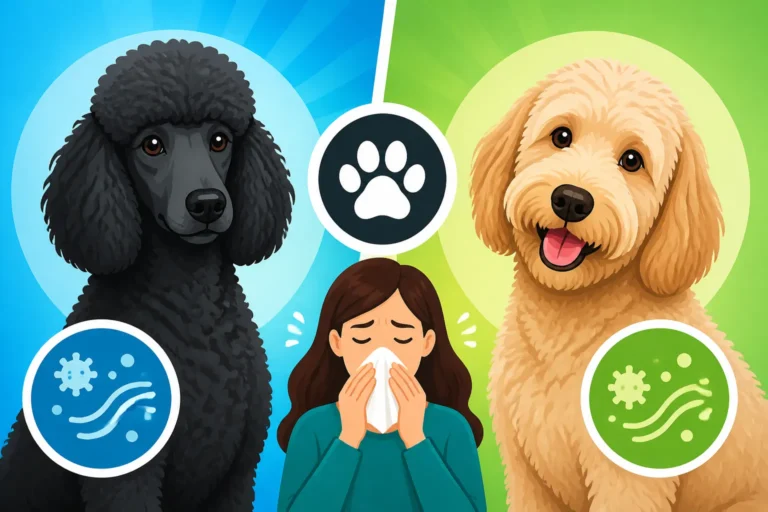
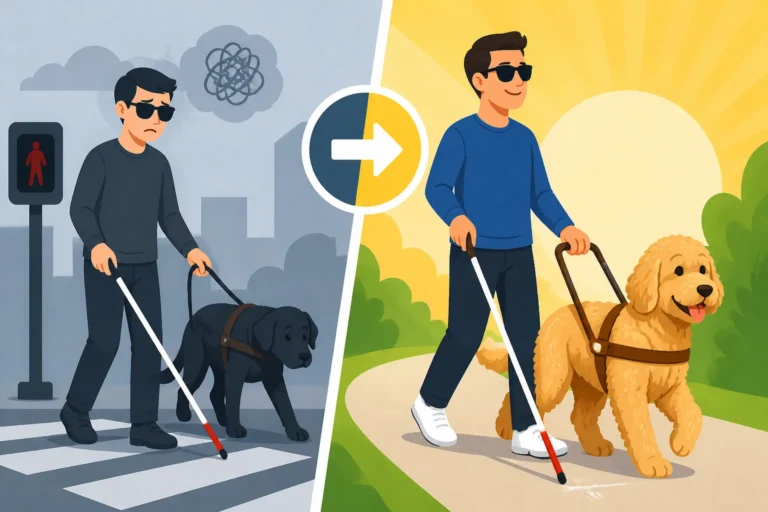
The story of the Labradoodle doesn't begin with a quest for a new designer breed or a fluffy family pet. Instead, it starts with a very specific, deeply human need, coupled with a problem that traditional guide dogs couldn't solve. Back in the late 1980s, the Royal Guide Dogs Association of Australia was grappling with a challenge presented by a woman named Pat Blum. Ms. Blum, who was vision-impaired, also lived with severe allergies to dog hair and dander. She desperately needed a guide dog, but her allergies made it impossible for her to be around the typical Labrador Retrievers used by the program. This was a genuine frustration, a barrier to independence that seemed insurmountable.
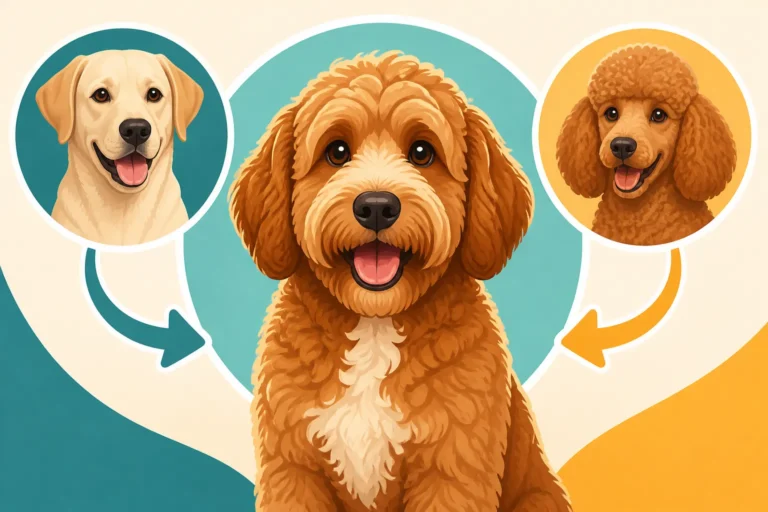
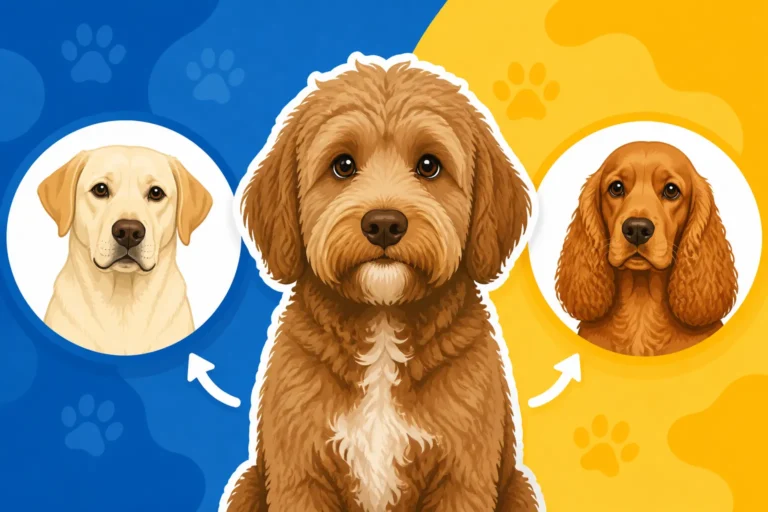
Wally Conron, the breeding manager for the Royal Guide Dogs Association of Australia at the time, was tasked with finding a solution. His goal wasn't to create a "doodle" sensation but to breed a dog that possessed the trainability, temperament, and biddability of a Labrador Retriever, combined with the low-shedding, allergy-friendly coat of a Standard Poodle. It was an ambitious undertaking, a true experiment in canine genetics driven by compassion. The program understood that a dog that shed minimally would also produce less dander, making it potentially suitable for individuals with allergies. This vital characteristic was the driving force behind the initial crossbreeding effort, as detailed in Why a Guide Dog Had to Be Allergy Friendly. Without this particular need, the Labradoodle as we know it might never have existed.
The concept itself wasn't entirely new; there had been other Poodle crosses before, but none had gained traction with guide dog organizations. The specific focus here was on maintaining the working dog traits while mitigating allergic reactions. It was about practicality, safety, and enhancing the quality of life for someone in genuine need. You can imagine the immense pressure to get this right, knowing the impact it could have.
The Historic Birthplace: Victoria, Australia
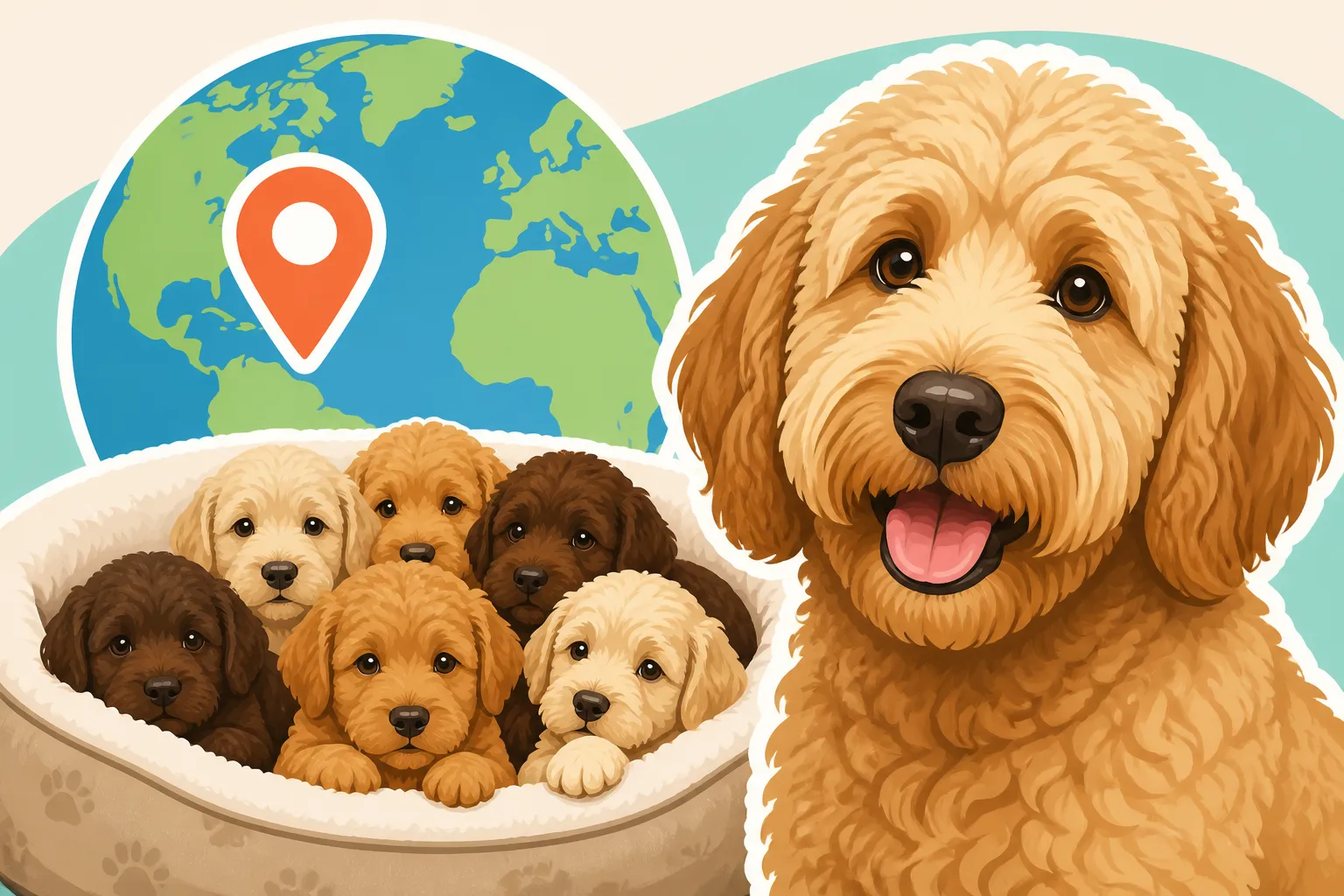
So, where exactly did this groundbreaking litter enter the world? The first documented Labradoodle litter was whelped at the Royal Guide Dogs Association of Australia's facility in Victoria, Australia. This wasn't a backyard breeder's garage or a commercial kennel, but a professional, established guide dog breeding center dedicated to producing dogs that would serve as companions and assistants to those with disabilities. The year was 1989, a date etched into the history of hybrid dog breeds and a testament to the innovative thinking that led to The 1989 Cross That Made the First Labradoodle.
The dam of this historic litter was a female Labrador Retriever named Harriet, known for her excellent temperament and working lines within the guide dog program. The sire was a Standard Poodle named Sultan, selected specifically for his non-shedding coat and intelligent, calm disposition. The pairing was carefully considered, an attempt to combine the best traits of both breeds. It was a calculated risk, hoping to achieve the desired outcome rather than simply creating a novel mix. The staff at the facility would have been meticulously monitoring Harriet throughout her pregnancy, preparing for the arrival of puppies that carried such high hopes. This level of care is something modern owners still strive for, often turning to resources like Chewy for all their whelping and puppy-raising needs.
When the puppies finally arrived, there was a mix of anticipation and relief. How Many Puppies Were in the First Labradoodle Litter is a question many people ask, and the answer is three. Three little puppies, born in Victoria, Australia, who would go on to inadvertently launch a global phenomenon. Each one represented a step into the unknown, a potential breakthrough for allergy sufferers seeking canine assistance. The meticulous environment of the guide dog facility ensured that these puppies received the best possible start in life, with health checks and early socialization forming a crucial part of their development.
The Unforeseen Journey of Sultan and His Siblings
The birth of the first Labradoodle litter was just the beginning. Among the three puppies, one stood out and became the face of this revolutionary cross: Sultan. He possessed the ideal combination of temperament, trainability, and, crucially, a low-shedding coat that proved suitable for Pat Blum. Sultan's success story, his ability to work as a guide dog for Ms. Blum, truly Sultan, the Labradoodle That Proved the Idea, validating Wally Conron's initial hypothesis. He was flown to Hawaii to live and work with Pat Blum, successfully fulfilling his role as her guide dog. This positive outcome initially brought immense pride and hope to the program.
However, the path of the Labradoodle wasn't without its twists and turns. While Sultan was a triumph, the other two puppies in the litter didn't quite meet the stringent criteria for guide dog work, highlighting the inherent unpredictability of crossbreeding. One was deemed too excitable, and the other had some health challenges that prevented it from being placed as a working dog. This outcome underscored a key frustration for breeders trying to create consistent lines: even with the most careful planning, genetics can be a roll of the dice.
This unpredictability is part of why Wally Conron and the Labradoodle He Regrets is such a compelling part of the story. While he achieved his initial goal with Sultan, Conron later expressed profound remorse for unleashing the "designer dog" craze. He watched as unethical breeders, driven by profit rather than purpose, began indiscriminately breeding Labradoodles without proper health testing or consideration for temperament, leading to many dogs with genetic issues or unsuitable personalities for families. This struggle to maintain quality and ethical breeding practices remains a significant concern in the Labradoodle community even today. The journey from those first three puppies in Victoria to the diverse range of doodles we see today is a complex one, full of both triumphs and challenges.
The Enduring Legacy of the Victorian Whelping Site
The small litter born in Victoria truly ignited a revolution in the dog world. From those three puppies, a global fascination with "doodle" breeds emerged, forever changing how people approached companion animals. While Wally Conron's regrets are well-documented, the initial intent – to help a visually impaired woman with allergies – was undeniably noble. The Royal Guide Dogs Association of Australia facility in Victoria became the silent birthplace of a breed that would touch millions of lives, both positively and, at times, problematically.
The location itself, a functional breeding facility focused on serious working dogs, stands in stark contrast to the whimsical image many now have of Labradoodles. It wasn't about cute names or trendy aesthetics; it was about solving a real-world problem. This initial focus on health, temperament, and suitability for a specific role is something ethical Labradoodle breeders still strive for today, trying to honor the original vision. They understand the importance of sound breeding practices, often relying on quality nutrition and supplies, available through retailers like Chewy, to support healthy puppies.
Today, while the Australian Labradoodle has evolved into a multi-generational cross involving other breeds to stabilize traits, the original Labradoodle, the F1 cross, still traces its direct lineage back to that first litter in Victoria. The discussion around Whether the Word Labradoodle Was Invented in 1989 or the ongoing debate about Why Conron Called the Labradoodle a Mistake all stem from that single, momentous event. It’s a testament to how one carefully planned breeding, in a specific place, for a specific purpose, can have an immeasurable impact on the lives of countless dogs and their human families. The demand for information on these intelligent, affectionate dogs continues, a direct echo from those first barks in Australia.
| Key Figures & Locations in the First Labradoodle Litter | Details | Significance |
|---|---|---|
| Location | Royal Guide Dogs Association of Australia facility, Victoria, Australia | Birthplace of the first documented Labradoodle litter in 1989. |
| Breeding Manager | Wally Conron | Conceived and executed the crossbreeding project. |
| Recipient | Pat Blum | Vision-impaired woman with severe allergies, the inspiration for the breed. |
| Dam (Mother) | Harriet (Labrador Retriever) | Chosen for excellent temperament and guide dog lineage. |
| Sire (Father) | Sultan (Standard Poodle) | Selected for non-shedding coat and intelligent, calm disposition. |
| Notable Offspring | Sultan | The first successful Labradoodle guide dog, proving the concept. |
| Year of Birth | 1989 | The year the first Labradoodle litter was officially whelped. |
Disclaimer
This article is for general informational purposes only and does not constitute professional advice. Laws, prices and regulations vary by location and change over time. Consult a qualified professional for guidance on your specific situation.