Whether the Labradoodle Was Bred by Accident
It's a common misconception, isn't it? You hear whispers that the Labradoodle was some kind of happy accident, a chance encounter that just happened to produce a wonderful dog. But the truth is, the very first Labradoodle was born out of a very specific, incredibly intentional need, even if the subsequent explosion of the "doodle" phenomenon caught its creator by surprise. This guide will take you back to the roots of this beloved crossbreed, separating fact from the accidental fiction.
The Intentional Beginning: Wally Conron's Vision
Back in 1989, a gentleman named Wally Conron, who was the breeding manager for Guide Dogs Victoria in Australia, faced a unique challenge. This wasn't some random idea he cooked up on a whim. He received a heartfelt request from a blind woman in Hawaii who desperately needed a guide dog. The catch? Her husband was severely allergic to dogs. Imagine the frustration and heartbreak for someone who needed a service animal but couldn't have one because of a family member's health. It was a genuine problem that needed a solution, and Wally Conron was determined to find it.
Guide Dogs Victoria's primary tool for guide work was the Labrador Retriever, renowned for its calm temperament, intelligence, and eagerness to please. However, Labradors, for all their wonderful qualities, shed. A lot. This made them a non-starter for an allergy sufferer. Conron initially considered a Standard Poodle, known for its non-shedding, hypoallergenic coat and high intelligence, which are excellent traits for service work. But he found that the Poodles available at the time, particularly those with strong guide dog pedigrees, often lacked the specific "working dog" temperament and robust health he sought for guide work. They were often a bit too delicate or sensitive for the demanding role of a guide dog. So, this wasn't a case of throwing two dogs together and hoping for the best; it was a professional trying to merge the best of two worlds to meet a critical need. This careful decision-making process is really the genesis of The 1989 Cross That Made the First Labradoodle.
Why the Labrador and Poodle Were Chosen So Deliberately
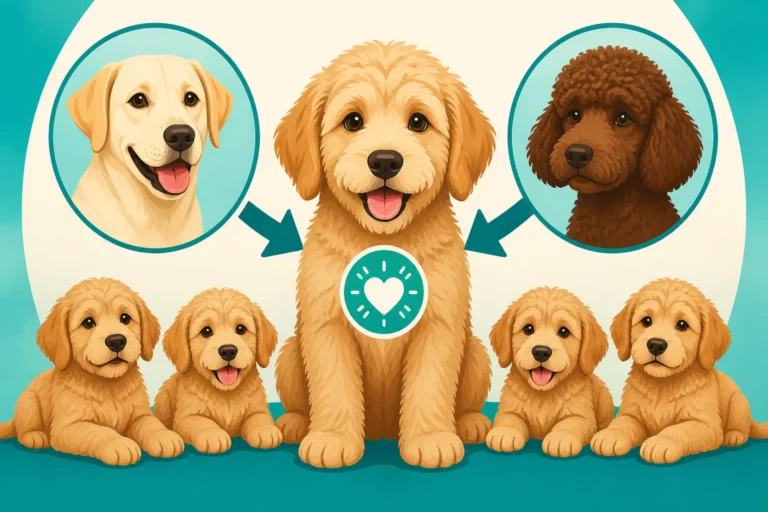
The selection of the Labrador and the Poodle for this groundbreaking cross was anything but random. It was a calculated decision, aiming to combine specific, desirable traits from each breed. From the Labrador side, Conron was looking for that rock-solid temperament, the unwavering loyalty, the inherent desire to retrieve, and the trainability that had made them exemplary guide dogs for decades. Labradors are generally unflappable, confident, and forgiving, which are all crucial characteristics for a dog navigating complex public spaces and providing constant companionship.
On the Poodle side, the main objective was the coat. Standard Poodles possess a low-shedding, often described as "hypoallergenic," coat that was essential for the allergic household. Beyond the coat, Poodles also contribute incredible intelligence, athleticism, and a strong problem-solving ability. The hope was to create a dog that had the Labrador's work ethic and amiable nature, combined with the Poodle's smarts and allergy-friendly coat. It was a well-thought-out genetic gamble, designed to address a real-world barrier for people like Pat Blum, the Woman the First Labradoodle Was Bred For. The core intent was always about creating a better service dog. The focus was less on creating a new "breed" for the pet market and more on solving an immediate, pressing problem within the service animal community, showing just how intentional The Royal Guide Dogs Program Behind the Labradoodle truly was.
The "Accident" Narrative: A Misunderstanding of Regret
So, if the initial breeding was so intentional, why does this idea of the Labradoodle being an "accident" persist? This often stems from Wally Conron's later, widely publicized regrets. It's crucial to understand that his regret wasn't about the original cross itself. That initial pairing of a Standard Poodle and a Labrador Retriever, which produced Sultan and two other puppies, successfully met the specific needs of the blind woman in Hawaii. Sultan, one of those puppies, went on to become an exceptional guide dog, proving the concept worked.
Conron's regret, which he has vocalized many times, was about the unforeseen explosion of the "doodle" craze that followed. Once the idea of an allergy-friendly cross became public, the demand for "doodles" skyrocketed. Suddenly, everyone wanted one, and unethical breeders, often driven by profit rather than genetic health or temperament, jumped on the bandwagon. They bred indiscriminately, without health testing, without understanding genetics, and often without regard for the welfare of the parent dogs or the puppies. This led to a proliferation of dogs that were unhealthy, had unpredictable coats, or possessed undesirable temperaments. This deluge of poorly bred dogs, and the associated problems it caused for countless families, is what truly saddened Conron and made him refer to the Labradoodle as his "life's regret." He never regretted the intent behind the first Labradoodle, but rather the uncontrolled commercialization that diluted its original, noble purpose. This is a key distinction, explored in more detail in Why Conron Called the Labradoodle a Mistake. Responsible pet parents today rely on trusted sources for their pet's needs, whether that's specialized foods or grooming tools, and many find these resources at places like Chewy, a far cry from the haphazard market Conron lamented.
The Legacy of Intentional Breeding and Unforeseen Consequences
The Labradoodle, therefore, stands as a testament to an intentional breeding program that delivered on its initial promise. However, it also serves as a stark reminder of the unintended consequences that can arise when a successful concept gains widespread, uncontrolled popularity. The immediate success of Sultan and his littermates sparked a global fascination with "designer dogs," particularly those marketed as "hypoallergenic." This led to a massive influx of crossbreeds, many of which were not bred with the same stringent standards or ethical considerations as Conron's original efforts.
Today, those of us who adore Labradoodles owe it to their origins to seek out responsible breeders who carry on Conron's original commitment to health, temperament, and coat suitability. This means doing your homework, asking for health clearances, and ensuring both parent dogs have been thoroughly screened for common genetic conditions. It's a commitment that extends beyond the initial purchase, requiring a lifelong dedication to their well-being, from proper nutrition to consistent grooming. Finding the right supplies, from quality dog food to specialized brushes for various coat types, is easier now than ever before, with reputable online retailers like Chewy offering a wide array of products to support a Labradoodle's care.
To truly understand the journey of the Labradoodle, we must appreciate the deliberate thought behind its creation, while also acknowledging the complex path it has forged in the dog world.
| Aspect of Origin | Reality | Common Misconception |
|---|---|---|
| Initial Purpose | Create an allergy-friendly guide dog for a specific client | Happened by chance; "just mixed two dogs" |
| Parent Breed Selection | Deliberate choice of Labrador (temperament) and Poodle (coat/intelligence) | Random pairing or experiment |
| Wally Conron's Role | Breeding Manager for Guide Dogs Victoria, intentional developer | Accidental discoverer, or someone who "just made a mistake" |
| Source of Regret | Uncontrolled, unethical breeding and market explosion | Regret over creating the dog itself |
| Outcome of First Litter | Produced successful guide dogs (like Sultan) | Unpredictable results, deemed a failure |
This blend of intentional design and unexpected fame means that while the first Labradoodle was certainly not bred by accident, the journey of the breed has been anything but smooth. It highlights why educating ourselves about canine genetics, responsible breeding practices, and the unique needs of our pets is so vital. Whether you're looking into The Three Labradoodle Coats: Hair, Fleece and Wool or researching The Temperament a Labradoodle Gets From Each Parent, understanding the history empowers you to make informed decisions. It also underscores why the question of Whether the Labradoodle Will Ever Be Recognized by major kennel clubs remains such a complex and ongoing debate. When looking for the best products for your Labradoodle, remember that places like Chewy offer a comprehensive selection to meet all their needs, from their puppy days right through to their golden years.
Disclaimer
This article is for general informational purposes only and does not constitute professional advice. Laws, prices and regulations vary by location and change over time. Consult a qualified professional for guidance on your specific situation.