Whether an Australian Labradoodle Has Cocker Spaniel In It
It’s completely natural to wonder about the full lineage of a beloved breed, especially when you hear different terms thrown around. Many people come to Labradoodles thinking they're a simple two-breed cross, but the Australian Labradoodle, in particular, has a richer and more complex history that often surprises new owners. This guide will dive deep into the origins of the Australian Labradoodle to clarify once and for all if the charming Cocker Spaniel played a part in its unique genetic tapestry.
The Journey of the Australian Labradoodle: A Story of Careful Development
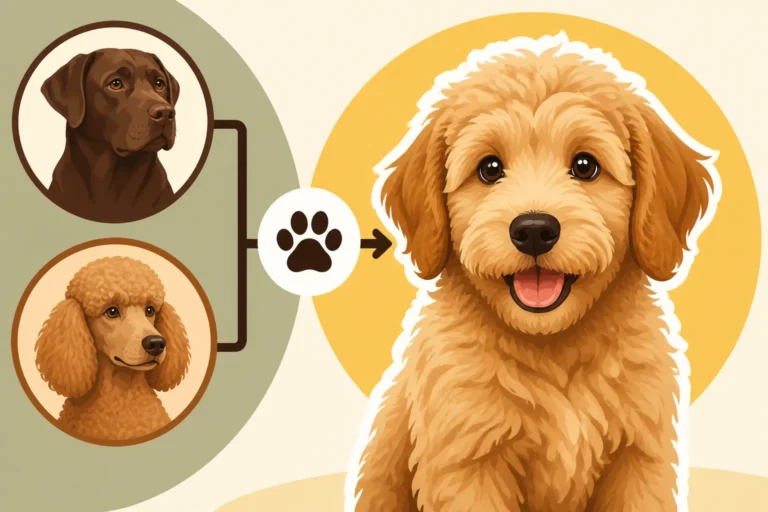
When the first Labradoodle was bred in the late 1980s, the goal was simple: to create an allergy-friendly guide dog. That initial cross was just a Labrador Retriever and a Standard Poodle. However, as breeders continued to work with these dogs, they quickly realized that a simple F1 cross (first generation) didn't always yield consistent results. Some puppies shed, some had temperaments that weren't quite right for service work, and others didn't have the desired coat characteristics. This inconsistency was a challenge for those hoping to establish a reliable line of assistance dogs and beloved family pets.
The vision for the Australian Labradoodle wasn't just about mixing two breeds and hoping for the best; it was about creating a consistent, stable breed with specific, predictable traits. To achieve this, dedicated breeders in Australia began a multi-generational breeding program. They weren't just breeding Labradoodle to Labradoodle; they strategically introduced other breeds into the mix to solidify desired characteristics, such as a non-shedding coat, excellent health, and a calm, intelligent temperament. This careful, purposeful infusion of additional genetics is what truly sets the Australian Labradoodle apart from its earlier, simpler "Labrador x Poodle" cousins. It was a commitment to a long-term breeding program, not just a casual cross.
Why the Original Cross Wasn't Enough
The initial Labrador-Poodle cross, while groundbreaking for allergy sufferers, often resulted in a wide range of outcomes within a single litter. You might get puppies with a lovely fleece coat, while their littermates had coarser, shedding "hair" coats more akin to a Labrador. Temperaments could also vary wildly, sometimes leaning heavily towards the high energy of a working Labrador or the sensitive nature of a Poodle, making it hard to predict what kind of dog you'd get. This variability meant that for the ambitious goals of service dog work, where consistency is paramount, the F1 Labradoodle simply wasn't cutting it. It wasn't that they weren't wonderful dogs, but they weren't consistently producing the uniform traits breeders were striving for.
Breeders wanted to create a dog that reliably possessed the desired qualities: a low-shedding, allergy-friendly coat, a stable and intelligent temperament suitable for families and service work, and robust health. To move beyond the unpredictability of a first-generation cross, they understood that they needed to broaden the gene pool and then meticulously select for the desired traits over many generations. This systematic approach, rather than relying on chance, was the driving force behind the development of the Australian Labradoodle as we know it today.
The Strategic Introduction of New Genetics
The decision to introduce additional breeds was a highly deliberate one, aimed at overcoming the limitations of the initial Labrador and Poodle cross. Breeders weren't just throwing dogs together; they were carefully researching and selecting breeds that could contribute specific qualities to the evolving Australian Labradoodle. The goal was to infuse traits like certain coat textures, improved bone structure, or even specific nuances in temperament that would enhance the overall breed profile. The Multigen Program That Made the Australian Labradoodle was a testament to this thoughtful, long-term approach, focusing on genetic stability and predictability.
This process involved many generations of breeding, careful record-keeping, and rigorous health testing. Each new addition was chosen for its potential to contribute positively to the emerging breed standard, moving the Australian Labradoodle further away from a simple hybrid and closer to a distinct, recognizable breed type. It's a complex undertaking that requires immense dedication and a deep understanding of canine genetics to achieve the desired consistency in appearance, health, and temperament that Australian Labradoodle enthusiasts value so highly.
The Cocker Spaniel's Place in the Australian Labradoodle Pedigree
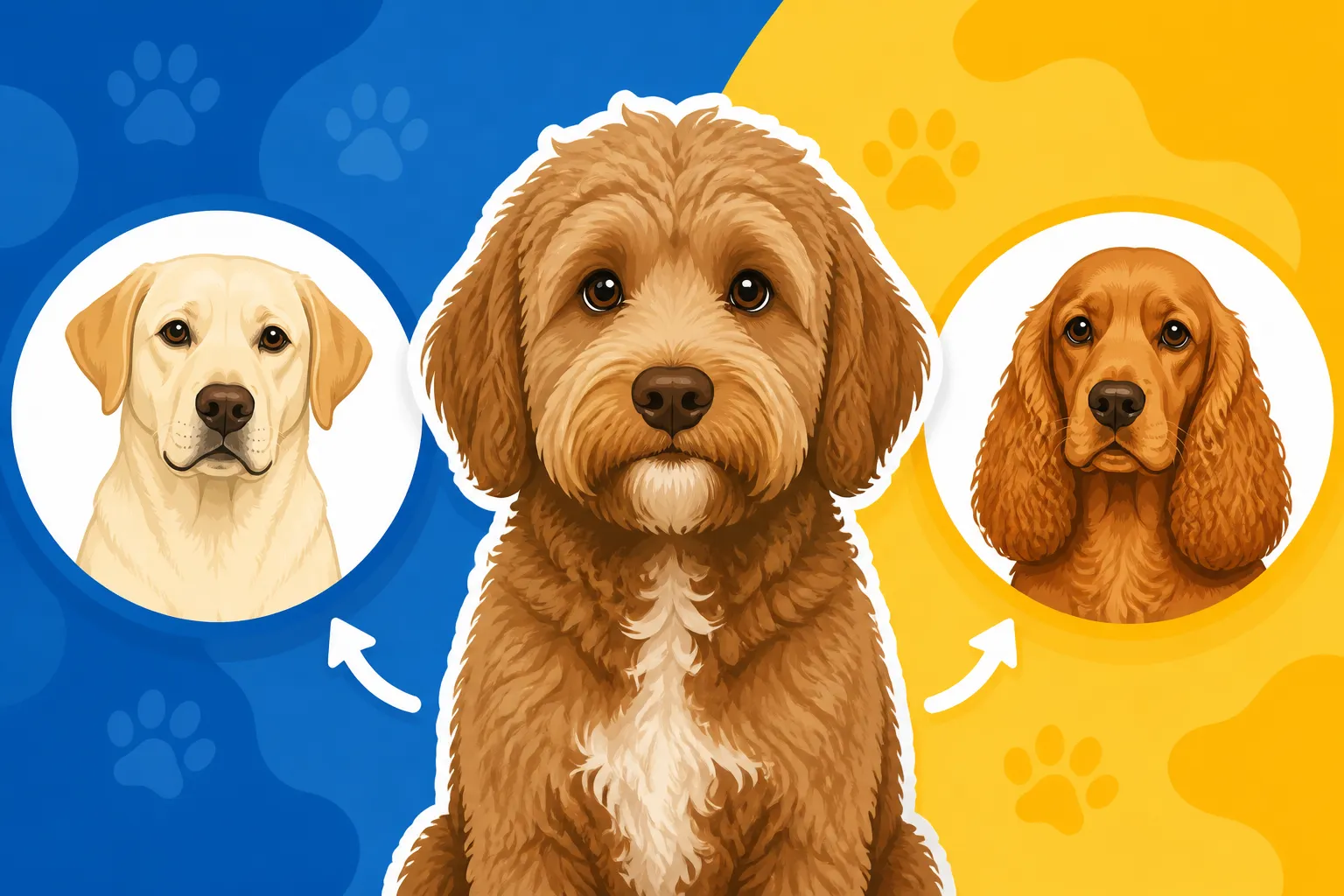
Now, to answer the burning question: Yes, the Cocker Spaniel, specifically both the English Cocker Spaniel and the American Cocker Spaniel, was indeed one of the breeds introduced into the Australian Labradoodle's lineage. It's a key part of what makes the Australian Labradoodle's genetic blueprint so unique compared to a standard Labradoodle (which is generally just a Labrador and Poodle mix). If you've ever wondered about The Four Breeds Inside an Australian Labradoodle, the Cocker Spaniel is definitely on that list.
This wasn't a casual addition. The Cocker Spaniel brought specific characteristics that were highly desirable for the developing breed. Its infusion helped to refine the Australian Labradoodle's coat, contributing to the soft, flowing fleece and wool textures that are so characteristic of the breed today. Beyond coat, the Cocker Spaniel also lent some lovely temperament traits, such as a gentle nature and eagerness to please, further enhancing the Australian Labradoodle's suitability as a companion and service dog.
The Role of the Cocker Spaniel Infusion
The primary reason for The Cocker Spaniel Infusion in the Australian Labradoodle was largely to influence coat type and overall appearance, bringing in a softer, more desirable texture than some of the original F1 Labradoodles exhibited. Many early Labradoodles had coats that, while non-shedding, could be wiry or felt more like coarse dog hair. The Cocker Spaniel, with its famously soft and luxurious coat, helped to introduce the genes for the highly sought-after fleece and wool coats that are characteristic of the Australian Labradoodle. These coats are not only aesthetically pleasing but also tend to be genuinely low-shedding and more allergy-friendly.
Beyond coat, the Cocker Spaniel also contributed to the overall conformation and temperament. They typically have a sturdy, compact build and a cheerful, affectionate disposition, which helped to balance out the larger frame of the Labrador and Poodle. This infusion helped to achieve a more consistent and appealing "look" for the Australian Labradoodle, contributing to its charming, teddy-bear like appearance and its reputation for being a friendly, adaptable family dog. It wasn't just about adding genes; it was about refining the overall package.
Other Key Ancestors in the Blend
While the Cocker Spaniel played a significant role, it wasn't the only additional breed brought into the Australian Labradoodle's genetic mix. The Irish Water Spaniel was also introduced, primarily for its intelligent, often comical personality, its sturdy build, and its distinctive, dense, non-shedding coat. The Irish Water Spaniel in the Australian Labradoodle helped further stabilize the desired coat textures and added to the breed's overall robustness.
Together with the Labrador Retriever and the Poodle, these four breeds form the foundational pillars of the Australian Labradoodle. It’s a testament to the foresight and dedication of those early breeders that they envisioned a multi-breed approach to create a dog that was more than the sum of just two parts. This complex blend is what gives the Australian Labradoodle its distinct characteristics, making it stand out from other "doodle" crosses that might only involve two parent breeds.
What Distinguishes an Australian Labradoodle from a Standard Labradoodle
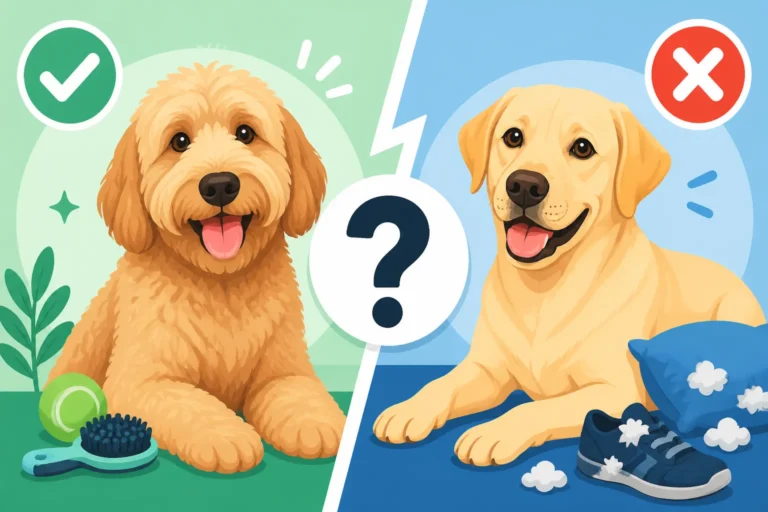
The terms "Labradoodle" and "Australian Labradoodle" are often used interchangeably, leading to a lot of confusion, but they actually refer to distinct types of dogs with different genetic compositions. Understanding this difference is crucial, especially if you have specific expectations about coat type, temperament, or health. A standard Labradoodle is typically a cross between a Labrador Retriever and a Poodle, often designated as F1 (first generation) or F1b (first generation Labradoodle bred back to a Poodle). An Australian Labradoodle, on the other hand, is the result of a multi-generational breeding program that intentionally incorporates additional breeds, creating a more complex and refined lineage.
This distinction is more than just semantics; it impacts everything from coat predictability to temperament consistency. If you're looking for a dog with very specific traits, knowing whether you're getting a standard or an Australian Labradoodle is vital. Breeders of Australian Labradoodles strive for a higher degree of uniformity due to their multi-generational breeding process and broader genetic foundation. Why an Australian Labradoodle Is Not a Labradoodle is a question that highlights this important difference, emphasizing the intentionality behind the Australian lines.
Genetic Diversity and Predictability
The core difference lies in genetic diversity and predictability. A standard F1 Labradoodle, being a first-generation cross, has a 50/50 genetic split from its Labrador and Poodle parents. This can lead to a wide range of outcomes, as individual puppies inherit different combinations of genes. You might get a puppy with a shedding coat and a strong retrieving drive, while its sibling could have a low-shedding coat and a more reserved personality. This genetic roulette is part of the charm for some, but a challenge for others seeking consistency.
The Australian Labradoodle, with its four (or more, depending on historical lines and individual breeders) foundation breeds and multi-generational breeding, offers a much higher degree of predictability. Through generations of careful selection and breeding, certain desirable traits, particularly the non-shedding fleece and wool coats, have been much more stabilized. Breeders aim to produce puppies that consistently conform to a specific breed standard in terms of appearance, coat type, size, and temperament. This means that if you're looking for that classic wavy, soft fleece coat, an Australian Labradoodle breeder is more likely to be able to deliver on that promise.
Coat, Size, and Temperament Consistency
The most noticeable difference for many owners is the coat. While some F1 Labradoodles can have wonderful non-shedding coats, it's not a guarantee. The Australian Labradoodle was specifically bred to achieve consistent, low-shedding fleece and wool coats. This is a huge benefit for allergy sufferers and those who want to avoid dog hair all over their home. For instance, finding the right grooming tools on a site like Chewy is essential for maintaining these unique coats, which can easily mat without proper care. The Fleece Coat and Why Breeders Aim For It outlines just how much effort went into this specific trait.
In terms of size and temperament, Australian Labradoodles also tend to be more consistent. Breeders work to produce dogs within specific size ranges (miniature, medium, standard) and with a generally calm, intelligent, and affectionate disposition. This consistency is highly valued by families seeking a reliable companion dog, and also by those looking for service or therapy dogs. Whether an Australian Labradoodle Trains Better for Service often comes down to this intentional breeding for stable temperaments. It's a significant advantage when you want to know what kind of dog you're bringing into your home and how it will fit into your lifestyle.
| Feature | Standard Labradoodle (F1/F1b) | Australian Labradoodle (Multigen) |
|---|---|---|
| Foundation Breeds | Labrador Retriever, Poodle | Labrador Retriever, Poodle, Cocker Spaniel, Irish Water Spaniel |
| Generations | First or second generation crosses | Multi-generational (many generations of ALD to ALD breeding) |
| Coat Predictability | High variability (shedding to non-shedding) | High consistency (fleece/wool, low-shedding) |
| Temperament Predictability | More variable, can lean strongly to one parent | More consistent, bred for a balanced, calm disposition |
| Genetic Stability | Less stable, outcomes can be diverse | Highly stable, consistent breed characteristics |
| Purpose | Early attempts at allergy-friendly dogs | Creation of a consistent, distinct breed type |
Verifying Your Labradoodle's Ancestry and Breeder Transparency
In the world of "doodles," transparency from your breeder is paramount, especially when discussing the specific lineage of an Australian Labradoodle. Because of the intentional introduction of multiple breeds, a reputable Australian Labradoodle breeder will be able to clearly articulate the foundation breeds in their lines and provide documentation to back it up. This isn't just about curiosity; it's about ensuring you're getting a dog that truly fits the description and has been bred responsibly.
Navigating the various terms and breeder claims can feel like a minefield, but armed with the right questions, you can make an informed decision. Look for breeders who are open about their breeding practices, health testing, and the history of their dogs. They should be proud to share their pedigrees and explain the genetic makeup of their puppies. This level of honesty is a hallmark of ethical breeding.
The Importance of Pedigree and Documentation
When you're considering an Australian Labradoodle, asking for pedigree documentation is not just advisable, it's crucial. A true Australian Labradoodle pedigree should trace back through multiple generations, showing the consistent breeding within the Australian Labradoodle lines and, ultimately, their connection to the foundational breeds like the Labrador, Poodle, Cocker Spaniel, and Irish Water Spaniel. This documentation provides a transparent record of your puppy's ancestry, giving you confidence in its genetic background.
A reputable breeder will not only provide these papers but will also be able to explain them to you, detailing the health clearances of the parent dogs and earlier generations. What WALA Does for Labradoodle Pedigrees for example, is an organization that provides structured registration and pedigree information, giving buyers a clear lineage. This transparency allows you to understand the full history of your future family member, ensuring they come from healthy, well-documented lines. When you're browsing for puppy supplies or premium dog food, a site like Chewy can be a great resource for products recommended by reputable breeders who prioritize health and well-being.
Reputable Registries and Breed Associations
For Australian Labradoodles, there are specific breed associations and registries that uphold standards and track pedigrees. Organizations like the Worldwide Australian Labradoodle Association (WALA) and the Australian Labradoodle Association of America (ALAA) are key. These groups have strict requirements for breeders, including adherence to a breed standard, mandatory health testing, and ethical breeding practices. What ALAA Membership Requires of a Labradoodle Breeder often includes a commitment to these high standards.
If a breeder is registered with one of these associations, it's a strong indicator of their commitment to the breed's integrity and health. These organizations define what an Australian Labradoodle truly is, including the accepted foundation breeds and the desired traits. While the Australian Labradoodle isn't recognized by major kennel clubs like the AKC, these specialized associations play a vital role in maintaining the breed's development and ensuring breeders are working towards a consistent, healthy future. It's always a good idea to research the requirements of these associations and confirm a breeder's affiliation to ensure you're getting a genuine Australian Labradoodle.
Disclaimer
This article is for general informational purposes only and does not constitute professional advice. Laws, prices and regulations vary by location and change over time. Consult a qualified professional for guidance on your specific situation.