Why a Guide Dog Had to Be Allergy Friendly
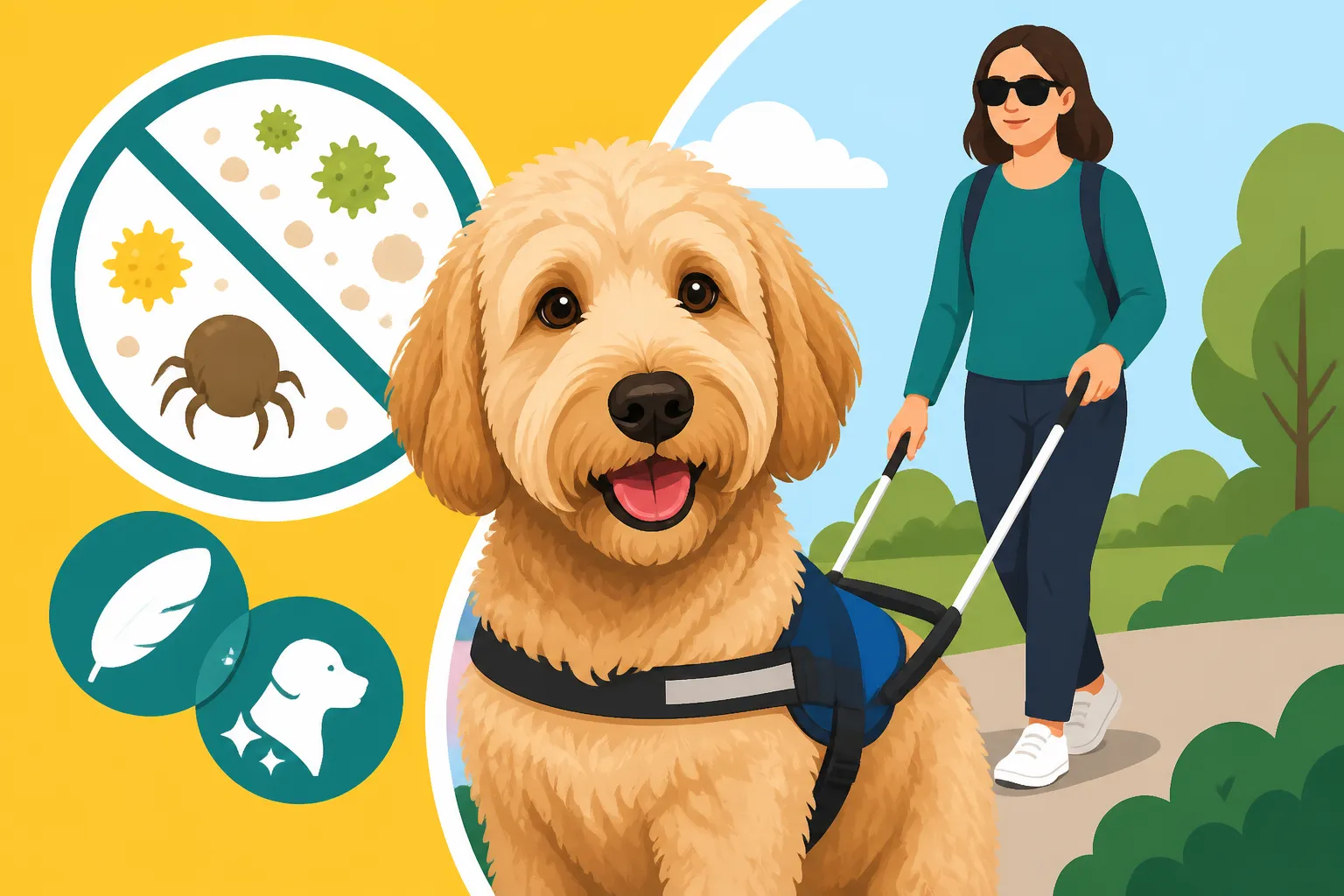
Imagine needing a guide dog to navigate the world, to be your eyes and your trusted companion, but facing the heartbreaking reality that you're severely allergic to most dogs. This isn't a hypothetical struggle; it was a very real, very painful dilemma for many individuals, particularly in the late 1980s. This comprehensive guide delves into why the need for an allergy-friendly guide dog became so paramount, exploring the innovative steps taken to address this challenge and how it ultimately led to the creation of the now-famous Labradoodle.
The Unmet Need: Allergies and Assistance Dog Users
For decades, assistance dog programs relied heavily on breeds like Labrador Retrievers and German Shepherds. These dogs possess incredible intelligence, trainability, and the stable temperaments crucial for guide work. However, there was a significant, often overlooked, segment of the population desperately needing these services: those with canine allergies. The conflict was profound: a person might need a guide dog to gain independence, but their body would react with debilitating allergic symptoms, making close, constant companionship impossible.
The Daily Struggle for Allergy Sufferers
Dog allergies aren't just a runny nose or a few sneezes; for many, they are a severe health impediment. Symptoms can range from incessant sneezing, watery, itchy eyes, and nasal congestion to skin rashes, hives, and even asthma attacks. Imagine experiencing these symptoms constantly, day in and day out, simply by being in the same room as the animal meant to be your lifeline. For someone relying on a guide dog, this isn't just an inconvenience; it's a barrier to safety and independence. The very proximity required for guide work, where the dog is always by your side, means constant exposure to allergens.
Living with these allergies meant a cruel paradox: needing a dog desperately but being unable to tolerate its presence. It affected not just the individual, but their families and living spaces, creating a constant battle against allergens. Pet dander, saliva, and urine proteins cling to furniture, carpets, and clothing, making it nearly impossible to create an allergy-free zone without removing the dog entirely. This led to many heartbreaking situations where potential guide dog users simply couldn't be matched with a suitable companion, or worse, had to return a dog after an allergic reaction.
The Paradox of Needing a Dog You Can't Be Near
The irony was truly devastating. Individuals who were visually impaired faced immense challenges navigating public spaces, avoiding obstacles, and maintaining personal safety. A guide dog offers not just practical assistance but also profound emotional support and companionship, dramatically improving quality of life and fostering a sense of autonomy. Yet, for an allergy sufferer, this invaluable partner could simultaneously trigger severe discomfort, respiratory distress, and a constant feeling of unwellness. It was a trade-off no one should have to make: independence versus health.
This dilemma was particularly acute because of the intense bond and physical closeness required in a guide dog partnership. A guide dog is not just a pet; it's an extension of its handler, connected by a harness, often sleeping in the same room, and sharing every aspect of daily life. There's no escaping the dander and saliva that are the primary culprits for allergic reactions. The idea of living in a constant state of allergic misery, even for the sake of greater independence, was simply untenable for many, leaving a gaping void in the services that guide dog organizations could provide.
The High Stakes for Guide Dog Programs
For guide dog organizations, this wasn't just about individual discomfort; it was a programmatic challenge with high stakes. Their mission was to provide guide dogs to anyone who needed them, but the allergy issue represented a significant hurdle, effectively disqualifying a portion of their potential clients. Each dog bred and trained represented a substantial investment of time, money, and resources. To have a dog successfully trained, only for it to be returned due to an allergic reaction, was incredibly inefficient and disheartening.
Moreover, the reputation and effectiveness of these programs depended on successful placements. They wanted to ensure every match was not only functional but also harmonious and sustainable for the dog's entire working life. The allergy problem put a spotlight on a fundamental limitation of their existing breeding programs and fueled an urgent desire to find a truly inclusive solution. It pushed the boundaries of conventional dog breeding, prompting a quest for a dog that could serve without causing allergic distress.
The Birth of an Idea: Solving the Allergy Problem
The story of the Labradoodle is intrinsically linked to this critical need for an allergy-friendly guide dog. It wasn't about creating a fashionable pet; it was about solving a very human problem that traditional breeds couldn't address. The impetus came from a very specific, personal request that sparked a groundbreaking experiment.
Wally Conron's Mission at Royal Guide Dogs
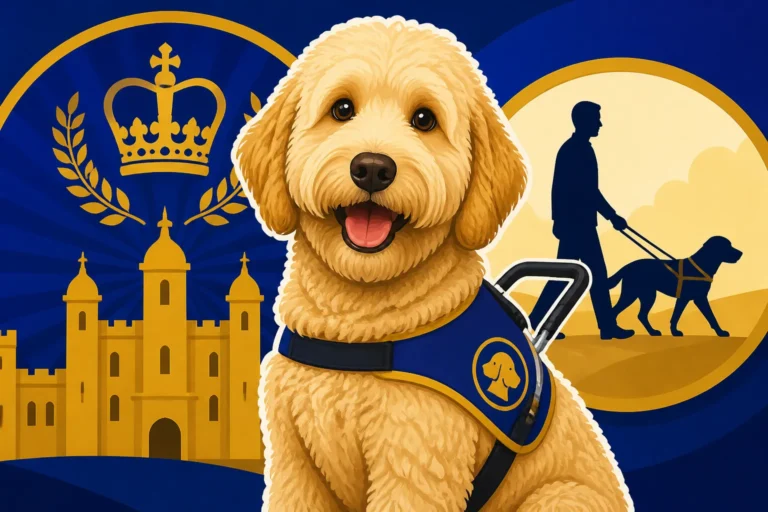
In 1989, Wally Conron, the breeding manager for the Royal Guide Dogs Association of Australia, received a letter that would change the course of canine history. A visually impaired woman in Hawaii, named Pat Blum, needed a guide dog. She also lived with a husband who was severely allergic to dogs. Traditional guide dog breeds, like the Labrador and German Shepherd, were out of the question due to her husband's allergies. This specific request highlighted the previously unaddressed gap in assistance dog provision. The 1989 Cross That Made the First Labradoodle
Conron understood the gravity of the situation. It wasn't enough for the dog to be trainable and have a good temperament; it absolutely had to be "hypoallergenic" enough for her husband to live comfortably. This seemingly impossible combination of traits – guide dog quality with allergy-friendliness – became his singular focus. He embarked on a mission to create a dog that could bridge this gap, driven by a deep sense of responsibility to the people these dogs served.
The Initial Cross: Labrador Retriever Meets Standard Poodle
Conron meticulously considered various breeds. The Labrador Retriever was the quintessential guide dog: intelligent, eager to please, stable, and biddable. It possessed all the core qualities for assistance work. On the other hand, the Standard Poodle was known for its low-shedding, curly coat, which many believed (and still believe) to be less likely to trigger allergies. Poodles are also highly intelligent and trainable, making them an excellent choice for complex tasks.
The decision was made: a cross between a Labrador Retriever and a Standard Poodle. The hope was that the offspring would inherit the Labrador's calm, working temperament and the Poodle's allergy-friendly coat. This first-generation cross (F1) was a leap of faith, an attempt to combine the best attributes of two very different, yet highly capable, breeds. The goal was to create a dog that could open doors to independence for allergy sufferers, literally and figuratively.
Sultan: The Prototype and Proof of Concept
From that initial cross, a litter of three puppies was born. One of these puppies, a male named Sultan, was sent to Pat Blum in Hawaii. Sultan was a revelation. He proved to be not only an exceptional guide dog, performing his duties with the characteristic reliability of a Labrador, but also, critically, his coat did not trigger an allergic reaction in Pat's husband. Sultan, the Labradoodle That Proved the Idea
Sultan's success was a monumental moment. It demonstrated that an allergy-friendly guide dog was not just a pipe dream but a tangible reality. His existence validated Conron's innovative approach and sparked immense hope for countless other allergy sufferers awaiting assistance dogs. Sultan became the living proof that a dog could indeed be bred with both the functional capabilities of a guide dog and a coat that minimized allergic responses, paving the way for further development of the Labradoodle.
Deconstructing "Hypoallergenic": What We've Learned
While Sultan's success was a triumph, it also opened up a whole new area of understanding regarding dog allergies. The term "hypoallergenic" quickly became associated with the Labradoodle, but the reality of canine allergenicity is far more complex than simply a dog's coat type.
Beyond Shedding: Dander, Saliva, and Urine
The initial assumption was that low-shedding dogs were "hypoallergenic" because they didn't release as much hair, and thus, less dander. However, we've learned that it's not the hair itself that causes allergies. Instead, allergic reactions are primarily triggered by specific proteins found in a dog's dander (dead skin cells), saliva, and urine. These microscopic proteins become airborne, settle on surfaces, and are easily inhaled or come into contact with skin, causing reactions.
Even a dog that sheds minimally still produces dander, still licks itself (depositing allergenic proteins on its coat), and still urinates. Therefore, no dog is truly 100% "hypoallergenic" in the strictest sense. What "allergy-friendly" usually means is that these dogs produce fewer of these allergenic proteins, or their coat structure (like the Poodle's curly hair) tends to trap dander and shed hair, preventing it from becoming airborne as readily. This nuance is critical for individuals making decisions about bringing a dog into an allergic household.
The Myth of a Truly 100% Allergy-Friendly Dog
Because dog allergies are triggered by proteins, and all dogs produce these proteins to some degree, the concept of a "100% hypoallergenic" dog is, unfortunately, a myth. While some breeds and individual dogs are indeed much better tolerated by allergy sufferers, there is no guarantee that any dog will be completely reaction-free for every person with allergies. It's a spectrum, not an on/off switch.
This is a crucial point that many potential owners miss. Even with a low-shedding dog, meticulous grooming, regular cleaning of the home, and possibly even air purifiers (which you can often find options for on retailers like Chewy) are often still necessary to manage allergens effectively. Families often need to spend time with a specific dog before committing, sometimes even fostering it, to see if an individual's allergies are triggered. Whether a Labradoodle Is Truly Hypoallergenic The dream of a completely allergy-free dog remains just that – a dream – but dogs like the Labradoodle offer a much-improved alternative for many.
Coat Variability in Early Labradoodle Generations
One of the significant challenges in the early days of Labradoodle breeding was the unpredictable nature of the F1 cross. When you breed two different purebreds, the genetic lottery can produce a wide range of outcomes in the offspring, especially concerning coat type. While some F1 Labradoodles inherited the desired low-shedding Poodle coat, others took more after their Labrador parent, resulting in coats that shed significantly and produced plenty of dander.
This variability meant that not every Labradoodle puppy from the first crosses was suitable for allergy sufferers. Guide dog programs, which required consistency and reliability, found this unpredictable outcome problematic. It necessitated extensive testing of individual puppies for their allergenicity, which was resource-intensive and often led to disappointment. This inconsistent coat type was one of the reasons that some guide dog programs eventually began to distance themselves from the Labradoodle as a primary guide dog breed, despite its initial promise.
The Labradoodle Coat: A Spectrum of Allergenicity
The Labradoodle is famous for its diverse coat types, which directly impact its potential allergenicity. Understanding these variations is key to managing expectations for allergy sufferers.
Understanding Hair, Fleece, and Wool Coats
Labradoodles can exhibit three primary coat types, each with different characteristics and implications for allergy sufferers:
- Hair Coat: This coat type is often seen in early generation Labradoodles (especially F1 crosses) where the Labrador genetics are more dominant. It's typically a straight, coarse coat that sheds much like a Labrador's, and as such, is generally not considered allergy-friendly. Dogs with hair coats tend to shed dander and hair freely into the environment.
- Fleece Coat: This is the most sought-after coat type for Labradoodles and is characterized by its soft, silky texture, often wavy or spiraling. It feels like angora goat fleece, hence the name. Fleece coats are low-shedding and tend to trap dander, making them a much better option for many allergy sufferers. This coat requires regular grooming to prevent matting.
- Wool Coat: Similar in texture to a Poodle's coat, the wool coat is dense, curly, and often coarse to the touch, resembling lamb's wool. It is the least shedding of all three types and generally considered the most allergy-friendly. However, it requires the most intensive grooming to prevent severe matting, sometimes needing professional grooming products and tools found on sites like Chewy.
The goal for breeders aiming for allergy-friendly dogs is typically to achieve fleece or wool coats through careful selective breeding. The Three Labradoodle Coats: Hair, Fleece and Wool
Grooming's Role in Allergen Management
Regardless of the coat type, regular grooming plays a crucial role in managing allergens in any dog, but especially in Labradoodles. Even low-shedding dogs still accumulate dander and saliva on their coats. Frequent brushing, ideally several times a week, helps to remove loose hair and dander before it can become airborne. Using a slicker brush and a metal comb, getting down to the skin, is essential.
Bathing can also help, using a gentle, hypoallergenic shampoo designed for dogs. This can wash away dander and other allergens. However, it's vital to dry the dog thoroughly after bathing, as damp coats can lead to skin issues. Many owners invest in a high-velocity force dryer for this purpose. Maintaining a consistent grooming routine can significantly reduce the allergen load in your home, making it more comfortable for allergy sufferers.
Individual Allergy Responses
It's absolutely vital to remember that allergies are highly personal and can vary significantly from one individual to another. One person might react mildly to a hair-coated Labradoodle, while another might have a severe asthmatic response to even a wool-coated one. The specific protein that triggers an allergy can also differ, and the concentration of that protein can vary between individual dogs, even within the same litter or breed type.
Therefore, relying solely on a dog's breed or perceived "hypoallergenic" status is not enough. For families considering a Labradoodle for allergy reasons, spending time with the specific puppy or adult dog they are interested in is paramount. This might involve multiple visits, or even a trial foster period, to observe any allergic reactions. Some people react to dander, others to saliva, and sometimes the individual dog's unique protein signature is the determining factor. Whether Dander or Hair Sets Off Allergies Around a Labradoodle
Here's a quick comparison of the Labradoodle coat types and their general impact on allergies:
| Coat Type | Appearance | Texture | Shedding Level | Allergenicity Potential | Grooming Needs |
|---|---|---|---|---|---|
| Hair Coat | Straight to slightly wavy | Coarse, wiry | Moderate to High | High | Moderate; regular brushing |
| Fleece Coat | Wavy to spiraling, flowing | Soft, silky | Low to Moderate | Low to Moderate | High; daily/every other day brushing to prevent mats |
| Wool Coat | Dense, tight curls | Coarse, woolly | Very Low | Low | Very High; daily brushing, professional grooming essential |
The Broader Demands of a Guide Dog Beyond Coat
While an allergy-friendly coat was the catalyst for the Labradoodle's creation, it was far from the only trait required for a successful guide dog. Assistance dogs, especially guide dogs, need an exceptional blend of characteristics to perform their life-saving work effectively and safely.
Temperament and Trainability
The absolute cornerstone of any assistance dog is its temperament. A guide dog must be calm, confident, unflappable in various environments, and possess an innate desire to please its handler. It needs to be resilient to distractions, from busy city streets to noisy airports, and maintain focus on its work. A dog that is easily spooked, aggressive, or overly energetic simply cannot perform the critical tasks of guiding a visually impaired person.
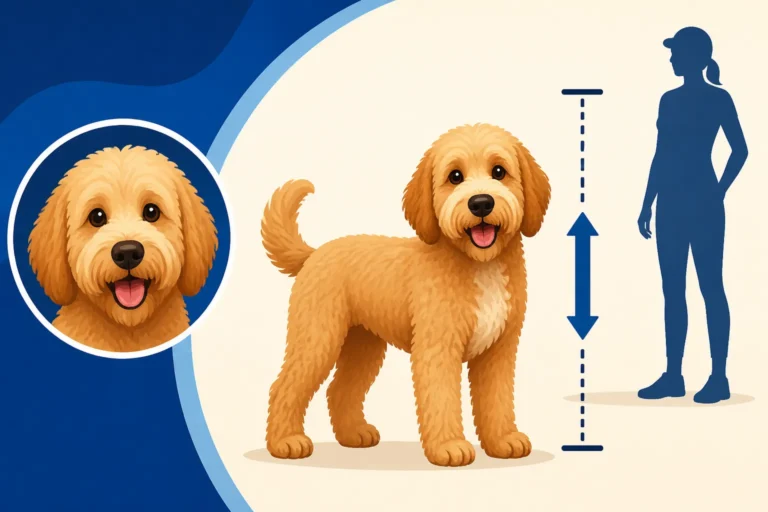
Trainability is equally crucial. Guide dogs undergo extensive, rigorous training that can last for years, teaching them complex commands, obstacle avoidance, intelligent disobedience (knowing when to disobey a dangerous command), and public access etiquette. This requires a dog with high intelligence, a strong work ethic, and the ability to retain and apply complex instructions in real-world scenarios. The Labrador Retriever's biddability and the Poodle's intelligence were key reasons for their selection in the initial cross, aiming to combine these desirable traits. What Public Access Training Asks of a Labradoodle
Health and Longevity
An assistance dog is a long-term commitment, often serving for 8-10 years. Therefore, excellent health and longevity are paramount. Guide dog organizations invest heavily in the breeding and training of these animals, and it's essential that the dogs remain healthy and sound throughout their working lives. Common genetic health issues found in parent breeds, such as hip and elbow dysplasia, eye conditions like progressive retinal atrophy, and certain endocrine disorders, must be carefully screened for.
The goal is to produce dogs that are not only physically capable of the demanding work but also free from debilitating genetic conditions that could shorten their working careers or lead to significant veterinary expenses and heartache for their handlers. Unforeseen health issues can lead to a dog being "washed out" of a program, a painful and costly outcome. This focus on robust health is why responsible breeders of all dog types place such a high emphasis on health testing their breeding stock.
The Ethical Implications of Breeding for a Single Trait
The story of the Labradoodle also brought to light some important ethical considerations in dog breeding, particularly when focusing on a single trait like "allergy-friendliness." Wally Conron himself, the originator of the Labradoodle, has expressed regret over his role, largely due to the subsequent explosion of "Doodles" bred without proper consideration for health, temperament, or coat consistency. Wally Conron and the Labradoodle He Regrets
The danger lies in prioritizing a specific aesthetic or a perceived "hypoallergenic" quality over the overall health and welfare of the dogs. When breeders focus solely on coat, they might inadvertently neglect crucial aspects like temperament testing, genetic health screening, and sound breeding practices. This can lead to dogs with unstable temperaments, significant health problems, or coats that are far from allergy-friendly. The initial noble intent to create a functional assistance dog can unfortunately be diluted when commercial motivations take over without ethical oversight.
The Evolving Landscape of Allergy-Friendly Assistance Dogs
While the Labradoodle offered a promising start, the journey to find the ideal allergy-friendly guide dog is ongoing. Guide dog programs have continued to evolve, learning from the challenges and successes of the early Labradoodle experiments.
Why Guide Dog Programs Diversified Again
Despite the initial success of dogs like Sultan, the unpredictable nature of the Labradoodle's coat, health, and temperament in early generations presented significant challenges for large-scale guide dog breeding programs. Consistency is key for these organizations; they need to be able to predict the traits of their puppies with a high degree of certainty. The wide variation in shedding levels and allergic responses meant that too many Labradoodle puppies were washing out of training or proving unsuitable for allergic handlers.
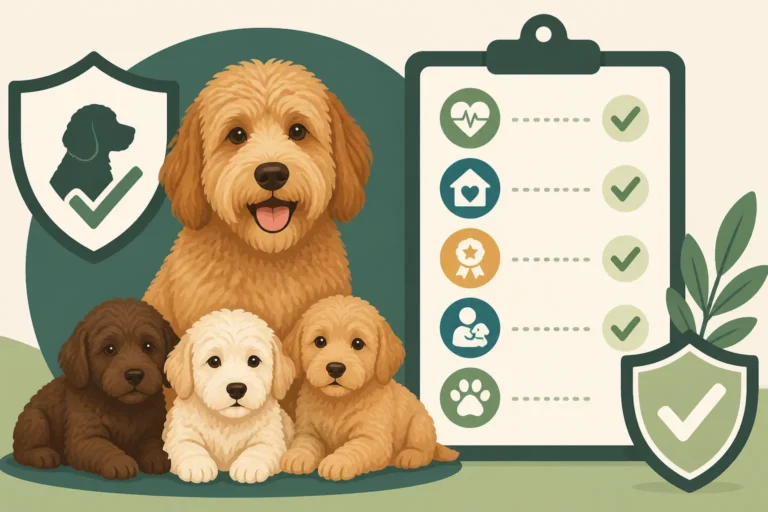
As a result, many guide dog organizations eventually diversified their approaches. Some returned to meticulously selected purebred Poodles, recognizing their consistent low-shedding coats and high intelligence. Others began exploring different crossbreeds or developing their own specific breeding lines, often incorporating Poodle genetics in a more controlled, multi-generational way. The aim was to achieve the desired allergy-friendly coat with greater reliability, without compromising the essential temperament and health characteristics required for guide work. Why Assistance Programs Moved Away From the Labradoodle
Other Breeds and Crosses Being Explored
The quest for allergy-friendly assistance dogs has expanded far beyond just the Labradoodle. Many programs now use Standard Poodles, which consistently offer a low-shedding coat and excellent trainability. Other "Doodle" crosses, such as Goldendoodles or Portuguese Water Dogs, have also been considered, though often with similar challenges regarding coat consistency.
The focus remains on finding dogs that are not only less likely to trigger allergies but also possess the stable temperament, intelligence, and physical soundness that make them effective and safe assistance animals. This often involves careful genetic screening and rigorous temperament testing of breeding stock and individual puppies. The understanding that "hypoallergenic" is a spectrum, and that individual dogs within any breed can vary, continues to drive nuanced approaches to breeding and placement.
The Future of Allergy-Friendly Guide Dogs
The future of allergy-friendly guide dogs is likely to involve a combination of scientific advancements and continued careful breeding practices. Genetic testing for coat types and allergen-producing proteins is becoming more sophisticated, allowing breeders to make more informed decisions. Furthermore, research into identifying the specific genes responsible for lower allergen production could lead to more predictable breeding outcomes.
Beyond breeding, ongoing improvements in environmental allergen management, such as advanced air filtration systems and specialized grooming products available from places like Chewy, will also play a role in making assistance dog partnerships more successful for allergy sufferers. The original need that sparked the creation of the Labradoodle – providing independence to visually impaired individuals with allergies – remains a powerful motivator, driving continuous innovation in the world of assistance dogs. The journey that started with a single request has opened up new possibilities, making the dream of a guide dog a reality for many more people. Whether a Labradoodle Still Makes a Working Assistance Dog
Disclaimer
This article is for general informational purposes only and does not constitute professional advice. Laws, prices and regulations vary by location and change over time. Consult a qualified professional for guidance on your specific situation.