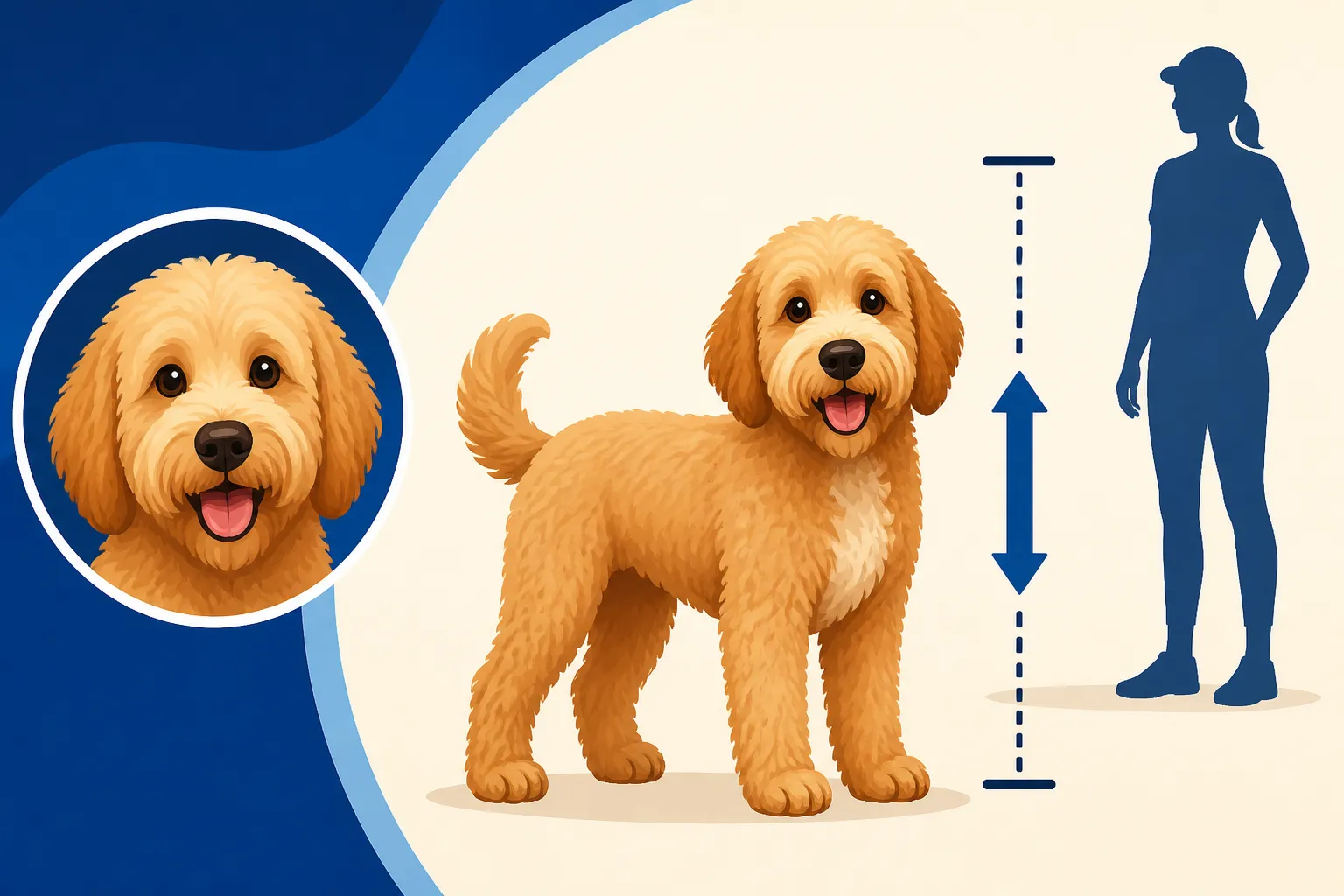
The Medium Labradoodle Between Seventeen and Twenty Inches
One of the most common dilemmas for prospective Labradoodle owners is navigating the various sizes these wonderful dogs come in. You might hear "standard" and "miniature" thrown around, but what if you're looking for something that's truly "just right"—not a huge couch potato, but not a tiny lap dog either? This guide is here to shed light on the elusive and often misunderstood "medium" Labradoodle, typically falling in that sweet spot between seventeen and twenty inches at the shoulder, helping you understand if this size is the perfect fit for your lifestyle.
Decoding Labradoodle Sizes: More Than Just "Standard" and "Miniature"
When you start looking for a Labradoodle, it can feel like you're diving into a sea of confusing terminology. Breeders often use a range of terms to describe size, and it’s not always as clear-cut as you might hope. While many people are familiar with the "miniature" and "standard" classifications, the "medium" size often gets overlooked or lumped in, creating a bit of a gray area. But for many families, this in-between size is precisely what they’re searching for.
The Elusive "Medium" Classification
The truth is, "medium" isn't a formally recognized size by any major kennel club for Labradoodles, simply because the Labradoodle itself isn't a recognized breed in that sense. This means breeders often define their own size categories, leading to some variation in what "medium" truly entails. One breeder's "medium" might be another's "large miniature" or "small standard." It’s this lack of universal standardization that can make your search a little tricky, but it also opens up a wider range of options. You might find a Labradoodle breeder who specifically aims for this middle ground, understanding that many families desire a dog that isn't overwhelming in size but still robust enough for active play.
When a family, perhaps with younger children or living in a slightly smaller home, expresses a desire for a dog that’s not colossal but still has presence, the concept of a "medium" Labradoodle often comes up. They want a dog that can romp in the park with enthusiasm but also fit comfortably on the living room rug without taking up half the floor. This "medium" category caters to that exact need, offering a dog that's substantial enough to feel like a proper canine companion, yet manageable in various living situations. It's a wonderful compromise for those who find the miniatures a little too delicate or the standards a bit too large for their specific circumstances.
How Height and Weight Define "Medium"
Generally, when we talk about a "medium" Labradoodle, we're referring to a dog that stands between approximately 17 to 20 inches tall at the shoulder (the highest point of their back, where the neck meets the body). Their weight usually falls somewhere in the range of 30 to 45 pounds. This range is larger than many people realize, allowing for quite a bit of individual variation even within the "medium" label. Some breeders might push the upper limits, while others aim for the lower end, so it's always important to ask a breeder for specific measurements and estimates for their puppies.
To give you some perspective, think about it this way: a medium Labradoodle is often comparable in size to a smaller English Springer Spaniel or a sturdy Beagle, rather than the much larger stature of a typical Golden Retriever or standard Labrador. This size makes them fantastic companions for a wide variety of activities. They're often agile enough for dog sports like agility or frisbee, but sturdy enough to enjoy a good hike without getting tired too quickly. For families accustomed to medium-sized breeds, this Labradoodle fits right into their expectations, providing a familiar presence without the sheer bulk of their larger cousins. It's a size that balances strength and maneuverability, making them incredibly versatile pets for almost any active household.
What Goes into a Medium Labradoodle's Size? Genetics and Generations
Understanding how a Labradoodle reaches its "medium" size is all about looking at the genetic puzzle pieces from its parent breeds and how those pieces are assembled across different generations. It's not always a straightforward equation, but knowing the influences can help you better predict what to expect in your own puppy. The beauty of the Labradoodle, especially in this specific size range, often comes down to careful breeding and understanding genetic potential.
The Poodle and Labrador Influence
The size of a Labradoodle is directly influenced by the size of its Poodle and Labrador Retriever parents, particularly the Poodle side. While Labradors are generally consistent in size, Poodles come in three main varieties: Standard, Miniature, and Toy. A "medium" Labradoodle is usually the result of breeding a Standard Labrador with a Miniature Poodle, or sometimes a smaller Standard Poodle, or even an F1 Labradoodle with a Miniature Poodle (this would be an F1b). The goal is to consistently produce offspring that land within that 17 to 20-inch height range.
Imagine a scenario where a breeder is aiming for that perfect medium size. They might carefully select a smaller female Labrador, known for her moderate build, and pair her with a well-proportioned Miniature Poodle stud. This intentional pairing is crucial for getting puppies that mature to the desired dimensions. Conversely, if a breeder uses a very large Standard Poodle, even with a smaller Labrador, they might inadvertently produce Labradoodles that lean towards the larger end of the spectrum. It's a delicate balance, and experienced breeders dedicate a lot of thought and planning to The Three Labradoodle Sizes and How They Are Set to ensure they're meeting their size goals for prospective owners.
Understanding Labradoodle Generations and Size Predictability
The generation of a Labradoodle also plays a significant role in its predictable size, especially for those aiming for a medium build. An F1 Labradoodle, the first cross between a purebred Labrador and a purebred Poodle, can be the most variable in size. You might get puppies in the same litter that range from smaller miniatures to larger standards, simply due to the genetic lottery. This means that while an F1 can potentially be medium, it's less guaranteed. For a deeper dive, check out What F1 Means on a Labradoodle.
However, as breeders move into later generations, like F1b (an F1 Labradoodle bred back to a Poodle) or Multigen (Labradoodle bred to Labradoodle for multiple generations), the size tends to become more consistent. For a medium Labradoodle, an F1b bred with a Miniature Poodle or a Multigen breeding where both parents were consistently medium size would offer greater predictability. Breeders who specialize in medium Labradoodles often work with Multigen lines because it allows them to select for specific traits, including size, coat type, and temperament, with much more accuracy. This is why when you’re looking at puppies, a reputable breeder will be able to give you a much more confident estimate of adult size if they are working with established Multigen lines, which you can learn more about in What Multigen Means on a Labradoodle. They've essentially spent generations refining their breeding program to reliably produce that ideal "medium" dog.
Living with a Medium-Sized Labradoodle: Space, Exercise, and Practicalities
Bringing any dog into your home means making some adjustments, but a medium Labradoodle often hits a sweet spot that makes integration relatively smooth for many households. They're big enough to be robust and participate in family activities, yet compact enough to fit comfortably into various living situations, unlike their larger counterparts. This balance means that their needs for space and exercise are often more manageable for the average family.
Space Requirements for Your Medium Doodle
One of the great advantages of a medium Labradoodle is their adaptability to different living environments. Unlike a true standard Labradoodle that might need a sprawling house and yard, a medium doodle can thrive in a smaller home or even an apartment, provided their other needs are met. While a fenced yard is always a bonus for any active dog, it's not strictly necessary for a medium Labradoodle if you're committed to providing ample outdoor exercise and mental stimulation.
Consider a city dweller living in an urban apartment with access to nearby parks and walking trails. A medium Labradoodle could be an ideal companion. They're not so large that they'll constantly feel cramped indoors, and they can easily navigate crowded city sidewalks and public transport. However, it's crucial to understand that "apartment-friendly" doesn't mean "lazy." They still need their regular outings. If you live in a smaller space, you just need to be extra diligent about getting them out for walks, runs, or trips to the dog park. Their size makes them a convenient companion for these adventures, as they can usually fit comfortably in the back seat of most cars or even a larger dog carrier for longer journeys.
Exercise Needs for a "Just Right" Size
Just because a medium Labradoodle isn't a giant doesn't mean they're content to be a couch potato all day. Labradoodles, regardless of size, are generally energetic and intelligent dogs that need regular physical and mental exercise to be well-behaved and happy. A medium-sized Labradoodle will typically require at least 30-60 minutes of vigorous exercise daily, which could be anything from a brisk walk or a run, to a game of fetch in the park, or even a swim.
For a busy owner trying to fit exercise into their daily routine, a medium Labradoodle can be quite forgiving. They're usually able to keep up on a longer hike on the weekends, but a couple of solid walks and some backyard play during the week can often suffice. The key is consistency and quality of exercise. Simply letting them out in the yard isn't enough; they need engagement. Incorporating training sessions into their exercise routine, or even trying out dog sports like obedience or agility, can be fantastic outlets for their energy and sharp minds. If you want to know more about keeping them active and well-behaved, take a look at The Exercise a Labradoodle Needs Before It Behaves. Their medium stature means they're less prone to overheating on hot days compared to some larger, thicker-coated breeds, but always be mindful of weather conditions.
The Practical Side: Grooming, Travel, and Gear
When it comes to the day-to-day practicalities of ownership, the medium Labradoodle often presents a more manageable picture. Grooming is a significant aspect of Labradoodle ownership, and while a medium-sized dog still requires diligent brushing to prevent mats, the sheer volume of coat is less daunting than on a standard-sized doodle. This means brushing sessions might be a little shorter, and trips to the professional groomer might be slightly less expensive, as there's simply less dog to work on. Even so, it's a commitment, and you can expect a decent yearly grooming total. For perspective, consider The Yearly Grooming Total on a Standard Labradoodle.
Traveling with a medium Labradoodle is also generally easier. They fit comfortably in most standard-sized crates, which are crucial for safe car travel and for providing them with a secure den at home. You can find a wide variety of crates, beds, and other essentials for them at stores like Chewy, making it easy to outfit your home. Food consumption, while still substantial for an active dog, will be less than a standard Labradoodle, which can be a relief on your budget. Additionally, accessories like collars, harnesses, and leashes are readily available in appropriate sizes without requiring specialized ordering. Their size also means they are usually easier to lift for vet visits or into the car if they need assistance, which can be a real benefit as they age.
Health and Lifespan Considerations for Medium Labradoodles
Like all breeds and crossbreeds, Labradoodles are prone to certain health conditions that are inherited from their parent breeds. While the "hybrid vigor" often associated with crossbreeds can offer some advantages, it's never a guarantee against all ailments. For medium Labradoodles, understanding potential health challenges is crucial for responsible ownership and ensuring a long, happy life with your companion.
Common Health Concerns Across Sizes
Regardless of size, Labradoodles can inherit genetic predispositions from both the Labrador Retriever and the Poodle. These can include conditions like hip and elbow dysplasia, progressive retinal atrophy (PRA), and certain thyroid issues. Hip and elbow dysplasia, for instance, are structural problems that can lead to arthritis and pain, especially as a dog ages. Even a medium-sized Labradoodle, despite being smaller than a standard, can be affected by these conditions. Reputable breeders will always conduct health screenings on their breeding dogs to minimize the risk of passing on these issues. Learning about conditions like Hips and Elbows in a Sixty Pound Labradoodle is vital.
Another significant concern is progressive retinal atrophy (PRA), a group of genetic diseases that cause the gradual degeneration of the retina, eventually leading to blindness. Both Labradors and Poodles can carry genes for various forms of PRA. This is why asking a breeder about their dog's genetic testing results is so important. Make sure they test for conditions relevant to both parent breeds. Understanding The prcd-PRA Test Both Labradoodle Parents Need will help you make informed decisions when choosing a puppy. Regular veterinary check-ups throughout your Labradoodle's life are also paramount, allowing for early detection and management of any health issues that may arise. Your vet might recommend yearly screenings, especially as your dog approaches middle age, to monitor for changes in their vision or joint health.
Size-Specific Health Notes
While many health issues cross all size categories, a medium Labradoodle often finds itself in a beneficial middle ground concerning certain conditions. For example, bloat (gastric dilatation-volvulus or GDV), a life-threatening condition where the stomach twists, is more commonly associated with large, deep-chested breeds, which includes standard Poodles and, by extension, standard-sized Labradoodles. While a medium Labradoodle is still deep-chested compared to, say, a Beagle, their reduced overall size might slightly lower their risk compared to a much larger doodle. However, it's still a risk to be aware of and discussed with your vet. For more on this, you might explore Bloat Risk in a Standard Poodle Bred Labradoodle.
On the other hand, very small dogs are sometimes more prone to patellar luxation (slipping kneecaps) and dental issues due to crowded mouths. A medium Labradoodle generally has a more robust bone structure than a miniature, potentially making them less susceptible to severe patellar luxation issues. However, dental health is crucial for all sizes, so regular tooth brushing and professional dental cleanings are always recommended. The key takeaway here is that while medium Labradoodles might avoid some of the extreme risks of their smaller or larger counterparts, they are not immune to health problems. A balanced approach to care, including excellent nutrition (you can find quality medium breed dog food at Chewy) and consistent veterinary attention, is essential for every Labradoodle, regardless of its size.
The Temperament of a Medium Labradoodle: Ideal for Many Homes?
The appeal of the Labradoodle isn't just in its charming looks and low-shedding coat; it's also profoundly rooted in its wonderful temperament. For many, the medium-sized Labradoodle offers a fantastic blend of traits, making them incredibly versatile companions suitable for a wide array of households, from active singles to bustling families with children and other pets.
Balancing Poodle Intelligence and Labrador Affection
One of the defining characteristics of any Labradoodle, including the medium variety, is the incredible blend of intelligence from the Poodle and the friendly, eager-to-please nature of the Labrador Retriever. This combination often results in a highly trainable dog that is quick to learn, loves to be involved in family activities, and forms strong bonds with its human companions. The Poodle's sharp mind means they can pick up commands quickly, while the Labrador's natural enthusiasm and desire to please make them responsive to training. This balance often manifests as a dog that is both clever and compliant, a true joy to live with. You might find it helpful to learn about The Temperament a Labradoodle Gets From Each Parent.
Imagine teaching your medium Labradoodle a new trick, like "fetch" or "spin." Their intelligent eyes will follow your every move, and they'll often catch on with just a few repetitions, especially when positive reinforcement and tasty treats are involved. This makes them excellent candidates for obedience classes, advanced trick training, or even dog sports. Their medium size ensures they have the physical ability to excel without being too unwieldy or too small to perform tasks with enthusiasm. This innate desire to please, coupled with their brainpower, often translates into a well-mannered and delightful household member who thrives on interaction and purpose.
Family Dynamics and Socialization
A medium Labradoodle is often cited as an excellent family dog, and for good reason. Their size is substantial enough to handle the playful antics of children without being easily overwhelmed, yet they are typically not so large that they pose an accidental tripping hazard for toddlers. They tend to be patient, gentle, and eager to participate in family life, whether it's a game of tug-of-war in the yard or a quiet evening cuddle on the couch. Their affectionate nature makes them wonderful companions for kids of all ages, though supervision is always key, especially with very young children, as even a gentle dog can accidentally knock over a small child. This is a point where A Sixty Pound Labradoodle and a Toddler is a useful read, even if your dog is smaller.
When it comes to other pets, proper socialization from a young age is crucial, as it is with any dog. However, the Labradoodle's generally amiable disposition often means they can integrate well into multi-pet households, often becoming best friends with the resident cat or other dogs. Their medium stature means they are less intimidating to smaller pets than a large standard dog might be, and they are usually robust enough to stand their ground playfully with other medium to large dogs. Whether you're a first-time dog owner looking for a devoted companion or an experienced dog lover adding another furry friend to your pack, the medium Labradoodle's balanced temperament and adaptable nature make them a strong contender. They often fit the bill for those wondering Whether a Labradoodle Is Really an Easy First Dog, though "easy" still requires commitment!
Comparing Labradoodle Sizes
To help illustrate the differences between the various Labradoodle sizes, here's a quick comparison. Remember that these are general guidelines, and individual dogs can vary within these ranges.
| Size Category | Height (at shoulder) | Weight Range | General Characteristics |
|---|---|---|---|
| Miniature | 14-16 inches | 15-25 pounds | Compact, often preferred for apartment living or owners wanting a smaller dog. Still active but less demanding exercise. |
| Medium | 17-20 inches | 30-45 pounds | The "just right" size. Adaptable, good for various homes. Energetic but manageable. Sturdy enough for active families. |
| Standard | 21-24+ inches | 50-70+ pounds | Larger, more substantial dogs. Best suited for homes with ample space and owners who can provide significant exercise. |
The Lifelong Commitment: Nurturing Your Medium Labradoodle
Bringing a medium Labradoodle into your life is a commitment that spans many years, typically well into their teens. Understanding the trajectory of their life, from energetic puppyhood through their calmer senior years, is essential for providing them with the best possible care and ensuring they remain a happy, healthy, and beloved member of your family. The medium size often presents a practical advantage throughout these stages, making various aspects of care slightly less strenuous than with a larger dog.
Navigating Puppyhood and Adolescence
The puppy phase of a medium Labradoodle is a whirlwind of boundless energy, curiosity, and rapid growth. While they might start out small enough to fit in your lap, they will quickly grow into their medium frame. This period is crucial for establishing good habits, socialization, and basic obedience training. Their intelligence means they'll soak up lessons like a sponge, but their playful nature also means they'll push boundaries. Consistent training, early exposure to different environments, sounds, and people, and plenty of appropriate playtime are non-negotiable.
During adolescence, which can last until they're about 18-24 months old, you might notice a temporary dip in their listening skills—a common phase for many breeds. Even a medium Labradoodle, once a diligent puppy, might suddenly "forget" commands. This isn't defiance; it's often a developmental stage where their brains are reorganizing, and they're testing their independence. Patience, continued positive reinforcement, and perhaps enrolling in an advanced obedience class can help you both navigate this period successfully. Their medium size at this stage makes them manageable enough to control on a leash even when they're testing boundaries, which is a definite plus.
Adulthood: Active and Engaged Companions
As your medium Labradoodle matures into adulthood, usually around 18 months to two years, they'll settle into their full size and personality. They'll retain their playful spirit but often with a more refined sense of self. This is when their balanced temperament truly shines, as they become devoted, well-adjusted companions. They'll still require consistent exercise to keep them physically and mentally fit, but their energy levels typically become more predictable, allowing you to establish a comfortable routine.
Many adult medium Labradoodles excel in various activities, from being fantastic running partners to enthusiastic participants in dog sports or even therapy work. Their intelligence makes them amenable to learning new tricks or complex tasks, keeping their minds sharp and preventing boredom-related behaviors. Regular grooming continues to be vital to maintain their coat, and their medium size makes this a task that can often be managed at home with the right tools, or through professional groomers. Don't forget their diet: a high-quality adult dog food appropriate for their size and activity level is key, and Chewy offers a wide range of options to suit their specific needs.
Senior Years: Comfort and Continued Care
As your medium Labradoodle gracefully enters their senior years, typically around eight to ten years old, their needs will gradually shift. You might notice them slowing down, perhaps not running as fast or jumping as high as they once did. Their coat might thin or change texture slightly, and they might develop a few more gray hairs around their muzzle. Changes in an old Labradoodle's coat are a natural part of aging, and you can explore What Changes in an Old Labradoodle's Coat for more insights. This is a time to adjust their routine to ensure their comfort and well-being.
Gentle, shorter walks, perhaps more frequently, will replace vigorous runs. Investing in a comfortable, orthopedic bed can provide much-needed support for aging joints. Regular veterinary check-ups become even more critical to monitor for age-related conditions like arthritis, dental disease, or declining vision and hearing. Your vet may recommend joint supplements or dietary adjustments to support their changing metabolism. The manageable size of a medium Labradoodle makes it easier to provide physical assistance if they struggle with stairs or getting into the car, ensuring they can continue to participate in family life with dignity and comfort. This lifelong commitment, from boisterous puppy to cherished senior, is incredibly rewarding, and a medium Labradoodle is truly a gift that keeps on giving.
Disclaimer
This article is for general informational purposes only and does not constitute professional advice. Laws, prices and regulations vary by location and change over time. Consult a qualified professional for guidance on your specific situation.