Why an Australian Labradoodle Is Not a Labradoodle
It's easy to get confused when you hear terms like "Labradoodle" and "Australian Labradoodle" tossed around. Many people assume they're just different names for the same adorable, curly-coated companion, or perhaps a minor variation in their geographical origin. But this isn't the case at all, and misunderstanding the distinction can lead to real surprises down the line, especially concerning temperament, coat type, and genetic background. This guide is here to untangle the nuances, offering a deep dive into what truly sets these two wonderful dogs apart, and why that difference matters for prospective owners.
Understanding the Original Labradoodle's Genesis
The story of the Labradoodle begins not with a grand vision for a new breed, but with a very specific and compassionate need. Imagine trying to find a guide dog for someone with allergies – a real challenge that faced guide dog organizations decades ago. This pressing problem laid the groundwork for the first purposeful cross, forever changing the landscape of companion animals.
The Initial Cross and Its Purpose
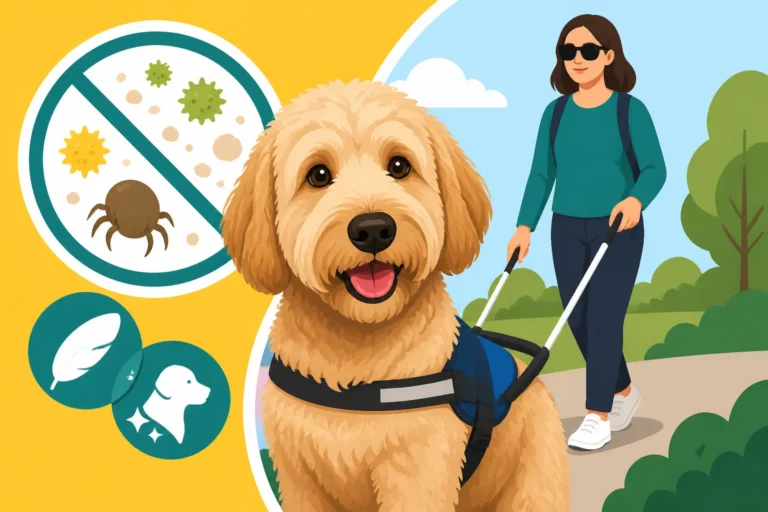
Back in 1989, a gentleman named Wally Conron, who was the breeding manager for the Royal Guide Dogs Association of Australia, received a letter from a visually impaired woman in Hawaii. Her husband was severely allergic to dogs, and she desperately needed a guide dog that wouldn't trigger his allergies. Conron tried many different Poodles, known for their low-shedding coats, but they didn't have the biddable nature and working drive that a Labrador Retriever offered. This was the dilemma: the perfect temperament but the wrong coat, or the right coat but not quite the right temperament for guide work.
His solution was ingenious, if somewhat accidental in its ultimate impact: cross the two. He bred a Standard Poodle with a Labrador Retriever, hoping to combine the Poodle's hypoallergenic coat with the Labrador's trainability and gentle disposition. The first litter produced three puppies, and one, named Sultan, proved to be an exceptional guide dog who also didn't trigger allergies. This was a triumph in its initial goal, providing an answer to a very specific problem. You can learn more about The 1989 Cross That Made the First Labradoodle and the intentions behind it.
Early Breeding Goals and Challenges
The immediate goal for these early Labradoodles was purely functional: to create a guide dog for people with allergies. However, the unexpected side effect was the immense public demand that quickly followed. Suddenly, everyone wanted a "Labradoodle" – a cute name coined to market these puppies. What many people didn't realize, and what Wally Conron himself has openly discussed, is that the first generation (F1) cross often resulted in a wide spectrum of traits. Some puppies inherited the Poodle's non-shedding coat, others shed like a Labrador, and many were somewhere in between. The "hypoallergenic" promise was not a guarantee across the entire litter.
This unpredictability meant that replicating Sultan's success consistently was challenging. Breeders often faced litters where only some puppies had the desired coat and temperament mix. The genetic lottery of a first-generation cross means you can get any combination of traits from either parent, which is why it was difficult to establish consistent lines early on. Conron later expressed regret over the "Pandora's Box" he felt he had opened, lamenting how the breed's popularity led to irresponsible breeding practices focused on profit over health and consistency. It's a fascinating and often heartbreaking part of the breed's history, shedding light on Wally Conron and the Labradoodle He Regrets.
Why No Kennel Club Registers the Labradoodle
Because the original Labradoodle is a crossbreed, not a purebred dog with a long-established breed standard, it isn't recognized by major kennel clubs like the American Kennel Club (AKC) or the United Kennel Club (UKC). These organizations typically require several generations of consistent breeding to a specific standard – ensuring predictable size, appearance, and temperament – before granting official recognition. For a traditional Labradoodle, especially an F1 or F2 cross, this consistency isn't always there.
The lack of official recognition means there isn't a universally agreed-upon breed standard that all Labradoodles must meet. This can be both a blessing and a curse. On one hand, it allows for greater genetic diversity and flexibility in breeding programs. On the other hand, it means prospective owners must rely heavily on the integrity and practices of individual breeders to ensure they are getting a healthy, well-socialized puppy with predictable traits. Without a governing body setting specific rules, the quality can vary wildly. Understanding Why No Kennel Club Registers the Labradoodle is crucial for anyone considering bringing one home.
The Emergence of the Australian Labradoodle
While the initial Labradoodle gained immense popularity, a group of dedicated breeders in Australia saw the potential for more. They envisioned a dog that not only carried the charming qualities of the original cross but also boasted greater consistency in terms of coat, temperament, and health. This vision led to the deliberate, multi-generational development of what we now know as the Australian Labradoodle. It was a conscious effort to move beyond the F1 and F2 crosses and create something more predictable and uniform.
The Intentional Development of a New Breed
Unlike the accidental success of the initial Labradoodle cross, the Australian Labradoodle was developed with a very clear and intentional breeding program. Breeders in Australia, notably Rutland Manor and Tegan Park, began a meticulous multi-generational breeding program aimed at creating a consistent breed. Their goal was to produce dogs with reliably low-shedding coats, allergy-friendly properties, and a stable, intelligent temperament, rather than relying on the "genetic lottery" of first-generation crosses. They didn't just cross Poodles and Labradors; they carefully selected breeding stock over many generations, observing and documenting traits to guide their choices.
This was a long-term project, requiring careful record-keeping and a deep understanding of genetics. They weren't just breeding two dogs together and hoping for the best; they were working towards a repeatable outcome. This dedication led to a distinct bloodline with much greater predictability than the earlier Labradoodle crosses. When you hear about an "Australian Labradoodle," you're talking about a dog with a much more defined genetic heritage and a more consistent expression of desired traits.
Infusion of Additional Breeds
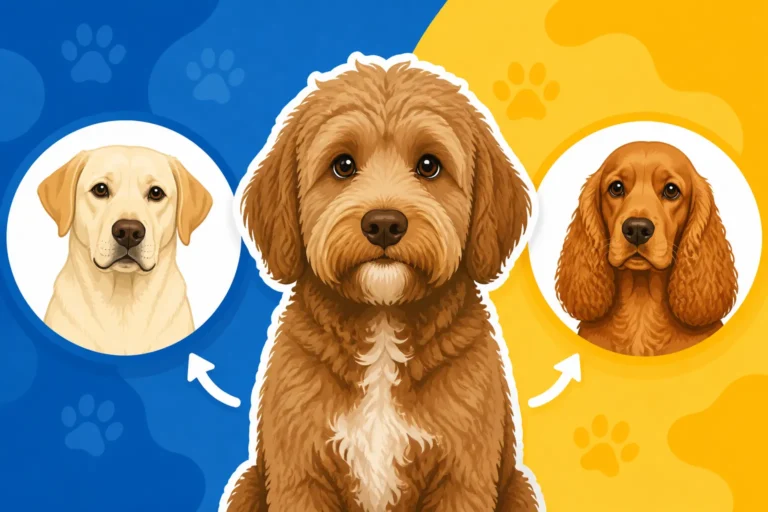
Perhaps the most significant difference that sets the Australian Labradoodle apart from the standard Labradoodle is the intentional introduction of other breeds into its lineage. To achieve their goals of consistency in coat, type, and temperament, the founding breeders looked beyond just the Labrador Retriever and Poodle. Over time, they carefully infused up to four additional breeds into the mix: the Irish Water Spaniel, the Curly Coated Retriever, and later, the American and English Cocker Spaniels.
This strategic infusion was done to reinforce certain traits, such as the desired wool or fleece coat texture, to improve temperament, or to broaden the genetic pool to mitigate potential health issues. For example, the Irish Water Spaniel might have contributed to the desired coat texture and a robust, active disposition, while the Cocker Spaniels could have refined size and further influenced coat and temperament. This is a key point to grasp: the "Australian" prefix isn't just about geography; it signifies a complex and intentional genetic blueprint. This fascinating aspect is explored further in The Four Breeds Inside an Australian Labradoodle.
The Australian Labradoodle as a Multi-Generational Dog
A crucial distinction lies in the generational aspect. While a "Labradoodle" can refer to any generation (F1, F1b, F2, etc.), an Australian Labradoodle is, by definition, a multi-generational dog. This means that Australian Labradoodles are the result of breeding Australian Labradoodle to Australian Labradoodle for many generations, rather than crossing back to a Poodle or Labrador, or being a first-generation cross.
This multi-generational breeding is what allows for the increased predictability in their characteristics. When breeders consistently select for specific traits over numerous generations, those traits become more firmly embedded in the genetic makeup of the population. This contrasts sharply with the often unpredictable outcomes seen in early-generation Labradoodle crosses, where puppies in the same litter can look vastly different from each other. The goal is to "breed true," meaning offspring consistently resemble their parents and the breed standard. This commitment to multi-generational breeding is a core element of What Makes a Labradoodle Australian.
Key Differences in Breed Composition
Understanding the foundational genetics is paramount to grasping why these two types of dogs, though sharing part of a name, are distinctly different. It's not just semantics; it's about what makes up their very DNA, and how that impacts everything from their physical traits to their potential health predispositions.
The Purebred Poodle and Labrador Foundation
A "standard Labradoodle" or "original Labradoodle" is typically a direct cross between a purebred Labrador Retriever and a purebred Standard (or Miniature/Toy) Poodle. This is commonly referred to as an F1 generation. Sometimes, an F1 Labradoodle might be bred back to a Poodle (F1b) or another F1 Labradoodle (F2). Regardless, the genetic pool for a standard Labradoodle is essentially limited to these two parent breeds.
This binary genetic input means that the traits a standard Labradoodle inherits are a mix-and-match from just two distinct sets of genes. You might get a strong retrieving drive from the Labrador side, combined with the Poodle's intelligence. However, you also get the full range of potential coat types, temperaments, and health predispositions from both breeds. The outcomes are less uniform than many people expect, especially in those initial crosses. This genetic 'toss of the dice' is part of the charm for some, but a significant challenge for those seeking predictability.
The Four Breeds Inside an Australian Labradoodle
As mentioned, the Australian Labradoodle's genetic tapestry is far more complex. It's a deliberate blend of up to six breeds: the Labrador Retriever, Standard Poodle, Irish Water Spaniel, Curly Coated Retriever, and two types of Cocker Spaniel (English and American). This extensive foundation was carefully selected and bred over multiple generations to stabilize desired traits.
The inclusion of these additional breeds allowed founders to selectively enhance specific characteristics. For instance, the Irish Water Spaniel, with its dense, water-resistant curly coat, could have been introduced to help establish the signature non-shedding, allergy-friendly fleece or wool coat. The Cocker Spaniels might have contributed to a slightly smaller size range, or to refine certain aspects of temperament. This multi-breed foundation is precisely why Australian Labradoodles are considered a developing breed, rather than simply a crossbreed. They have a broader genetic foundation, which, when properly managed, can lead to a more robust and consistent animal.
How This Affects Genetic Diversity
On the surface, having more breeds in the mix might seem to automatically equate to greater genetic diversity and therefore fewer health issues. While a wider gene pool can be beneficial, it also means that Australian Labradoodles carry the potential genetic predispositions of all six foundation breeds. Reputable Australian Labradoodle breeders, such as those associated with the Australian Labradoodle Association of America (ALAA) or the Worldwide Australian Labradoodle Association (WALA), conduct extensive health testing to screen for common issues found across all these breeds. This rigorous testing is vital to ensure the health of their lines. You can check out What an ALAA Labradoodle Breeder Must Prove to understand the standards they aim for.
For standard Labradoodles, while the gene pool is smaller (just two breeds), responsible breeders still need to test for issues common to both Labradors and Poodles, such as hip and elbow dysplasia, progressive retinal atrophy (PRA), and certain heart conditions. The key takeaway is that neither type of Labradoodle is inherently "healthier" without proper, extensive health testing from their breeders. The genetic make-up simply means which tests are most relevant might differ slightly. It's always crucial to ask about parental health clearances, regardless of which type of Labradoodle you are considering.
| Feature | Standard Labradoodle | Australian Labradoodle |
|---|---|---|
| Foundation Breeds | Labrador Retriever, Poodle | Labrador Retriever, Poodle, Irish Water Spaniel, Curly Coated Retriever, American Cocker Spaniel, English Cocker Spaniel |
| Generations | Can be F1 (first cross), F1b, F2, etc. | Always multi-generational (breeding ALD to ALD) |
| Breed Status | Crossbreed (designer dog) | Developing breed, aims to "breed true" |
| Predictability | Highly variable, especially in F1/F2 generations | Generally more consistent in coat, size, and temperament |
| Coat Types | Hair, Fleece, Wool (less predictable) | Primarily Fleece or Wool (more predictable) |
| Temperament | Mix of Poodle & Labrador traits, can be variable | Bred for consistent, stable, biddable temperament |
| Registry/Associations | No major kennel club recognition | Recognized by breed-specific associations (e.g., ALAA, WALA) |
Differences in Appearance and Coat Types
One of the most immediate and visible differences between a standard Labradoodle and an Australian Labradoodle often lies in their coats. This isn't just about aesthetics; it has significant implications for grooming, potential allergen-friendliness, and overall care. The quest for a truly non-shedding, allergy-friendly coat was a driving force in the development of the Australian Labradoodle.
Predictability of Coat in Australian Labradoodles
Australian Labradoodles were specifically bred for consistent coat types, aiming for the desired fleece and wool textures that are typically low-shedding and often more allergy-friendly. Through multi-generational breeding and careful selection, breeders have largely succeeded in creating lines where these coat types are the norm. You're much more likely to find an Australian Labradoodle with a soft, wavy fleece coat or a dense, curly wool coat, both of which are hallmark features.
This predictability means that when you choose an Australian Labradoodle puppy from a reputable breeder, you have a much clearer expectation of what their adult coat will look and feel like, and how much grooming commitment it will require. This consistency is a huge benefit for families with allergies or those who simply want to avoid heavy shedding. It’s part of the reason they are so popular, despite often having a higher price point. If you're looking for predictable results, an Australian Labradoodle is generally going to deliver.
Variety in First Generation Labradoodle Coats
In stark contrast, a standard F1 Labradoodle (a direct cross between a Labrador and a Poodle) is a true genetic grab bag when it comes to coat. You can get anything from a fairly straight, hair-like coat that sheds considerably, much like a Labrador, to a wavy fleece coat, or even a very curly wool coat similar to a Poodle. Sometimes, puppies in the same litter will display all three types. This unpredictability is what makes the F1 generation a gamble for those seeking a specific coat.
For families hoping for a "hypoallergenic" dog, this variability can be a real issue. An F1 Labradoodle with a hair coat will likely shed, and may not be suitable for allergy sufferers. The coat type can be difficult to predict even in puppies, often only becoming apparent as they mature. This is why it's so important for prospective owners of standard Labradoodles to understand that there's no guarantee of a low-shedding coat in the earlier generations. This wide range of possibilities is thoroughly explained in articles like The Three Labradoodle Coats: Hair, Fleece and Wool.
Furnishings and Hypoallergenic Claims
The presence of "furnishings" is also a significant visual differentiator. Furnishings are the longer hair on the muzzle, eyebrows, and legs that give doodles their characteristic "beard" and shaggy look. These furnishings are associated with the non-shedding (or low-shedding) trait. Poodles have furnishings, Labradors do not.
Australian Labradoodles are consistently bred to possess these furnishings, contributing to their predictable low-shedding coats. This is a crucial factor in their appeal to allergy sufferers. Without furnishings, a dog is more likely to shed. Standard Labradoodles, especially F1s, may or may not inherit the furnishing gene. An F1 Labradoodle without furnishings will often have a smoother face and a coat that sheds more like a Labrador. This can lead to disappointment for owners expecting a non-shedding dog. It underscores the point that while no dog is truly 100% hypoallergenic, the Australian Labradoodle has been specifically developed to maximize this trait. It's a critical discussion when addressing Whether a Labradoodle Is Truly Hypoallergenic.
Temperament and Behavioral Distinctions
Beyond their looks, the temperament of these dogs is another area where intentional breeding efforts have created distinct profiles. While both types are generally loving and intelligent, the consistency and predictability of behavioral traits can vary significantly, impacting how they fit into different households.
Consistency in Australian Labradoodle Temperament
The breeding programs behind Australian Labradoodles placed a strong emphasis on consistent, stable temperaments. The goal was to produce dogs that were not only intelligent and eager to please but also calm, intuitive, and adaptable, making them excellent family companions and potential service or therapy dogs. Breeders specifically selected for traits like gentleness, trainability, and an even disposition, actively trying to minimize common Poodle traits like neuroticism or Labrador traits like excessive mouthiness or boisterousness in inappropriate situations.
As a result, Australian Labradoodles generally exhibit a more uniform temperament across the breed. They are often described as exceptionally intuitive, sensing their owner's moods, and are known for their biddable nature. This consistency makes them a very appealing choice for first-time dog owners or families seeking a predictable and reliable companion. They are often noted for their ability to settle, a highly desired trait in busy homes, yet they maintain a playful spirit when appropriate. This deliberate cultivation of temperament is a cornerstone of the Australian Labradoodle's identity.
The "Velcro" Trait and Energy Levels
Both standard and Australian Labradoodles are often described as "Velcro dogs" – a term of endearment for their strong desire to be close to their human companions. This trait comes from the Poodle side, known for its strong bond with its family. However, the intensity of this trait, and how it manifests, can differ.
In Australian Labradoodles, this "Velcro" nature is often tempered with a self-assuredness that allows them to be affectionate without being overly needy or prone to separation anxiety, assuming they receive adequate exercise and training. They thrive on companionship but are also generally capable of settling calmly when their owners are busy. Their energy levels are typically moderate; they love a good walk or play session, but aren't usually bouncing off the walls if they miss a day, assuming their mental stimulation needs are met. Many owners find their Australian Labradoodles enjoy playing with a wide range of interactive toys, even those found on sites like Chewy, which can help burn off some of that energy indoors.
For standard Labradoodles, especially F1 crosses, the energy level and specific temperament traits can be more varied. You might get a dog with a higher prey drive from the Labrador side, or a more sensitive nature from the Poodle. Their "Velcro" tendencies might be more pronounced or lead to more overt displays of attachment, which, without proper training and management, could escalate into separation-related behaviors. It truly depends on the genetic lottery of that specific cross and which parent's traits are more dominant. This blend of traits from two distinct parent breeds is detailed in The Temperament a Labradoodle Gets From Each Parent.
Suitability for Specific Roles
The consistent temperament and intelligence of the Australian Labradoodle have made them highly sought after for assistance and therapy work. Their intuitive nature, combined with their low-shedding coats, makes them ideal candidates for roles where they need to be calm, focused, and adaptable in various environments, such as visiting hospitals, schools, or providing emotional support. They are often easier to train for specific tasks due to their stable nature and eagerness to please.
Standard Labradoodles can also excel in these roles, but it is less guaranteed. Selecting a suitable candidate from an F1 or F2 litter might require more extensive temperament testing to identify individuals with the right disposition. While many standard Labradoodles make fantastic family pets, their suitability for specialized work might be more of a pleasant surprise than a consistent expectation. Ultimately, early socialization and consistent positive reinforcement training are crucial for both types of Labradoodles to reach their full potential, whether as a beloved family member or a working assistance dog.
Breeding Practices and Registration
The way these two types of dogs are bred, and how their lineage is managed, is perhaps the most defining factor differentiating them. It speaks to the philosophy behind their existence and the future direction of their development. This includes the role of breed associations, the nature of health testing, and the overall goals of breeders.
The Role of Breed Associations for Australian Labradoodles
For Australian Labradoodles, specific breed associations have been established to oversee and guide their development. Organizations like the Australian Labradoodle Association of America (ALAA) and the Worldwide Australian Labradoodle Association (WALA) play a crucial role. They maintain strict breeding standards, enforce ethical practices, and provide a framework for registration that tracks lineage over many generations. These associations aim to ensure the health, temperament, and conformity of the breed.
Breeders who are members of these associations adhere to rigorous health testing protocols for their breeding dogs, often requiring clearances for hips, elbows, eyes, and various genetic diseases common to the foundation breeds. This commitment helps to safeguard the health of future generations and provides prospective owners with a level of assurance regarding their puppy's background. These organizations are working towards official recognition of the Australian Labradoodle as a purebred dog, a significant long-term goal that underscores their commitment to the breed's integrity. For example, What a WALA Labradoodle Pedigree Costs and Proves demonstrates the value these registries bring.
Lack of Formal Recognition for Standard Labradoodles
As previously touched upon, the standard Labradoodle, being a crossbreed, does not have official recognition from major kennel clubs. This means there are no overarching breed standards or mandatory health testing protocols enforced by a central governing body. While many dedicated standard Labradoodle breeders exist and conduct thorough health testing on their parent dogs, this practice is not universally mandated or regulated.
The lack of formal recognition can make it harder for prospective owners to vet breeders, as there's no official registry to check for lineage, health clearances, or adherence to ethical guidelines. It places a greater burden on the buyer to do their due diligence, ask pointed questions, and verify health certificates independently. While some smaller, independent registries or clubs might exist for hybrid dogs, they typically do not carry the same weight or enforce the same stringent standards as breed-specific associations for developing breeds like the Australian Labradoodle.
Ethical Breeding and Health Testing Standards
Regardless of whether you are seeking a standard or an Australian Labradoodle, ethical breeding practices and comprehensive health testing are non-negotiable. However, the scope and focus of these tests can differ. For an Australian Labradoodle, a breeder should be testing for genetic conditions relevant to all six of its foundation breeds. This often includes hip and elbow evaluations, eye certifications, and DNA tests for conditions such as Progressive Retinal Atrophy (PRA), Von Willebrand's Disease, and Exercise Induced Collapse (EIC). Reputable breeders will be transparent about these tests and provide documentation. This commitment is vital, as discussed in Whether Health Tested Parents Add Years to a Labradoodle.
For a standard Labradoodle, the focus should be on the Labrador Retriever and Poodle specific health concerns. This includes hips, elbows, eyes, and relevant DNA tests for EIC, PRA, and sometimes Addison's disease or Sebaceous Adenitis, which can come from the Poodle side. A responsible breeder will conduct these tests and be open about the results. The key message is to always demand proof of health clearances, regardless of the "type" of Labradoodle you are considering. A responsible breeder, whether of a standard or Australian Labradoodle, prioritizes the health and well-being of their puppies above all else, and part of this is being prepared for the potential EIC, Addison's and Bloat Bills a Labradoodle Owner Meets if proper testing isn't done.
Choosing Between a Labradoodle and an Australian Labradoodle
Making the decision between these two wonderful types of dogs can feel overwhelming, especially with all the differing information out there. It’s not about one being inherently "better" than the other, but about finding the right fit for your lifestyle, expectations, and family dynamics. Taking the time to consider your priorities will help guide you toward the perfect furry family member.
Assessing Your Family's Needs
Your family's lifestyle is arguably the most critical factor when choosing between a standard Labradoodle and an Australian Labradoodle. If you're looking for maximum predictability in terms of coat type, shedding, size, and temperament, an Australian Labradoodle might be the better choice. Their multi-generational breeding program aims for consistency, which can be a huge relief for families with specific needs, such as severe allergies or a desire for a dog with a very stable and intuitive disposition for potential therapy work. They are generally considered excellent with children and other pets due to their carefully curated temperaments.
However, if you're drawn to the idea of a less 'defined' dog and are comfortable with a bit more genetic variability, a standard Labradoodle could be a wonderful fit. Perhaps you've met an F1 Labradoodle that stole your heart, or you appreciate the direct lineage from two beloved purebreds. Just be prepared for the possibility that an F1 might shed more or have a less predictable coat texture, and their personality might lean more heavily towards one parent breed over the other. Every dog is an individual, of course, but the range of individuality can be wider in early-generation crosses.
Considering Health and Longevity
The health and longevity of your future companion should always be a top priority. As discussed, both types of Labradoodles can be prone to certain hereditary conditions common in their parent breeds. The Australian Labradoodle's more diverse genetic foundation (incorporating multiple breeds) means a responsible breeder will perform an even broader panel of health tests. This comprehensive approach, enforced by breed associations like ALAA, aims to minimize the risk of passing on genetic diseases.
For standard Labradoodles, a reputable breeder will likewise conduct genetic testing and health clearances for conditions prevalent in Labradors and Poodles. The crucial takeaway here is not which type of Labradoodle is healthier, but how thoroughly the breeder has tested their breeding stock. Always ask for proof of health clearances, understand what they cover, and look for breeders who are transparent and eager to discuss the health history of their lines. Longevity, for both, is often tied to genetics, diet, exercise, and overall care, spanning typically The Twelve to Fifteen Years a Labradoodle Lives.
The Commitment to Grooming and Training
Regardless of whether you choose a standard or Australian Labradoodle, you are committing to significant grooming and training. The hallmark fleece and wool coats, while often low-shedding, are high-maintenance. They require regular brushing, typically several times a week, to prevent matting, especially during the adolescent coat change phase around nine months. If not meticulously maintained, these coats can quickly become a tangled mess, necessitating professional grooming every 6-8 weeks. Many owners rely on products from retailers like Chewy to keep their dog's coats in top condition, from brushes to detangling sprays. This commitment is particularly evident when you consider What Happens to a Labradoodle's Coat at Nine Months.
Both types are intelligent and generally eager to please, making them highly trainable. However, their intelligence also means they need mental stimulation to prevent boredom and destructive behaviors. Early socialization, puppy classes, and consistent positive reinforcement training are essential for either a standard or Australian Labradoodle to grow into a well-mannered adult. They thrive on having a "job" or purpose, even if it's just being a well-behaved family member. Understanding this commitment upfront is vital to a happy and harmonious relationship with your Labradoodle, whichever variant you choose.
Disclaimer
This article is for general informational purposes only and does not constitute professional advice. Laws, prices and regulations vary by location and change over time. Consult a qualified professional for guidance on your specific situation.