What an ALAA Labradoodle Breeder Must Prove
Finding a Labradoodle puppy can feel like navigating a minefield of conflicting information, especially when you're trying to determine if a breeder is truly reputable or just trying to make a quick sale. It's incredibly frustrating when you're looking for a healthy, well-adjusted family member, only to encounter breeders who are vague about their practices or simply don't seem to have their dogs' best interests at heart. This guide aims to clear up the confusion surrounding breeder accountability, specifically focusing on what an Australian Labradoodle Association of America (ALAA) breeder must prove to uphold the standards of responsible breeding for the Australian Labradoodle.
Navigating the Labradoodle Breeder Landscape
The journey to finding the perfect Labradoodle often starts with a mix of excitement and apprehension. You've probably heard wonderful stories about their affectionate nature and intelligence, but you've also likely stumbled upon tales of inconsistent temperaments or unexpected health issues. This mixed bag of experiences can make the search for a reputable breeder feel overwhelming.
The Confusion Around "Labradoodle"
One of the biggest hurdles is understanding that not all "Labradoodles" are created equal. When someone mentions a Labradoodle, they might be referring to the original first-generation cross between a Labrador Retriever and a Standard Poodle, often called an F1. These dogs can be quite variable in terms of coat type, shedding, and even temperament, as they inherit a truly random mix of traits from both parent breeds. This unpredictability was actually one of the reasons the original creator, Wally Conron, expressed regret over the cross, as he felt it opened the door for irresponsible breeding.
Then there's the Australian Labradoodle. This is where the ALAA comes in. The Australian Labradoodle isn't just a Labrador-Poodle cross; it's a specific developing breed that can have up to six different parent breeds in its lineage, including the Irish Water Spaniel and the Cocker Spaniel, as detailed in articles like The Four Breeds Inside an Australian Labradoodle. This multi-generational approach aims to create more consistency in temperament, health, and coat. The confusion between these two distinct types of "Labradoodle" means that finding a breeder dedicated to the Australian Labradoodle's specific standards requires careful discernment. You're not just looking for someone who bred a Labrador and a Poodle; you're looking for someone committed to a particular lineage and a specific set of breeding goals.
Why Breeder Accountability Matters
When you're bringing a new puppy into your home, you're not just buying a pet; you're adopting a family member for the next decade or more. The decisions a breeder makes directly impact that puppy's future health, temperament, and your family's overall experience. Without strong accountability, you run the risk of inadvertently supporting breeders who cut corners, don't perform adequate health testing, or fail to provide proper socialization for their puppies. This can lead to heartbreaking situations down the line: expensive vet bills for preventable genetic conditions, behavioral challenges that require extensive training, or even a dog that simply doesn't fit into your family's lifestyle because its temperament wasn't properly nurtured. Responsible breeding isn't just about making puppies; it's about making good puppies, and that commitment starts with transparency and adherence to high standards.
Understanding ALAA and Its Purpose
The Australian Labradoodle Association of America (ALAA) was established precisely to address the inconsistencies and lack of regulation that plagued the broader "doodle" market. It's a structured organization created by dedicated breeders who believe in the future of the Australian Labradoodle as a distinct and predictable breed.
What is the ALAA?
The ALAA is a registry and ethical guideline organization specifically for the Australian Labradoodle. It's not a general "Labradoodle" club, nor does it recognize the F1 or F1b crosses as Australian Labradoodles unless they are part of a multi-generational breeding program aimed at the specific breed standard. Its core mission is to promote responsible breeding practices, protect the integrity of the Australian Labradoodle breed, and educate prospective owners. Think of it as a quality assurance stamp for Australian Labradoodle breeders. When you see a breeder is ALAA registered, it signifies that they have committed to a set of rules and standards designed to ensure the health, temperament, and consistency of their puppies. It offers a level of confidence that can be sorely missing when dealing with breeders outside of such organizations.
Beyond Basic Registration: ALAA's Standards
Unlike a simple online database where anyone can list a dog for sale, ALAA membership isn't just about paying a fee. It involves a rigorous application process and ongoing adherence to strict guidelines. These standards cover everything from the genetic lineage of the breeding dogs to the environmental conditions in which puppies are raised, and even the contractual obligations between the breeder and the buyer. An ALAA breeder agrees to open their practices to scrutiny and to meet benchmarks that go far beyond what many casual or backyard breeders would ever consider. This dedication to specific, measurable criteria is what sets ALAA breeders apart and provides a more reliable path for families seeking an Australian Labradoodle.
Key Requirements an ALAA Labradoodle Breeder Must Prove
When you're looking at an ALAA-affiliated breeder, you're not just taking their word for it that they're doing things right. They have tangible evidence and protocols in place to prove their commitment to responsible breeding.
Health Testing and Genetic Clearances
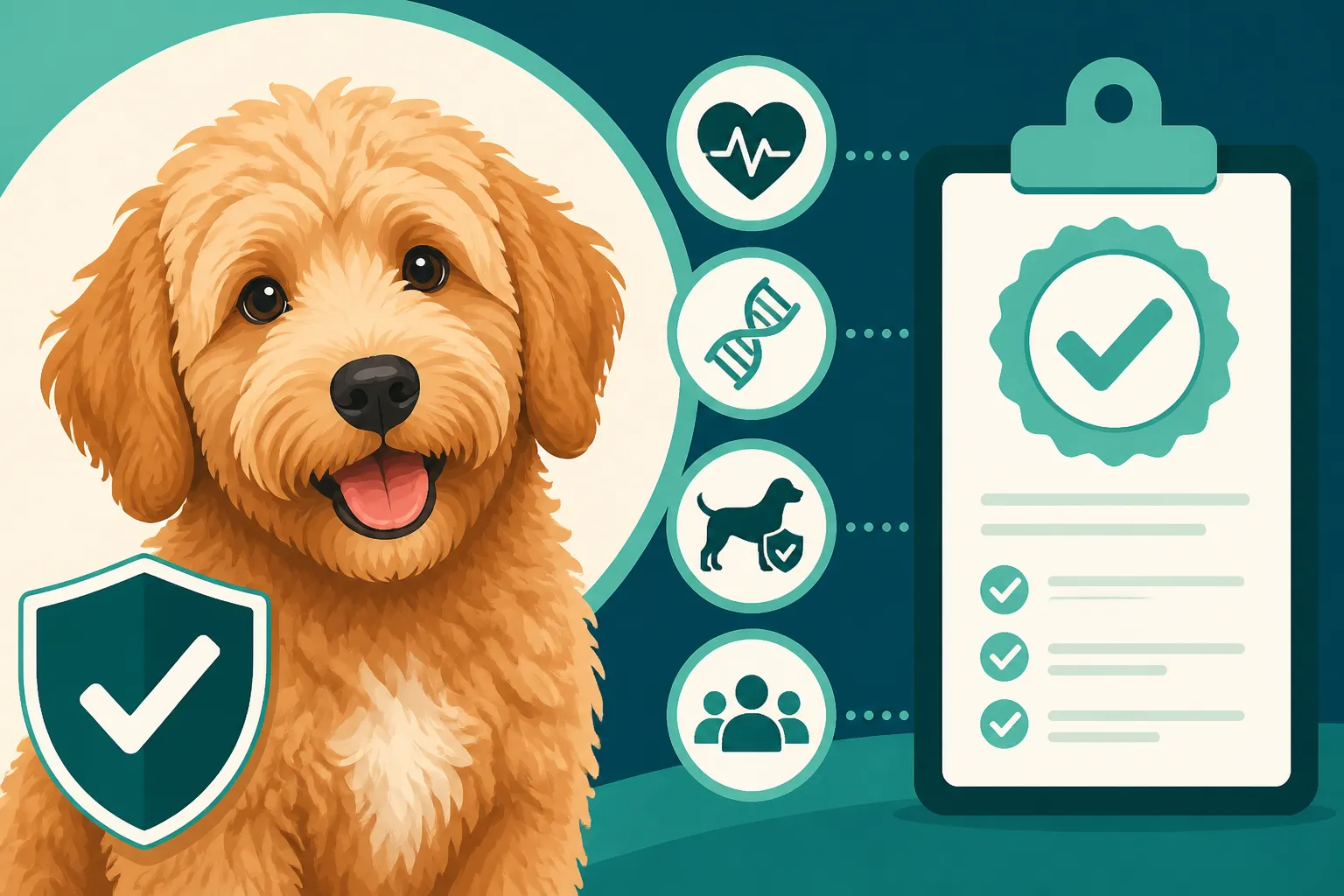
This is arguably one of the most critical aspects of responsible breeding and a cornerstone of ALAA requirements. Breeders must perform comprehensive health screenings on all their breeding dogs to minimize the risk of passing on genetic diseases common to the parent breeds. It's not enough to just say the parents are "healthy"; they must provide proof.
Here's a breakdown of what you should expect to see:
- Orthopedic Evaluations: This includes screening for hip and elbow dysplasia, which are common in larger breeds like Labradors and Poodles. Breeders submit X-rays of their dogs' hips and elbows to organizations like the Orthopedic Foundation for Animals (OFA) or the PennHIP program for evaluation. You should be able to see certificates with passing grades. A dog with hip or elbow dysplasia might face chronic pain and expensive surgeries later in life, and articles like Hips and Elbows in a Sixty Pound Labradoodle emphasize the importance of these clearances.
- Eye Certifications: Breeding dogs must have their eyes examined by a board-certified veterinary ophthalmologist to screen for hereditary eye diseases such as Progressive Retinal Atrophy (PRA). The results are often registered with the Companion Animal Eye Registry (CAER). Conditions like PRA can lead to blindness, making this test vital. You can learn more about this in The prcd-PRA Test Both Labradoodle Parents Need and you should definitely be Asking a Breeder for Labradoodle Eye Certificates.
- Cardiac Screening: Depending on the specific lineage of the Australian Labradoodle, breeders might screen for certain heart conditions.
- Genetic Disease Panels: Advances in veterinary medicine mean that many genetic conditions can now be tested for via DNA. ALAA breeders typically screen for a range of diseases that can affect the Labrador Retriever, Poodle, and the other foundational breeds. These might include:
- Exercise-Induced Collapse (EIC): A neurological disorder that can cause otherwise healthy dogs to collapse after strenuous exercise.
- Von Willebrand Disease (vWD): A bleeding disorder.
- Progressive Retinal Atrophy (PRA): While covered by eye exams, specific genetic markers are also tested.
- Degenerative Myelopathy (DM): A progressive disease of the spinal cord.
- Addison's Disease: While not always a direct DNA test, breeders are mindful of this condition, which can be inherited from the Poodle side, as discussed in Addison's Disease a Labradoodle Inherits From the Poodle.
Breeders should be transparent with these results, often making them available on their websites or providing copies upon request. This proactive health testing significantly increases the chances of you bringing home a healthy puppy. Even with the best breeding practices, unforeseen health issues can arise, making pet insurance from providers like Healthy Paws a wise consideration for any puppy owner.
Pedigree and Breeding Practices
ALAA breeders aren't just crossing two random dogs; they are meticulously managing lineage to achieve specific goals for the Australian Labradoodle breed. This means they must prove their dogs are indeed part of the established Australian Labradoodle lines and are being bred responsibly.
- Verified Pedigrees: Each breeding dog within an ALAA program must have a verifiable pedigree showing its ancestry within the Australian Labradoodle lines. This isn't just about having "papers"; it's about tracing back generations to ensure genetic diversity while maintaining the desired traits. While WALA (Worldwide Australian Labradoodle Association) is another registry, the principle is the same: they track lineage, as discussed in What a WALA Labradoodle Pedigree Costs and Proves. This helps prevent inbreeding and allows breeders to make informed decisions about pairings.
- Age and Frequency of Breeding: Ethical breeders do not breed dogs too young or too frequently. ALAA guidelines typically stipulate minimum ages for breeding (often after two years old, once all health clearances are complete) and limits on the number of litters a female can have in her lifetime, as well as adequate rest periods between litters. This ensures the health and well-being of the parent dogs.
- Stud and Dam Care: Breeders must demonstrate that their breeding dogs live in loving, appropriate environments, whether that's in their own home or through a guardian home program. They are not simply breeding machines; they are cherished family pets.
Temperament and Socialization
The Australian Labradoodle was developed not just for its coat but also for its wonderful temperament, initially for assistance work. ALAA breeders understand that genetics are only part of the equation; early socialization is paramount to developing a well-adjusted puppy.
- Temperament Assessment: Breeding dogs should have sound, stable temperaments. An ALAA breeder should be able to speak to the personalities of their breeding dogs and how those traits are passed on. They aim for the friendly, outgoing, intelligent, and eager-to-please nature that Labradoodles are famous for.
- Early Neurological Stimulation (ENS): Many ALAA breeders incorporate ENS protocols during the first few weeks of a puppy's life. This involves brief, gentle exercises that can positively impact a puppy's stress tolerance, immune response, and problem-solving abilities later on.
- Extensive Socialization: Puppies are exposed to a wide variety of sights, sounds, textures, and people from a young age. This might include household noises, different surfaces, children, other dogs, and even car rides. This crucial period helps puppies build confidence and adaptability, preparing them for their new homes. Articles like Raising a Labradoodle Through Its First Year highlight the importance of early experiences. They should also be starting to learn basic manners, so they know What a Labradoodle Should Know by Six Months before going home.
Facility Standards and Puppy Care
The environment in which puppies are raised plays a massive role in their health and development. ALAA breeders adhere to high standards for their facilities and the care they provide.
- Clean and Safe Environment: Breeders must maintain clean, hygienic, and safe living areas for their breeding dogs and puppies. This minimizes the risk of illness and provides a comfortable space for growth. You should expect puppies to be raised in a home-like environment, not in outdoor kennels or isolated facilities.
- Veterinary Care: All puppies receive regular veterinary check-ups, appropriate vaccinations, and deworming treatments. Breeders should provide detailed health records for each puppy.
- Proper Nutrition: Good nutrition is fundamental for a growing puppy. ALAA breeders ensure their breeding dogs and puppies receive high-quality food appropriate for their life stage. They can recommend specific brands or types of food, and might even offer samples. Brands like Chewy and Ollie offer convenient delivery services for premium pet food, ensuring a consistent and healthy diet for your puppy from the moment they come home.
- Grooming Introduction: Given the Labradoodle's distinctive coat, responsible breeders also introduce puppies to grooming tools and handling from an early age, making future grooming sessions less stressful for the dog and owner.
Buyer Education and Support
A responsible breeder's job doesn't end when the puppy leaves for its new home. ALAA breeders provide ongoing support and information to help new owners succeed.
- Comprehensive Contracts and Health Guarantees: ALAA breeders provide detailed contracts that outline the responsibilities of both the breeder and the buyer. These typically include a health guarantee, which offers protection against certain genetic conditions, as explored in What a Labradoodle Health Guarantee Actually Covers. It's important to read and understand every clause, including topics like spay/neuter agreements or return policies. Ensure you understand Whether a Labradoodle Breeder's Contract Is Enforceable.
- Lifetime Support: Many ALAA breeders offer lifetime support and advice to their puppy families. They are a valuable resource for questions about training, health, nutrition, or behavior as your Labradoodle grows.
- Take-Home Information: Puppies usually come with a "go-home bag" containing relevant paperwork (health records, pedigree), a small supply of their current food, and often a blanket or toy with the litter's scent to help with the transition.
- Transparency and Communication: An ALAA breeder should be open and willing to answer all your questions, allow you to visit their facility (or provide virtual tours if distance is a factor), and maintain clear communication throughout the process.
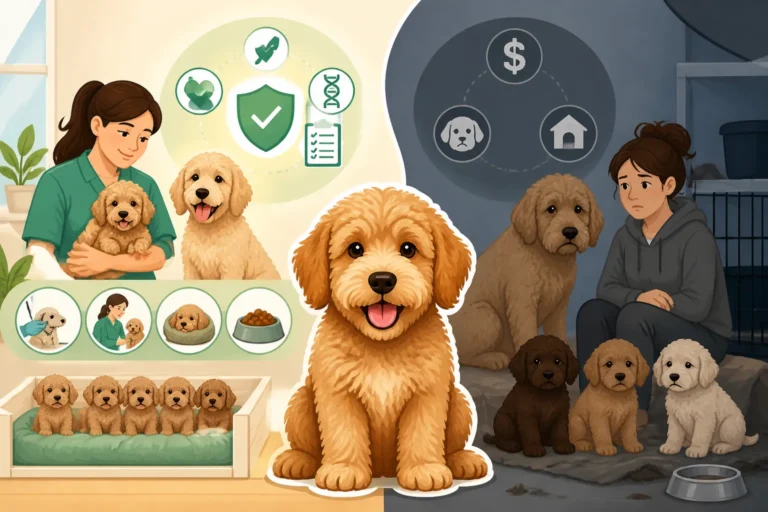
To visualize the difference, consider this table comparing a non-ALAA breeder (who might still be well-intentioned but lacks oversight) versus an ALAA-certified breeder's approach to an Australian Labradoodle:
| Feature | Typical Non-ALAA Breeder (for Australian Labradoodles) | ALAA Certified Breeder (for Australian Labradoodles) |
|---|---|---|
| Health Testing | May rely on vet check-ups, limited or no genetic testing; often doesn't provide verifiable results. | Must provide verifiable OFA/PennHIP (Hips/Elbows), CAER (Eyes), and specific genetic panel results for all breeding dogs. Documentation is transparent. |
| Pedigree Verification | May claim "Labradoodle" without clear lineage documentation; could be an F1 or F1b cross, or mixed breed without specific Australian Labradoodle background. | Must provide multi-generational Australian Labradoodle pedigree, ensuring lineage traces back to foundational breeds within the ALAA registry, preventing common F1/F1b confusion. |
| Breeding Practices | Potentially breeds dogs too young, too often, or without a clear understanding of genetic impact; may lack focus on temperament consistency. | Adheres to strict age, litter frequency, and health guidelines for breeding dogs. Focus on genetic diversity and breed consistency. |
| Puppy Socialization | May offer basic handling; puppies might be raised in less stimulating environments, potentially leading to anxiety or behavioral issues later. | Implements structured socialization protocols (e.g., ENS), exposing puppies to varied stimuli, people, and environments to foster confidence and adaptability. |
| Facility Standards | Varies widely from clean home environments to less sanitary or isolated kennel setups; may not meet specific cleanliness or safety benchmarks. | Must maintain clean, safe, and stimulating environments for all dogs, often raising puppies in a home-based setting with attention to their physical and mental development. |
| Buyer Support & Contract | May offer a basic sales agreement, limited health guarantee (e.g., 24-hour vet check), and minimal post-sale support. | Provides comprehensive, legally sound contracts with robust health guarantees against specific genetic diseases. Offers extensive post-sale support and resources for the lifetime of the dog. |
| Transparency | Information may be vague; less willingness to share detailed health records, lineage, or allow extensive visits. | High level of transparency; readily shares health clearances, pedigrees, and often welcomes visits (or virtual tours) to see their facilities and dogs. Educates buyers thoroughly. |
What This Means for You, the Prospective Owner
For families navigating the complex world of Labradoodle breeders, understanding what an ALAA breeder must prove offers a beacon of clarity and a significant advantage. It shifts the burden of proof from you, the buyer, to the breeder.
Assurance and Peace of Mind
Choosing an ALAA-registered breeder for an Australian Labradoodle provides a far greater degree of assurance. You're not just hoping for the best; you have a higher likelihood of bringing home a puppy that has been thoughtfully bred for health, screened for genetic conditions, and given a strong start in life through early socialization. This peace of mind is invaluable. It means fewer sleepless nights worrying about potential health issues and a greater confidence that your new family member will embody the wonderful traits the Australian Labradoodle is known for. You know the breeder has invested time, resources, and ethical consideration into every litter, leading to a happier, healthier companion for years to come. This commitment also extends to crucial topics like preventing Bloat Risk in a Standard Poodle Bred Labradoodle through careful lineage selection.
The Importance of Your Due Diligence
Even with the robust standards of an organization like ALAA, your role as a prospective owner remains vital. Membership in any association is a strong indicator, but it doesn't replace your personal vetting process. You still need to do your homework, ask pointed questions, and feel completely comfortable with the breeder you choose.
Here's how to exercise your due diligence:
- Verify Membership: Don't just take a breeder's word for it; check the ALAA's official website to confirm their membership status.
- Review Documentation: Ask for copies of health clearances, not just summary statements. Request to see the pedigrees of the parent dogs. A reputable breeder will be proud to share The Health Tests a Labradoodle Breeder Should Show.
- Ask Specific Questions: Don't be afraid to delve into their breeding practices, how they socialize their puppies, what their health guarantee covers, and what their support system looks like after you take your puppy home.
- Visit (or Video Call): Whenever possible, visit the breeder's home or facility. Observe the cleanliness, the temperament of the parent dogs, and how the puppies are interacting. If an in-person visit isn't feasible due to distance, a video call should be offered to give you a virtual tour.
- Trust Your Gut: Ultimately, you should feel a strong sense of trust and comfort with your breeder. They should be just as interested in vetting you as you are in vetting them, ensuring their puppies go to good homes.
By understanding what an ALAA Australian Labradoodle breeder must prove, you empower yourself to make a well-informed decision, significantly increasing your chances of finding a healthy, happy, and well-adjusted companion that will enrich your life for years to come.
Disclaimer
This article is for general informational purposes only and does not constitute professional advice. Laws, prices and regulations vary by location and change over time. Consult a qualified professional for guidance on your specific situation.