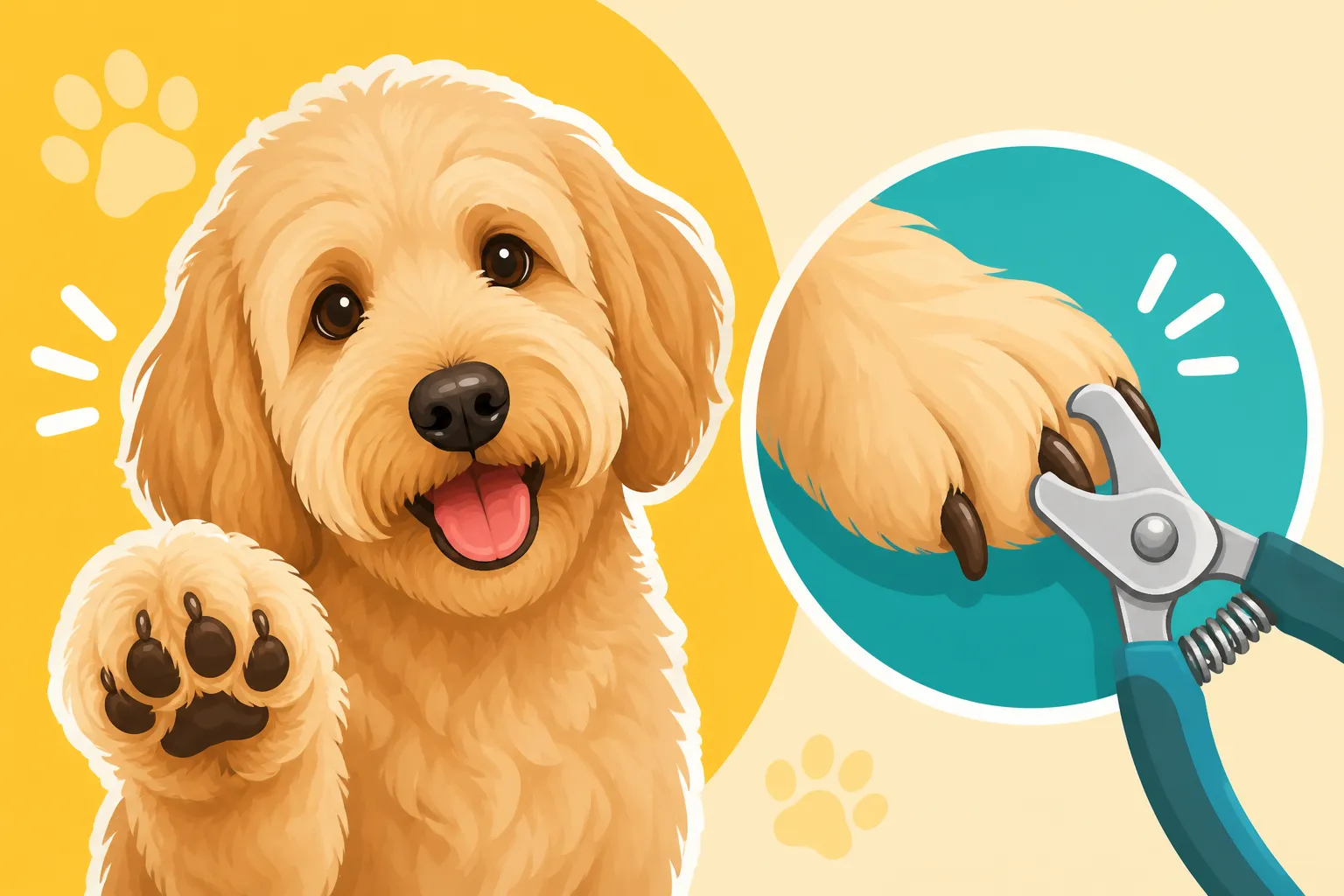
How Often a Labradoodle’s Nails Need Cutting
One of the trickiest parts of owning a Labradoodle, especially if you're a first-time dog owner, is tackling their grooming needs. Beyond the delightful fluff and soft curls, there's a practical side to coat care, ear cleaning, and yes, nail trimming. Many owners find themselves staring at their dog's paws, wondering if those nails are too long and how often they really need to be cut, often accompanied by the very real fear of hurting their beloved companion. This guide is here to walk you through everything you need to know about keeping your Labradoodle's nails healthy and at the perfect length, helping you build confidence in this essential grooming task.
Why Keeping Your Labradoodle's Nails Trimmed is Non-Negotiable
It's easy to overlook nail care when your Labradoodle is bouncy and full of life, romping in the park or cuddling on the couch. However, short, well-maintained nails are not just about aesthetics; they're fundamental to your dog's health, comfort, and even their long-term mobility. Skipping this crucial part of their routine can lead to a cascade of painful issues that no Labradoodle owner wants to see their furry friend endure.
The Painful Reality of Overgrown Nails
Imagine wearing shoes that are constantly too small, forcing your toes to curl up awkwardly. That's a bit like what happens to a Labradoodle with excessively long nails. When nails grow too long, they start to curve under, putting pressure on the sensitive nail bed and the toe joints. This pressure can cause significant pain with every step, making walking, running, and even standing uncomfortable. Over time, this constant discomfort can lead to reluctance to move, altered gaits, and a general decrease in their joyful activity levels.
Beyond discomfort, overgrown nails are also a significant injury risk. They can snag on carpets, furniture, or outdoor terrain, potentially tearing the nail right off or causing a painful fracture to the quick. This isn't just a minor bleed; it can be incredibly painful, prone to infection, and require veterinary intervention. A common, heartbreaking scenario involves a dog jumping off a couch or running too fast, catching a long nail, and yelping in agony. It's a preventable situation, but one that many owners unfortunately encounter.
How Nail Length Impacts Your Labradoodle's Posture and Joints
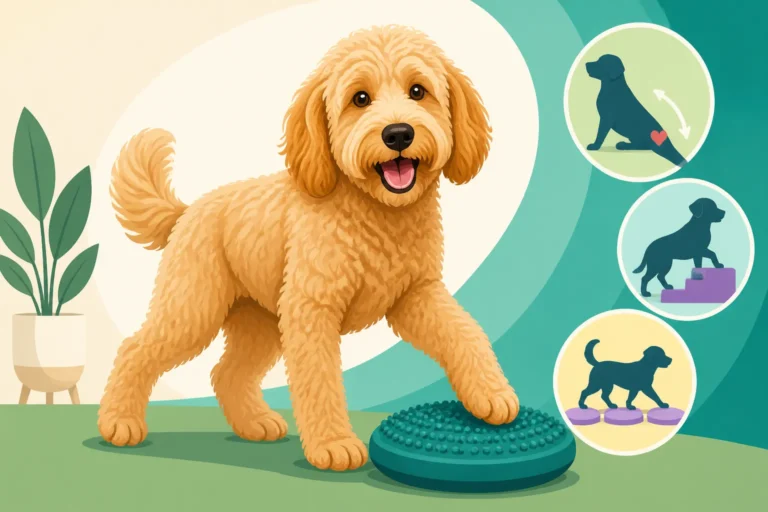
The way your Labradoodle stands and walks directly affects their skeletal health, and their nails play a surprisingly critical role. When nails are too long, they push the toes upwards and backward, forcing the bones in the paw to splay and shift into unnatural positions. This changes the entire biomechanics of their foot, putting undue stress on the wrist (carpal) joints, elbows, and even their shoulders and hips. It's like having to constantly walk on your tiptoes.
Over time, this continuous unnatural strain can contribute to or exacerbate joint problems like arthritis, especially as your Labradoodle ages. A dog that is already prone to joint issues, like many larger breeds, will find their discomfort compounded by long nails. Imagine an older Labradoodle with Arthritis in a Labradoodle at Ten; if their nails are long, it makes every step more difficult and painful, putting extra stress on already sensitive joints. Keeping nails short helps ensure that their paws make proper contact with the ground, maintaining a natural posture and distributing weight correctly, which supports their overall joint health throughout their life.
How to Tell When Your Labradoodle's Nails are Too Long (And How Often to Act)
So, how do you know if your Labradoodle's nails have crossed the line from "just right" to "too long"? There are a few clear indicators, and understanding them is the first step toward establishing a healthy grooming routine.
The Sound Test: Listening for the "Click"
This is perhaps the simplest and most reliable indicator that it's time for a nail trim. When your Labradoodle is standing on a hard, flat surface like a kitchen floor or concrete patio, their nails should not make contact with the ground. If you hear a distinct "click-click-click" with every step they take, their nails are definitely too long. This sound is a clear signal that the nails are pushing up into the quick and putting pressure on the toes, leading to the discomfort and joint issues we discussed earlier.
Think of it like this: your Labradoodle's paws are designed to provide traction and absorb shock. If their nails are constantly hitting the ground, they're interfering with this natural function. Make it a habit to listen for this sound when they walk around the house. If you hear it, it's time to act. For many active Labradoodles, this might mean a trim every two to four weeks, but less active dogs might need it even more frequently, as their nails don't wear down as naturally.
Understanding Your Labradoodle's Individual Nail Growth Rate
Just like people, every Labradoodle is unique, and their nail growth rate can vary significantly. Factors such as age, activity level, diet, and even genetics play a role. A young, energetic Labradoodle who spends hours running on varied terrains might naturally wear down their nails more than a senior dog who prefers lounging on soft carpets. Similarly, certain nutritional deficiencies (though rare with a balanced diet like one supported by Ollie or other reputable brands) or underlying health conditions can sometimes affect nail health and growth.
Dark nails, common in many Labradoodles, can make it harder to see the quick (the pink, sensitive part that contains nerves and blood vessels). This often causes anxiety for owners, making them hesitant to trim too much. If your Labradoodle has dark nails, shining a flashlight from behind the nail can sometimes help illuminate the quick, making it easier to identify. Alternatively, a nail grinder can be a safer option as it removes small layers at a time, reducing the risk of cutting too deep.
Creating a Consistent Nail Care Schedule
The best approach to Labradoodle nail care is proactive, not reactive. Instead of waiting until you hear the dreaded "click," aim for a consistent schedule. For most Labradoodles, this means a nail trim every 2 to 4 weeks. However, regular weekly checks are always a good idea. During these checks, you can gently handle their paws, inspect their nails, and get them accustomed to the process. This helps to desensitize them to having their feet touched, which is invaluable for a cooperative grooming experience.
Consistency is key, not only for physical health but also for mental well-being. Dogs thrive on routine, and if nail trims become a predictable, non-threatening part of their lives, they're much less likely to resist. Even if you plan to use a professional groomer, maintaining a schedule between visits will prevent nails from getting excessively long and make the groomer's job (and your dog's experience) much more pleasant. Regular short trims are always better than infrequent, drastic cuts.
Here's a quick guide to understanding nail length:
| Nail Length Indicator | What It Means | Recommended Action |
|---|---|---|
| Clicking on hard floors | Nails are too long and pushing into the quick/toes. | Immediate trim needed. |
| Nails touch the ground when standing | Nails are too long, affecting posture and joints. | Immediate trim needed. |
| Pads splayed, toes pushed up | Nails severely overgrown, causing discomfort and potential joint damage. | Vet or professional groomer visit for trim and assessment. |
| Nails just clear the ground when standing | Ideal length, comfortable for walking and running. | Maintain current trimming schedule (2-4 weeks). |
| Quick is visible or close to the tip (lighter nails) | Excellent, allows for easy and safe trimming. | Maintain current trimming schedule. |
Essential Tools and the Art of the Labradoodle Nail Trim
Once you understand why and when to trim, the next step is gathering the right tools and learning the techniques. Don't worry, it's not as intimidating as it seems, especially with practice and patience.
Choosing Between Clippers and Grinders
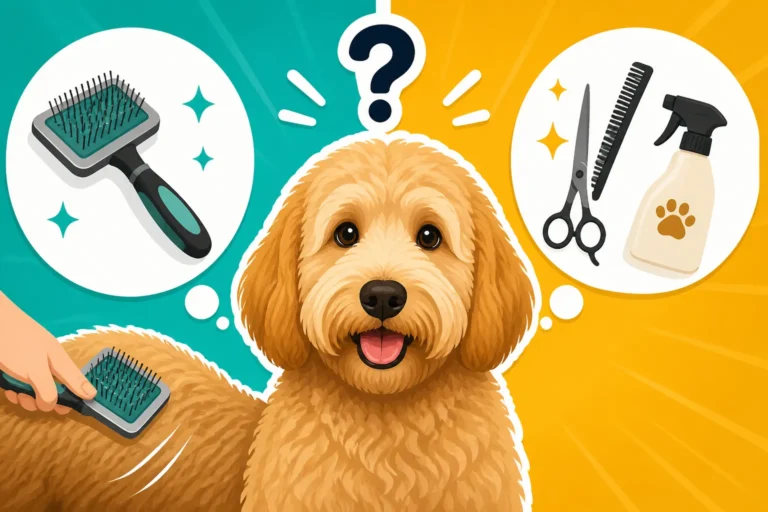
When it comes to trimming your Labradoodle's nails, you generally have two main tool choices: clippers or grinders. Each has its pros and cons, and the best choice often depends on your dog's temperament, your comfort level, and the color of their nails.
Nail Clippers: These come in scissor-style or guillotine-style. For a sturdy Labradoodle, especially a standard-sized one, scissor-style clippers with sharp blades are often preferred as they offer more control and leverage. Good quality clippers can make a clean, quick cut, but they require precision to avoid the quick. You can find a wide variety of reliable clippers on platforms like Amazon or Chewy. Always ensure the clippers are sharp; dull clippers can crush the nail, which is painful and causes splintering.
Nail Grinders: These are rotary tools that file down the nail gradually. Many owners find grinders less intimidating than clippers, especially for dogs with dark nails where the quick is hard to see. Grinders reduce the risk of cutting too deep and can create a smoother, rounded nail edge, which is great for preventing snags. The downside is the noise and vibration, which some dogs find alarming. It requires a bit more time to get the job done, but it can be a less stressful experience for both you and your Labradoodle once they're accustomed to it.
Mastering the Trimming Technique to Avoid the Quick
Regardless of whether you choose clippers or a grinder, the goal is the same: remove just the tip of the nail without hitting the quick. The quick is the living part of the nail, containing blood vessels and nerves. Cutting into it is painful and will cause bleeding.
For clippers:
- Positioning: Have your Labradoodle in a comfortable, relaxed position. Many owners find success with their dog lying down or standing with one paw extended. This is where early handling training, like that described in Starting Grooming Handling on a Labradoodle Puppy, really pays off.
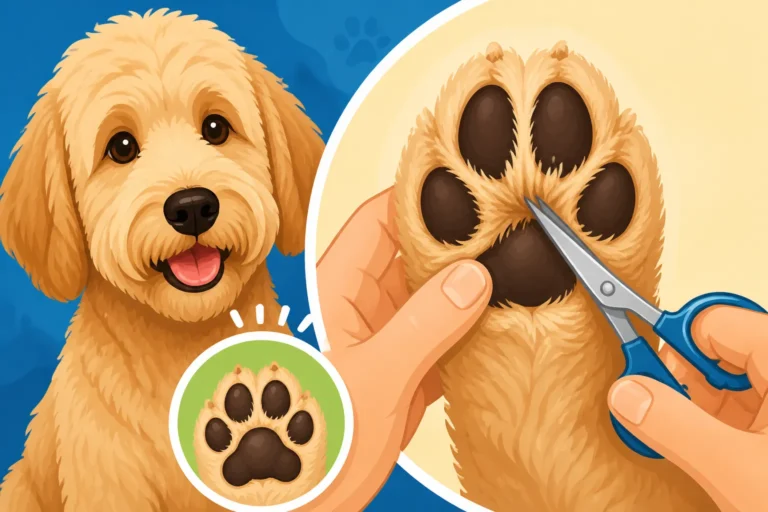
- Identify the Quick: If your Labradoodle has light-colored nails, the quick is easy to spot as a pink area. For dark nails, look for a small, greyish oval at the center of the clipped surface after taking off a tiny tip. Stop when you see this.
- Angle: Cut the nail at a 45-degree angle, just below the quick. Aim for a small amount at a time. It’s better to take off too little than too much.
- Support: Hold the paw firmly but gently, extending the toe you're working on. This helps prevent the toe from twisting and gives you a clear view.
For grinders:
- Introduce Gradually: Start by turning the grinder on near your dog, letting them get used to the sound and vibration before touching their paw. Reward them calmly.
- Grind in Short Bursts: Touch the grinder to the nail for just a few seconds at a time, moving it gently. This prevents the nail from heating up, which can be uncomfortable.
- Shape: Aim to grind the nail until it's short but doesn't expose the quick. You're looking for a smooth, blunt edge.
- Check Frequently: As you grind, wipe away dust to check your progress and ensure you're not getting too close to the quick.
Remember, patience is paramount. If your Labradoodle gets anxious or squirmy, take a break. Push yourself too hard, and you risk making nail trims a dreaded event.
Handling an Accidental Quick Cut
It happens to the best of us – even experienced groomers accidentally nick the quick sometimes. While it can be alarming, especially with the sudden yelp and blood, it's important to stay calm. Panicking will only make your Labradoodle more fearful.
Here’s what to do:
- Apply Styptic Powder: This is an absolute must-have for any dog owner who grooms their own dog. Styptic powder (readily available at pet stores or online at Chewy and Amazon) contains agents that quickly clot blood. Apply a pinch directly to the bleeding nail tip and apply gentle pressure for a few seconds. If you don't have styptic powder, cornstarch or flour can work in a pinch, though less effectively.
- Reassure Your Labradoodle: Speak in a calm, soothing voice. Offer a high-value treat once the bleeding has stopped. This helps to create a positive association, or at least neutralizes the negative one, for future trims.
- Monitor: Keep an eye on the nail for the next hour or so to ensure the bleeding doesn't restart. Avoid letting your dog lick the paw excessively, as this can irritate the wound or dislodge the clot. If the bleeding is heavy or won't stop, contact your vet immediately.
An accidental quicking can be a setback in your training, but it's not the end of the world. Just be extra patient and gentle in subsequent sessions.
Turning Nail Trims into a Positive Experience for Your Labradoodle
For many dogs, nail trims are right up there with vet visits and baths on their list of least favorite things. But it doesn't have to be this way! With a little effort and consistency, you can transform nail care from a wrestling match into a manageable, even tolerable, routine for your Labradoodle.
Desensitization and Positive Reinforcement from Puppyhood
The key to a stress-free nail trimming experience often begins when your Labradoodle is a puppy. Early, positive exposure is crucial. Start by simply touching your puppy's paws and toes frequently, praising them and offering small, high-value treats (perhaps even small bits of their regular fresh food from Ollie) for their cooperation. Don't immediately jump to clipping. Just make paw handling a normal, pleasant part of their day.
Once they're comfortable with paw touches, introduce the clippers or grinder. Let them see and sniff the tool, rewarding them for calm curiosity. Turn the grinder on briefly away from them so they can hear the sound without feeling the vibration. Gradually, touch the tool to their nails (still turned off if it's a grinder), rewarding all the while. Build up to actually trimming one nail, then two, always ending on a positive note, even if it's just one nail. The goal is to make them associate the tools and the process with good things – praise, treats, and gentle handling. This comprehensive approach is part of Teaching a Labradoodle to Lie Still for a Ninety Minute Groom, which covers much more than just nails.
Making Grooming a Routine Part of Your Labradoodle's Life
Consistency is your superpower when it comes to grooming. If nail trims are an infrequent, rushed event, your Labradoodle will likely dread them. But if they're a regular, predictable part of their schedule, alongside brushing their The Fleece Coat and Why Breeders Aim For It or cleaning their ears as discussed in How Often a Labradoodle's Ears Should Be Cleaned, it becomes less of a big deal.
Set aside a specific time each week or bi-weekly for a mini-grooming session. This can include a quick brush, a paw massage, and then just one nail trim, or even just touching the clippers to their nails without cutting. This regular, low-stakes exposure reinforces the positive associations and prevents the nails from ever getting severely overgrown, which in turn reduces the pressure to perform a long, stressful trim. Remember to use praise and rewards generously, and never punish your Labradoodle for being nervous; it only makes things worse.
When Professional Help Becomes a Lifesaver
Sometimes, despite your best efforts, your Labradoodle might develop a strong aversion to nail trims, or their nails might become so long and hard that you're simply uncomfortable doing it yourself. There's absolutely no shame in seeking professional help! A professional groomer has specialized tools, techniques, and often a calm, confident demeanor that can work wonders with a reluctant dog. They might be able to get through a trim quickly and efficiently, minimizing stress for everyone.
Your veterinarian can also be a fantastic resource, especially if your Labradoodle is particularly anxious or if there are concerns about the quick or any underlying paw issues. They can often provide sedation for very difficult cases, allowing for a stress-free trim. Think of it as investing in your dog's comfort and your own peace of mind. A groomer can also guide you on how to trim The Hair That Grows Where a Labradoodle's Ear Should Drain, ensuring complete grooming care. Don't let pride or fear prevent you from getting your Labradoodle the care they need. Ultimately, the goal is healthy, comfortable paws, no matter who holds the clippers.
Disclaimer
This article is for general informational purposes only and does not constitute professional advice. Laws, prices and regulations vary by location and change over time. Consult a qualified professional for guidance on your specific situation.