The Furnishings Gene Behind a Labradoodle’s Beard
Have you ever wondered why some Labradoodles sport that adorable shaggy beard and expressive eyebrows, while others have a smoother, more Labrador-like face? It's a common observation that can leave many prospective owners scratching their heads. This difference isn't just a random occurrence; it's all thanks to a specific piece of genetic code often called the "furnishings gene." This comprehensive guide will explain exactly what the furnishings gene is, how it shapes your Labradoodle's appearance, and what it means for their daily care and the often-debated "hypoallergenic" claim.
The Genetics of Labradoodle Furnishings
The distinctive look of a classic Labradoodle – that fluffy, endearing face complete with a beard, mustache, and prominent eyebrows – isn't a fluke. It's dictated by a specific genetic trait known as "furnishings." Understanding this gene is key to predicting a puppy's adult appearance and managing their grooming needs.
What are "Furnishings" in Dogs?
In the world of dog genetics and appearance, "furnishings" refer to the longer hair on a dog's face, specifically creating the characteristic beard, mustache, and eyebrows. These features are what give many Poodle-derived breeds and crosses, like the Labradoodle, their teddy-bear look. Without furnishings, a dog's facial hair length would be short and smooth, similar to a Labrador Retriever's face. It's a significant visual differentiator and a trait highly sought after by those who love the "doodle" aesthetic.
This trait isn't just about looks; it's also intrinsically linked to the texture and shedding properties of the coat. Dogs with furnishings typically have a coarser, wiry texture to their facial hair, even if the rest of their body coat is soft and fleecy. This longer, sometimes denser facial hair is a hallmark of the furnishings gene in action.
The Science Behind the Beard: The RSPO2 Gene
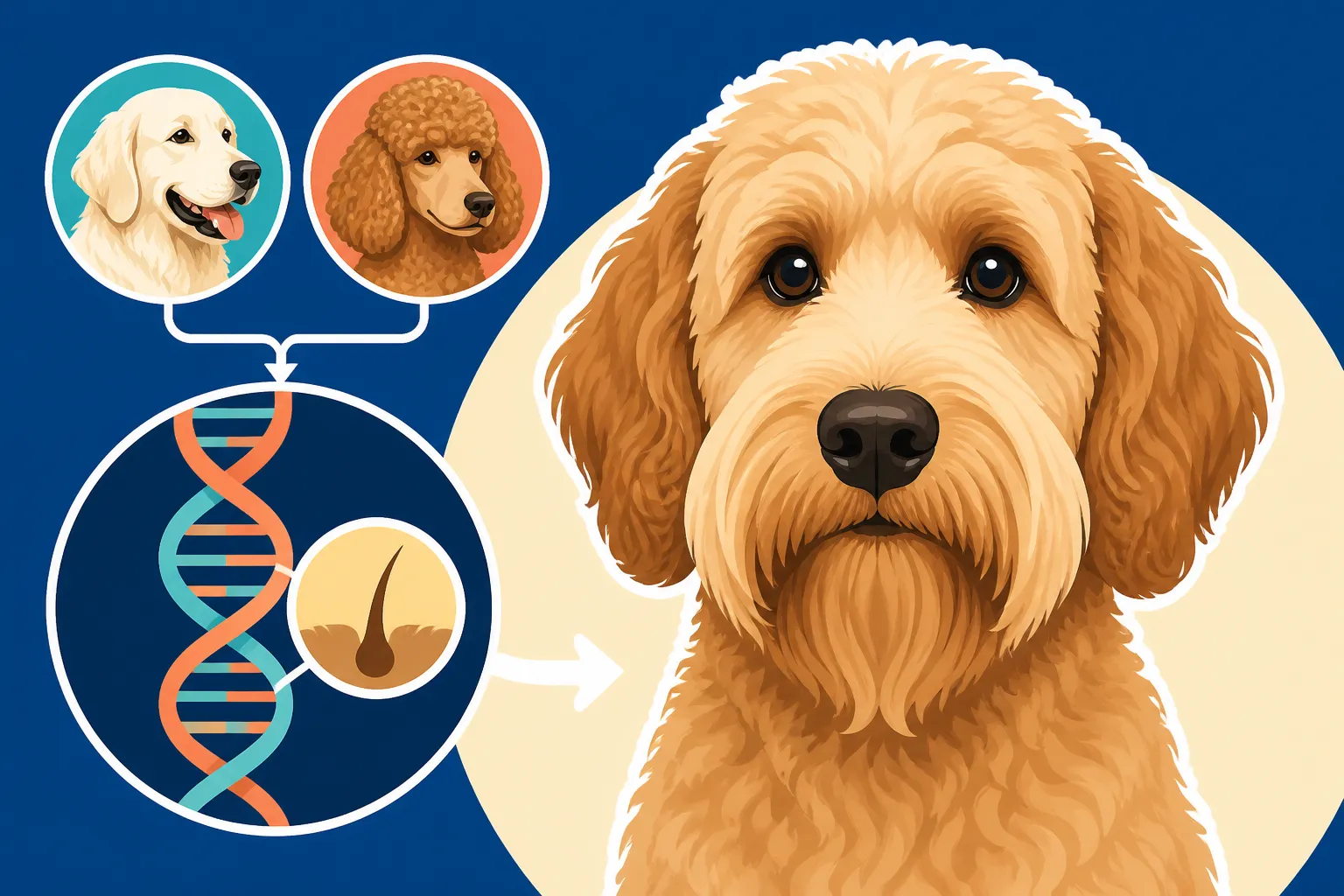
The gene primarily responsible for furnishings is called R-spondin-2, or RSPO2. This gene controls the growth of hair on the muzzle and over the eyes. Dogs inherit two copies of every gene, one from each parent. For furnishings, the trait is dominant. This means that if a Labradoodle inherits even one copy of the RSPO2 gene from either its Poodle parent or a furnished Labradoodle parent, it will express furnishings and have that recognizable beard and eyebrow look.
If a Labradoodle inherits two copies of the non-furnishing allele (meaning neither parent passed on the furnishings gene or passed on the recessive trait), then it will have what is often called an "improper coat" or "IC" dog. These dogs will have a smooth, shorter facial coat, much like a Labrador, and will shed more. Breeders often perform DNA tests to determine if their breeding dogs carry the furnishings gene and how many copies they possess. This helps them predict the likelihood of their puppies having furnishings, especially for those aiming for the classic Labradoodle appearance and minimal shedding characteristics.
Why It Matters for Labradoodles
For Labradoodles, the presence of furnishings is particularly important because one of their parent breeds, the Poodle, always carries two copies of the furnishings gene, while the Labrador Retriever carries two copies of the non-furnishing gene. This genetic interplay is why an F1 Labradoodle (first cross between a Poodle and a Labrador) will always have furnishings. They inherit one copy from the Poodle and one non-furnishing copy from the Labrador, resulting in a furnished appearance due to the gene's dominant nature.
However, as Labradoodles are bred to other Labradoodles (F2, F3, or multigen crosses), the genetic lottery becomes more complex. If both Labradoodle parents each carry one copy of the furnishings gene and one non-furnishing gene, there's a chance some of their puppies will inherit two non-furnishing genes, resulting in a smooth-faced "improper coat" Labradoodle. This is a crucial consideration for breeders and for families seeking that specific look and coat type. The presence or absence of furnishings is often a strong indicator of the overall coat texture and shedding potential, influencing everything from grooming commitment to allergy compatibility. The Three Labradoodle Coats: Hair, Fleece and Wool often refers to the body coat, but the facial furnishings play a huge role in the overall aesthetic.
What the Furnishings Mean for a Labradoodle's Look and Coat Care
The furnishings gene fundamentally shapes a Labradoodle's appearance and has significant implications for their grooming needs. From their charming facial expressions to the potential for tangles, the presence of a beard and eyebrows is a daily consideration for owners.
The Classic Labradoodle Look: Beard, Mustache, and Eyebrows
When most people picture a Labradoodle, they envision a dog with soft, wavy or curly hair, and, crucially, a distinct beard, mustache, and shaggy eyebrows that frame their expressive eyes. This is the "furnished" look, and it's what sets them apart visually from a smoother-faced Labrador. The longer hair around their muzzle and eyes gives them a softer, often more human-like expression, making them incredibly appealing. This characteristic look is largely responsible for the breed's widespread popularity and is often what families are specifically looking for when choosing a Labradoodle puppy.
These furnishings contribute to the overall impression of a playful, friendly dog, and they are also a key factor in why many people consider Labradoodles to be "hypoallergenic," as the furnishings often correlate with a low-shedding coat. What an Improper Coat Means on a Labradoodle delves deeper into the alternative appearance.
"Improper Coat" Labradoodles: Without the Furnishings
Not every Labradoodle has furnishings. Those that inherit two copies of the non-furnishing gene will have what breeders call an "improper coat." These Labradoodles will have a shorter, smoother coat on their face, much like a Labrador, and their overall coat on the body will also tend to be shorter, straighter, and shed more. They won't have the characteristic beard, mustache, or shaggy eyebrows. While still wonderful dogs, their appearance is distinctly different from the widely recognized Labradoodle image.
For families with allergies, an improper coat Labradoodle might not be the best choice, as their shedding can be more pronounced. It's important for prospective owners to understand this genetic possibility, especially when considering puppies from later-generation crosses, where both parents might carry the recessive non-furnishing gene. Breeders can perform DNA tests on puppies or their parents to confirm the presence or absence of furnishings, giving buyers a clearer idea of what their future dog will look like and how much it might shed. Telling a Labradoodle's Coat Type at Eight Weeks can offer early clues, though DNA testing is definitive.
Grooming Implications of Having Furnishings
A beautiful beard and expressive eyebrows come with their own set of grooming responsibilities. Furnishings are notorious for collecting food, water, and debris, which can quickly lead to tangles, mats, and even skin irritation if not properly maintained.
- Beard and Mustache Care: After every meal, a Labradoodle's beard will inevitably get food stuck in it. This requires daily wiping or even a quick rinse to prevent dried food from becoming a crunchy, unsanitary mess. Similarly, drinking water will soak their beard, meaning wet drips around the house and a constant dampness that can lead to skin issues if not dried.
- Eye and Muzzle Trimming: The longer hair around the eyes can obstruct vision and irritate the eyes, leading to tear staining or even infections. Regular trimming is essential to keep the hair clear of their eyes. Similarly, the hair around their mouth can become matted and uncomfortable.
- Matting Potential: The finer hair of the furnishings, combined with constant moisture and food residue, makes these areas prime targets for matting. Mats Behind a Labradoodle's Ears are common, but similar tangles can occur around the muzzle. Regular brushing and combing of the facial hair, in addition to the body coat, is non-negotiable for a furnished Labradoodle. This extra grooming is an investment of time, but crucial for your dog's comfort and hygiene.
To manage this, many owners use grooming wipes, small combs, and blunt-nosed scissors, all readily available from retailers like Chewy or Amazon.
| Feature | Furnished Labradoodle | Unfurnished (Improper Coat) Labradoodle |
|---|---|---|
| Facial Hair | Distinct beard, mustache, shaggy eyebrows | Smooth, shorter facial hair, Labrador-like |
| Overall Coat | Wavy to curly, often low-shedding | Shorter, straighter, more shedding |
| Allergy Potential | Generally lower shedding, often preferred by allergy sufferers | Higher shedding, less suitable for allergy sufferers |
| Grooming Needs | Regular trimming of face, beard cleaning, diligent brushing to prevent mats | Less intensive facial grooming, general coat brushing |
| Common Perception | The "classic" Labradoodle look | Less common, often mistaken for a Labrador mix |
Managing a Furnished Labradoodle's Facial Hair
Owning a Labradoodle with beautiful furnishings means committing to a consistent grooming routine for their face. It’s not just about aesthetics; it’s vital for their health, comfort, and hygiene. Ignoring their facial hair can lead to discomfort, skin issues, and difficult-to-remove mats.
Daily Care for Beards and Mustaches
The first rule of owning a furnished Labradoodle is daily attention to their beard and mustache. Imagine having a permanent napkin made of hair! After every meal, food particles inevitably get trapped. A quick wipe with a damp cloth or a pet-safe grooming wipe can prevent dried-on food from building up, which can create odors and become a breeding ground for bacteria. You can find excellent pet-safe wipes on Chewy. Similarly, their beard will get soaked every time they drink water. This dampness can lead to skin irritation or yeast infections underneath the hair, so gently towel-drying their beard after they drink is a good habit. Some owners even use raised food and water bowls to minimize how much their Labradoodle's face dips into the bowls.
Consistency is key here. A few seconds of care after each meal or drink can save you hours of de-matting or vet visits for skin issues down the line.
Trimming Around the Eyes and Mouth for Hygiene and Comfort
Beyond the beard itself, the hair around your Labradoodle's eyes and mouth also requires regular maintenance. The long, shaggy eyebrows can grow into their eyes, causing irritation, poor vision, and excessive tearing, leading to unsightly tear stains. Gently trimming this hair with blunt-nosed scissors, taking extreme caution, or having a professional groomer do it, is crucial. Keeping a Labradoodle's Face Trimmed Out of Its Eyes is a dedicated task that improves their quality of life.
Similarly, the hair around their mouth can become matted and uncomfortable, especially if they are prone to drooling or if food constantly collects there. This area needs to be kept clean and trimmed short enough to prevent food from getting deeply embedded and causing skin problems. When grooming at home, always use appropriate grooming shears and never attempt to cut too close to the skin without proper training, as skin folds can be easy to nick. Investing in good quality, rounded-tip scissors from Amazon can make this task safer.
Tools and Techniques for Home Grooming the Face
To effectively care for your furnished Labradoodle’s face, you’ll need a few specific tools. A small, fine-toothed metal comb is indispensable for daily detangling of the beard and mustache, particularly after their coat change where mats seem to form overnight. A good slicker brush, while primarily for the body, can also be used lightly on the larger areas of the beard. For trimming, blunt-nosed scissors are a must for safety around sensitive areas like the eyes and mouth.
When brushing, always work in small sections, gently separating the hair and working out any tangles from the tips towards the roots. For trimming around the eyes, hold the hair up and away from the eye itself, cutting only the very ends. For the beard, you can either keep it long and shaggy, requiring more daily maintenance, or opt for a shorter, tidier trim that is easier to manage. Many owners learn to do basic face trims at home, but for a more sculpted or specific look, or if you're uncomfortable with sharp tools near your dog's face, a professional groomer is always recommended. The Clipper, Blade and Dryer a Labradoodle Owner Buys is important for overall grooming, but specific facial tools are also key. Whether Grooming a Labradoodle Yourself Saves Money often comes down to the quality of tools and the time you dedicate.
The Link Between Furnishings and Hypoallergenic Claims
One of the most appealing aspects of the Labradoodle for many families is the promise of a "hypoallergenic" dog. While no dog is truly 100% hypoallergenic, the presence of the furnishings gene plays a significant role in why Labradoodles are often considered a better choice for allergy sufferers.
How Furnishings Affect Shedding and Allergens
The furnishings gene (specifically the RSPO2 gene) is intrinsically linked to the way a Labradoodle's hair grows and sheds. Dogs with furnishings tend to have a coat with a longer growth cycle, meaning the individual hairs stay attached to the follicle for a longer period before falling out. This results in significantly less shedding compared to dogs without furnishings, like a Labrador Retriever. Less shedding means fewer loose hairs and dander (tiny flakes of skin) being released into the environment.
It's the dander, rather than the hair itself, that typically triggers allergic reactions in sensitive individuals. Since furnished Labradoodles shed less, they distribute fewer allergens around the home. While they still produce dander and some hair will always shed, the reduced amount makes them more tolerable for many people with mild to moderate dog allergies. However, it's crucial to understand that individual reactions vary, and someone severely allergic might still react to a furnished Labradoodle. Whether a Labradoodle Sheds at All is a common question, and furnishings are key to the answer.
The Relationship Between Coat Type and Furnishings
The presence of furnishings often goes hand-in-hand with the desirable fleece or wool coat types that Labradoodles are known for. These coats are typically low-shedding and contribute to the "hypoallergenic" reputation. A Labradoodle puppy that exhibits clear furnishings (even a tiny beard at a young age) is more likely to develop a fleece or wool coat. Conversely, a Labradoodle without furnishings will almost certainly have a "hair" coat, which sheds more and is less allergy-friendly.
This is why experienced breeders prioritize the furnishings gene in their breeding programs, particularly when aiming for dogs suitable for families with allergies. They can use DNA testing to ensure their breeding dogs carry at least one copy of the dominant furnishings gene, thereby ensuring that all F1 generation puppies will be furnished, and managing the probability for later generations. Whether a Labradoodle Is Truly Hypoallergenic is a nuanced topic, and the coat type, driven by the furnishings gene, is a major factor.
Setting Realistic Expectations for Allergic Individuals
While furnished Labradoodles are often a fantastic option for families with allergies, it's essential to have realistic expectations. No dog is 100% allergen-free. Even a heavily furnished, wool-coated Labradoodle will produce some dander. The term "hypoallergenic" simply means "less allergenic," not "non-allergenic."
For families where allergies are a serious concern, it's highly recommended to spend time with a mature, furnished Labradoodle before committing to bringing one home. Visiting a breeder or a friend with a Labradoodle can help determine if a specific individual's dander triggers a reaction. Some families find that regular grooming, using specialized shampoos (like those you might find on Ollie's subscription service or Chewy), and diligent cleaning of the home can further minimize allergen exposure. Whether Dander or Hair Sets Off Allergies Around a Labradoodle is important to understand when assessing your personal allergy triggers. The overall hygiene and cleanliness of your home and your dog play a part, not just the genetics of the coat.
Disclaimer
This article is for general informational purposes only and does not constitute professional advice. Laws, prices and regulations vary by location and change over time. Consult a qualified professional for guidance on your specific situation.