Drying a Labradoodle’s Ears Properly
If you've ever owned a Labradoodle, you know the frustration of dealing with those adorable, floppy ears. They're part of what makes our doodles so charming, but they're also a magnet for moisture, leading to constant worries about nasty ear infections. This guide is all about giving you the practical, empathetic, and realistic steps to properly dry your Labradoodle's ears, helping you keep them healthy and happy, and saving you those frantic, expensive trips to the vet for yet another inflamed ear.
The Unique Challenge of Labradoodle Ears
It's easy to look at a Labradoodle's beautiful drop ears and think they're just like any other dog's, but there's a unique combination of genetics at play that makes them particularly susceptible to moisture issues. Understanding this distinctive design is the first step in truly tackling ear care effectively.
The Anatomy of a Labradoodle's Ear Canal
The Labradoodle inherits its characteristic drop ear from its Poodle parent, a trait that differs significantly from the more open, erect ears of many other breeds. This floppy ear flap, while cute, acts like a natural lid over the ear canal, drastically reducing air circulation. Imagine wearing a hat that always covers your ears – it traps heat and moisture, right? That's precisely what happens with your Labradoodle. This creates a warm, humid, and dark environment deep within the ear canal, a veritable paradise for unwelcome guests like bacteria and yeast. This isn't just a surface issue; the actual ear canal in dogs is L-shaped, meaning there's a vertical section leading down, then a horizontal turn before reaching the eardrum. This design makes it hard for any trapped moisture or debris to escape naturally.
Because of this structure, even a quick dip in the lake or a thorough bath can introduce water deep into these crevices, where it then sits and festers. Unlike dogs with pricked ears, where air can easily flow through and dry things out, the Labradoodle's ear design actively works against natural drying. This anatomical predisposition means you can't just let nature take its course; proactive drying is absolutely essential.
The Role of Ear Hair in Moisture Retention
Beyond the physical shape of the ear flap, there's another major player in the moisture game: the hair within the ear canal. Again, this trait is largely inherited from the Poodle side of their lineage. Labradoodles, especially those with wool or fleece coats, often grow a significant amount of hair not just around the ear opening, but also inside the ear canal itself. This inner ear hair can be quite dense, almost like a thick mat lining the walls of the canal.
This internal ear hair acts like a sponge, soaking up any moisture that enters the ear and holding it against the sensitive skin of the ear canal. It also traps ear wax, dirt, and debris, preventing them from migrating out naturally. Instead of a self-cleaning mechanism, you have a self-trapping one. This combination of a floppy ear and copious internal hair means that when water gets in, it tends to stay in, creating the perfect damp, warm conditions for bacterial and yeast overgrowth. Many owners wonder Whether a Labradoodle's Ear Hair Causes Its Infections, and the answer is a resounding yes, by creating a prime environment for them. It's not just the hair itself, but what it does to moisture retention that causes the trouble.
Why Proper Drying is Absolutely Crucial
Ignoring the need for proper ear drying in your Labradoodle isn't just a minor oversight; it's an open invitation for discomfort, pain, and potentially expensive health problems. The consequences can range from mild irritation to chronic conditions that significantly impact your dog's quality of life.
Understanding Ear Infections
When moisture, particularly water, becomes trapped in the warm, dark, and poorly ventilated environment of a Labradoodle's ear canal, it sets the stage for rapid proliferation of microorganisms that are naturally present but usually kept in check. The two most common culprits behind ear infections (medically known as otitis externa) in dogs are bacteria and yeast. You might find yourself facing red, inflamed ears, an unpleasant odor, excessive head shaking, or your dog constantly pawing at their ears. It’s a truly miserable experience for them, and often, by the time you notice these obvious signs, the infection is already well-established.
Yeast infections, often caused by Malassezia pachydermatis, thrive in moist conditions and produce a distinct, often sweet or musty smell. Bacterial infections, on the other hand, can be more aggressive and painful, sometimes leading to thick discharge and even fevers. Without proper drying, these infections can become recurrent, creating a frustrating cycle for both you and your Labradoodle. It's not just about comfort; severe, untreated infections can even lead to damage to the eardrum or inner ear, potentially impacting hearing. It's a prime example of why Ear Infections Built Into a Labradoodle's Drop Ear require a dedicated approach to prevention.
The Cycle of Chronic Ear Problems
One of the most disheartening aspects of Labradoodle ear care is the potential for a vicious cycle of chronic ear problems. If ears are not consistently and thoroughly dried, a mild infection can quickly become a severe one, and once treated, it's highly likely to return if the underlying moisture issue isn't addressed. Each time an ear gets infected, the delicate skin lining the ear canal becomes inflamed, thickened, and more prone to future infections. This thickening further narrows the canal, making it even harder for air to circulate and for moisture to evaporate, compounding the problem.
For us owners, this means not only seeing our beloved dog suffer but also facing a constant stream of veterinary appointments, medications, and specialized cleaning solutions. It can become a significant financial and emotional drain. Moreover, the long-term use of certain medications, while necessary to combat severe infections, can sometimes have side effects or lead to antibiotic resistance if not managed carefully. Breaking this cycle requires dedication to preventive measures, with proper and consistent drying being at the top of the list. Don't let your Labradoodle get stuck in this painful loop.
Essential Tools for Effective Ear Drying
Having the right arsenal of tools can make all the difference in drying your Labradoodle's ears effectively and safely. You don't need a professional grooming setup, but a few key items will certainly streamline the process and give you better results.
Absorbent Materials
When it comes to removing moisture, you'll want highly absorbent materials that are gentle on your dog's sensitive skin. Regular bath towels are great for the outer ear flap, but for getting into the nooks and crannies, you'll need something more targeted.
- Cotton Balls or Pads: These are your go-to for swabbing the visible parts of the ear canal and outer folds. They are soft and can absorb a surprising amount of moisture. Make sure to use clean ones for each ear to avoid cross-contamination if one ear is already showing signs of irritation. You can usually find large bags of these at any drug store or pet supply retailer like Chewy.
- Gauze Pads: Slightly firmer than cotton balls, gauze pads can be useful for more controlled wiping, especially if there's any visible debris or discharge that needs to be gently lifted away.
- Microfiber Cloths: Small, soft microfiber cloths can also be excellent for thoroughly drying the outer ear and the initial inner folds. They are highly absorbent and quick-drying themselves, making them hygienic.
A Critical Caution: Avoid using Q-tips or cotton swabs deep inside your Labradoodle's ear canal. While they might seem perfect for getting into small spaces, they can actually push debris and moisture further down the L-shaped canal, potentially damaging the eardrum or compacting wax and hair. Stick to wiping only what you can see.
Dog-Specific Ear Dryers and Powders
Beyond just physical absorption, there are products specifically designed to aid in drying and maintaining a healthy ear environment. These aren't meant to replace physical drying but to enhance it.
- Ear Drying Solutions (Liquids): These liquid solutions often contain gentle astringents like witch hazel or boric acid, which help to dry out excess moisture. Many also include mild antiseptic or anti-fungal ingredients to discourage microbial growth. They are typically applied after water exposure, massaged in, and then allowed for the dog to shake its head. The solution helps break down surface tension and allows trapped water to evaporate more readily. Look for veterinarian-approved options available through pet stores or online retailers like Amazon.
- Ear Drying Powders: These powders work by absorbing moisture and can also help with odor control. They often contain ingredients like zinc oxide or boric acid. They are especially useful if your Labradoodle has a lot of hair in their ear canal, as the powder can help create a less hospitable environment for moisture-loving microbes. A small puff of powder into the canal (after cleaning and initial drying) can be very effective, but always check with your vet first to ensure it's appropriate for your dog's specific ear health.
Remember, these products are adjuncts to physical drying and should not be used as a substitute for it. Always follow the product instructions carefully and consult your veterinarian if you're unsure about which product is best for your Labradoodle, especially if they have a history of ear problems.
Low-Heat Hair Dryers
While it might sound unusual, a low-heat hair dryer can be a game-changer for thoroughly drying your Labradoodle's ears, especially after a full bath or a prolonged swim. However, safety is paramount.
- Dog-Specific Dryers: Ideally, invest in a dryer designed for dogs. These are often more powerful but have lower heat settings and are quieter, which can be less intimidating for your sensitive-eared companion.
- Human Hair Dryers (Use with Extreme Caution): If using a human hair dryer, always set it to the lowest heat setting (cool shot or cool air only) and the lowest power. High heat can easily burn your dog's delicate skin, causing pain and further complications. The strong blast of air can also be uncomfortable.
- Technique is Key: Hold the dryer at least 10-12 inches away from your dog's ear. Gently lift the ear flap to expose the canal opening and direct the airflow into the opening for short bursts (5-10 seconds), constantly moving the dryer to prevent hot spots. Never hold it in one place. Your goal is gentle airflow, not intense heat.
- Desensitization: The sound and sensation of a dryer can be frightening for some dogs. Introduce it gradually and positively. Start with short bursts, rewarding your Labradoodle with treats and praise. Associate the dryer with good things, building up their tolerance over time. This approach also comes in handy when you need to dry their full coat after a bath, preventing issues like Whether a Wool Coat Weighs a Labradoodle Down in Water.
A combination of absorbent materials, appropriate drying solutions, and careful use of a low-heat dryer will give you the most comprehensive approach to keeping your Labradoodle's ears perfectly dry.
Your Step-by-Step Guide to Labradoodle Ear Drying
Now that you understand why proper ear drying is critical and what tools you'll need, let's walk through the actual process. Consistency and patience are your best friends here, especially if your Labradoodle isn't accustomed to ear handling.
Post-Swim or Bath Protocol
Water activities are fantastic for Labradoodles, whether it's splashing in a lake, playing in a kiddie pool, or enjoying a full bath. However, these fun times are also prime opportunities for water to sneak into those floppy ears. Immediate and thorough drying is your first line of defense.
- The Initial Shake-Out: As soon as your Labradoodle is out of the water or finished with their bath, encourage them to shake their head vigorously. Many dogs will do this naturally, and it's surprisingly effective at dislodging a lot of surface water. Give them plenty of space and praise for this natural action.
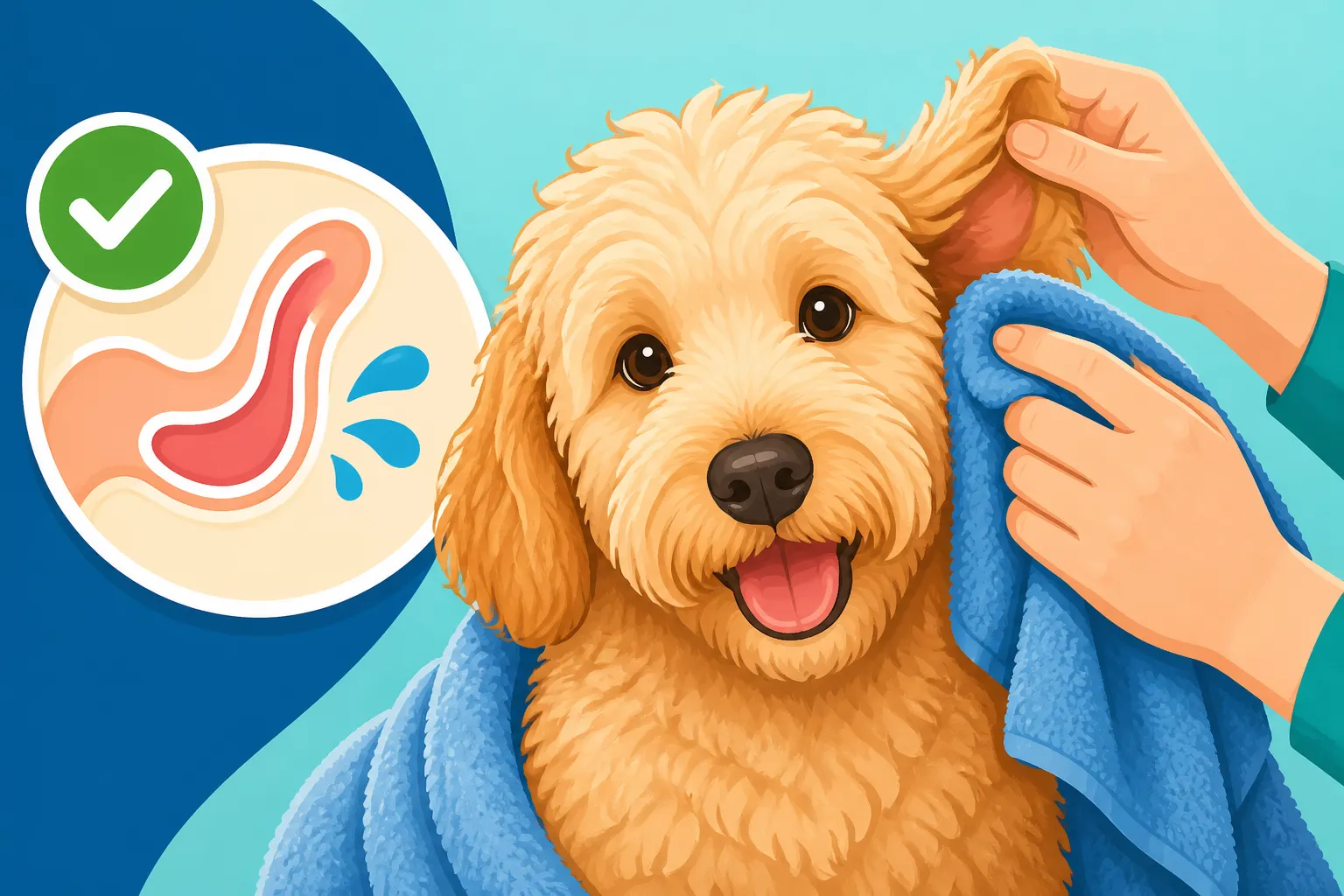
- Towel Dry the External Ear: Use a clean, soft towel to gently blot and wipe the entire external ear flap, both inside and out. Pay close attention to the folds and crevices of the ear leather. Get as much visible moisture off as possible. This step alone can prevent a good amount of water from lingering.
- Absorb Inside the Canal: Take a fresh cotton ball or a small piece of gauze. Gently fold back your Labradoodle's ear flap to expose the entrance to the ear canal. Carefully insert the cotton ball just into the opening, without pushing it down deep. Blot and twist gently to soak up any visible water. You might go through several cotton balls per ear until they come out relatively dry. Remember the "only what you can see" rule to avoid injury. This immediate post-water action is vital and is a direct follow-up to Cleaning a Labradoodle's Ears After Swimming.
This protocol should become second nature after any water exposure. Don't skip it, even if your Labradoodle only had a quick splash!
Applying Ear Drying Solutions
Once the initial physical drying is done, this is where specialized ear-drying solutions come into play, offering an extra layer of protection by addressing residual moisture and discouraging microbial growth.
- Gather Your Supplies: Have your chosen dog-specific ear-drying solution (liquid or powder) and plenty of clean cotton balls or pads ready. It's often helpful to have a treat handy too, to make the experience positive.
- Administer the Solution: Gently lift your Labradoodle's ear flap. If using a liquid, carefully squeeze the recommended number of drops directly into the ear canal opening. The goal is to get the solution down into the vertical canal. If using a powder, give a small puff into the canal. Always refer to the product's instructions for exact dosage.
- Massage the Base of the Ear: This is a crucial step! Once the solution is in, gently massage the base of your Labradoodle's ear, just below the ear canal opening, for about 20-30 seconds. You should hear a squishing sound, which indicates the solution is moving around inside the canal and dislodging any trapped debris or moisture.
- Allow Them to Shake: After massaging, let your Labradoodle shake their head. This action helps to bring any loosened debris and excess solution up and out of the ear canal. Stand clear, as you might get a spray!
- Wipe Away Excess: After they've shaken their head, use a clean cotton ball or pad to gently wipe away any visible solution, wax, or debris that has come to the surface. Again, only wipe what you can easily see and reach. Don't go digging deep into the canal.
This process helps ensure that any lingering moisture deep within the ear canal is addressed, providing a much drier and healthier environment. The frequency of this application will depend on your dog's activity level and ear history, but generally, it's a good practice after any bath or swim.
Gentle Air Drying Techniques
For ultimate dryness, especially if your Labradoodle has dense ear hair, a low-heat dryer can be incredibly beneficial. This step, however, requires careful attention to safety and comfort.
- Prepare Your Dog and Dryer: Ensure your Labradoodle is calm and comfortable. Have your low-heat dog dryer or human dryer set to the coolest and lowest power setting. Never use hot air, as it can burn their sensitive skin.
- Positioning the Dryer Safely: Hold the dryer a safe distance away from your dog's ear, typically 10-12 inches. You want a gentle breeze, not a direct blast. Gently lift the ear flap to expose the ear canal opening.
- Targeted Airflow: Direct the cool airflow into the ear canal opening for very short intervals, say 5-10 seconds at a time. Constantly move the dryer around the ear, never keeping it pointed at one spot for too long. Focus on drying the inner surface of the ear flap and the immediate opening of the ear canal.
- Monitor Your Labradoodle's Reaction: Watch for any signs of discomfort. If they flinch, try to pull away, or show any signs of stress, stop immediately. You can try shorter bursts, lower the sound/intensity, or take a break. The goal is a positive experience. Offer treats throughout to reinforce good behavior.
- Check for Dryness: After several short bursts of drying, gently feel the inside of the ear flap and the entrance to the canal. It should feel dry to the touch. If it's still damp, repeat the process with gentle, intermittent bursts. Make sure to get both ears equally dry.
Incorporating this air-drying step can be particularly effective for Labradoodles with thick wool or fleece coats, where moisture can really get trapped. It’s an extra measure that can significantly reduce the risk of those dreaded ear infections.
Common Mistakes and How to Prevent Them
Even with the best intentions, it's easy to fall into common traps when it comes to Labradoodle ear care. Being aware of these pitfalls can help you avoid unnecessary irritation, pain, and recurring issues for your furry friend.
Over-Cleaning or Excessive Plucking
It might seem counter-intuitive, but sometimes, too much of a good thing can actually be detrimental when it comes to ear care. Many well-meaning owners believe that constantly cleaning or aggressively plucking hair from the ear canal is the best way to prevent infections. However, this isn't always the case.
- Irritation from Over-Cleaning: Using ear cleansers too frequently or wiping too harshly can irritate the delicate lining of the ear canal. This irritation can break down the natural protective barrier of the skin, making it more susceptible to infection rather than less. The skin becomes inflamed, itchy, and an easier target for bacteria and yeast to take hold. Stick to drying solutions after water exposure and general cleaning only when visibly dirty or recommended by your vet.
- The Plucking Debate: The topic of ear hair plucking in Labradoodles is a contentious one, and many owners wonder Whether Ear Hair Should Be Plucked on a Labradoodle. While some groomers and vets advocate for it to improve airflow and reduce trapped moisture, aggressive or inexperienced plucking can cause micro-traumas to the ear canal skin. These tiny wounds become entry points for bacteria and can lead to inflammation, pain, and even severe infections. If you choose to pluck, it should be done sparingly, gently, and ideally by a professional groomer or veterinarian who understands the correct technique. For many Labradoodles, simply keeping the hair around the ear opening trimmed and using a good drying protocol is sufficient.
The key here is moderation and gentle care. Your Labradoodle's ears are sensitive, and harsh treatment can do more harm than good.
Ignoring Subtle Signs of Trouble
Our Labradoodles can be masters of disguise when it comes to pain or discomfort, especially in the early stages of an ear problem. Waiting until your dog is frantically scratching or shaking their head is often too late, meaning the infection has already progressed. Early detection is absolutely vital for quick resolution and preventing chronic issues.
- Daily Visual and Olfactory Checks: Make it a habit to check your Labradoodle's ears daily, or at least every other day. Gently lift the ear flap and take a good look at the visible ear canal opening. Is it pink and clean, or is it red, swollen, or waxy? Is there any discharge? What does it smell like? Healthy ears should have a very faint, neutral smell. A strong, sweet, musty, or foul odor is a major red flag, often indicating yeast or bacterial overgrowth. This helps you identify concerns about The Hair That Grows Where a Labradoodle's Ear Should Drain.
- Behavioral Cues: Be attentive to subtle changes in your dog's behavior. Are they scratching their ears more than usual? Are they rubbing their head on the carpet or furniture? Are they tilting their head frequently? Do they seem reluctant to have their ears touched? Any of these can be early indicators of discomfort or an impending infection. Sometimes, the only sign is a slight head tilt or a reluctance to play.
- When to Call the Vet: Don't hesitate to contact your veterinarian if you notice any of these subtle signs. It's always better to catch an ear infection early, as treatment is often simpler, less invasive, and more successful. Waiting can lead to deeper, more painful infections that require stronger medications, longer treatment courses, and potentially more serious complications.
Being proactive and observant is the cornerstone of preventing minor ear issues from escalating into major problems.
Using Inappropriate Products
The market is flooded with pet products, and it can be tempting to reach for whatever is readily available or seems similar to human products. However, using the wrong products in your Labradoodle's ears can cause irritation, allergic reactions, and even exacerbate existing problems.
- Avoid Human Products: Never use human ear drops, rubbing alcohol, hydrogen peroxide, or other household chemicals in your dog's ears unless specifically instructed by a veterinarian. Human ear drops are formulated for a different ear pH and anatomy, and harsh chemicals like alcohol or peroxide can be incredibly irritating to the sensitive tissues of a dog's ear canal, causing burning, dryness, and inflammation.
- Stick to Dog-Specific and Vet-Approved: Always use products specifically formulated for canine ears. These are designed to be gentle, pH-balanced, and effective for dogs. When in doubt, ask your veterinarian for recommendations. They can guide you toward safe and effective ear cleansers, drying solutions, and treatment drops that are appropriate for your Labradoodle's specific needs and any existing conditions. You can often find a good selection of vet-approved options on platforms like Chewy or Amazon, but confirm with your vet first.
- Check Ingredients for Allergens: If your Labradoodle has known allergies or very sensitive skin, read ingredient lists carefully. Some dogs can be sensitive to certain fragrances, preservatives, or active ingredients. Your vet might recommend a hypoallergenic or very basic saline-based solution.
A little research and a quick chat with your vet can save your Labradoodle from unnecessary discomfort caused by inappropriate products. Always prioritize their health and safety.
Holistic Approach to Labradoodle Ear Health
Proper drying is undeniably critical for your Labradoodle's ear health, but it's just one piece of a larger puzzle. A truly holistic approach involves a combination of consistent grooming, careful attention to diet and potential allergies, and regular veterinary oversight.
Regular Grooming and Trimming
The Labradoodle's coat, while beautiful and often less shedding, is also a double-edged sword when it comes to ear care. Managing the hair around and within the ears is a key component of preventing moisture buildup and promoting airflow.
- Professional Grooming: Schedule regular professional grooming appointments, typically every 6-8 weeks. Your groomer is an invaluable partner in ear health. They can expertly trim the hair around the ear opening, which improves air circulation and reduces the amount of hair that can fall into the canal. They can also, if you and your vet decide it's appropriate, carefully pluck excess hair from inside the ear canal using specialized tools and techniques, minimizing irritation. This is particularly important for Whether a Wool Coated Labradoodle Gets More Ear Infections, as denser coats mean more ear hair. Discuss your Labradoodle's ear history with your groomer so they can tailor their approach.
- At-Home Maintenance: Between professional grooms, you can do some light maintenance yourself. Use blunt-nosed scissors or a small clipper on a low setting to carefully trim any long hair that hangs into or covers the ear canal opening. This doesn't mean digging deep into the canal, but simply keeping the immediate entrance clear. This is also a good time to gently clean the visible parts of the ear with a cotton ball and an ear cleaner recommended by your vet. Regular handling during these sessions also helps your Labradoodle become more comfortable with ear examinations.
- Importance of Airflow: Remember, the primary goal of trimming is to improve airflow. By keeping the hair away from the ear canal entrance, you create a less humid environment, making it harder for moisture to linger and for bacteria and yeast to thrive.
Consistent grooming and mindful hair management will significantly contribute to your Labradoodle's overall ear health and reduce their susceptibility to infections.
Managing Allergies and Diet
What goes into your Labradoodle's body can have a profound impact on what happens on the outside, and this includes their ears. Systemic issues like allergies or dietary sensitivities often manifest as skin problems, with chronic ear infections being a very common symptom. Many owners find themselves frustrated by recurrent ear infections, only to discover an underlying allergy at play.
- Allergies as a Root Cause: Whether Repeat Ear Infections Mean a Labradoodle Has Allergies is a common question, and the answer is often yes. If your Labradoodle experiences recurrent ear infections despite diligent cleaning and drying, allergies should be high on your list of suspects. Dogs can suffer from environmental allergies (atopy) to things like pollen, dust mites, or molds, or food allergies to certain proteins (like chicken or beef) or even grains. When an allergic reaction occurs, the skin in the ear canal can become inflamed, itchy, and moist, creating the perfect conditions for secondary yeast or bacterial infections.
- Working with Your Vet on Allergy Diagnosis: If you suspect allergies, talk to your veterinarian. They might recommend allergy testing (blood tests or intradermal skin tests) or a food elimination diet trial. A food trial typically involves feeding a novel protein or hydrolyzed protein diet for several weeks to see if symptoms improve. Quality dog foods, some of which are available through retailers like Ollie for fresh options or Chewy for specialized veterinary diets, can be a part of managing food sensitivities.
- The Role of Diet: A balanced, high-quality diet supports a healthy immune system and skin barrier, which are crucial for fighting off infections. Some dogs may benefit from diets rich in omega-3 fatty acids, which have anti-inflammatory properties. Conversely, a diet that triggers an allergic response can lead to systemic inflammation, making the ears perpetually itchy and prone to infection. Discuss dietary changes with your vet to ensure they are appropriate and nutritionally complete for your Labradoodle. Addressing the underlying allergy is often the key to truly resolving chronic ear issues. Allergies Behind a Labradoodle's Itching often lead to ear problems too.
By considering your Labradoodle's overall health, including potential allergies and diet, you're taking a comprehensive approach that goes beyond just surface-level drying to promote lasting ear wellness.
Routine Vet Check-ups
Even with the most diligent at-home care, nothing replaces the expertise of your veterinarian. Routine check-ups are fundamental to maintaining your Labradoodle's ear health and catching any potential problems before they escalate.
- Annual Wellness Exams: During your Labradoodle's annual wellness exam, your vet will perform a thorough physical examination, which always includes inspecting the ears. They will use an otoscope to look deep into the ear canal, checking for signs of inflammation, infection, foreign bodies, or other abnormalities that you might not be able to see at home. This is also an opportunity for them to visually assess the amount of ear hair and discuss whether plucking or trimming is recommended for your specific dog.
- Addressing Concerns Promptly: If you've been noticing any subtle signs of ear trouble – a slight odor, a bit more head shaking, or an unusual amount of wax – don't wait for the annual exam. Schedule an appointment. Your vet can take a swab of the ear discharge to identify whether the infection is bacterial, yeast, or a combination, and prescribe the most effective medication. Treating an infection early prevents it from becoming chronic or causing more severe damage.
- Professional Cleaning and Advice: Your vet can also perform a professional ear cleaning if necessary, especially if there's a lot of impacted wax or debris. They can also provide personalized advice on the best ear cleaning and drying products for your Labradoodle, demonstrate proper techniques, and help you develop a preventative care plan tailored to your dog's specific needs and lifestyle. They can also explain How Often a Labradoodle's Ears Should Be Cleaned based on their individual situation.
Think of your vet as your primary partner in your Labradoodle's ear health journey. Their professional guidance and intervention are crucial for both prevention and treatment, ensuring those beloved floppy ears stay as healthy as possible.
Disclaimer
This article is for general informational purposes only and does not constitute professional advice. Laws, prices and regulations vary by location and change over time. Consult a qualified professional for guidance on your specific situation.