Whether a Washed Out Labradoodle Has Behavior Problems
It's incredibly exciting to think about a Labradoodle stepping into a life of service, helping someone navigate the world. But what happens when that dream doesn't quite pan out, and a Labradoodle gets "washed out" of a service dog program? Many potential adopters worry this means the dog comes with a host of insurmountable behavior problems. This guide aims to alleviate those concerns and clarify what "washed out" truly means, helping you understand if one of these amazing dogs could be your perfect companion.
Understanding What "Washed Out" Really Means for a Labradoodle
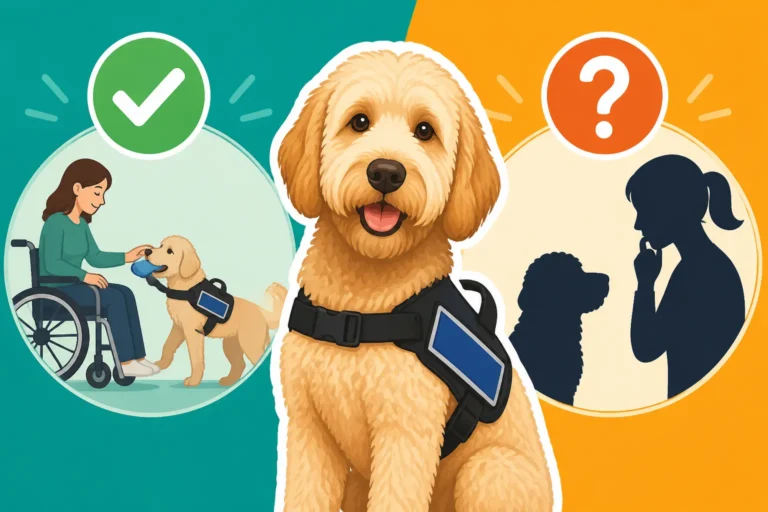
The term "washed out" can sound so harsh, like a failure or a rejection, and it certainly carries a stigma that these dogs don't deserve. When a Labradoodle is released from a service dog program, it simply means they didn't meet the incredibly specific and stringent requirements for that particular line of work. It almost never means they are "bad" dogs or have irreparable behavioral issues. It's more about finding the right square peg for the right square hole.
More Than Just "Failed" Training
Think about it this way: not every person is cut out to be a brain surgeon or a fighter pilot. That doesn't mean they're incapable or failures; it just means their skills, temperament, or even personal preferences don't align with those highly specialized roles. The same goes for Labradoodles in service dog training. The standards are incredibly high, demanding near-perfection in temperament, focus, health, and a consistent drive to perform specific tasks under immense pressure.
For instance, a service dog needs to ignore every tantalizing smell and friendly face in a bustling airport, perform tasks reliably in noisy, crowded environments, and remain calm and focused even when their handler is stressed. A slight distraction, a fleeting moment of shyness in a new situation, or a preference for sniffing a fascinating lamppost over executing a perfect "heel" might be enough for a program to decide a dog isn't quite suited for their demanding work. These aren't behavioral problems in the context of a loving pet home; they're simply not the precise traits needed for a public-facing service role. They might even just be a dog who prefers a quieter life, which is perfectly valid and makes them ideal for a different type of family.
Common Reasons Labradoodles Wash Out of Service Programs
There's a wide spectrum of reasons why a Labradoodle might be released from a service dog program, and most of them boil down to a mismatch between the dog's natural inclination and the job's demands, rather than inherent flaws.
One common reason is a low motivation for repetitive tasks, or perhaps a lack of sustained focus in highly distracting environments. Imagine a Labradoodle that absolutely loves people, but when asked to perform a specific retrieval task in a crowded grocery store, their attention keeps drifting to the interesting smells on the floor or the friendly face of a child passing by. This isn't naughtiness; it's just a natural canine instinct that can be a hurdle for a service dog requiring intense, unbroken concentration. Programs like Guide Dogs for the Blind, for example, have extremely high standards for focus. They might also assess traits like stress tolerance and adaptability to novel environments. What Washes a Labradoodle Out of a Program explores some of these specific wash-out factors in more detail.
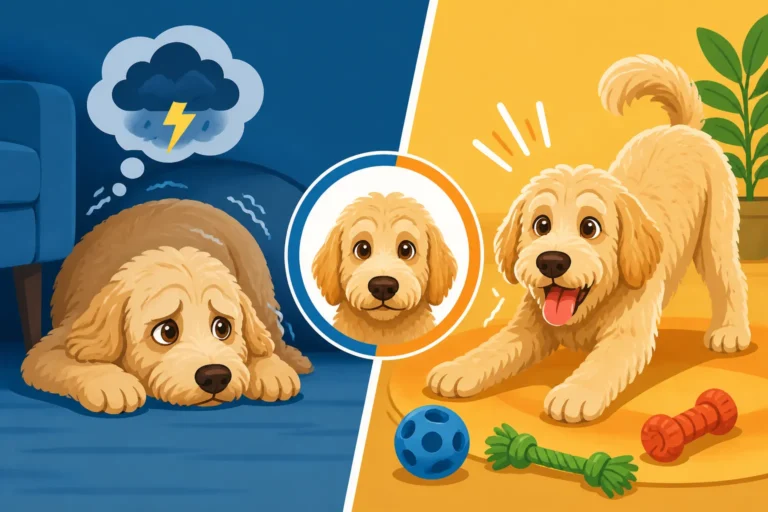
Another factor could be mild anxiety or a lack of confidence in certain, very specific scenarios. A dog might be perfectly confident at home, but perhaps a particular sound, like a fire truck siren, or a novel surface, like a metal grate bridge, causes them undue stress or hesitation that impacts their ability to perform. While a pet owner might be able to avoid these specific triggers or work on them gradually, a service dog needs to be unflappable in virtually any situation.
Sometimes, it's even subtle physical issues. A dog might be perfectly healthy for a pet life, but if there's a minor gait abnormality that might lead to discomfort under the sustained physical strain of guiding, or a sensitivity to certain movements that could impact their ability to perform specific mobility tasks, a program might decide it's not fair to the dog. These are not typically debilitating conditions, but rather slight limitations that preclude them from a highly physical working role. Understanding The Tasks a Labradoodle Is Taught for Disability Work can help put these high physical demands into perspective.
Distinguishing Program Standards from Pet Home Realities
It’s crucial to understand that the "bar" for a service dog is set incredibly high, far above what most families expect or need from a beloved companion animal. This difference in expectation is key to seeing a washed-out Labradoodle for the wonderful pet they can be.
The Service Dog Bar vs. Pet Expectations
A service dog is essentially a highly trained medical device with a heartbeat. They need to be incredibly reliable, predictable, and consistently perform their duties without fail, regardless of external stimuli. Their focus must be unwavering, their temperament bulletproof, and their ability to generalize commands across countless environments perfected. If a guide dog gets distracted by a squirrel and pulls its handler into traffic, the consequences are severe. If an assistance dog misses a critical alert, someone's health could be at risk. This is why service dog programs have such rigorous selection processes and training protocols.
Now, compare that to a typical family pet. Most of us want a dog who is loving, well-mannered at home, enjoys walks, is good with children and other animals, and brings joy to our lives. We don't expect them to perform life-saving tasks or navigate public spaces with machine-like precision. A pet can be a little goofy, get excited by a new person, enjoy sniffing every blade of grass on a walk, and occasionally pull on the leash (though we work on that!). What's considered a minor "lapse" for a service dog might be completely endearing or easily managed in a pet home. A Labradoodle that might be deemed "too easily distracted" for a service role might simply be a wonderfully curious and engaged companion for a family, enjoying all the novelties the world has to offer without the pressure of a job. Many first-time owners are often surprised by the energy and intelligence of a Labradoodle, so managing a slightly more independent or distractible temperament is something they often learn to embrace. Whether a Labradoodle Suits a First Time Owner covers some of these initial considerations.
Temperament Traits That Are Fine for a Family, But Not for Work
Many of the traits that lead to a Labradoodle washing out are actually quite lovely in a family pet. For example, a dog that is deemed "too friendly" and wants to greet every person they see might not be suitable for service work where they need to remain neutral and focused on their handler. However, that same dog could be the absolute life of the party in a family home, showering everyone with affection and making new friends wherever they go. They're just a social butterfly, and that's a wonderful quality for a companion!
Similarly, a Labradoodle that shows a lower "work drive" for the specific, repetitive tasks of a service dog might simply prefer to play fetch in the yard, cuddle on the couch, or go for adventurous hikes with their family. They might not be eager to practice a "retrieve dropped keys" command for the tenth time, but they'd be thrilled to chase a ball or snuggle up for a movie. What Nobody Tells a First Time Labradoodle Buyer often touches on these nuances of the breed's temperament, which sometimes surprise new owners.
These dogs aren't "bad" or "broken"; they just have personalities and preferences that aren't perfectly aligned with the incredibly unique and demanding career path of a service animal. In a loving home where they can simply be a dog, these traits are often cherished. If you're wondering Whether a Labradoodle Is too much dog for a quiet home, consider that these washed-out dogs might even be more suitable for a quieter life than a dog with an intense drive for constant "work."
Potential Behavioral Challenges and How to Address Them
While many washed-out Labradoodles simply need a different kind of life, it's also true that some reasons for release could translate into behavioral challenges if not properly understood and managed in a pet home. It's about being prepared and proactive.
What Could Be a Problem: Identifying Actual Issues
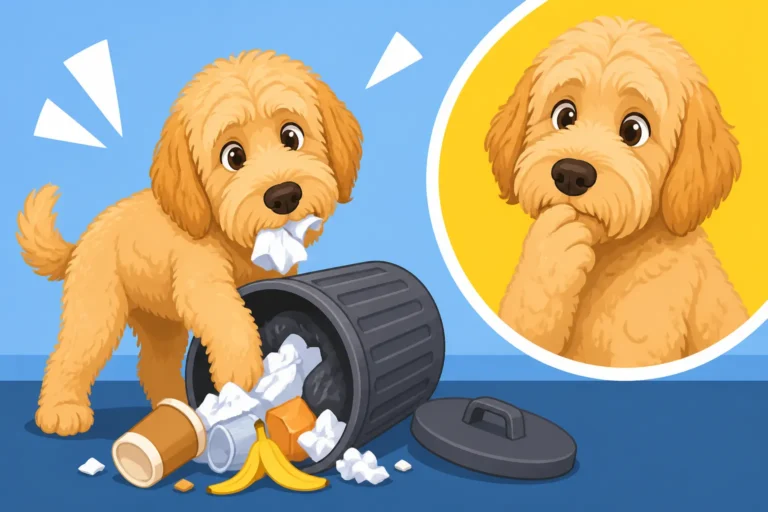
Occasionally, a Labradoodle might be washed out due to genuinely challenging behaviors like moderate anxiety (especially separation anxiety), resource guarding, or reactivity towards other dogs or people. These issues are less common in carefully bred service dog candidates, but they can occur. If, for instance, a Labradoodle struggles immensely with being left alone, displaying destructive behavior or excessive barking, this would certainly be a reason for release from a program, and it's a behavior that would need addressing in a pet home. This is especially true for the "Velcro Labradoodle" who forms intense bonds and can find alone time challenging. The Velcro Labradoodle That Cannot Be Left is a great resource if you're concerned about this.
Another potential issue could be significant shyness or fearfulness that impacts their ability to function comfortably in varied environments. While a little shyness isn't a problem for a pet, extreme fear could lead to avoidance behaviors, hiding, or even defensive reactions if they feel cornered. Again, these aren't unique to washed-out dogs, but if these were the specific reasons for their release, it's vital to understand the extent of the issue and be ready to implement supportive strategies.
The key here is transparency. A reputable service dog program or rescue organization placing these dogs will be very upfront about why the dog was released and any specific behaviors that need management. This allows prospective owners to make an informed decision and ensure they are prepared for any potential challenges.
Training and Management Strategies for a Washed Out Labradoodle
For any Labradoodle, whether they've been through a service program or not, positive reinforcement and consistent training are your best friends. These dogs have already had a lot of training, even if they didn't complete their program, so they often have a great foundation for learning.
If a washed-out Labradoodle comes with some known anxieties or mild behavioral quirks, here’s how to approach it:
- Positive Reinforcement: Continue using rewards-based training. This builds confidence and trust. Focus on rewarding desired behaviors rather than punishing unwanted ones.
- Consistency is Key: Dogs thrive on routine and clear expectations. Make sure everyone in the household is on the same page with commands and rules.
- Professional Guidance: Don't hesitate to seek advice from a certified professional dog trainer if you encounter specific challenges. Many online training platforms, such as BAXTER & Bella, offer comprehensive programs that can help you with foundational skills and address common behavioral issues from the comfort of your home. They provide structured lessons that can be incredibly useful for dogs needing a little extra confidence or refinement.
- Environmental Management: Sometimes, the simplest solution is to manage the environment. If your Labradoodle counter-surfs, don't leave tempting food on the counter. If they chew inappropriate items when left alone, ensure they are crated with safe toys.
- Build Foundational Skills: Revisit basic obedience. Solidifying commands like "sit," "stay," "come" (critical for Building a Recall a Labradoodle Answers Off Leash), and "leave it" provides a framework for managing more complex behaviors. Practicing polite greetings, like Teaching a Labradoodle to Greet With Four Feet Down, can also be very beneficial if they're overly enthusiastic.
- Address Alone Time: If separation anxiety was a factor, gradually desensitize them to alone time. Start with very short periods, rewarding calm behavior, and slowly increase duration. Crate training can be invaluable here, providing a safe den. For tips on managing clinginess, check out The Alone Time a Velcro Labradoodle Can Build To.
- Appropriate Exercise and Mental Stimulation: A tired Labradoodle is a good Labradoodle! Ensure they get plenty of physical exercise suitable for their age and health, along with mental enrichment through puzzle toys, training sessions, and sniffing games.
The Role of Socialization and Continued Learning
Even if a Labradoodle has been through a rigorous training program, continued positive socialization is essential, especially if they are transitioning from a structured environment to a pet home. This isn't about exposing them to every dog and person, but rather ensuring they have positive, controlled experiences that build their confidence in the world.
Take them on walks in different neighborhoods, let them meet calm, friendly dogs, and introduce them to various sights and sounds in a relaxed, non-pressured way. This helps them understand that the world is a safe and interesting place. Continued learning, even if it's just practicing fun tricks or new obedience cues, keeps their intelligent minds engaged. You can find a huge array of enrichment toys and training aids on platforms like Amazon that can help keep your Labradoodle mentally stimulated. Participating in group classes or working with a private trainer can also provide valuable guidance and structured learning opportunities. For more on whether structured training is right for your dog, read Whether a Labradoodle Needs a Trainer or a Class.
Finding the Right Match: Adopting a Washed Out Labradoodle
Adopting a washed-out Labradoodle can be an incredibly rewarding experience. These dogs often have excellent foundational training and are eager to bond with a loving family. The key is finding the right match and going into it with open eyes and realistic expectations.
What to Ask and Look For When Adopting
When considering adopting a Labradoodle from a service dog program or a doodle-specific rescue (like those discussed in Adopting a Career Change Labradoodle From a Program or What a Doodle Rescue Asks for a Labradoodle Applicant), don't be shy about asking questions. A reputable organization will be transparent and eager to help you find the best fit.
Here are some crucial questions to ask:
- What was the specific reason the dog was released from the program? The more details, the better. Was it a focus issue, a mild health concern, a confidence problem, or something else entirely?
- What is the dog's known personality and temperament? Are they outgoing, shy, playful, calm, independent, or a "Velcro" dog?
- Are there any known quirks or triggers? For example, "Fido doesn't like unexpected loud noises" or "Daisy prefers not to be approached suddenly by strangers."
- How does the dog interact with children, other dogs, and other pets? This is vital for household harmony.
- What is their energy level like? Do they need a lot of exercise, or are they content with moderate activity?
- Has the dog lived in a home environment before, or only in a training facility? This can affect their adjustment period.
- What kind of home environment do you feel would be ideal for this dog? Listen carefully to their recommendations, as they know the dog best.
- Can I meet the dog multiple times? Spend quality time with the Labradoodle in different settings if possible.
- Is there a trial period or foster-to-adopt option? This allows both you and the dog to ensure it's a good fit before a permanent commitment.
Don't be afraid to ask for honesty. The goal is a successful adoption, and that starts with full transparency.
Setting Realistic Expectations and Providing a Supportive Environment
The most important thing to remember is that a "washed out" Labradoodle is not a "defective" dog. They are simply Labradoodles who, for a variety of reasons, weren't perfectly suited for a highly specialized, public-facing, task-oriented career. They are still intelligent, loving, and capable companions with so much to offer.
When you bring a washed-out Labradoodle home, set realistic expectations. They've been through a lot of change and may need time to decompress and adjust to their new life as "just a pet." Provide a consistent routine, a safe and comfortable space of their own (like a crate or a specific bed), and plenty of patience and positive reinforcement. Focus on building a strong bond with them, engaging in activities they enjoy, and celebrating their unique personality.
These dogs often thrive in a loving pet home where they don't have the immense pressure of a working role. They get to sniff all the lampposts, greet friendly faces (politely, of course, after some practice!), and simply enjoy being a cherished member of a family. With the right environment and understanding, a washed-out Labradoodle can easily become the most wonderful, devoted companion you could ask for.
| Wash Out Reason (Service Program) | How It Translates to Pet Life (Often a Non-Issue or Manageable) | Potential Management in a Pet Home |
|---|---|---|
| Easily Distracted in Public | May need more focus during walks, not ideal for off-leash in busy areas | Consistent leash training, engaging toys, calm environments for initial walks |
| Low Motivation for Repetitive Tasks | Might not love endlessly practicing complex tricks, prefers varied play | Focus on varied enrichment, shorter training sessions, make training fun |
| Mild Environmental Sensitivity (e.g., loud noises) | May prefer quieter home life, can be startled by sudden loud sounds | Create a safe den, desensitization exercises, avoid overly stimulating environments |
| Too Friendly/Excitable with Strangers | A greeting enthusiastic dog, might jump on visitors (needs manners) | Training "four feet on the floor" greetings, manage excitement with visitors |
| Specific Health Quirk (not debilitating) | Minor physical limitations (e.g., slight limp after heavy exercise) | Adjust exercise routine, monitor condition, regular vet check-ups |
| Prefers Human Company Constantly | The ultimate "Velcro dog," can develop mild separation anxiety | Gradual desensitization to alone time, crate training, enrichment while alone |
Conclusion
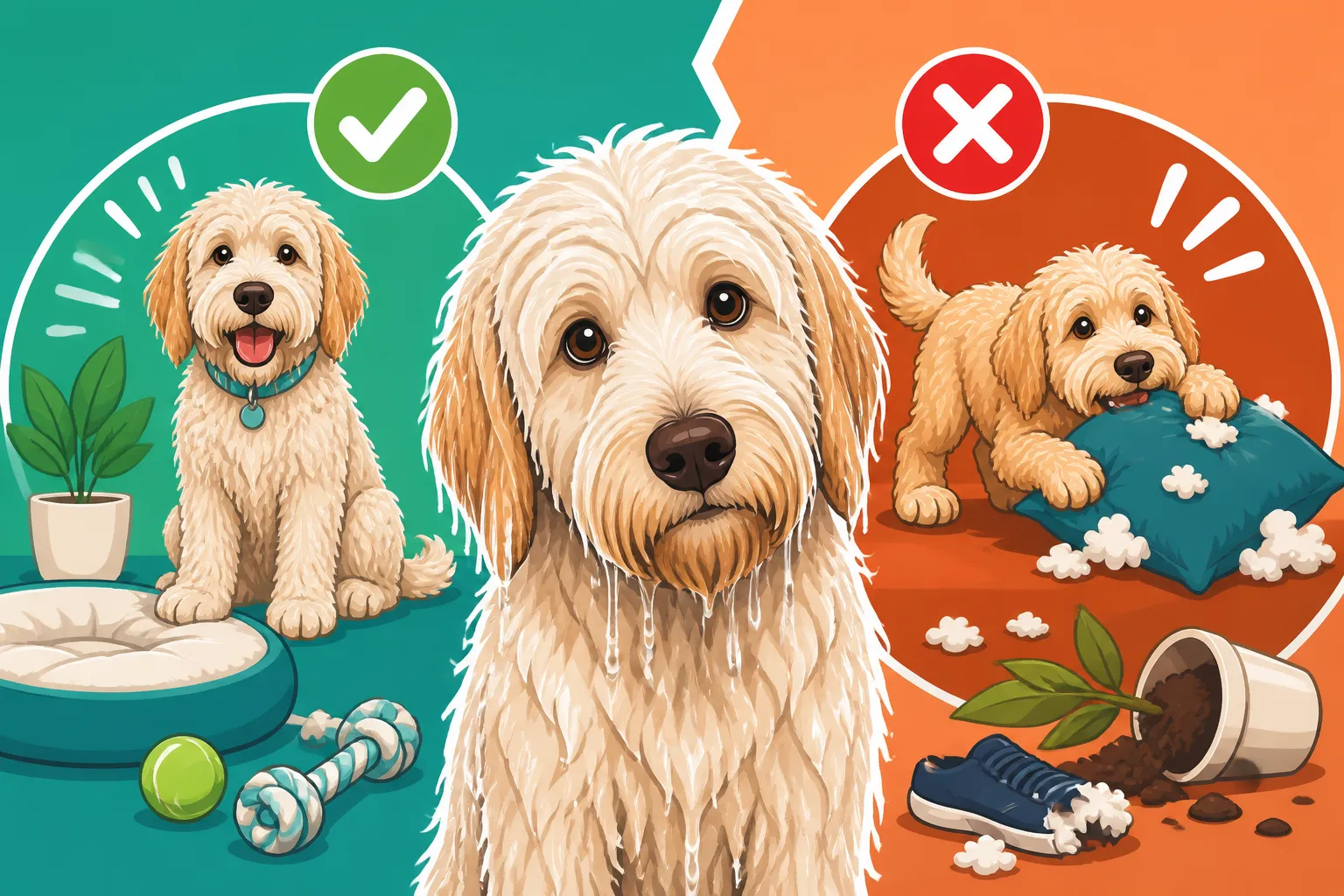
So, to answer the question: generally, no, a washed-out Labradoodle does not inherently have "behavior problems" in the way most people think of them. They are simply dogs whose individual temperaments, drives, or even subtle physical attributes didn't quite align with the exceptionally high and specific demands of a service dog career. Many of the reasons for being "washed out" are actually perfectly acceptable, or even desirable, traits in a family pet.
These Labradoodles often come with excellent foundational training, a loving nature, and a readiness to bond deeply with their new families. When adopted into an understanding home that cherishes them for who they are, without the pressure of a job they weren't wired for, they truly blossom. If you're considering welcoming one into your life, prepare to be rewarded with a devoted, well-socialized companion who is just waiting for the chance to be your amazing family dog.
Disclaimer
This article is for general informational purposes only and does not constitute professional advice. Laws, prices and regulations vary by location and change over time. Consult a qualified professional for guidance on your specific situation.