The Health Clearances a Labradoodle Price Should Include
It can feel incredibly overwhelming when you’re looking for a Labradoodle puppy. You’re scanning prices, falling in love with pictures, and then you see terms like "health clearances" and "DNA tested parents," often linked to a higher price tag. It leaves you wondering what those clearances really mean, and if they're truly worth the extra investment, especially when budgets are tight. This guide is here to cut through the confusion and explain exactly which health clearances should be a non-negotiable part of a Labradoodle's price, and why understanding them can save you a world of heartache and unexpected costs down the road.
Understanding Labradoodle Health Clearances
When you're bringing a new puppy into your family, you're not just buying a dog; you're investing in a future companion, a furry family member who will share your home and your heart for years to come. That's why understanding health clearances isn't just about a breeder's credibility; it's about protecting your emotional and financial well-being.
Why Health Clearances Are Non-Negotiable
Let's be frank: both Labradors and Poodles, the parent breeds of the Labradoodle, are susceptible to a range of genetic health conditions. Some are manageable, some are debilitating, and some can be utterly heartbreaking. Without proper health clearances on the parent dogs, you're essentially playing a game of genetic roulette with your future puppy. A puppy might look perfectly healthy at eight weeks old, bouncing with energy and melting your heart, but could be carrying genes for hip dysplasia, certain eye diseases, or even a life-threatening bleeding disorder that won't show symptoms until much later.
Imagine falling deeply in love with your Labradoodle only to find out at six months old that they need expensive surgery for a debilitating joint condition, or that their eyesight is failing prematurely. These situations aren't just emotionally draining; they come with significant financial burdens that far outweigh the initial savings on a cheaper, un-cleared puppy. A responsible breeder invests in these clearances precisely because they want to minimize the risk of these conditions being passed on, ensuring healthier puppies and happier families. When you see a higher price tag associated with a breeder who proudly displays their health clearances, what you're really seeing is an investment in your puppy's future health and your peace of mind.
The Difference Between Screening and "Vet Checks"
This is where a lot of confusion, and unfortunately, some less scrupulous breeding practices, can come into play. Many breeders will tell you their puppies come with a "vet check" or that the "parents have been seen by a vet." While a routine vet check at eight weeks is absolutely essential for a puppy – checking for heart murmurs, hernias, and overall well-being – it is not a health clearance.
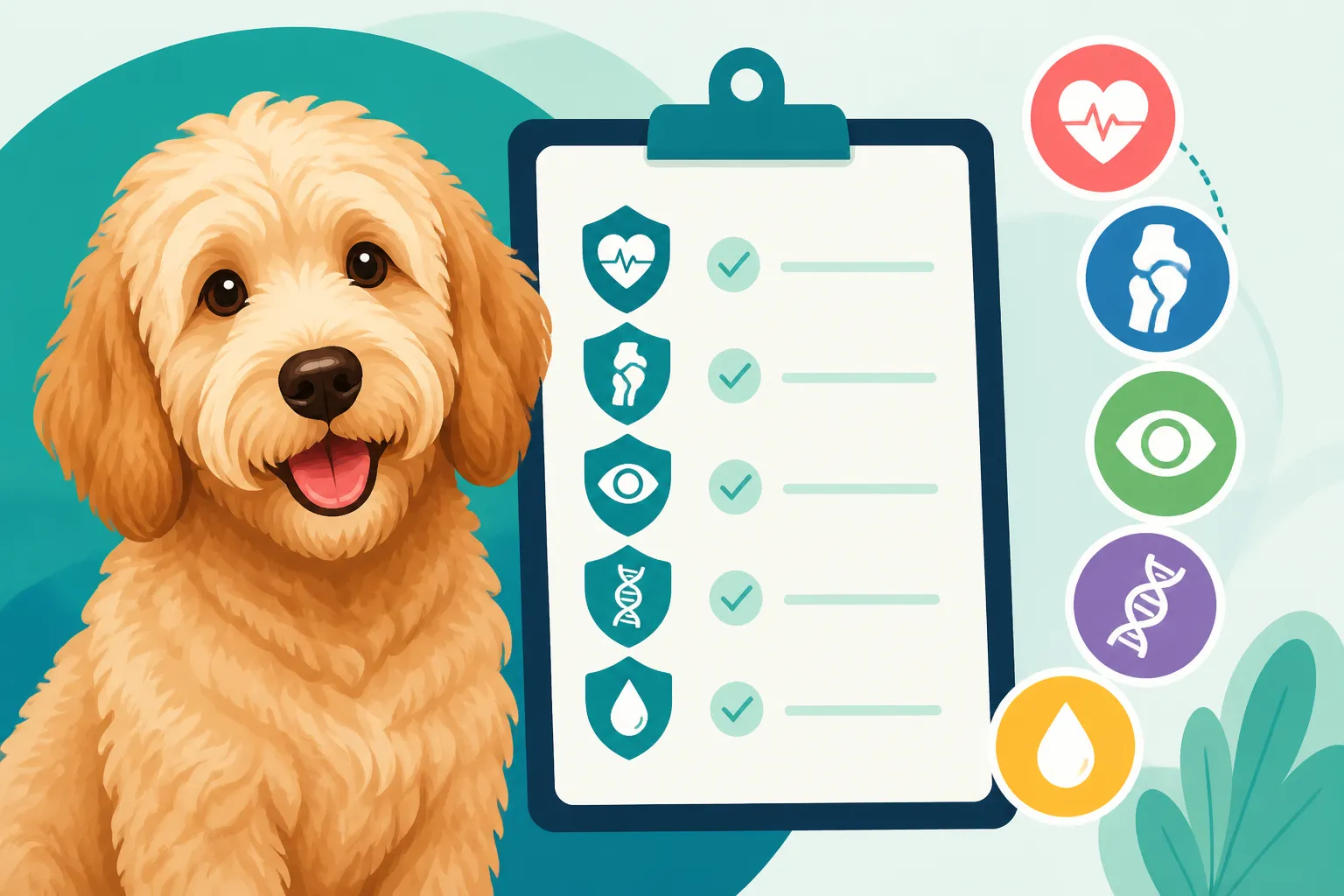
A health clearance refers to specific, often breed-specific, tests and evaluations performed on the parent dogs to assess their genetic predisposition to certain inherited diseases. These are typically done by specialists or through certified laboratories. For example, hip and elbow evaluations require X-rays interpreted by organizations like the Orthopedic Foundation for Animals (OFA) or through PennHIP. Eye clearances involve examinations by a board-certified veterinary ophthalmologist. Genetic DNA tests are sent to specialized laboratories. These are not quick, in-house assessments. They are rigorous, standardized tests designed to identify or rule out specific genetic conditions that cannot be detected by a general veterinary examination. So, when a breeder says their dogs are "vet checked," it’s important to clarify: are they talking about a general wellness check, or comprehensive genetic and physical screenings on the parent dogs? The latter is what genuinely impacts the long-term health outlook of your Labradoodle puppy.
Essential DNA and Genetic Health Panels for Labradoodles
When you’re looking at Labradoodle puppies, it’s vital to understand the genetic legacy they carry from both their Labrador Retriever and Poodle ancestry. Many common conditions in these parent breeds are hereditary, meaning they can be passed down to the puppies. DNA testing allows responsible breeders to identify carriers or affected dogs, preventing the breeding of two carriers that would produce affected puppies.
Progressive Retinal Atrophy (PRA) Testing
One of the most important genetic tests for Labradoodles is for Progressive Retinal Atrophy (PRA), specifically the prcd-PRA variant. This inherited eye disease causes the cells in the retina to degenerate over time, eventually leading to blindness. It's a cruel condition because it often starts subtly, affecting night vision first, and progresses, leaving your beloved companion completely blind. Both Poodles and Labradors can carry the gene for prcd-PRA, making it a significant concern for Labradoodles.
Thankfully, a reliable DNA test is available. A reputable breeder will have both parent dogs tested and cleared of carrying the gene. If both parents are "clear," their puppies will also be clear. If one parent is a "carrier" and the other is "clear," the puppies won't be affected by the disease but might be carriers themselves. The real problem arises when two carriers are bred together, as their puppies have a 25% chance of being "affected" and developing PRA. This is why you need to confirm that The prcd-PRA Test Both Labradoodle Parents Need has been performed and documented for both parents. Don't simply accept "clear by parentage" without seeing the actual parent results, as lineages can sometimes be misrecorded.
Exercise Induced Collapse (EIC) Screening
Imagine your Labradoodle, full of life, enjoying a vigorous game of fetch or a long run, and then suddenly, their hind legs give out, they become weak, stumble, and collapse. This terrifying scenario is characteristic of Exercise Induced Collapse (EIC), a genetic neuromuscular disorder primarily affecting Labrador Retrievers and, consequently, Labradoodles. The episodes typically last 5-25 minutes, and while most dogs recover, severe cases can be fatal.
EIC is triggered by intense exercise, particularly exciting activities, and often in warm weather. It’s caused by a specific genetic mutation, and thankfully, a DNA test can identify carriers or affected dogs. A breeder should be able to provide proof that both parent dogs have been tested for EIC. Just like with PRA, if both parents are clear, the puppies are clear. If one parent is a carrier and the other is clear, the puppies may be carriers but will not develop EIC themselves. However, breeding two carriers puts puppies at a high risk of being affected. Knowing your dog's EIC status is crucial for managing their activity levels and preventing potentially dangerous collapse episodes. You can learn more about how this condition traces back to one of the parent breeds in our guide on Exercise Induced Collapse and the Labradoodle's Labrador Half.
Von Willebrand's Disease (vWD) Type 1
While not as commonly discussed as PRA or EIC, Von Willebrand's Disease (vWD) Type 1 is a serious inherited bleeding disorder that can originate from the Poodle side of the Labradoodle's lineage. Dogs with vWD have a deficiency in von Willebrand factor, a protein necessary for normal blood clotting. This means that even a minor cut or a routine surgery, like spaying or neutering, could lead to excessive and dangerous bleeding. In severe cases, internal bleeding can occur, which might go unnoticed until it's too late.
The good news is there's a DNA test for vWD Type 1, allowing breeders to screen their breeding stock. Ensuring both parents are clear or that at least one parent is clear and the other is a carrier (meaning no affected puppies will be produced) is paramount. This information is particularly critical before any surgical procedure your Labradoodle might undergo, as it allows your veterinarian to take necessary precautions. Understanding Von Willebrand's Bleeding in a Labradoodle is a key part of responsible Labradoodle ownership.
Other Important DNA Tests (Addison's, DM, NE)
Beyond the major ones, several other genetic conditions have been identified in the parent breeds that can affect Labradoodles, making additional DNA testing valuable.
- Addison's Disease (Hypoadrenocorticism): This condition, more prevalent in Standard Poodles, is an endocrine disorder where the adrenal glands don't produce enough hormones. Symptoms can be vague and mimic other illnesses, ranging from lethargy and vomiting to life-threatening Addisonian crises. While specific DNA markers aren't universally available for all forms of Addison's, some genetic predispositions can be screened for. It's a complex disease, and discussions with breeders about their lines and any history of Addison's are vital. You can dive deeper into this condition by reading about Addison's Disease a Labradoodle Inherits From the Poodle.
- Degenerative Myelopathy (DM): This progressive neurological disease primarily affects the spinal cord, leading to weakness, incoordination, and eventually paralysis, similar to Lou Gehrig's disease in humans. While more common in breeds like German Shepherds, it can be seen in Poodles. A DNA test can identify carriers and affected dogs.
- Neonatal Encephalopathy (NE) with Seizures: This severe neurological disorder affects Poodle puppies, causing uncoordination, weakness, and seizures, usually leading to death within weeks of birth. There's a DNA test for this, and responsible Poodle breeders screen for it.
Many breeders utilize comprehensive DNA panels from companies like Embark Veterinary or Paw Print Genetics, which screen for dozens of genetic diseases relevant to both Labradors and Poodles. Seeing results from such a panel for both parents provides an excellent overview of the genetic health a puppy is inheriting.
Orthopedic and Ocular Clearances: Beyond DNA
While DNA tests are incredible tools for identifying specific genetic mutations, not all hereditary conditions can be screened for with a simple swab. Many musculoskeletal and structural issues require physical examinations and imaging, often interpreted by specialists, to ensure breeding dogs are sound.
Hip and Elbow Dysplasia Evaluations (OFA/PennHIP)
Hip and elbow dysplasia are unfortunately common, debilitating, and incredibly painful conditions in large breed dogs, including Labradors and Standard Poodles. Hip dysplasia is a malformation of the hip joint, where the ball and socket don't fit together properly, leading to grinding, pain, and eventually arthritis. Elbow dysplasia is a complex condition involving abnormal development of the elbow joint. Both can severely impact a dog's mobility and quality of life, often requiring extensive medical management or expensive surgery.
Screening for these conditions involves specialized X-rays of the hips and elbows, which are then evaluated by veterinary radiologists. The most common certifications come from the Orthopedic Foundation for Animals (OFA) or PennHIP.
- OFA: The OFA evaluates hip X-rays and assigns a grade (Excellent, Good, Fair, Borderline, Mild, Moderate, or Severe). Only dogs graded Fair, Good, or Excellent should be used for breeding. Elbows are graded as Normal or Dysplastic (Grade I, II, or III). Responsible breeders will only breed dogs with Normal elbows. OFA results are publicly searchable on their website.
- PennHIP: PennHIP offers a quantitative measurement of hip laxity, providing a distraction index. It's often considered a more predictive method, as it can be done earlier (as young as 16 weeks) and assesses the risk of developing hip dysplasia.
Seeing certifications for Hips and Elbows in a Sixty Pound Labradoodle is paramount. A breeder should be able to provide the specific OFA or PennHIP numbers, allowing you to look them up yourself. This isn't just a paper trail; it's a commitment to reducing the incidence of these painful conditions.
Patellar Luxation Screening
Patellar luxation, or "slipping kneecaps," is a condition where the kneecap (patella) dislocates from its normal position. While it can occur in any dog, it's particularly prevalent in smaller breeds and can certainly affect Miniature and Medium Labradoodles due to their Poodle lineage. It ranges in severity, from occasional popping out that causes a temporary limp, to severe cases where the kneecap is permanently dislocated, causing chronic pain and lameness.
Screening for patellar luxation involves a physical examination by a veterinarian who manually manipulates the kneecap to assess its stability and grade any luxation. This clearance is typically included in an OFA database listing for patellas. Breeders of smaller Labradoodle varieties should absolutely be checking for this, as it can cause significant issues for an active dog. If you're considering a smaller Labradoodle, make sure to ask about Slipping Kneecaps in a Miniature Labradoodle as part of their health clearances.
Ocular Examinations (CAER/CERF)
Even with DNA tests for specific eye conditions like prcd-PRA, a comprehensive eye examination by a board-certified veterinary ophthalmologist is still essential. These exams, often certified through the Canine Eye Registration Foundation (CERF) or the newer Companion Animal Eye Registry (CAER) through the OFA, screen for a broader range of eye diseases that aren't detectable by DNA tests alone. This can include:
- Cataracts: Clouding of the lens of the eye, which can lead to vision impairment or blindness. Some forms are hereditary.
- Glaucoma: A painful condition caused by increased pressure within the eye.
- Retinal Dysplasia: Abnormal development of the retina.
- Distichiasis/Ectopic Cilia: Eyelashes growing in abnormal positions, irritating the eye.
These exams should be performed annually on breeding dogs to ensure they remain free of observable hereditary eye diseases. This ongoing screening helps catch conditions that might develop later in life but still have a genetic component. A clear eye exam ensures that a breeding dog's eyes are healthy at the time of the examination, reducing the risk of passing on structural or non-DNA-testable eye issues. This proactive approach significantly contributes to the long-term vision health of your Labradoodle, highlighting the importance of The Yearly Eye Exam a Labradoodle Should Have.
Verifying Breeder Claims: What to Ask For
It’s easy for a breeder to say their dogs are health tested. It’s another thing entirely for them to prove it. As a prospective puppy owner, you have every right to ask for, and expect to see, documented proof of all health clearances. This isn't being pushy; it's being responsible.
Accessing and Understanding Health Certificates
A truly transparent and ethical breeder will not only readily provide this information but will also be happy to explain what each clearance means. For OFA certifications (hips, elbows, patellas, cardiac, thyroid), you should be able to verify results directly on the OFA public database using the dog's registered name or OFA number. This is the gold standard for orthopedic clearances. For PennHIP, results are typically not public, but the breeder should provide a clear report.
For DNA tests (PRA, EIC, vWD, DM, NE, etc.), breeders should have official lab reports from companies like Embark, Paw Print Genetics, or Animal Genetics. These reports should clearly state the registered name of the parent dog, the test performed, and the result (Clear, Carrier, or Affected). It’s crucial to match these names to the parents of the litter you are considering. Beware of breeders who simply state "clear by parentage" without showing the actual parent test results, as this can be unreliable if there was any error in lineage tracking. Seeing The Health Tests a Labradoodle Breeder Should Show is your absolute right.
Red Flags and Warning Signs
When you're searching for a Labradoodle, especially online, it's easy to get swept up in cute puppy pictures. However, it's essential to stay vigilant for warning signs that might indicate a less-than-reputable breeder:
- "Vet Checked Only": As we discussed, a basic vet check is not a health clearance. If this is all a breeder offers, walk away.
- Vague or Evasive Answers: If a breeder can't or won't provide specific names of tests, results, or verifiable documentation, that's a huge red flag. They might say, "Oh, the vet said they're fine," which is not sufficient.
- Unwillingness to Show Documentation: Any hesitation to share health certificates or lab reports should raise immediate suspicion. Legitimate breeders are proud of their health testing efforts.
- No Information on Parent Dogs: If you're not given information about the sire and dam (names, ages, photos), that's a problem. You need to know who the parents are to verify their clearances.
- Extremely Low Prices: While everyone loves a bargain, truly health-tested and well-raised Labradoodles come with a significant investment from the breeder. If a price seems too good to be true compared to others, it probably is. The initial savings often vanish quickly once vet bills start rolling in for preventable genetic conditions.
- Breeding Dogs Too Young or Too Old: Breeding dogs should be mature enough for clearances (usually 2 years old for OFA hips/elbows) and not bred excessively or beyond a reasonable age.
- Multiple Breeds on Site or Available All the Time: This can sometimes be a sign of a puppy mill or large commercial operation, which often prioritize quantity over quality and health.
- Inability to Meet Parents: While sometimes the sire lives elsewhere, you should always be able to meet the dam (mother). Her temperament and condition offer valuable insights into the quality of care and breeding.
Remember, a reputable breeder has invested considerable time, effort, and money into ensuring the health and well-being of their breeding dogs and puppies. This investment is reflected in the price, but it's an investment that pays dividends in a healthy companion. Sadly, many Labradoodles end up in shelters or rescues precisely because owners were unprepared for the health issues that arose from irresponsible breeding, a problem that contributes to What Labradoodles Most Often Die Of.
The Value of Health Tested Parents in Your Labradoodle's Price
It’s completely natural to scrutinize the price of a puppy. Labradoodles, especially from reputable breeders, aren't inexpensive. But when you understand what goes into that price, particularly the health clearances, you begin to see it not as an expense, but as a crucial investment in your future family member.
Investment in Long-Term Health and Happiness
Think of the cost of a health-tested Labradoodle puppy as an upfront payment towards a lifetime of fewer vet bills and more joyful moments. While no breeder can guarantee a dog will never have a health issue – life happens, accidents happen, and some conditions aren't predictable – health clearances significantly reduce the risk of common, debilitating genetic diseases.
Consider the potential costs: a hip replacement surgery for a large dog can easily run upwards of $5,000 to $7,000 per hip. Managing severe allergies, a chronic ear infection problem (common in Labradoodles due to their drop ears), or a dog with Addison's disease can involve lifelong medication and frequent vet visits costing hundreds, even thousands, annually. If your Labradoodle develops a chronic condition from un-cleared parents, the "savings" you thought you made on the puppy's initial price will quickly be eclipsed by veterinary expenses. Investing in a healthy puppy from the start dramatically increases the likelihood of a long, active, and happy life for your dog, saving you emotional distress and financial strain. Many owners wisely look into pet insurance, with companies like Healthy Paws offering coverage, to further protect against unforeseen health issues, but preventing known genetic risks is always the first step.
The Ethical Breeder's Responsibility
Ethical breeders see themselves as stewards of the breed (or crossbreed, in the Labradoodle's case). Their goal isn't just to produce puppies, but to produce healthy, well-tempered puppies that enhance their owners' lives. This responsibility drives their commitment to health testing. They are actively trying to eliminate or reduce the incidence of known genetic diseases within their lines.
The process of health testing is expensive. X-rays for OFA, specialist eye exams, multiple DNA panels, and potentially other screenings add up quickly. These costs are then naturally factored into the price of a puppy. Beyond the financial investment, there's also a significant time commitment involved in researching lines, ensuring proper health testing protocols are followed, and interpreting results. When you choose a puppy from a breeder who adheres to these high standards, you are supporting ethical breeding practices that prioritize the welfare of the dogs above all else. They are doing their part to ensure that Whether Health Tested Parents Add Years to a Labradoodle is a resounding yes.
Beyond Health: What Else a Good Breeder Provides
While health clearances are paramount, they are just one facet of what a responsible breeder provides. That higher puppy price often encompasses a multitude of other crucial factors that contribute to a well-adjusted, healthy family member:
- Early Socialization and Enrichment: Good breeders expose puppies to a variety of sights, sounds, textures, and people from an early age, helping them develop into confident, resilient adults. This often includes implementing programs like "Puppy Culture."
- Proper Nutrition for Dam and Pups: The dam receives premium nutrition throughout pregnancy and lactation, and the puppies are weaned onto high-quality food. Some breeders even use fresh food options like Ollie to give their puppies the best start. Proper nutrition is critical for healthy development.
- Initial Veterinary Care: This includes the essential eight-week vet check, first vaccinations, and deworming.
- Lifetime Support: Reputable breeders offer ongoing support and advice for the lifetime of your dog. They are a resource for questions about training, grooming, and health, and often have a "take-back" clause in their contract if an owner can no longer care for the dog.
- Grooming Introduction: Labradoodles require significant grooming. Many breeders start early handling and even introduce puppies to brushing and nail trims, making the transition to lifelong grooming easier. You can find many grooming tools and specialized foods for different life stages on platforms like Chewy.
When you weigh all these factors, the price for a Labradoodle from a truly responsible, health-focused breeder begins to make complete sense. It’s an investment in a happy, healthy, and well-adjusted companion who will bring immense joy to your life for many years to come.
Here's a quick reference table summarizing key health clearances:
| Health Clearance | What it Screens For | Parent Breed Origin (Primary) | Verification Method | Importance |
|---|---|---|---|---|
| OFA/PennHIP Hips | Hip Dysplasia (malformation of hip joint) | Labrador/Poodle | OFA database / PennHIP report | Prevents painful arthritis, mobility issues, costly surgeries |
| OFA Elbows | Elbow Dysplasia (malformation of elbow joint) | Labrador/Poodle | OFA database | Prevents lameness, chronic pain, and early arthritis |
| prcd-PRA DNA Test | Progressive Retinal Atrophy (inherited blindness) | Poodle/Labrador | DNA Lab Report (e.g., Embark, Paw Print Genetics) | Prevents progressive vision loss leading to blindness |
| EIC DNA Test | Exercise Induced Collapse (neuromuscular disorder triggered by intense exercise) | Labrador | DNA Lab Report (e.g., Embark, Paw Print Genetics) | Prevents collapse episodes, allows safe exercise management |
| vWD Type 1 DNA Test | Von Willebrand's Disease Type 1 (inherited bleeding disorder) | Poodle | DNA Lab Report (e.g., Embark, Paw Print Genetics) | Prevents excessive bleeding during injury or surgery |
| OFA Patellas | Patellar Luxation (slipping kneecaps) | Poodle | OFA database (veterinary exam) | Prevents lameness, pain, and potential need for corrective surgery |
| CAER/CERF Eye Exam | General hereditary eye conditions (cataracts, glaucoma, retinal dysplasia, etc.) | Labrador/Poodle | OFA CAER database / Ophthalmologist certificate (annual) | Catches conditions not covered by DNA tests, monitors overall eye health |
| Addison's Disease (select lines) | Hypoadrenocorticism (adrenal gland dysfunction) | Poodle | DNA Lab Report (for certain markers) / Breeder history | Reduces risk of life-threatening hormonal imbalance |
Disclaimer
This article is for general informational purposes only and does not constitute professional advice. Laws, prices and regulations vary by location and change over time. Consult a qualified professional for guidance on your specific situation.