Whether a Labradoodle’s Coat Thins in Patches
Labradoodle coat thinning in patches stems from the adult transition between six and eighteen months, seasonal shedding, or age changes.
Know what to watch for.
Breed-specific conditions, screening and DNA tests, what surgery actually costs, and the daily habits that stretch a healthy lifespan.
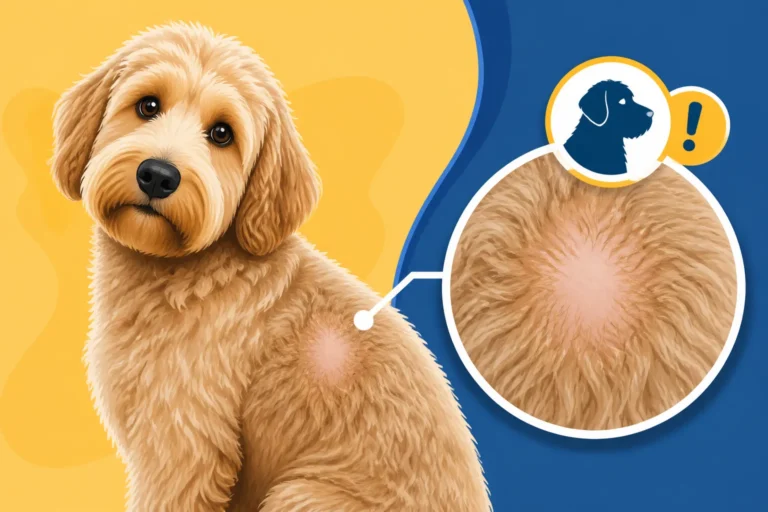
Labradoodle coat thinning in patches stems from the adult transition between six and eighteen months, seasonal shedding, or age changes.
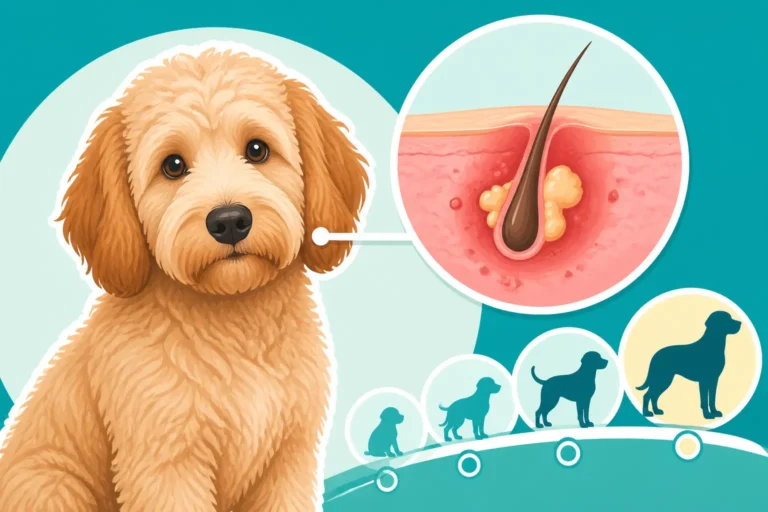
Sebaceous adenitis in Labradoodles typically appears during young adulthood or middle age, damaging skin glands and causing hair loss.

Breeding a Labradoodle with Addison disease risks passing genetic disorders to puppies, raising crucial ethical questions for breeders.

Addisonian Labradoodles can lead normal lives because proper hormone management treats adrenal gland deficiencies effectively.

Monthly injections for Addisonian Labradoodles help manage adrenal hormone deficiencies, maintaining electrolyte balance and preventing dangerous crises.

An Addisonian Labradoodle emergency plan prevents fatal crises by preparing owners for sudden hormone drops and rapid deterioration.
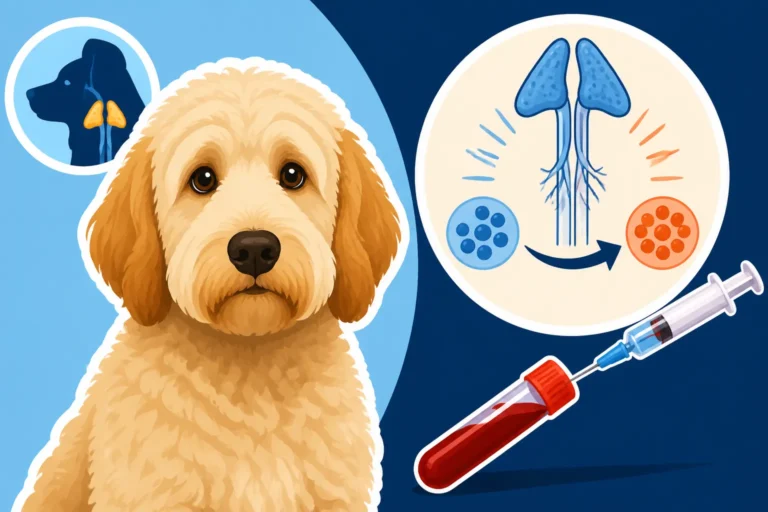
The ACTH stimulation test confirms Addison’s disease in Labradoodles by measuring adrenal gland cortisol and aldosterone hormone production.

Addisons disease in Labradoodles causes vague symptoms that owners frequently miss before a critical medical crisis occurs.

Addison disease in Labradoodles typically strikes between two and eight years of age, or sometimes as early as six months.

F1 Labradoodle status, adrenal gland hormone production, and Addison’s disease symptoms, diagnosis methods, and lifelong medication management.