What Happens to a Labradoodle’s Coat at Nine Months
One of the most common refrains I hear from new Labradoodle owners goes something like this: "My puppy's coat was so easy, then suddenly, around nine months, it became a matted mess overnight!" If this sounds like your current struggle, you are not alone. This guide is here to walk you through exactly what happens to your Labradoodle's coat around that crucial nine-month mark, why it happens, and most importantly, how to navigate this challenging but temporary phase with your sanity (and your dog's beautiful coat) intact.
Understanding the Labradoodle Coat's Evolution
It’s easy to be charmed by that soft, fluffy puppy coat, but it’s a temporary phase. Your Labradoodle is undergoing a natural and inevitable transformation, shedding its delicate puppy fur to make way for its more robust adult coat. Understanding this biological process is the first step in preparing for and managing the changes.
The Puppy Coat: A Soft Illusion
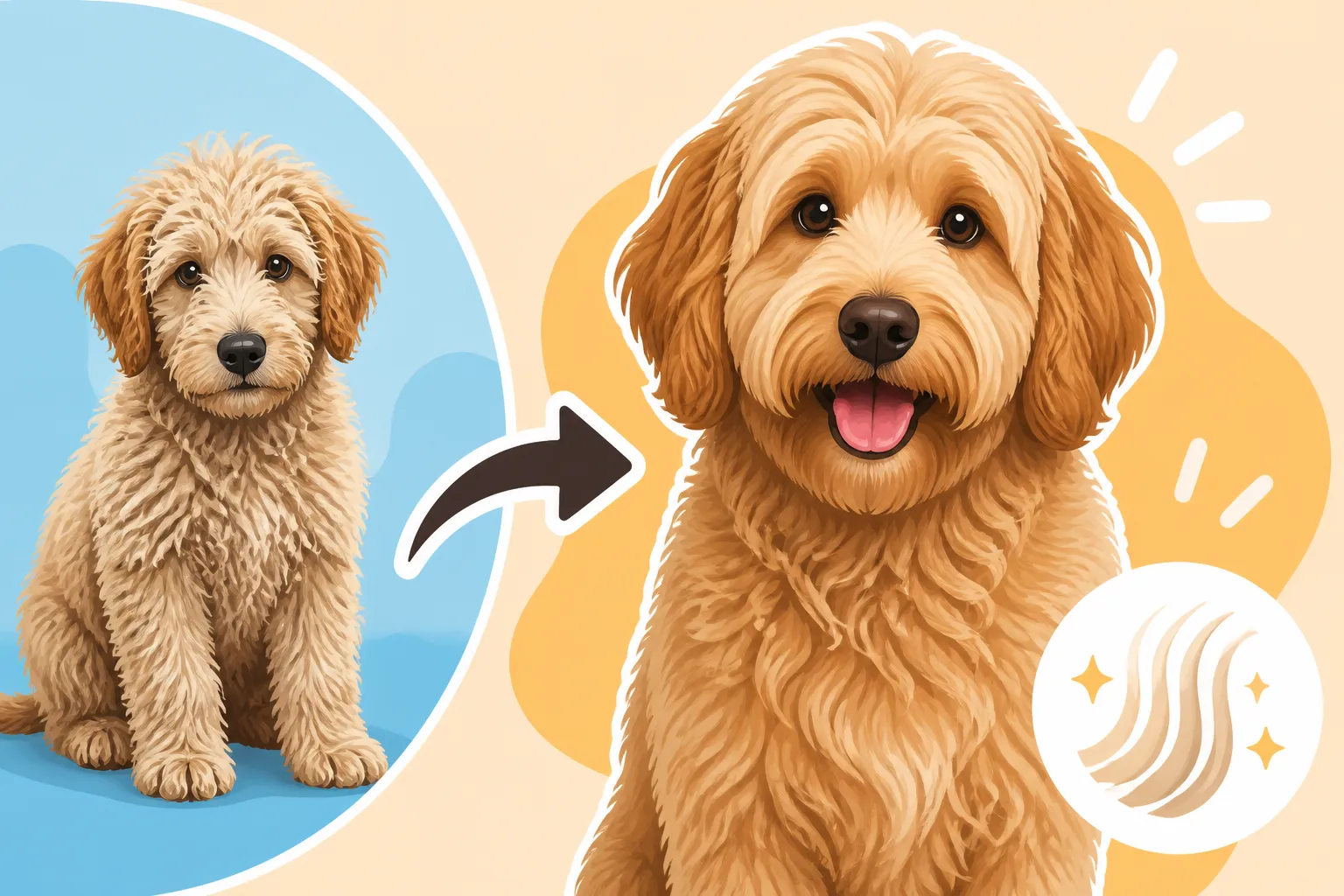
When you first bring home your Labradoodle puppy, its coat is usually wonderfully soft, often wavy or curly, and relatively easy to manage. It feels almost like cotton or a fine wool, and brushing seems like a breeze. This puppy coat serves its purpose, keeping the young pup warm and protected. Owners often fall in love with this initial easy-care stage, perhaps brushing it a few times a week with minimal effort, if at all. This early experience can, unfortunately, create a false sense of security, leading many to believe that their Labradoodle will maintain this low-maintenance coat forever. It’s important to cherish this phase, but also to recognize it as just that – a phase.
This initial coat is generally quite fine in texture, with individual hairs that are not yet as strong or as densely packed as the adult coat will be. Because it’s so fine, it doesn't tend to knot or felt together as easily, even if brushing isn't meticulous. Many puppies will go through their first few months without experiencing any significant matting, which further reinforces the idea that Labradoodles are "easy groomers." However, this is simply the calm before the storm. The very nature of this soft, delicate hair means it’s not designed for the long haul, and the underlying adult coat is already preparing to emerge.
The Genetics Behind the Coat Change
The Labradoodle's coat type is a fascinating blend, inherited from both its Labrador Retriever and Poodle parents. While the ideal Labradoodle coat, often referred to as "fleece," is low-shedding and soft, the genetic lottery means there's a spectrum of possibilities. Some Labradoodles will have a straighter, hair-like coat that might shed more, while others will have a dense, woolly coat more akin to a Poodle's. The coat change, however, is a universal experience, regardless of the adult coat type they'll eventually develop. It's dictated by developmental genetics, a biological clock that signals the body to transition from juvenile fur to mature hair.
During this transition, the puppy coat literally gives way to the adult coat. This isn't always a dramatic shedding event like you might see with a double-coated breed. Instead, the puppy hairs often don't fall out on their own. They become entangled with the denser, stronger incoming adult hairs. This creates a perfect storm for matting, as two different textures of hair are trying to occupy the same space and move past each other. Understanding The Three Labradoodle Coats: Hair, Fleece and Wool can help you anticipate the type of adult coat you'll be managing, but the coat change itself is a process every Labradoodle owner will face. You might have been able to tell Telling a Labradoodle's Coat Type at Eight Weeks, but regardless, the change is coming.
The Infamous "Coat Change" Period
The "coat change," often referred to as "blowing coat" by groomers, is truly the most challenging grooming period in a Labradoodle's first year of life. It usually starts somewhere between six and twelve months, with nine months being a very common peak. This period can last for several weeks, or even a couple of months, and it requires a significant increase in grooming effort to prevent discomfort and potential skin issues for your dog.
What to Expect During the Change
Around nine months, you'll start to notice your Labradoodle's coat feeling thicker and perhaps a bit coarser, especially towards the base. The soft, wispy puppy hair will still be there, but it will be intermingled with the new, more substantial adult coat. This combination is what makes the coat so prone to matting. Imagine trying to comb through a tangled mess of fine thread and stronger rope; that’s essentially what’s happening on your dog.
You might also notice a subtle change in color or even curl pattern. A puppy that was a light cream might develop richer golden tones, or its waves might become tighter curls. It’s a period of transformation, and while exciting to see your pup grow up, it's also where the real grooming work begins. How Long a Labradoodle's Coat Change Lasts can vary greatly, but patience and consistent effort are your best friends during this time. Without proper attention, those mats can quickly turn into painful pelts against the skin.
Why Mats Become an Overnight Problem
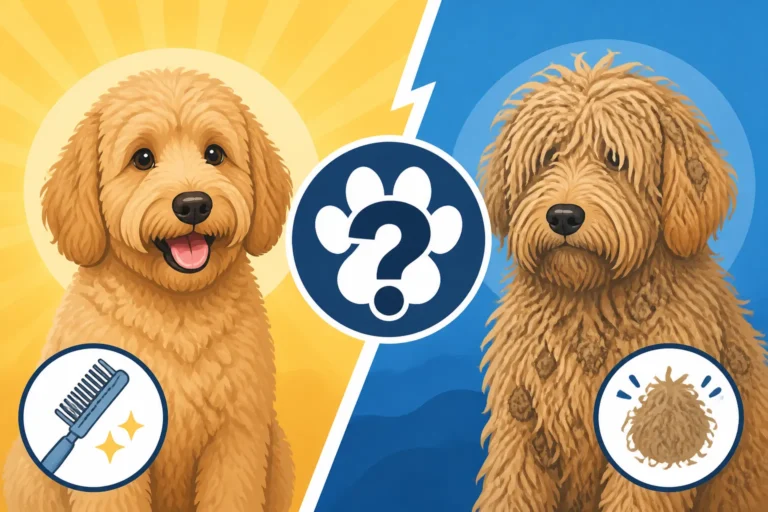
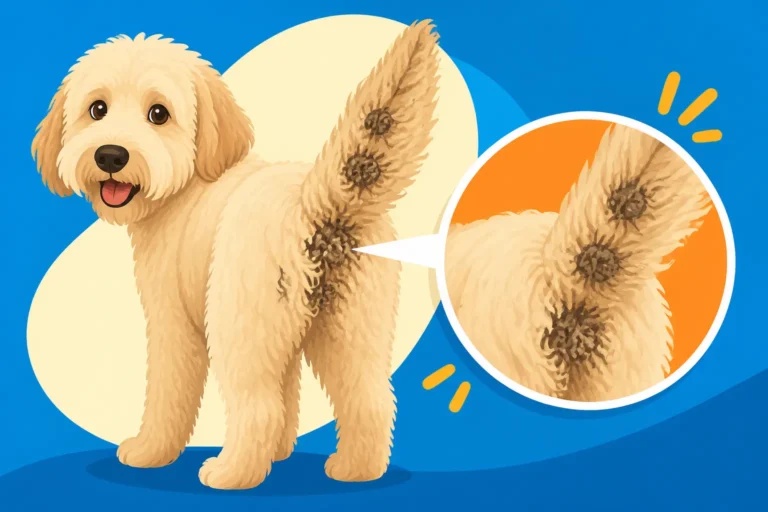
The reason mats suddenly seem to appear overnight is precisely because the old puppy coat is not shedding out efficiently on its own. Instead, it gets trapped within the emerging adult coat. Every movement your dog makes, every roll, every scratch, further weaves these two hair types together. Areas of friction, such as behind the ears, under the armpits, on the insides of the legs, and around the collar, become particularly vulnerable.
What starts as a small tangle can rapidly escalate into a felted mat. These mats pull on the skin, causing discomfort and even pain. They also create a breeding ground for skin infections, as moisture can get trapped underneath, and the skin can't breathe properly. It’s a frustrating cycle for owners because one day the coat seems fine, and the next, it feels like a dense carpet. This is why a sudden shift in your grooming routine is not just recommended, but absolutely essential. You're no longer just brushing the surface; you're actively working to separate and remove the trapped puppy hair.
Essential Grooming Strategies for the Coat Change
Navigating the Labradoodle coat change successfully requires a commitment to a diligent grooming routine. This isn't just about aesthetics; it's vital for your dog's comfort and health. Equipping yourself with the right tools and techniques will make all the difference.
Tools of the Trade for the Transitional Coat
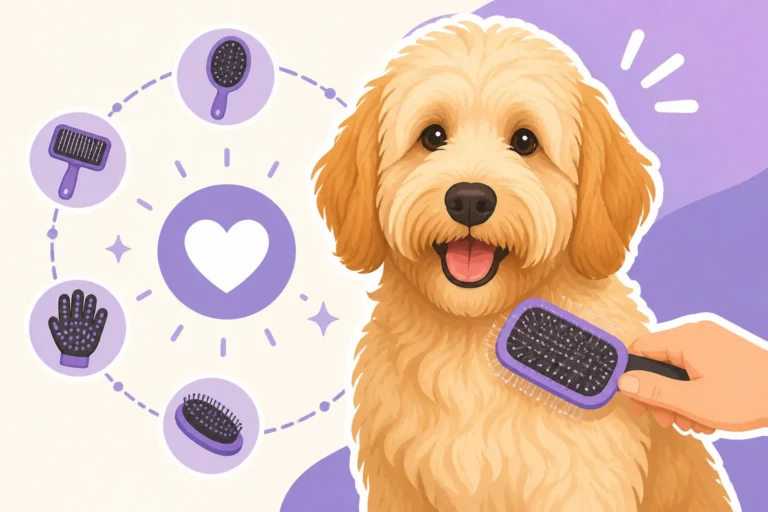
You'll need more than just a flimsy brush during this phase. Investing in high-quality grooming tools is crucial. The primary tools you'll rely on are a good slicker brush, a metal comb with both fine and wide teeth, and potentially a dematting rake or tool for tougher tangles. A force dryer, while an investment, can also be invaluable for thoroughly drying the coat and helping to "blow out" loose hair, further preventing mats. You can find many of these essential items on platforms like Amazon or Chewy, making it easy to get what you need delivered right to your door.
A fine-toothed metal comb is your mat detector; if the comb can't pass smoothly through any section of the coat, there's a mat there. The slicker brush is for general brushing and working through smaller tangles, while a wide-toothed comb is great for starting in denser areas. Don't forget a good quality detangling spray or conditioning spray. These can help lubricate the hair, making it easier to brush and reducing breakage. Remember, consistency with these tools, not just frequency, is key. Think of them as your daily allies in the battle against mats. The Slicker, Rake and Comb a Labradoodle Takes details which specific tools are most effective.
| Grooming Tool | Primary Use During Coat Change | Why It's Essential |
|---|---|---|
| Slicker Brush | General brushing, removing loose hair, detangling smaller knots | Its fine, angled pins are effective at reaching down to the skin. |
| Metal Comb (Fine/Wide Teeth) | Mat detection, thorough detangling after brushing, finishing tool | The "mat check" — if the comb goes through, it's clear. |
| Dematting Rake/Tool | Carefully breaking up larger, denser mats without cutting | Specialized blades or teeth designed to slice through felted hair. |
| Detangling Spray/Conditioner | Lubricating coat, easing brush through tangles, reducing static | Minimizes hair breakage and makes brushing more comfortable for the dog. |
| High-Velocity Dryer | Drying to the skin, blowing out loose undercoat | Prevents moisture-related matting and helps shed trapped puppy fur. |
Mastering the Art of Line Brushing
Line brushing is the single most important technique you need to master during your Labradoodle's coat change, and frankly, for the rest of its life. This isn't just surface brushing; it's about systematically brushing the coat in sections, all the way down to the skin. To do this, you part the hair, hold it up with one hand, and then brush a thin section of hair downwards, pin by pin, using your slicker brush. Once that section is tangle-free, you move on, working layer by layer, "line by line."
Start from the bottom of a leg or the belly, and work your way up the body. Once you've brushed a section with the slicker, follow up with your metal comb to ensure there are absolutely no tangles remaining. If the comb snags, go back with the slicker brush until it glides through. This methodical approach ensures that you're not just brushing the top layer of the coat, which can give a deceptive appearance of being tangle-free while mats lurk underneath. The Line Brushing a Labradoodle Coat Needs cannot be emphasized enough – it’s the cornerstone of Labradoodle grooming. You'll likely need to increase your brushing frequency dramatically during this period; Whether Daily Brushing Is Needed Through the Coat Change is a common question, and the answer is often "yes!"
The Role of Professional Groomers During This Time
While home grooming is essential, professional groomers play a vital role, especially during the coat change. A skilled groomer has specialized tools, techniques, and the experience to manage challenging coats that most owners simply don't. They can not only help demat your dog safely but also provide a thorough bath and blow-dry, which is crucial for preventing mats in the first place and for loosening trapped puppy coat.
Consider booking more frequent grooming appointments, perhaps every 4-6 weeks instead of the usual 8-10. This ensures that any developing mats are caught early and dealt with professionally before they become painful or require shaving. A good groomer can also educate you on proper home grooming techniques and recommend specific products suited for your Labradoodle's unique coat type. Don't be afraid to ask for a "puppy trim" or a shorter length to help manage the coat during this transition. It’s far better for your dog to have a slightly shorter, comfortable coat than a long, matted one.
Managing Mats and Preventing Future Issues
Once mats start, they can be incredibly frustrating and even painful for your Labradoodle. Knowing how to deal with them safely and effectively, and implementing preventative measures, is crucial for your dog's well-being.
Dealing with Existing Mats Safely
Finding a mat can be disheartening, but it's important to approach it calmly and carefully. Never try to pull or rip through a mat with a brush, as this will cause pain and likely injure your dog's skin. Instead, gently isolate the mat. If it's a small, loose tangle, you might be able to work it out with your fingers, followed by a wide-toothed comb. Use a detangling spray to help lubricate the hair. Work from the outside edges of the mat inwards, teasing it apart rather than yanking.
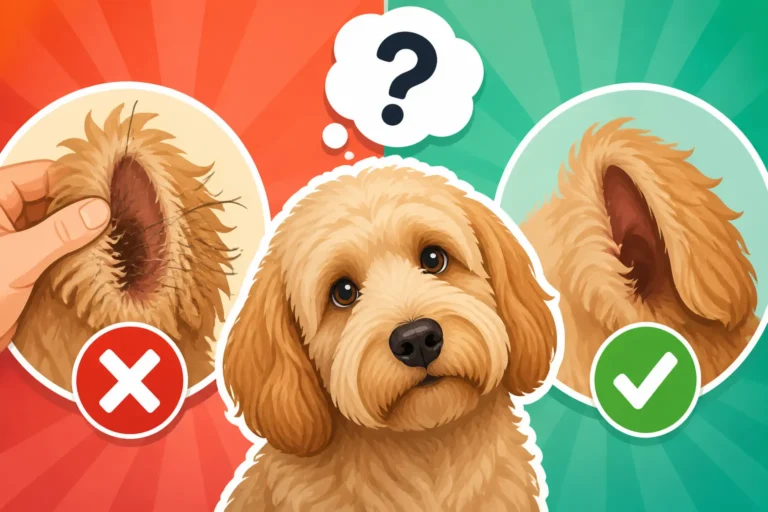
For tighter mats, especially those close to the skin, you might need a dematting tool or even a blunt-nosed scissor to carefully snip the mat into smaller sections, being extremely cautious not to cut the skin underneath. The skin can often be drawn up into a tight mat, making it very easy to accidentally nick your dog. If you're unsure or the mat is large and dense, it's always best to seek professional help from a groomer. They have the expertise to remove mats with minimal stress and pain to your dog. Trying to tackle severe matting yourself can lead to a traumatic experience for your dog, making future grooming much more difficult. Be especially diligent about checking common problem areas like Mats Behind a Labradoodle's Ears or in the armpits.
Preventing Mats Before They Start
Prevention is always better than cure when it comes to Labradoodle mats. The single most effective preventative measure is regular, thorough line brushing, as discussed earlier. Make it a daily habit during the coat change, even if it's just a quick 10-15 minute session. This consistent effort will keep the puppy coat from becoming inextricably woven with the adult coat.
Beyond brushing, consider a proactive grooming schedule with a professional groomer. Regular baths are also important, but only if you can thoroughly brush and then completely dry the coat afterwards. Washing a matted dog will only tighten the mats and make them worse. Use a good quality dog shampoo and conditioner. Pay close attention to areas where friction occurs: behind the ears, under the collar or harness, and in the armpits and groin. These spots should get extra attention during brushing. You might even consider a shorter haircut, like What a One Inch Clip Looks Like on a Labradoodle, which can significantly reduce the risk of matting during this phase. Don't forget to dry your Labradoodle thoroughly after any water exposure, whether it's a bath or a swim, as dampness encourages mat formation.
Post-Coat Change: What Your Adult Labradoodle's Coat Will Be Like
Once your Labradoodle has successfully navigated the coat change, you'll be left with their magnificent adult coat. While it won't have the fleeting softness of puppyhood, it will be the coat you'll manage for the majority of their lives. Understanding its characteristics and adjusting your grooming routine accordingly is key to long-term success.
The Adult Coat: Texture and Maintenance
After the coat change, your Labradoodle's adult coat will typically be denser, stronger, and may have a more pronounced curl or wave than their puppy coat. Depending on their genetics, it could be a soft, flowing fleece, a more tightly curled wool, or a straighter, hair-like texture. This adult coat is generally less prone to matting as easily as the transitional coat was, but it certainly isn't maintenance-free.
Fleece and wool coats, in particular, still require regular and thorough grooming to prevent tangles from forming. Even hair coats, which might shed more, can still develop mats if not brushed. The key is to understand the specific needs of your Labradoodle's adult coat. Some will need brushing every few days, while others might tolerate a weekly brush-out. Regardless, continue with line brushing as your primary technique. The goal is to keep the coat free of tangles and prevent undercoat from accumulating, which can lead to larger mats down the line.
Adjusting Your Grooming Routine for the Long Term
With the coat change behind you, you can settle into a more sustainable, long-term grooming routine. This will still involve regular brushing at home and professional grooming appointments, but the intensity might lessen compared to the nine-month struggle. Consider a professional groom every 6-8 weeks, depending on your dog's coat type and how quickly it grows. Discuss with your groomer the best length and style for your dog that suits both your lifestyle and their comfort.
Many owners opt for a consistent, shorter clip once their dog has reached adulthood, as this often makes home maintenance much easier. It's important to remember that Whether a Shaved Labradoodle Comes Back Woollier or Whether a Labradoodle's Coat Grows Back the Same are common concerns, but a good groomer can advise on clips that maintain coat health and appearance. Keep up with nail trims, ear cleaning, and checking for any skin irritations. Good nutrition also plays a role in coat health, so feeding a high-quality diet, perhaps like some options found on Ollie, can contribute to a shiny, healthy coat. Regular preventative care throughout your Labradoodle's life will ensure their coat remains beautiful and manageable, making them a joy to live with for years to come.
Disclaimer
This article is for general informational purposes only and does not constitute professional advice. Laws, prices and regulations vary by location and change over time. Consult a qualified professional for guidance on your specific situation.