Feeding a Labradoodle Through Its Growth
One of the biggest worries for new Labradoodle parents, myself included, is making sure our fluffy family members get the absolute best start in life. It's a journey filled with questions, from "How much should I be feeding?" to "When do I switch foods?" It’s easy to feel overwhelmed by all the choices and conflicting advice out there, especially when you’re staring at shelves full of different kibbles and reading countless articles online. This guide is here to cut through the noise, offering you a realistic, empathetic roadmap for feeding your Labradoodle through every stage of their incredible growth, ensuring they thrive from tiny pup to happy, healthy adult.
The Critical Foundation: Puppyhood Nutrition (8 weeks – 6 months)
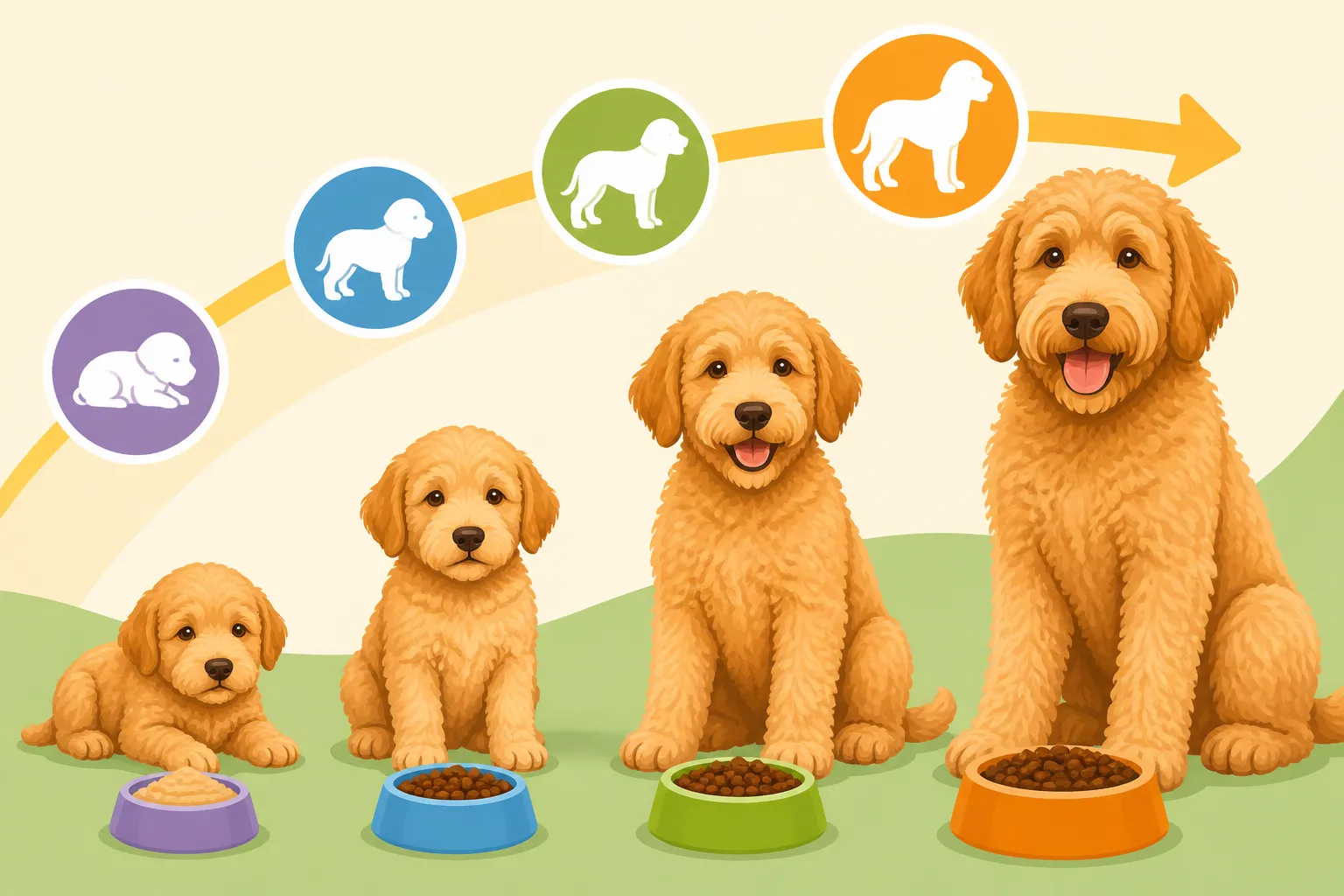
Bringing home a Labradoodle puppy is an absolute joy, but it also comes with a big responsibility: nurturing their rapid growth. Those first few months are incredibly important for bone and muscle development, and getting their nutrition right from the start can set them up for a lifetime of good health. It's not just about filling their bowl; it's about providing the specific building blocks they need to grow strong, not just big.
Starting Strong: The First Few Weeks at Home
When your precious Labradoodle puppy first waddles into your home, the most crucial thing you can do is stick to what their breeder has been feeding them. Seriously, don't rush to change things up, even if you have a different brand in mind. Your pup is already adjusting to a brand-new environment, new smells, new people, and likely, missing their littermates. Their little digestive system is delicate, and adding a sudden food change into the mix is a recipe for an upset stomach, diarrhea, and a whole lot of stress for both of you.
Your breeder should provide you with a small bag of the food they've been using, along with a detailed feeding schedule. This isn't just a courtesy; it's a vital handover. Stick to that schedule and that food for at least the first week, ideally two. If you do decide to switch foods, do it gradually, over a period of 7-10 days. Start by mixing 25% new food with 75% old food for a couple of days, then move to 50/50, then 75% new and 25% old, until you're fully on the new food. Watch for any changes in stool consistency or appetite. Slow and steady wins the race when it comes to puppy tummies. Remember, consistency is key in those early days, offering stability as they learn about their new world.
Puppies also need to eat frequently because their stomachs are small, and their energy demands are enormous. Think of them as tiny, furry athletes constantly building new muscles and bones. Most young puppies, especially those under 12 weeks, will need three to four small meals a day. This helps them digest their food properly, keeps their blood sugar stable, and prevents them from getting too hungry, which can lead to gulping food too fast – something we'll discuss more later as it relates to bloat risk.
Choosing the Right Large Breed Puppy Food
This is where things can get a little overwhelming, standing in the pet food aisle. For a Labradoodle, who often grows to a medium or standard size, opting for a high-quality "large breed puppy formula" is really important. Many new owners think all puppy food is the same, or that any puppy food will do, but that's not quite right for breeds like ours. Large and giant breed puppies have unique nutritional needs, primarily concerning their growth rate.
The concern with regular puppy food for larger breeds is that it can sometimes be too calorie-dense and have higher levels of calcium and phosphorus, which can promote too-rapid growth. While it might sound good to have a pup grow quickly, for large breeds, it can actually be detrimental to their developing joints and bones, potentially contributing to issues like hip or elbow dysplasia later in life. A large breed puppy formula is specifically designed to provide a balanced nutrient profile, promoting a slower, more controlled growth rate, which allows their bones and joints to mature properly and symmetrically.
When you're scrutinizing those labels, look for formulas that specifically state "large breed puppy" or "for healthy growth in large breed puppies." You'll want to see real meat as the first ingredient – things like chicken, lamb, or beef. Pay attention to the guaranteed analysis for protein, fat, calcium, and phosphorus. While I can't give you exact numbers, generally, large breed puppy foods will have slightly lower protein and fat content than regular puppy foods, and a carefully controlled calcium-to-phosphorus ratio. Don't be afraid to ask your vet for specific recommendations based on your pup's breed mix, individual growth, and any particular needs they might have.
Feeding Schedule and Portion Control for Young Pups
Establishing a consistent feeding schedule from day one is one of the best habits you can form, for both your sanity and your Labradoodle's well-being. Puppies thrive on routine, and knowing when their meals are coming helps with house training, digestion, and managing their energy levels. For young pups, three to four meals a day are ideal. This means dividing their total daily recommended amount of food into these smaller portions.
Always, always measure your dog's food. It's so easy to just eyeball it, especially when you have a cute, begging puppy, but those extra few kibbles can quickly add up, contributing to unwanted weight gain. Most reputable dog food brands will have a feeding guide on their packaging, usually based on your puppy's current weight and projected adult weight. Use this as a starting point, but remember it's just a guide. Every puppy is an individual, and their metabolism and activity levels will vary. How Much a Labradoodle Puppy Should Eat Daily can offer further insights.
Avoid free-feeding your Labradoodle puppy, meaning leaving food out all day. While it might seem convenient, it makes it difficult to monitor how much they're actually eating, can lead to picky eating habits, complicates house training, and can be a big contributor to obesity. Instead, put their bowl down for 15-20 minutes, and then pick it up, even if they haven't finished everything. They'll quickly learn that mealtime is a specific window. Regularly monitoring your puppy's body condition is also crucial. You should be able to feel their ribs easily without seeing them, and they should have a discernible waistline when viewed from above. If they're looking a bit too plump or too thin, it's time to adjust their portions, and certainly worth a chat with your vet.
Navigating Adolescence: The Growth Spurt Years (6 months – 18 months)
Just like human teenagers, adolescent Labradoodles can be a bundle of energy, hormones, and sometimes, a little forgetfulness. Their bodies are still developing rapidly, though perhaps not as dramatically as in their youngest months, and their nutritional needs continue to evolve. This phase is all about maintaining steady, healthy growth and supporting their boundless energy without overfeeding.
When to Transition from Puppy to Adult Food
Knowing exactly when to transition your Labradoodle from puppy food to adult food can feel like a guessing game. There isn't a hard and fast rule like "switch at exactly 12 months." Instead, it depends largely on your individual Labradoodle's size and breed type, as well as their growth rate. Smaller Labradoodles (miniatures) might be ready to switch around 9-12 months, while a standard Labradoodle might need puppy food until they are 15-18 months old, or even slightly longer for particularly slow-maturing lines. The key indicator isn't a calendar date, but rather the visible slowing of their growth.
You'll notice that those rapid growth spurts of early puppyhood start to level off. Your vet is your best resource here, as they can assess your pup's development during routine check-ups and advise you on the optimal timing. Switching too early can mean they miss out on crucial nutrients for bone development, while switching too late might contribute to excess weight gain and an unnecessarily high-calorie intake. When you do transition, use the same gradual method you did when you first brought them home: slowly mix increasing amounts of the new adult food with the puppy food over 7-10 days to prevent digestive upset. This gentle approach helps their system adjust smoothly to the different nutrient profile. You can find more specific guidance in Switching a Labradoodle From Puppy Food.
Selecting an Appropriate Adult Formula for Active Labradoodles
Once you're ready to make the switch, selecting the right adult formula is about supporting your Labradoodle's ongoing health and energy. Labradoodles, with their Poodle and Labrador heritage, are generally active, intelligent dogs that thrive on exercise and engagement. This means they typically do best on a high-quality adult dog food that provides sustained energy. Look for formulas with real meat (like chicken, lamb, beef, or fish) as the primary ingredient. Protein is crucial for maintaining lean muscle mass, which is especially important for active dogs.
Beyond protein, consider the fat content. Active dogs need healthy fats for energy, coat health, and nutrient absorption. Omega-3 and Omega-6 fatty acids are particularly beneficial for their skin and beautiful coats, helping to keep them soft and minimize itching. You'll find a wide variety of options available, from traditional kibble to fresh food options like those offered by Ollie, or even frozen raw diets. The "best" food isn't just one brand; it's the one that provides complete, balanced nutrition, agrees with your dog's digestive system, and supports their activity level. Be mindful of marketing hype and focus on the ingredient list and guaranteed analysis. Your vet can provide guidance on brands and types of food that would suit your specific Labradoodle's needs.
Adjusting Portions for Energy Levels and Growth Plateaus
The adolescent period often involves fluctuating energy levels. One day your Labradoodle might be tearing around the yard like a maniac, and the next they might be snoozing more than usual. Their growth also tends to happen in spurts and then plateaus. This means you'll need to be vigilant about adjusting their food portions to match their current energy expenditure and body condition. It's a common mistake to continue feeding the same amount even as their growth rate slows, leading to unwanted weight gain.
A highly active Labradoodle, perhaps one that goes to doggy daycare a few times a week or enjoys long hikes, will naturally burn more calories than a more sedate dog who prefers shorter walks and indoor play. If your dog is suddenly gaining weight, even subtly, it's a clear sign that their calorie intake exceeds their output. Conversely, if they're looking a bit too lean, you might need to slightly increase their food. Remember the "rib test" – you should be able to feel their ribs easily, but not see them. They should have a waist when viewed from above, and their belly should tuck up slightly when viewed from the side. Regular weigh-ins at the vet or at home can also help you track their progress. This mindful approach to feeding is key to Keeping a Labradoodle's Weight in Range and promoting long-term health.
Understanding Nutritional Needs: What's in the Bowl?
Demystifying the dog food label can feel like reading a foreign language, but understanding the basics of macronutrients and micronutrients will empower you to make truly informed choices for your Labradoodle. It’s not just about percentages, but also about the quality and digestibility of those ingredients. After all, a healthy gut means a happy Labradoodle!
Macronutrients: Protein, Fats, and Carbohydrates
These are the big three your Labradoodle needs in significant amounts to fuel their body, build muscle, and provide energy for all their goofy antics.
First up, protein. This is absolutely critical for muscle development, tissue repair, and a healthy immune system. For an active Labradoodle, high-quality animal protein sources are paramount. Think real meat like chicken, beef, lamb, turkey, or fish. When you're looking at food labels, you want to see a named meat source as one of the first few ingredients, not vague "meat meal" or excessive plant-based proteins without a primary animal source. A Labradoodle's athletic build, inherited from both the Poodle and Labrador sides, demands robust protein intake to maintain lean muscle mass and support their often high-energy lifestyles. The quality of the protein matters immensely – easily digestible protein means more nutrients absorbed and less waste.
Next, we have fats. Often misunderstood, fats are a concentrated source of energy, provide essential fatty acids for skin and coat health, and aid in the absorption of fat-soluble vitamins. Don't fall into the trap of thinking "low fat" is always best, especially for a growing or active dog. Healthy fats, such as those from chicken fat, salmon oil, or flaxseed, are vital. They contribute to that lovely soft coat that Labradoodles are famous for, and help keep their skin healthy and supple. Without adequate healthy fats, their coats can become dry, dull, and prone to flakiness.
Finally, carbohydrates. Carbs provide readily available energy and dietary fiber. Good sources include whole grains like brown rice, oats, barley, and sweet potatoes. While dogs don't have a strict dietary requirement for carbohydrates, they are an efficient energy source and provide fiber, which is important for digestive health. The key is balance and quality – highly processed, simple carbohydrates aren't as beneficial as complex carbs that provide sustained energy and support gut function. A good balance of these three macronutrients, derived from high-quality, digestible sources, is what you're aiming for to power your Labradoodle through their day.
Micronutrients: Vitamins, Minerals, and Supplements
While macronutrients provide the bulk of energy and building blocks, micronutrients – vitamins and minerals – are the unsung heroes working behind the scenes. They support everything from bone health and immune function to nerve transmission and metabolism. A high-quality, complete and balanced dog food, particularly one designed for a large breed puppy then an active adult, should already contain all the necessary vitamins and minerals in the correct ratios.
For instance, calcium and phosphorus are critical for bone development in growing puppies. However, as we discussed, too much, especially with rapid growth, can be detrimental to large breeds. This is why "large breed puppy formulas" are so important, as they precisely regulate these minerals. Other essential minerals include zinc for skin and immune health, iron for oxygen transport, and selenium for antioxidant function. Vitamins like Vitamin A are vital for vision and immune function, B vitamins for energy metabolism, and Vitamin E for its antioxidant properties.
The general rule of thumb is that if you're feeding a complete and balanced commercial diet, additional supplements are often unnecessary and can sometimes even be harmful if they disrupt the delicate balance of nutrients. However, there are exceptions. For example, some owners choose to add omega fatty acid supplements (like fish oil) for extra skin and coat support, or a joint supplement (like glucosamine and chondroitin) as their Labradoodle ages, especially given the breed's predisposition to joint issues. Before adding any supplement to your Labradoodle's diet, it is absolutely essential to consult with your veterinarian. They can assess your dog's individual needs, identify any deficiencies, and recommend appropriate, safe dosages, ensuring you're doing more good than harm.
Water: The Most Overlooked Nutrient
It might seem obvious, but clean, fresh water is perhaps the single most crucial, yet often overlooked, nutrient for your Labradoodle. Water is involved in every single bodily function, from regulating body temperature and lubricating joints to transporting nutrients and flushing out waste products. Without adequate hydration, even the most perfectly balanced diet won't do your dog much good.
Always ensure your Labradoodle has constant access to fresh, clean water. This means multiple water bowls around the house, especially if you have a multi-level home. If your Labradoodle is an outdoor enthusiast, make sure there's always a full water bowl outside, too, particularly on warm days or after playtime. Change the water frequently, ideally twice a day, and wash the bowls regularly to prevent bacterial growth. Just like you wouldn't want to drink from a dirty glass, your dog deserves a clean bowl.
You might notice your Labradoodle drinks more after exercise, on hot days, or if they've eaten dry kibble. This is all perfectly normal. However, sudden excessive thirst or a dramatic decrease in water intake can be a red flag for underlying health issues, and should prompt a call to your vet. For very active Labradoodles, or those prone to gulping, a slow-release water bowl or even adding a little water to their kibble can encourage steady hydration. Adequate water intake is critical for digestion, nutrient absorption, and maintaining overall systemic health, making it truly the foundation of a healthy diet.
Common Feeding Challenges and Solutions
Even with the best intentions, feeding a growing Labradoodle isn't always smooth sailing. You might encounter picky eaters, chow hounds who inhale their food, or the constant battle against the bulge. Recognizing these common challenges and having practical solutions ready can save you a lot of frustration and help keep your Labradoodle healthy and happy.
Dealing with Picky Eaters and Food Refusal
"My Labradoodle just won't eat their kibble!" is a complaint I hear often. It's frustrating when your dog turns their nose up at what you've carefully chosen for them, and it's easy to worry they're not getting enough nutrition. The first, and most important, step with a picky eater is always to rule out any underlying medical issues. A sudden loss of appetite or refusal to eat for more than 24 hours warrants an immediate call to your vet, as it could signal anything from dental pain to a serious internal issue.
Once health issues are ruled out, it’s often a behavioral pattern we accidentally reinforce. Continuously offering different foods, adding tempting toppers, or hand-feeding can inadvertently teach your Labradoodle that if they hold out long enough, something better will come along. To break this cycle, establish a routine: put the food down for 15-20 minutes, then pick it up, regardless of whether they've eaten. Don't offer anything else until the next mealtime. It might feel tough, but a healthy dog won't starve themselves.
Making the food more appealing can also help. Sometimes, simply adding a splash of warm water to dry kibble can release its aroma and make it more enticing. A dollop of plain yogurt, a little low-sodium chicken broth, or a tablespoon of canned pumpkin (make sure it's plain, not pie filling!) can sometimes do the trick. For some, switching to a fresh food diet, like those available through Ollie, can transform a picky eater into an enthusiastic diner, as the higher palatability is often a game changer. Consistency, patience, and avoiding inadvertently rewarding pickiness are your best tools here.
Managing Rapid Eaters and Bloat Risk
If you have a Labradoodle who inhales their food like it's their last meal, you're not alone. This rapid eating isn't just a messy habit; for deep-chested breeds like the Poodle and Labrador components of our Labradoodles, it can be a significant health risk, specifically for a life-threatening condition called bloat, or gastric dilatation-volvulus (GDV). When dogs eat too quickly, they swallow excessive air along with their food, which can contribute to the stomach twisting.
To combat rapid eating and mitigate bloat risk, several strategies can be employed. Firstly, slow feeder bowls are a fantastic invention. These bowls have various ridges or obstacles that force your dog to eat around them, significantly slowing down their ingestion of food and air. You can find many effective options on Amazon or Chewy. Secondly, breaking their daily food allowance into smaller, more frequent meals (e.g., three or four meals instead of two large ones) can reduce the amount of food in the stomach at any one time, lessening the risk.
It's also generally recommended to avoid strenuous exercise immediately before or after meals. Give your Labradoodle at least an hour of rest before and after eating. This allows their stomach to properly digest without being jostled around. If you have concerns about The Chest Shape That Puts a Labradoodle at Bloat Risk or want to explore preventive measures, discussing Whether a Labradoodle Should Have a Preventive Gastropexy with your veterinarian is a very important conversation to have. This surgical procedure can permanently tack the stomach to the abdominal wall, significantly reducing the risk of torsion.
Preventing Obesity in a Growing Labradoodle
Labradoodles have a lineage that includes the Labrador Retriever, a breed notorious for its love of food and its propensity to gain weight. This means your Labradoodle might inherit a strong drive to eat, often seeming perpetually hungry. This can make preventing obesity a real challenge, but it's crucial for their long-term health. Excess weight puts undue strain on their joints, contributes to heart disease, diabetes, and generally shortens their lifespan. The Weight a Labradoodle Puts On Without Anyone Noticing can sneak up on you, so vigilance is key.
The simplest way to prevent obesity is through careful portion control, as mentioned earlier. Always measure their food, and adjust it based on their activity level and body condition score, not just the bag's recommendations. Remember that treats count! Those little training rewards or "just one bite" from your plate can quickly add up to a significant portion of their daily calorie intake. Opt for low-calorie treats, break larger treats into smaller pieces, and consider using healthy vegetables like carrot sticks or green beans as occasional snacks.
Regular, appropriate exercise is the other half of the equation. Labradoodles need consistent physical activity to burn off calories and maintain muscle mass. This isn't just about weight; it's about their mental and physical well-being. A bored, under-exercised Labradoodle is often a destructive one. Consistent veterinary check-ups are also vital, as your vet can help you monitor their weight, assess their body condition, and provide personalized advice on diet and exercise. Being proactive about preventing obesity from puppyhood through adulthood is one of the greatest gifts you can give your Labradoodle.
Treats, Snacks, and "People Food" Considerations
It's hard to resist those puppy dog eyes, especially when your Labradoodle is begging for a bite of your dinner or a special treat. Treats and occasional human food can be a wonderful way to bond with your dog and aid in training, but it’s vital to know what’s safe, what’s not, and how to incorporate them wisely into their diet without derailing their nutrition.
Choosing Healthy Training Treats
Training a Labradoodle, especially during their energetic adolescence, often relies heavily on positive reinforcement and treats. However, not all treats are created equal. The goal is to choose healthy, low-calorie options that are highly palatable to your dog, yet won't contribute to excessive weight gain or upset their stomach. Tiny, soft treats are often the most effective for training, as they can be consumed quickly, keeping your dog's attention on the task at hand rather than extended chewing.
Look for treats with simple, wholesome ingredients. Many brands offer small, bite-sized training treats that are perfect. You can also make your own simple treats from boiled chicken breast, baked sweet potato, or even small pieces of cheese (in moderation, if your dog tolerates dairy). Remember to factor these treats into your Labradoodle's daily calorie allowance. If you're doing an intensive training session, you might need to slightly reduce their main meal portions for that day.
When browsing options on Chewy or even at your local pet store, pay attention to the calorie count if it's provided. Some larger treats can pack a surprising caloric punch. For example, a single medium-sized dental chew could be equivalent to a significant portion of their daily kibble. Always choose treats appropriate for your Labradoodle's size and age. And while it’s tempting to grab the biggest bag, sometimes buying smaller amounts from different brands helps you find what your Labradoodle loves most without committing to a huge bag they might ignore.
Safe and Unsafe "People Foods"
Sharing your food with your Labradoodle can feel like a loving gesture, but it's critical to know which "people foods" are safe and which are dangerous. There's a long list of human foods that are perfectly fine, even beneficial, in moderation, and an equally important list of foods that are toxic or harmful.
Safe options, given in small, plain, cooked (if applicable) portions, include:
- Lean meats: Cooked chicken, turkey, beef (without bones, skin, or excessive fat/seasoning).
- Certain fruits: Apple slices (no seeds, which contain cyanide), blueberries, bananas (in moderation due to sugar content).
- Many vegetables: Carrots (great for dental health!), green beans, broccoli florets (in small amounts), sweet potatoes (plain, cooked).
- Plain yogurt: Small amounts of plain, unsweetened yogurt can be a good source of probiotics.
- Cooked eggs: Plain scrambled or boiled.
However, the list of unsafe foods is equally, if not more, important to memorize. These include:
- Chocolate: Highly toxic due to theobromine.
- Grapes and Raisins: Can cause kidney failure.
- Onions, Garlic, Chives, Leeks: Can cause red blood cell damage.
- Avocado: Contains persin, which can be toxic to dogs in large amounts.
- Xylitol: An artificial sweetener found in many sugar-free products (gum, candies, peanut butter) that is extremely toxic and can cause rapid blood sugar drop and liver failure.
- Alcohol: Highly toxic.
- Coffee/Caffeine: Contains methylxanthines, similar to chocolate.
- Macadamia Nuts: Can cause weakness, vomiting, tremors.
- Cooked Bones: Can splinter and cause internal damage.
- Fatty Foods: Can lead to pancreatitis.
When in doubt, don't share. Keep human food strictly separated from your dog's diet unless you are absolutely certain it is safe. A quick online search or a call to your vet can confirm safety if you're ever unsure.
Dental Chews and Recreational Bones
Dental hygiene is an often-neglected aspect of dog care, but it's paramount for overall health. Dental chews and recreational bones can play a role, but they come with caveats. Dental chews are designed to help scrape plaque and tartar off teeth as your dog chews them. There are many reputable brands on the market, some of which are approved by the Veterinary Oral Health Council (VOHC) for proven efficacy. When choosing a dental chew, make sure it's appropriately sized for your Labradoodle and that it's digestible and won't splinter. Supervise your dog, especially with new types of chews, to ensure they don't try to swallow large pieces.
Recreational bones are a more complex topic. Many owners like to give their dogs raw recreational bones (like beef marrow bones) for chewing satisfaction and dental benefits. However, there are significant risks involved. Cooked bones are an absolute no-go; they can splinter, causing perforations in the digestive tract or blockages. Raw bones also carry risks, including bacterial contamination (salmonella), choking hazards, broken teeth (especially with weight-bearing bones), and gastrointestinal upset.
If you choose to give raw bones, always supervise your Labradoodle closely and choose large, knuckle-type bones that are unlikely to be fully consumed or splinter. Consult your vet before introducing any type of recreational bone to discuss the safest options and practices for your individual dog. Sometimes, a high-quality, durable chew toy (like a Kong filled with peanut butter) can offer similar mental and physical stimulation without the associated risks of bones. The goal is to provide safe chewing opportunities that promote dental health and satisfy your Labradoodle's natural urge to chew, without causing harm.
Tailoring Nutrition to Individual Needs
Every Labradoodle is unique, and what works perfectly for one might not be ideal for another. Factors like activity level, presence of allergies, or specific health conditions mean that tailoring their nutrition is often necessary to ensure they receive optimal care. This personalized approach is where you truly become an expert in your own dog.
Activity Levels and Energy Requirements
A Labradoodle's energy requirements can vary dramatically. You might have a Labradoodle who spends their days in a bustling household, going on long runs or attending agility classes, or one who enjoys a more leisurely life with shorter walks and plenty of cuddles on the couch. Their food intake needs to reflect their output. It's a fundamental principle: calories in must roughly equal calories out to maintain a healthy weight.
A highly active Labradoodle, engaged in dog sports, working as a service animal, or simply enjoying vigorous daily exercise, will naturally burn a lot more calories. They'll need a diet that is more calorie-dense and perhaps higher in protein and healthy fats to support their sustained energy and muscle recovery. On the other hand, a Labradoodle who is less active, perhaps due to age or a more sedentary lifestyle, will require fewer calories to prevent unwanted weight gain. If their food isn't adjusted, that extra energy will simply be stored as fat, contributing to health issues.
It's a delicate balance that requires ongoing observation. Regularly assess your Labradoodle's body condition – feel their ribs, check for a waist. If you notice them gaining weight, try slightly reducing their food portion. If they seem to be losing weight or lacking energy, a slight increase might be warranted. Also, consider the type of exercise they get. A brisk 30-minute walk is different from an hour of off-leash running and playing at the dog park. Discuss your Labradoodle's specific activity level with your veterinarian, who can help you fine-tune their diet and ensure they're getting the appropriate amount of energy from their food.
Addressing Food Allergies and Sensitivities
Despite their generally robust health, Labradoodles can sometimes develop food allergies or sensitivities, which can be frustrating and uncomfortable for them (and for you!). These can manifest in various ways, from persistent itching, skin rashes, and ear infections to gastrointestinal issues like vomiting, diarrhea, or excessive gas. If your Labradoodle is experiencing these symptoms, especially if they are chronic, food might be a culprit. More information can be found in Allergies Behind a Labradoodle's Itching.
Distinguishing a true food allergy (an immune response) from a food sensitivity (digestive intolerance) can be challenging, and it's something your veterinarian is best equipped to diagnose. The most common way to identify a food allergy is through an elimination diet. This involves feeding a novel protein and carbohydrate source (ingredients your dog has never eaten before) for a strict period of 8-12 weeks, with no other treats, table scraps, or flavored medications. During this time, if the symptoms resolve, ingredients from their previous diet are gradually reintroduced to pinpoint the allergen. Common allergens often include chicken, beef, dairy, wheat, and soy.
Once an allergen is identified, avoiding it completely is key. Many commercial dog food brands offer "limited ingredient diets" (LIDs) or "hypoallergenic" formulas that use novel proteins (like duck, venison, or kangaroo) and alternative carbohydrates (like sweet potato). Some even offer hydrolyzed protein diets, where proteins are broken down into such small components that the immune system doesn't recognize them as allergens. This process can be long and require patience, but finding the right diet can significantly improve your Labradoodle's quality of life, alleviating their discomfort and bringing back their zest for life.
Veterinary Guidance and Regular Check-ups
Think of your veterinarian as your co-pilot on your Labradoodle's health and nutrition journey. While you, as the owner, are in the driver's seat of their daily care, your vet provides essential professional guidance, especially during crucial growth stages and when health concerns arise. Regular check-ups are not just for vaccinations; they are vital opportunities to discuss your Labradoodle's diet, weight, and overall health with a professional.
During these visits, your vet will perform a thorough physical examination, including assessing your Labradoodle's body condition score. This objective measure helps determine if they are at an ideal weight, overweight, or underweight, and allows for proactive adjustments to their diet. They can also offer tailored advice on everything from choosing the best large breed puppy food to knowing when it's appropriate to transition to an adult formula. Don't hesitate to bring any questions or concerns you have about your Labradoodle's eating habits, stool quality, or energy levels to these appointments.
Moreover, if your Labradoodle develops any health issues, such as suspected allergies, digestive problems, or joint concerns, your vet is the first and most important resource. They can recommend specific therapeutic diets, conduct diagnostic tests, and formulate a comprehensive treatment plan that includes dietary modifications. Relying on reliable veterinary advice ensures that your Labradoodle's nutritional plan is not just based on general guidelines, but is finely tuned to their unique physiological needs, supporting their well-being at every stage of their vibrant life.
Transitioning to Senior Diet (around 7-8 years)
The journey with your Labradoodle truly flies by, and before you know it, that energetic adolescent will be entering their golden years. Just like humans, senior dogs have different nutritional requirements than their younger counterparts. Recognizing the subtle signs of aging and adjusting their diet accordingly is one of the kindest things you can do to support their comfort and health in their later life.
Recognizing the Signs of Aging
It's heartbreaking to realize your once-bouncy Labradoodle is starting to slow down, but acknowledging these changes is the first step in providing them with appropriate senior care. The transition to senior status isn't an overnight event; it’s a gradual process, usually starting around 7-8 years for a standard Labradoodle. For more on this, you can look at The Birthday a Labradoodle Counts as Senior. Smaller Labradoodles might show signs of aging a bit later, while larger ones might begin a little earlier.
One of the most common signs you'll notice is a decrease in overall activity level. Those long walks might become shorter and slower, and they might spend more time napping. Joint stiffness or a bit of limping, especially after rest, can also become apparent. You might also observe changes in their coat, perhaps becoming coarser or thinner, or a dulling of their eyes. Their metabolism also tends to slow down, making them more prone to weight gain even if their food intake hasn't changed. They might have a bit less zest for life, not quite as enthusiastic about playtime as they once were.
Subtle behavioral shifts can also occur, such as increased confusion, changes in sleep patterns, or a tendency to be less tolerant of new situations. While these aren't directly related to nutrition, they indicate an aging body and mind that needs different support. Keeping a close eye on these changes, even the small ones, allows you to proactively adjust their care, including their diet, to maximize their comfort and well-being as they gracefully age.
Adjusting for an Aging Metabolism and Joint Health
As your Labradoodle transitions into their senior years, their body undergoes several physiological changes that directly impact their nutritional needs. Their metabolism slows down, meaning they don't burn calories as efficiently as they once did. If their food portions aren't adjusted, even a dog with a moderate appetite can quickly become overweight, exacerbating joint issues and increasing the risk of other health problems. Therefore, senior dog foods are typically formulated to be lower in calories and fat, while still providing all the essential nutrients.
Joint health becomes a paramount concern for an aging Labradoodle, given the predisposition to conditions like arthritis, particularly with their Labrador and Poodle ancestry. Many senior dog foods incorporate ingredients aimed at supporting joint health, such as glucosamine and chondroitin. These natural compounds can help maintain cartilage health and reduce inflammation, offering some relief from stiffness and discomfort. Some formulas also contain omega-3 fatty acids, which have anti-inflammatory properties that further benefit aching joints and maintain a healthy, moisturized skin and coat.
Digestibility is another key factor. As dogs age, their digestive systems can become less efficient at absorbing nutrients. Senior diets are often formulated with highly digestible proteins and fibers to ensure they get the maximum nutritional benefit from their food. This also helps reduce gastrointestinal upset. Your veterinarian can help you choose a senior diet that's appropriate for your Labradoodle's specific health profile, whether they need extra joint support, weight management, or a formula for sensitive digestion. This thoughtful adjustment to their diet is crucial for Feeding a Labradoodle Past Ten and ensuring their comfort.
Maintaining Hydration and Dental Health in Older Dogs
Even in their senior years, hydration remains absolutely vital for your Labradoodle, perhaps even more so. Older dogs can be more susceptible to dehydration for various reasons, including reduced thirst sensation, medication side effects, or underlying kidney issues. Ensuring they have constant access to fresh, clean water is non-negotiable. You might even consider adding a little water or low-sodium broth to their kibble to increase their fluid intake, especially if they are reluctant drinkers or have kidney concerns. Water fountains can also entice some older dogs to drink more, as the moving water is often more appealing.
Dental health is another critical area that often requires increased attention as dogs age. Years of plaque and tartar buildup can lead to periodontal disease, causing pain, infection, and even affecting their overall health as bacteria can travel from the mouth to other organs. Regular professional dental cleanings are important throughout a dog's life, but especially in senior years. Between cleanings, continue with at-home dental care as much as your Labradoodle tolerates, whether that's daily tooth brushing with dog-specific toothpaste, or using dental rinses and VOHC-approved dental chews designed for seniors. If your senior Labradoodle is experiencing significant dental pain, they might be reluctant to eat dry kibble. In such cases, switching to a softer, moistened food, or a canned senior diet, can make mealtime more comfortable and ensure they maintain their appetite and nutrient intake. Discuss any dental concerns or difficulties with eating with your vet promptly.
Conclusion
Guiding your Labradoodle through its growth with optimal nutrition is one of the greatest acts of love and responsibility you can offer. From the careful choices of large breed puppy food to the thoughtful transition to an adult diet and finally, the specialized care of their senior years, every meal plays a role in their health, happiness, and longevity. Remember, you're not just feeding a dog; you're nurturing a vibrant, loyal family member whose well-being depends on your informed decisions. Don't hesitate to lean on your veterinarian for personalized advice, as their expertise is invaluable in navigating the unique dietary needs of your beloved Labradoodle.
Disclaimer
This article is for general informational purposes only and does not constitute professional advice. Laws, prices and regulations vary by location and change over time. Consult a qualified professional for guidance on your specific situation.