Whether a Labradoodle Behaves Better for a Stranger
It’s a tale as old as time for many a dog parent: you’re at your wit's end trying to get your beloved Labradoodle to walk politely on the leash, but the moment your friend or a professional handler takes the lead, they’re practically prancing like royalty. This common frustration leaves many of us wondering why our furry family members seem to save their less-than-stellar manners for us, their primary caregivers. This guide will explore the fascinating dynamics behind why your Labradoodle might behave differently for a stranger, offering insights and practical strategies to foster consistent good behavior, no matter who's holding the leash.
Understanding Why Dogs Act Differently for Different People
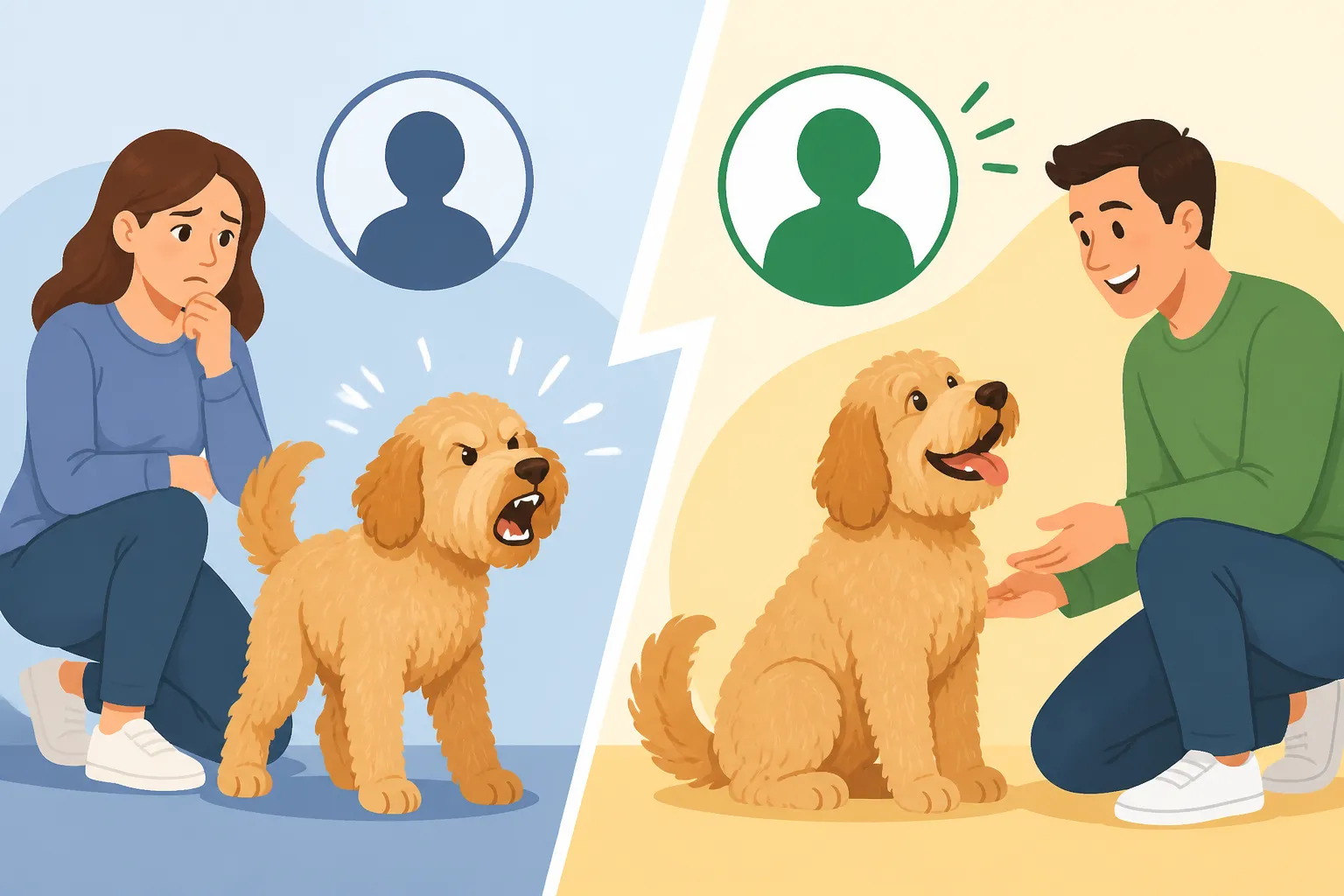
It can feel a bit insulting, can't it? You pour your heart and soul into training, feeding, and loving your Labradoodle, only for them to display perfect angelic behavior with someone they've just met, or perhaps a professional groomer or trainer. Meanwhile, at home, they might be testing every boundary you've ever set. Rest assured, you're not alone in this experience, and there are very good reasons for this canine Jekyll and Hyde routine.
The 'Owner Effect' – Familiarity Breeds (Sometimes) Misbehavior
Think about it: who do children typically push boundaries with the most? Their parents. It's often the same for dogs and their primary caregivers. Your Labradoodle feels safe, secure, and deeply loved with you, and that comfort can sometimes translate into a relaxed approach to rules. They know you'll still love them even if they pull a little on the leash, or ignore a "come" command in the park, because you always have before. This isn't a sign of disrespect, but rather a testament to the strong bond you share. They feel confident enough in your relationship to sometimes challenge the established order, much like a teenager might with their family.
This phenomenon is often seen in day-to-day interactions. You might be the one consistently struggling with leash pulling, whereas a new walker finds your Labradoodle strolling calmly by their side. Or perhaps your dog acts like they've never heard the word "sit" when you ask, only to immediately plop down for a friend offering a treat. It’s not that they don't know the command; it’s that with you, there might be a subtle inconsistency in enforcement or a long history of sometimes letting things slide. We all do it! Our dogs are incredibly adept at picking up on these nuanced differences in our body language, tone, and overall consistency compared to someone new.
The 'Stranger Charm' – The Novelty and Neutrality Factor
On the flip side, strangers often benefit from what we might call the "stranger charm." When a new person interacts with your Labradoodle, there's a fresh dynamic at play. For one, a stranger often doesn't carry the baggage of past inconsistencies. They don't know that Fido usually jumps up when excited, or that he sometimes barks incessantly for attention. They approach the interaction with a clean slate and often with very clear, albeit unconscious, expectations of polite behavior. This can be hugely beneficial.
Furthermore, a stranger or professional handler will often employ a more neutral, confident, and consistent approach from the outset. They might have a firmer grip on the leash, a clearer command tone, or simply a different energy that your Labradoodle picks up on immediately. Dogs are highly sensitive to energy and leadership. If a stranger exudes calm confidence and maintains clear boundaries, a Labradoodle, being an intelligent and generally eager-to-please breed, will often respond positively. The novelty of a new person can also make your Labradoodle more attentive, as they try to figure out the new rules and potential rewards. They are, after all, very smart cookies and quick to adapt to what works in a new situation.
Communication Styles and Expectations
Another significant factor is the subtle, and not so subtle, differences in communication styles and expectations. Every person interacts with a dog slightly differently. You might use a gentle voice, whereas a trainer might use a crisp, clear command. Your family might accidentally reinforce unwanted behaviors – like reaching down to pet your Labradoodle when they jump up – while a stranger would immediately turn away. Dogs are masters of association and will quickly learn who they can get away with what.
Consider a scenario where you're trying to teach your Labradoodle to Teaching a Labradoodle to Greet With Four Feet Down. If one family member consistently allows jumping while another tries to enforce the "four on the floor" rule, your dog will naturally become confused and may default to jumping, especially with the more permissive person. A stranger, however, without this history of mixed signals, might present a united front of "no jumping," leading to a faster, more compliant response. It’s all about what the dog has learned to expect from each individual, based on their unique communication patterns and willingness to consistently enforce boundaries.
Common Scenarios: When Your Labradoodle Puts on a Show (or Doesn't)
It's amazing how our Labradoodles can transform their behavior depending on who they're interacting with. These scenarios highlight just how adaptable and perceptive our dogs are, often for better or for worse!
The "Perfect Angel at Daycare/Groomer" Phenomenon
Ah, the classic phone call from the doggie daycare or groomer: "Your Labradoodle was an absolute angel today! So well-behaved, sat patiently, loved getting brushed!" Meanwhile, you just spent twenty minutes wrestling them into the car and trying to get them to stand still for five seconds at home. This isn't a personal affront; it's often a testament to the structured environment and consistent handling professionals provide.
At a reputable doggie daycare or grooming salon, like those you might find advertised on local online community boards, the staff are trained in canine behavior and communication. They don't have an emotional history with your dog in the same way you do. They implement clear, consistent rules and consequences, often using positive reinforcement techniques without any unintentional "give" or hesitation. They also have a very specific job to do, whether it's managing a playgroup or giving a perfect The Teddy Bear Clip on a Labradoodle. Your Labradoodle quickly learns that these individuals mean business, that rules are non-negotiable, and that cooperation leads to positive outcomes (like treats, playtime, or getting done with the bath faster). They learn that professionals expect them to Teaching a Labradoodle to Lie Still for a Ninety Minute Groom, and they comply because the communication is clear and predictable.
The "Guest Whisperer" Who Gets Instant Obedience
We all know that person – the "dog whisperer" friend or relative who walks into your home, and suddenly your boisterous Labradoodle is sitting calmly at their feet, offering a paw, or retrieving their dropped keys without being asked. It's truly baffling when your dog usually greets visitors by jumping up or ignoring your commands completely.
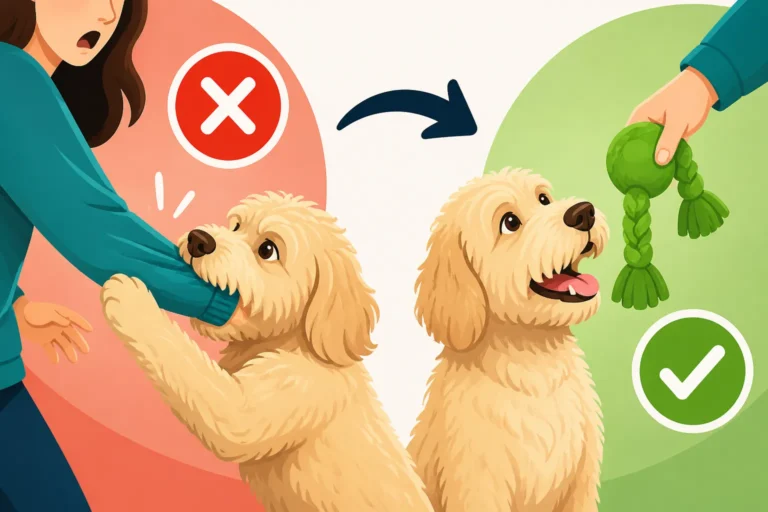
Often, these "guest whisperers" are unintentionally employing excellent dog training techniques. They might have a naturally calm and confident demeanor that dogs respond to. They might not make a big fuss over your dog's initial exuberant greeting, thus not reinforcing the jumping behavior. Instead, they might wait for a moment of calm before offering attention, effectively teaching your Labradoodle that polite greetings get rewarded. Sometimes, it's the novelty. A new person can be more interesting and less predictable than their human family members, prompting the dog to pay closer attention. They might also instinctively use clearer body language or voice tones that resonate better with your Labradoodle. For instance, if your Labradoodle tends to jump on every visitor, that one friend who crosses their arms and turns their back might be inadvertently teaching a valuable lesson faster than you've been able to with verbal cues.
When the Tables Turn: Aggression or Fear Towards Strangers
While many Labradoodles are known for their friendly, outgoing nature, it's crucial to remember that not all dogs will behave "better" for a stranger. Some Labradoodles, for various reasons, might display fear, anxiety, or even aggression towards unfamiliar people. This can be incredibly distressing for owners, especially given the breed's reputation for being social.
If your Labradoodle growls, lunges, snaps, or hides from strangers, this is a serious behavioral concern that needs immediate attention. It could stem from a lack of proper socialization during critical puppyhood stages, a traumatic experience, genetic predispositions, or underlying anxiety. For example, a Labradoodle who hasn't been exposed positively to a wide variety of people, sounds, and environments might become overwhelmed or fearful when confronted with a new person. Similarly, if your dog tries to guard stolen laundry from you, they might extend similar guarding behaviors to strangers entering their perceived territory or interacting with their resources. This isn't about being "better" or "worse" for a stranger; it's about a dog feeling genuinely threatened or uncomfortable and reacting out of fear or an instinct to protect. In such cases, the "stranger charm" completely breaks down, and professional intervention is usually necessary to help your Labradoodle build confidence and learn appropriate coping mechanisms.
Bridging the Behavior Gap: Strategies for Consistency
It can feel frustrating when your Labradoodle acts like a perfect gentleman or lady for everyone else but tests your patience at home. The good news is that you can absolutely bridge this behavior gap and achieve consistent, positive interactions with your dog. It boils down to communication, consistency, and a little bit of strategic planning.
Establishing Clear Leadership and Consistent Rules
The absolute cornerstone of consistent behavior, regardless of who is handling your Labradoodle, is having clear, unambiguous rules that everyone in the household follows. Dogs thrive on predictability. If one person allows your Labradoodle on the couch, but another scolds them for it, your dog will be confused and will likely continue to test the boundaries. Gather your family and agree on a core set of rules: where the dog can and cannot go, what commands mean what, and how to respond to common behaviors like jumping, barking, or pulling on the leash.
This consistency extends to your training methods. Use the same verbal cues, hand signals, and reward system. If you're teaching your Labradoodle to stop Teaching a Sixty Pound Labradoodle Not to Pull, everyone needs to use the same technique (e.g., stopping when they pull, then restarting when the leash slackens). The BAXTER & Bella online puppy school program, for instance, is built around this principle, offering structured lessons that can be shared and implemented by the whole family, ensuring everyone is on the same page from day one. When your Labradoodle knows exactly what's expected of them from all humans, their behavior will naturally become more consistent.
Transferring Training to Other Handlers
Once you've established solid training with your Labradoodle, the next step is to generalize that training so they respond just as well to others. This is where active practice comes in. Enlist the help of friends, family, or even a trusted dog walker. Start in a low-distraction environment, like your living room. Have your helper give your Labradoodle familiar commands – "sit," "stay," "come."
Initially, you might stand close by and offer praise or treats (which you can find a wide variety of on Amazon) when your Labradoodle responds correctly to the other person. Gradually, increase the distance and the level of distraction. For instance, practice having your friend walk your Labradoodle on a leash down the street, rewarding polite walking. Or, have a family member practice your recall cues in the yard. This teaches your Labradoodle that commands are universal and not just "owner-specific." If your dog struggles with being left alone, practicing short, positive separations with different family members can also help prevent issues like a Labradoodle that barks when left or a Labradoodle that destroys when left alone when you eventually leave them with someone else.
Managing Expectations and Environment
Part of being a realistic dog owner is understanding that every dog has good days and bad days, just like people. And sometimes, even with the best training, certain situations or individuals might trigger different behaviors. It's important to manage your expectations and the environment accordingly.
If you know your Labradoodle gets overly excited and prone to jumping when new guests arrive, you might choose to put them on a leash initially or even crate them with a special chew toy until the initial excitement settles. If a particular friend has a very calm energy that your Labradoodle responds well to, leverage that! Ask them to help reinforce polite greetings or practice some basic obedience during their visit. Conversely, if you have a visitor who tends to over-stimulate your dog or is inconsistent with rules, you might need to step in more actively to guide the interaction. Using tools like long lines (available on Amazon) for practicing recall in open spaces, even with different handlers, can also provide a safe way to reinforce good habits while giving others a chance to interact. By proactively managing the situation, you set your Labradoodle up for success and prevent unwanted behaviors from even starting.
When Professional Help is Needed
While it's common for Labradoodles to exhibit slightly different behaviors with different people, there are times when these differences signal something more significant. Knowing when to seek professional guidance can make all the difference for your dog's well-being and your peace of mind.
Identifying When it's More Than Just "Acting Up"
It’s one thing if your Labradoodle playfully ignores your "stay" command when a squirrel runs by but immediately listens to the dog walker. It's quite another if their behavior around strangers, or even familiar visitors, consistently veers into concerning territory. Signs that it might be more than just "acting up" include:
- Consistent aggression: Growling, snapping, lunging, biting (or attempting to bite) towards strangers or even family members they don't interact with as much.
- Extreme fear or shyness: Trembling, cowering, attempts to flee, or excessive urinating when approached by unfamiliar people.
- Resource guarding: Aggressively protecting food, toys, sleeping spots, or even their people from others. For example, if your Labradoodle shows strong signs of a Labradoodle that guards its stolen laundry not just from you but from anyone who approaches.
- Separation anxiety: Destructive behaviors, incessant barking, or inappropriate elimination when left alone, particularly if these behaviors are much worse when you're away than when other family members are. A Labradoodle that barks when left or a Labradoodle that destroys when left alone are clear indicators.
- Sudden, uncharacteristic changes in behavior: If your previously friendly Labradoodle suddenly becomes wary of strangers, it could indicate pain, illness, or a new anxiety.
If you observe any of these patterns, it's crucial not to dismiss them as mere naughtiness. These can be indicators of deeper emotional or physical issues that your Labradoodle needs help addressing.
Seeking a Qualified Dog Trainer or Behaviorist
If you're seeing persistent, concerning behaviors, or if you simply feel overwhelmed by your Labradoodle's inconsistencies, it's time to call in the cavalry. A qualified dog trainer or, for more severe issues, a certified veterinary behaviorist, can provide invaluable expertise. These professionals have the knowledge and experience to assess your dog's individual temperament, identify the root cause of the behavior, and develop a tailored training plan.
When looking for a professional, seek out those who use positive reinforcement methods and have a solid understanding of canine learning theory. They should be able to explain their methods clearly and involve you in the process. They can observe your Labradoodle's interactions with you and with others, pinpointing exactly where the communication breaks down or what triggers certain responses. For instance, they might quickly see that your dog responds better to a different tone of voice or that a specific type of treat motivates them more effectively. They can also teach you and your family new techniques to establish clearer boundaries and rebuild trust. For some, even online resources like the BAXTER & Bella program can offer a foundational understanding of positive training that can then be supplemented by in-person professional help if needed. Consulting a professional can save you a lot of heartache and can significantly improve your Labradoodle's quality of life, transforming those frustrating moments into opportunities for growth and deeper bonding. Sometimes, asking Whether a Labradoodle Needs a Trainer or a Class is less about a failure on your part and more about giving your amazing dog the best chance to be their best self.
| Behavior Type | Common with Owner | Common with Stranger/Professional | Underlying Reason(s) |
|---|---|---|---|
| Leash Pulling | Frequent, inconsistent corrections. | Less frequent, clearer corrections, consistent pace. | Comfort with owner, inconsistent boundaries, varied expectations. |
| Ignoring Commands | "Selective hearing," slow response. | Quicker, more enthusiastic response. | Testing boundaries, perceived inconsistency from owner, novelty of new person's commands. |
| Jumping on People | Jumps on owner and some guests, met with mixed reactions. | Less likely to jump, especially on confident, neutral strangers. | Excitement, seeking attention, inconsistent reinforcement (even unintentional) from owners. |
| Grooming Compliance | Fidgety, resistant, snaps at brush. | Stands still, tolerates handling well. | Lack of consistent positive conditioning at home, professional environment's clear expectations. |
| Resource Guarding | May guard items/space from owner, especially if challenged. | May be less likely to guard from strangers or more overtly aggressive. | Insecurity, lack of trust, perceived threat to resources. |
Disclaimer
This article is for general informational purposes only and does not constitute professional advice. Laws, prices and regulations vary by location and change over time. Consult a qualified professional for guidance on your specific situation.