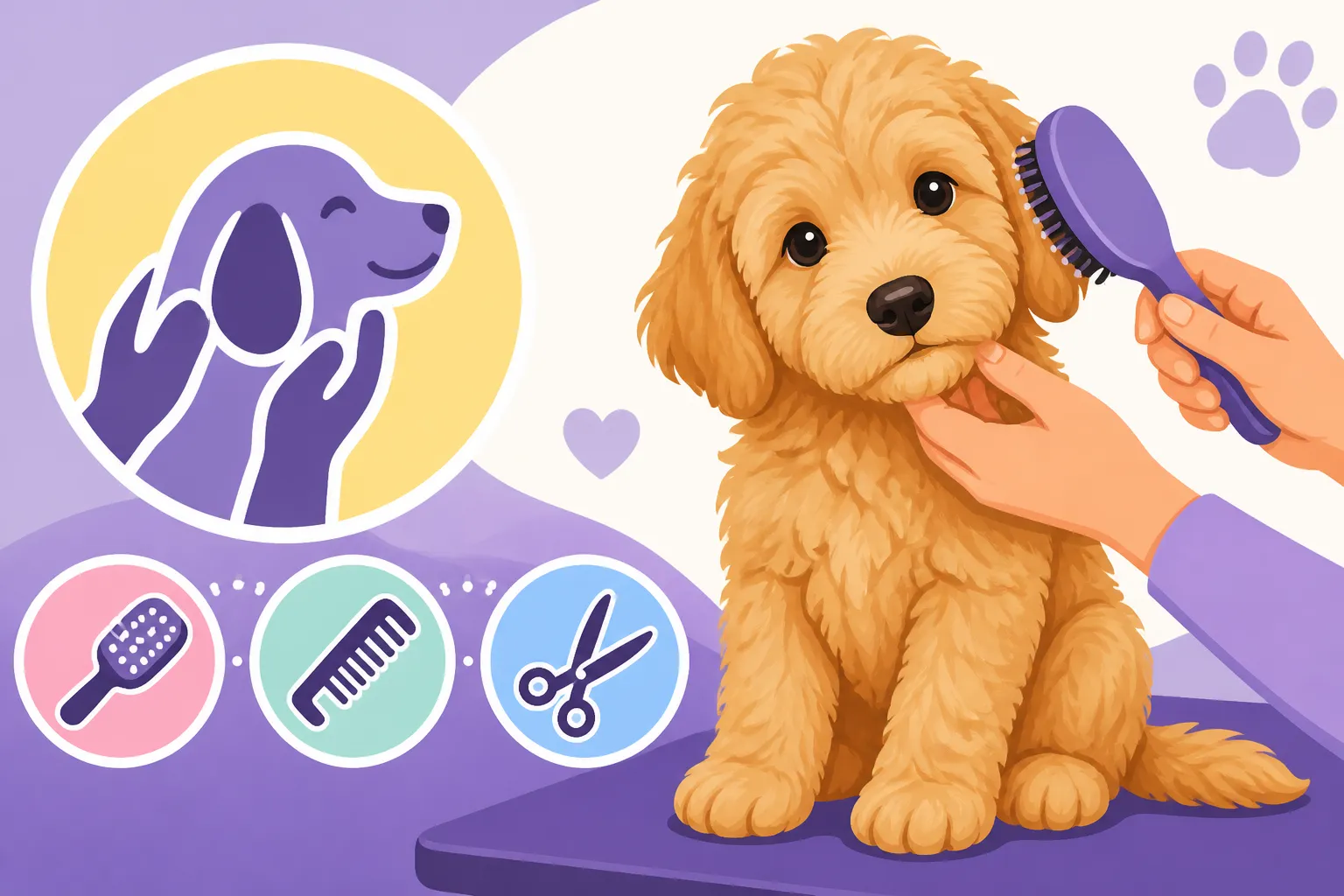
Starting Grooming Handling on a Labradoodle Puppy
One of the biggest surprises for new Labradoodle parents is often the sheer amount of grooming commitment these wonderful dogs require. Those adorable fluffy coats, while part of their charm, can quickly become a matted nightmare if not properly managed from a young age. This guide is here to walk you through exactly how to introduce grooming handling to your Labradoodle puppy in a positive, gentle way, turning what could be a dreaded chore into a bonding experience for both of you.
Why Early Grooming Handling Is Non-Negotiable for a Labradoodle
Bringing home a Labradoodle puppy is an absolute joy, but it also comes with a significant responsibility, especially concerning their unique coat. Many first-time owners are quickly overwhelmed when they realize that grooming isn't just about keeping them looking pretty; it's a critical part of their health and well-being. Getting your puppy accustomed to handling and tools from day one is not just a good idea, it's absolutely essential.
The Labradoodle Coat's Unique Demands
Unlike many breeds with straightforward double coats that shed seasonally or short, easy-care hair, the Labradoodle's coat is in a league of its own. It's often touted as "low-shedding" or "hypoallergenic," which, while often true, means that instead of shedding out, the dead hair gets trapped in the coat. If this trapped hair isn't regularly brushed out, it quickly forms mats and tangles that can become incredibly painful for your dog.
Whether your Labradoodle has a soft, wavy fleece coat or a denser, curly wool coat, the potential for matting is constant. These coats are designed to grow continuously, much like human hair, and their texture makes them prone to knotting, especially in areas of friction like behind the ears, in the armpits, and around the tail. Ignoring grooming for even a short period can lead to extensive matting, requiring professional dematting that can be uncomfortable, expensive, and in severe cases, necessitate shaving your dog down completely, which can be upsetting for owners and expose the dog's sensitive skin. Understanding The Three Labradoodle Coats: Hair, Fleece and Wool will give you a better grasp of what you're up against.
Preventing Future Battles and Fear
Imagine trying to brush a fully grown, sixty-pound Labradoodle who has never been handled for grooming, or who associates the brush with pain and fear. It's a recipe for disaster. What starts as mild resistance in a puppy can escalate into fear-aggression, biting, or extreme anxiety during grooming sessions as they get older. This makes it not only difficult for you to groom them at home but also incredibly challenging for professional groomers. Many groomers will charge extra for difficult dogs, or even refuse service if the dog's fear makes grooming unsafe.
By introducing grooming handling gently and positively from puppyhood, you're not just preventing mats; you're building trust and teaching your dog that grooming is a normal, even pleasant, part of life. You're creating a positive association with touch, restraint, and the sounds and sensations of grooming tools. This early foundation can save you countless headaches, tears, and vet bills down the line, ensuring a calm and cooperative dog for every trim and brush-out. It’s all about teaching your puppy that human touch and the tools are safe, not scary.
Setting Up for Success: Your Grooming Arsenal and Environment
Before you even think about putting a brush to your puppy's coat, you need to be prepared. Gathering the right tools and creating a dedicated, positive space will make all the difference in how successful your early grooming sessions are. Think of it as preparing your art studio before you begin painting; having everything in place helps you focus and ensures a smoother process.
Essential Tools for Puppy Grooming
You don't need a professional grooming salon's worth of equipment, but investing in a few quality tools designed for Labradoodle coats is crucial. Don't cheap out here; good tools make the job easier and more comfortable for your puppy.
- Slicker Brush: Start with a soft slicker brush. Later, you'll upgrade to a firmer one, but for a puppy's delicate skin and sparse coat, a gentle touch is key. This brush is essential for getting through the coat layers and lifting out dead hair.
- Metal Comb: A good quality, sturdy metal comb with both wide and fine teeth is indispensable. It's your "mat detector" and final check to ensure you've brushed all the way down to the skin. Make sure the teeth aren't too sharp. The Slicker, Rake and Comb a Labradoodle Takes goes into more detail about these essential tools.
- Nail Clippers or Grinder: Whether you prefer scissor-style clippers or a dremel-style grinder, start introducing it early. Keep them sharp! Dull clippers can squeeze the nail, causing pain.
- Ear Cleaning Solution & Cotton Balls: Labradoodles are prone to ear infections, so regular cleaning is a must. Your vet can recommend a good solution.
- Puppy-Friendly Shampoo & Conditioner: Choose gentle, tear-free formulas designed for puppies.
- High-Value Treats: Absolutely essential for positive reinforcement! Think tiny, soft, super-tasty treats your puppy rarely gets otherwise.
- Non-Slip Mat: Crucial for safety if grooming on a raised surface.
You can find a wide range of these grooming supplies easily online. Amazon is a popular platform where many owners find their initial starter kits, offering various brands and price points. Just remember to read reviews and choose items specifically designed for dog grooming.
Creating a Positive Grooming Space
The environment where you groom your puppy is just as important as the tools you use. You want it to be calm, safe, and free from distractions.
- Elevated Surface: Grooming on a non-slip, sturdy table, countertop, or even a laundry machine (if safe and stable) can make a huge difference. It saves your back, and it puts your puppy in a position where they are less likely to try and escape or wiggle away. Just ensure the surface is secure and your puppy cannot fall off. A non-slip mat is non-negotiable here.
- Quiet & Well-Lit: Choose a time and place where you won't be interrupted. Turn off the TV, put away your phone, and make sure the lighting is good so you can clearly see what you're doing and any potential mats.
- Dedicated Space: If possible, try to groom your puppy in the same spot each time. This routine helps them understand what's coming and associate that particular space with a calm, positive experience, reinforced by treats. Avoid grooming them in their crate or bed, as these should remain safe, comforting spaces.
The Gentle Art of Touch: Introducing Handling Exercises
Before you even think about introducing a brush or clippers, your Labradoodle puppy needs to be completely comfortable with being touched all over their body. This isn't just about grooming; it's about building a foundation of trust and handling tolerance that will benefit everything from vet visits to cuddles on the couch.
Making Touch a Positive Experience
Start with very short, frequent sessions – literally just a minute or two, several times a day. The goal is to create a positive emotional response to being touched.
- Praise and Treats Galore: Every time you touch your puppy, immediately follow it with praise ("Good touch!") and a delicious, high-value treat.
- Start Simple, Expand Gradually: Begin with easy-to-reach, less sensitive areas, like their back or chest. As they become comfortable, gradually work your way to more sensitive spots:
- Paws: Touch their paws, gently hold each paw, spread their toes. This is vital for nail trims and trimming hair between pads.
- Ears: Gently lift their ears, look inside, rub the ear flap. This prepares them for ear cleaning and inspection.
- Muzzle & Face: Touch their muzzle, lift their lips to expose gums, gently touch around their eyes. This will be important for face trims and dental care.
- Tail & Rear: Gently lift and touch their tail, touch around their rear. This is crucial for hygiene trims.
- Always End on a Positive Note: If your puppy starts to get squirmy or agitated, stop before they completely lose it. End the session, even if it's brief, with a treat and praise. You want them to think of it as a pleasant activity, not an endurance test. If you find yourself struggling, remember that resources like BAXTER & Bella offer structured online training programs that can guide you through these early handling exercises step-by-step, making it easier to build confidence for both you and your puppy.
Acclimatizing to Tools and Sounds
Once your puppy is comfortable with being touched, you can start introducing the actual grooming tools. Again, this is a gradual process focusing on positive associations.
- The Sight of Tools: Simply place the tools (brush, comb, clippers) on the grooming table or near your puppy while you're giving them treats or during cuddle time. Let them sniff the tools. Don't use them yet, just let them be present in a positive context.
- The Sound of Clippers/Grinder: If using electric clippers or a nail grinder, introduce the sound first, without even touching your puppy. Turn it on for a second or two, far away from them, and immediately give a treat. Gradually bring the sound closer over several sessions, always pairing it with treats. The goal is for the sound to become a signal for a treat, not something to fear.
- The Feel of the Brush/Comb: Gently run the slicker brush and comb over your puppy's back for a few seconds, followed by a treat and praise. Don't try to actually brush out tangles yet. Just let them feel the sensation. Build up the duration slowly.
- The Sensation of Nail Trimmers: Hold the nail clippers near their paws. Gently tap them against a nail (without cutting) and give a treat. Repeat for each paw, building up to gently holding a paw and placing the clippers on a nail. This stage is all about desensitization before the actual trim.
Mastering the Grooming Position
For effective and safe grooming, your Labradoodle puppy needs to learn to stand still and eventually lie down calmly on its side. This is where patience and consistency truly pay off.
- "Stand" Command: Start by teaching your puppy to stand still on the grooming table. Lure them into a stand with a treat, say "Stand," and immediately reward them for holding the position, even for a second. Gradually increase the duration.
- "Down" or "Relax" for Side-Lying: For brushing armpits, bellies, and inner thighs, your puppy will eventually need to be comfortable lying on its side. Start by luring them into a 'down' position. Then, gently encourage them to roll onto their side, rewarding heavily for any compliance. You can use a soft mat or towel for comfort. This is a big ask for a young puppy, so make it super rewarding and keep sessions short. Many owners struggle to get their active puppies to settle, but learning Teaching a Labradoodle to Lie Still for a Ninety Minute Groom from a young age is an investment that will save you so much hassle later on.
- Gentle Restraint: Practice gently holding your puppy in position for short periods. Don't ever force them down or hold them roughly, as this will create negative associations. The goal is for them to choose to relax into the position because they know good things (treats!) happen when they do. Use your body to gently block their escape rather than gripping them tightly.
| Tool Category | Specific Tool | Primary Purpose | Puppy Introduction Notes |
|---|---|---|---|
| Brushing | Soft Slicker Brush | Detangles and removes loose hair from the top and middle layers of the coat. | Start with very gentle strokes on easy areas (back). Reward immediately. Aim for short, frequent sessions. |
| Metal Comb | Finds mats, ensures brushing to the skin, fine-tooth side for face/ears. | Follow up slicker brushing to check for missed mats. Let puppy sniff and lick the comb first. Gently comb through small sections of hair. | |
| Nail Care | Nail Clippers (Guillotine) | Trimming nails quickly and efficiently. | Introduce sound first, away from the puppy. Gently tap nails with clippers, then reward. Start with just the very tip of one nail, reward heavily, and stop. |
| Nail Grinder (Dremel) | Smoothing and shortening nails, less risk of cutting the quick. | Very important to desensitize to sound and vibration. Turn on away from puppy, reward. Gradually bring closer. Start with one paw, touch the tip of one nail for a second, then reward. | |
| Hygiene & Safety | Ear Cleaning Solution | Breaks down wax and cleans the ear canal, preventing infections. | Let puppy sniff the bottle. Gently lift ear flap and touch with a cotton ball soaked in solution. Reward. Avoid squirting directly into ear until comfortable. |
| Blunt-Nose Scissors | Trimming around eyes, paws, and sanitary areas. | Introduce slowly. Let puppy sniff. Gently snip air near puppy. Hold in place on a calm puppy, reward. Only use on still puppy. | |
| Comfort & Restraint | Non-Slip Mat | Provides traction on elevated grooming surfaces, prevents slips and falls. | Essential for safety on any raised surface. Introduce as part of the grooming 'station' from day one. |
| High-Value Treats | Motivates and rewards positive behavior during grooming. | Critical for positive reinforcement. Use small, soft, irresistible treats only during grooming. |
First Steps: Brushing, Paws, and Ears
With a foundation of positive handling established, you can now begin to introduce the actual grooming tasks. Remember, patience is your best friend here. Don't expect perfection, and celebrate every small victory. The goal is to build positive experiences, not to achieve a perfectly groomed dog in one go.
The All-Important Brushing Ritual
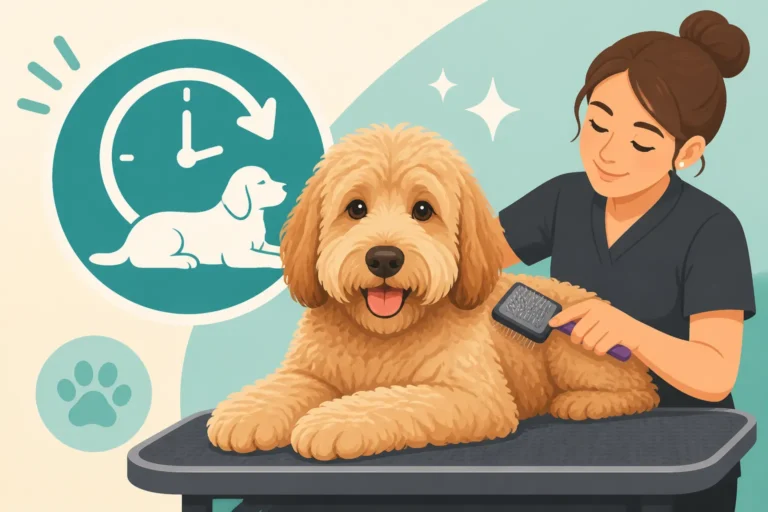
Even with a young puppy, brushing is where you'll spend most of your grooming time. The puppy coat is generally softer and less prone to matting than the adult coat, but it's the perfect time to establish good habits.
- Short and Sweet Sessions: Keep brushing sessions very brief initially, just 2-5 minutes, several times a day if possible. As your puppy matures and their coat begins to change, you'll need to increase the duration and frequency.
- Line Brushing Technique: It's never too early to learn how to line brush. This technique ensures you're brushing through the coat to the skin, rather than just skimming the surface. Part the hair horizontally with your hand, hold it up, and brush the hair underneath, working your way down the section, then release the hair you're holding and repeat. This is vital for preventing mats from forming close to the skin. Brushing a Labradoodle to the Skin, Not the Surface is a fantastic resource to master this skill.
- Focus on Mat-Prone Areas: Pay extra attention to areas where mats tend to form first: behind the ears, in the armpits, on the inside of the legs, and around the tail. These areas experience a lot of friction and can knot up quickly. Mats Behind a Labradoodle's Ears are particularly common and can be painful if not addressed promptly.
- Positive Reinforcement: Every brush stroke should be followed by verbal praise and a tiny, high-value treat. If your puppy starts to get antsy, stop, give a treat, and end the session. You want them to associate the brush with good things.
Paw Handling and Nail Care
Paw handling is often one of the most challenging aspects of grooming for dog owners, but it's incredibly important. Your Labradoodle's nails will need regular trimming, and the hair between their paw pads will need maintenance to prevent discomfort and matting.
- Consistent Paw Touch: Continue the daily habit of touching and holding your puppy's paws. Gently squeeze each toe, spread the paw pads, and get them used to having their feet manipulated. Reward heavily each time.
- Introducing the Clippers/Grinder: Once they are comfortable with paw handling, introduce the actual nail trimming tool. Let them sniff it. If using clippers, gently tap them against a nail, then reward. If using a grinder, turn it on away from them, then bring it closer, rewarding for calm behavior.
- First Trim: Just the Tip: When you're ready for the first actual trim, aim for just the very tip of one nail. Don't worry about getting them perfectly short. The goal is a positive experience. Give an immediate, fantastic treat and lavish praise. You can do one nail a day, or even just one a session, until your puppy builds confidence. If you accidentally nick the quick (the sensitive part of the nail), stop immediately, apply styptic powder to stop the bleeding, and end the session on a positive note with a treat. This is why building positive associations is so crucial.
- Pad Hair Maintenance: Labradoodles often grow hair between their paw pads, which can collect dirt, debris, and snow, leading to mats and discomfort. Gently spread their toes and use blunt-nose scissors to carefully trim this hair flush with the pads. Again, make this a positive, slow process.
Ear Inspection and Cleaning
Labradoodles, with their adorable drop ears inherited from both the Labrador and the Poodle, are unfortunately prone to ear infections. The combination of warmth, moisture, and hair growth in the ear canal creates a perfect breeding ground for bacteria and yeast.
- Daily Ear Checks: Make it a habit to gently lift your puppy's ear flaps daily. Look inside the ear canal for any redness, discharge, or foul odor. Touch the inside of the ear gently. Reward your puppy for allowing this inspection.
- Introducing Ear Cleaner: Let your puppy sniff the ear cleaning solution. Put a small amount on a cotton ball and gently wipe the visible parts of the outer ear flap. Reward immediately. The sound of the solution bottle can also be desensitized with treats.
- Proper Cleaning Technique: Once your puppy is comfortable, you can move to a more thorough cleaning. Gently hold the ear flap up, squeeze a vet-approved ear cleaning solution into the ear canal (don't worry, the ear drum is protected by an L-shaped canal). Massage the base of the ear for 20-30 seconds to work the solution around, then allow your puppy to shake their head. Wipe away any loosened debris with a cotton ball or soft gauze. Never use Q-tips, as these can push debris further into the ear or damage the ear canal. Regular cleaning, especially after swimming or bathing, can significantly reduce the risk of Ear Infections Built Into a Labradoodle's Drop Ear.
- Ear Hair Management: Many Labradoodles also have hair growing inside their ear canals. Your vet or groomer can advise if this needs to be plucked or trimmed. Plucking ear hair can be controversial and should only be done by a professional if necessary, as it can be uncomfortable and potentially lead to irritation if done incorrectly. Understanding Whether a Labradoodle's Ear Hair Causes Its Infections is important for prevention.
From Puppyhood to Polished: Maintaining Good Habits
The work you put in during your Labradoodle's puppy months will lay the groundwork for a lifetime of stress-free grooming. But it's not a one-and-done deal. Grooming is an ongoing commitment that evolves as your puppy grows and their coat matures. Consistency, patience, and knowing when to ask for help are paramount.
Consistency and Patience Are Key
It's easy to get discouraged when your puppy is squirmy, or when you find a mat you missed. However, consistency is the bedrock of successful grooming. Short, frequent sessions are far more effective than infrequent, marathon grooming battles.
- Routine Reinforcement: Try to establish a regular grooming routine. For example, a 5-minute brush-out every evening before dinner, followed by ear checks every few days and nail trims once a week. This predictability helps your Labradoodle understand what to expect and accept it as part of their daily life.
- Anticipate the Coat Change: Around 8-12 months of age, your Labradoodle will go through a "coat change." This is when their soft puppy coat transitions to their denser adult coat, and it's notoriously difficult. The old puppy hair gets tangled in the new adult hair, creating extreme matting if not diligently brushed. Expect to increase your grooming frequency significantly during this period, often to daily brushing. The Coat Change That Hits a Labradoodle at Nine Months explains this phenomenon in detail.
- Don't Give Up: There will be days when your puppy is more resistant, or when you're tired. It's okay to have shorter sessions or to take a break. However, don't stop entirely. Regressing on grooming habits can quickly lead to big problems. Always try to end on a positive note, even if it's just a quick brush and a treat.
When to Call in the Professionals
While home grooming is essential, there will come a time when your Labradoodle needs a professional groomer. It’s important to see this as a partnership, not a failure on your part.
- First Professional Groom: Many breeders and vets recommend a "puppy trim" around 14-16 weeks of age, after their final round of vaccinations. This first groom should be a positive, gentle introduction to the grooming salon environment. The groomer might just do a bath, blow-dry, sanitary trim, paw pad trim, and a very light face trim. This helps your puppy get used to the sounds, smells, and sensations of a professional salon without the stress of a full, long groom. Knowing How Early a Labradoodle Should Meet a Groomer is crucial for their long-term comfort.
- Finding the Right Groomer: Look for a groomer who has experience with Labradoodles and uses positive reinforcement techniques. Ask questions about their approach to fearful or sensitive dogs. A good groomer will prioritize your dog's comfort and safety over achieving a perfect cut.
- Regular Maintenance: Most Labradoodles need professional grooming every 6-8 weeks, depending on their coat type and desired length. This regular schedule helps manage their growing coat, prevent matting, and ensures they look and feel their best. Discuss with your groomer what length and style works best for your dog's coat and your lifestyle.
Harnessing Online Resources and Training Programs
You don't have to navigate Labradoodle grooming alone. There are fantastic resources available to help you refine your skills and address any challenges that arise.
- Online Courses and Communities: Many online platforms and communities offer detailed video tutorials and guidance on grooming specific breeds like Labradoodles. These can be invaluable for learning correct techniques like line brushing, safely using clippers, and tackling common issues. Programs like BAXTER & Bella provide comprehensive puppy training that includes a strong focus on grooming desensitization and handling, which can be a fantastic structured approach for new owners.
- Veterinary Advice: Your veterinarian is a great resource for advice on ear cleaning solutions, appropriate nail care, and identifying any skin issues that might impact grooming. They can also offer guidance on managing anxiety during grooming if it becomes a significant problem.
- YouTube Tutorials: Search for reputable groomers and Labradoodle owners who share their tips and tricks. Watching someone demonstrate techniques can be incredibly helpful, especially for visual learners. Just be sure to cross-reference information to ensure it's safe and effective.
By combining consistent home practice, professional support, and educational resources, you can ensure your Labradoodle grows into a well-adjusted, beautifully groomed companion who enjoys their pampering sessions.
Disclaimer
This article is for general informational purposes only and does not constitute professional advice. Laws, prices and regulations vary by location and change over time. Consult a qualified professional for guidance on your specific situation.