The Tasks a Labradoodle Is Taught for Disability Work
For many individuals facing daily challenges due to a disability, the idea of a loyal canine companion who can also perform life-changing tasks is a deeply hopeful one. Labradoodles, with their intelligent and often eager-to-please nature, are frequently considered for these crucial roles. This guide will explore the specific types of tasks a Labradoodle can be trained to perform to assist individuals with various disabilities, outlining the journey from foundational skills to advanced public access work.
The Labradoodle's Aptitude for Assistance Work
The journey to becoming a successful service dog begins with inherent traits, and Labradoodles often possess a wonderful blend of characteristics from their Poodle and Labrador Retriever lineage that makes them excellent candidates for assistance work. It’s not just about being smart; it’s about having the right temperament, physical capabilities, and a deep desire to partner with a human.
Temperamental Strengths for Service Roles
One of the most appealing aspects of the Labradoodle for assistance work is their typically friendly, outgoing, and intelligent disposition. They tend to form strong bonds with their human companions, a trait often referred to as being "Velcro dogs" due to their desire to stay close. This innate connection is incredibly valuable in a service dog, as it fosters trust and responsiveness. Their intelligence, inherited largely from the Poodle side, makes them quick learners, capable of understanding complex commands and problem-solving. This means they can grasp not just what to do, but often why they are doing it, which is essential for tasks requiring initiative. Furthermore, their generally stable and calm demeanor, particularly after their boisterous puppy phase, allows them to adapt well to various environments without becoming easily overwhelmed or reactive.
Physical Attributes for Different Tasks
The physical attributes of a Labradoodle can vary widely depending on their generation and the size of their Poodle parent, but standard and medium-sized Labradoodles often possess the ideal build for a range of tasks. A standard Labradoodle, typically weighing between 50 to 65 pounds, has enough substance to perform light mobility assistance, such as providing a steadying presence for balance or helping a person rise from a seated position. They are generally sturdy enough to wear specialized harnesses for counterbalance without discomfort. Their strong, agile bodies also allow them to move gracefully in tight spaces, retrieve dropped items from various surfaces, and maintain stamina during long outings. A keen sense of smell, inherited from both parent breeds, is another significant physical advantage for tasks requiring scent detection, like medical alert work.
Learning from Their Parent Breeds
The genius of the Labradoodle as a potential service dog lies in the complementary traits passed down from its parent breeds. From the Labrador Retriever, they often inherit an incredible retrieve drive and an eager-to-please attitude that makes training a joy. Labradors are renowned for their "soft mouth" and their natural inclination to carry objects without damaging them, which translates perfectly into retrieving tasks for individuals who cannot bend or reach. Many Labradoodles will naturally pick up dropped items and bring them to you, a skill that can be refined into a crucial service task.
Meanwhile, the Poodle contributes its exceptional intelligence, problem-solving abilities, and keen observational skills. Poodles are often seen performing complex tricks and excelling in canine sports, demonstrating their mental agility. This cognitive horsepower helps a Labradoodle not only learn a task but also understand when and how to apply it, often without direct command, based on their handler's cues or environmental triggers. This combination of retrieval instinct and sharp intellect creates a dog that is both capable and intuitive in a service role. The Retrieving Drive a Labradoodle Gets From the Labrador is a truly remarkable trait that can be honed for specific needs.
Foundational Training: The Service Dog's Building Blocks
Before a Labradoodle can even begin to learn specific disability tasks, it must possess an impeccable foundation of obedience, socialization, and confidence in diverse environments. This initial phase is arguably the most critical, laying the groundwork for a dog that is reliable, calm, and trustworthy in any situation.
Early Socialization and Exposure
Proper socialization is not just about letting your puppy play with other dogs; it's a carefully planned process of exposing them to a vast array of sights, sounds, textures, smells, people, and other animals in a positive and controlled manner. For a potential service dog, this means introductions to everything from noisy city streets and busy shopping malls to quiet libraries and various modes of transportation. A well-socialized Labradoodle puppy learns that the world is a safe and interesting place, reducing the likelihood of fear-based reactions or aggression later in life. This exposure should begin as early as possible, during their critical developmental window, and continue throughout their adolescence. Programs like BAXTER & Bella offer excellent online resources for structured puppy training and socialization, helping owners systematically introduce their young Labradoodle to the world with confidence and positive reinforcement. Raising a Labradoodle Through Its First Year requires consistent effort in this area.
Advanced Obedience and Impulse Control
A service dog's obedience must go far beyond what's expected of a typical family pet. Commands like "sit," "stay," "come," and "down" need to be rock-solid, performed reliably under extreme distractions and in novel environments. For example, a service Labradoodle must be able to "stay" for extended periods while its handler is out of sight, or "come" immediately when called, even if there's a squirrel or another dog nearby. Impulse control is equally vital; a service dog must be able to ignore tempting dropped food, loud noises, curious strangers, or other animals. This requires countless hours of practice, repetition, and proofing in progressively challenging environments. Utilizing positive reinforcement methods, such as high-value treats and praise, helps to build a strong desire in the Labradoodle to comply and work willingly.
Desensitization to Novel Environments
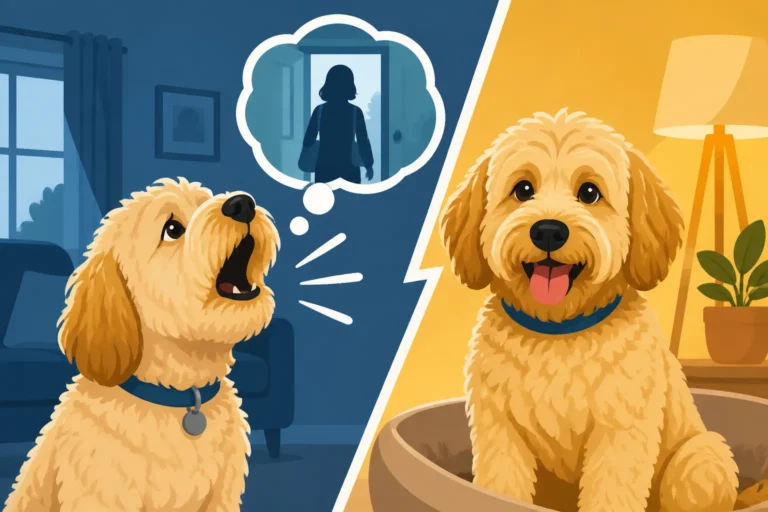
The ability to remain calm and focused in unfamiliar and potentially overwhelming environments is a hallmark of a successful service dog. This involves systematic desensitization to places like grocery stores, doctor's offices, airports, restaurants, and public transportation. Each new environment presents unique challenges: the sudden clang of a dropped pot in a kitchen aisle, the squeal of a child, the smell of various foods, or the rumble of a train. The Labradoodle must learn to filter out these distractions and remain attentive to its handler. This process often starts with short, positive visits to quiet versions of these places, gradually increasing the duration and level of distraction. A service Labradoodle should be able to settle calmly under a table in a restaurant, oblivious to the hustle and bustle around it. Teaching a Labradoodle to Settle Under a Restaurant Table is a key skill.
Specific Disability Tasks: Tailoring the Training
Once the foundational training is solid, the real specialization begins. Labradoodles can be trained to perform an incredible array of specific tasks, each tailored to the unique needs of an individual with a disability. These tasks range from practical daily assistance to potentially life-saving interventions.
Mobility and Stability Assistance
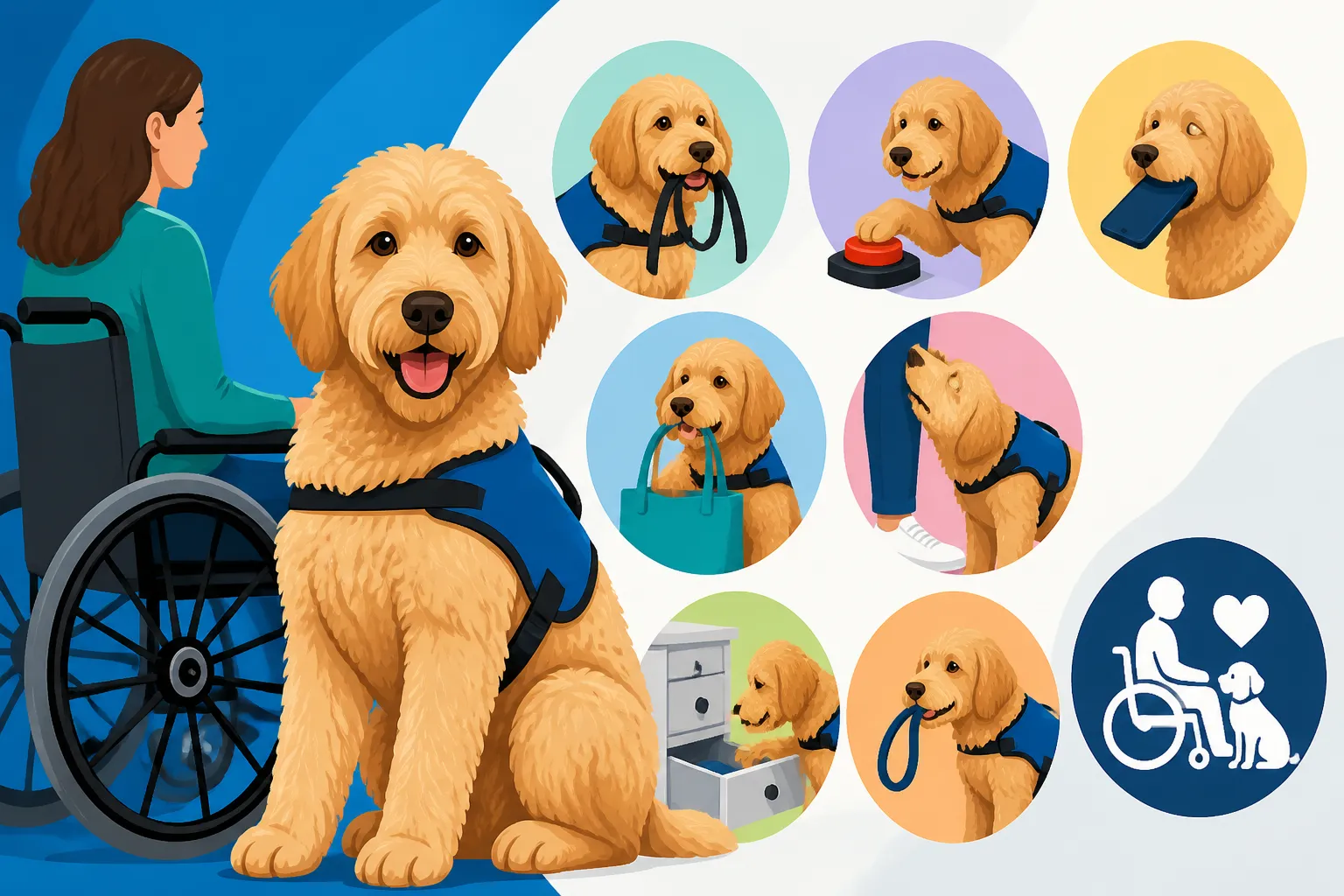
For individuals with mobility challenges, a Labradoodle can be an invaluable partner. Standard-sized Labradoodles have the physical presence to provide a stable brace, allowing a person to transition from sitting to standing or to maintain balance while walking. They can also be taught to open and close doors, retrieve dropped items that are out of reach, or even assist with pulling a lightweight wheelchair for short distances. Tasks like retrieving a phone, medicine, or a dropped cane are incredibly empowering. Imagine dropping your keys and not being able to bend down to pick them up; a trained Labradoodle can swiftly fetch them, bringing them directly to your hand. This level of independence can be life-changing. It's important to remember that while a standard Labradoodle can offer significant support, there are limits to the weight and type of mobility work they can safely perform. Whether a Labradoodle Is Big Enough to Brace for full body weight is a crucial consideration for safety and the dog's long-term health.
Alert and Response Tasks
One of the most remarkable abilities of service dogs is their capacity for medical alert and response. Labradoodles, with their intelligence and keen senses, can be trained to recognize subtle physiological changes in their handler or environmental cues that signal an impending medical event. This could include alerting to dangerously low or high blood sugar levels for individuals with diabetes, sensing the onset of a seizure, or even recognizing the early signs of a severe allergic reaction or migraine. They can be taught to alert their handler, retrieve medication, or even go for help by nudging a designated person or pressing an emergency button.
For individuals who are deaf or hard-of-hearing, Labradoodles can act as "hearing dogs," alerting their handlers to crucial sounds they might otherwise miss. This includes the doorbell, a ringing phone, a smoke alarm, or an alarm clock. Upon hearing the sound, the dog will typically make physical contact with their handler, then lead them to the source of the sound. The heightened awareness and responsiveness of a well-trained Labradoodle make them exceptionally suited for these critical alert roles. Whether a Labradoodle Can Be Trained for Diabetic Alert is a testament to their incredible potential.
Psychiatric and Sensory Support
Beyond physical and medical alerts, Labradoodles can also provide profound psychiatric and sensory support. For individuals with conditions like PTSD, anxiety disorders, or autism, a service Labradoodle can perform tasks that mitigate symptoms and improve quality of life. Deep pressure therapy (DPT), where the dog lies across the handler's lap or chest, can provide a calming, grounding sensation during panic attacks or sensory overload. They can be trained to interrupt compulsive behaviors, self-harming actions, or dissociative episodes by nudging, pawing, or licking their handler.
Furthermore, a Labradoodle can create a physical barrier in crowded spaces, providing personal space for individuals who experience anxiety in such situations. They can also be trained to find an exit, guide their handler away from overwhelming environments, or even wake them from nightmares. The consistent presence and unconditional support of a service Labradoodle can significantly reduce feelings of isolation and help individuals navigate their world with greater confidence and independence. Whether a Labradoodle Suits Autism Assistance Work often comes down to their gentle and patient temperament.
Advanced Public Access and Task Reliability
The ultimate goal for most service Labradoodles is to work effectively and discreetly in public spaces. This requires not only performing their specific tasks flawlessly but also demonstrating impeccable public manners, remaining calm, and being entirely focused on their handler, regardless of distractions.
Navigating Complex Public Spaces
Think of all the complexities of a busy grocery store: carts whizzing by, children running, loud announcements, enticing smells from the bakery, and rows upon rows of tempting items on low shelves. A service Labradoodle must be able to navigate all of this without missing a beat. They must walk calmly beside their handler, not sniff merchandise, ignore dropped food (a particularly difficult task for many dogs), and remain unfazed by sudden noises or movements. This level of self-control is built through rigorous training and repeated exposure to real-world scenarios. It involves teaching the dog to tuck themselves neatly under tables in cafes, remain quiet on public transport, and wait patiently while their handler interacts with others. The goal is for the dog to be seen as an extension of their handler, working silently and efficiently.
Maintaining Focus Under Pressure
The difference between practicing a task in a quiet living room and performing it in a chaotic airport is immense. A service Labradoodle needs to maintain its focus and perform its tasks reliably even when the handler is stressed, tired, or distracted. This "proofing" of behaviors in high-pressure situations is achieved through gradual escalation of distractions and environments. The handler also plays a crucial role in advocating for their dog, ensuring they have adequate breaks, water, and relief opportunities. It's a partnership where both dog and handler need to be attuned to each other. Consistent positive reinforcement and ensuring the dog always associates work with positive outcomes helps to solidify this focus and prevent burnout. What Public Access Training Asks of a Labradoodle is a rigorous journey that takes years to perfect.
Certification vs. Training
It's a common misconception that service dogs must be "certified" or wear a specific vest. In many places, including the United States, a service dog is defined by the tasks it performs, not by a certification paper or an accessory. While many service dog organizations provide their graduates with identification, these are not universally legally required. The true measure of a service dog is its behavior and its ability to perform tasks that mitigate a handler's disability. That said, some organizations offer public access tests or voluntary registration, which can be helpful for owner-trained dogs to demonstrate their proficiency. The focus should always be on the rigorous training that makes the dog a functional and reliable partner, ensuring it meets the highest standards of behavior and task performance in public. Whether a Labradoodle Needs Certification to Work is a frequent question among new handlers.
The Lifelong Commitment to a Working Labradoodle
Bringing a service Labradoodle into your life is a profound commitment, extending far beyond the initial training period. It's a lifelong partnership that requires continuous care, ongoing skill maintenance, and mindful planning for the dog's well-being and eventual retirement.
Ongoing Training and Health Care
Service dog skills are not static; they are perishable and require regular practice to keep them sharp. Just like any athlete, a working Labradoodle needs to "train" to stay at the top of its game. This means daily refreshers of obedience commands, practicing specific tasks in various settings, and introducing new scenarios to keep their minds engaged. Consistency is key. Alongside mental stimulation, impeccable health care is paramount. Service dogs endure more physical demands than the average pet, so regular veterinary check-ups, a high-quality diet, and appropriate exercise are vital to prevent injuries and maintain peak physical condition. Proactive care, especially concerning joint health given the Labradoodle's size, is crucial for a long and comfortable working life. What a Labradoodle Owner Should Watch For After Eight years old includes paying close attention to these health aspects.
Balancing Work and "Dog Life"
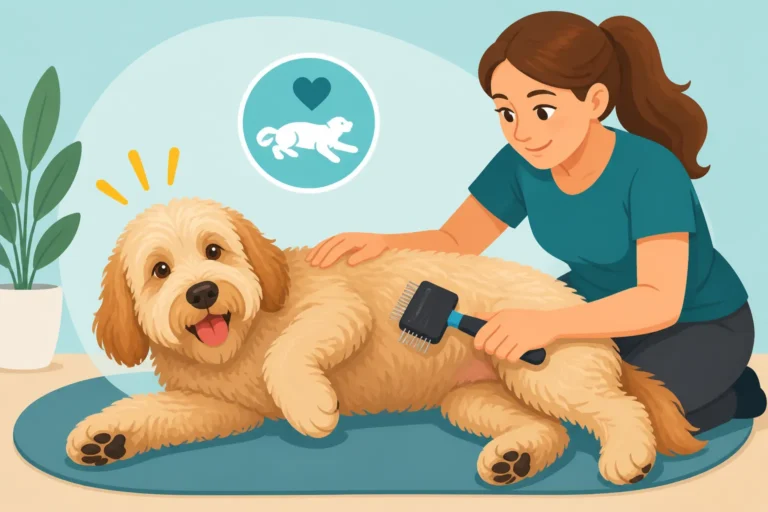
While a service Labradoodle performs an incredibly important job, it's essential to remember that they are still dogs. They need downtime, opportunities for unstructured play, and the chance to simply be a "dog" without the pressures of their working vest. Allowing them to romp in a secure yard, play fetch, or enjoy a good sniff on a leisurely walk helps prevent burnout and keeps their spirits high. It's a delicate balance: maintaining their working focus while ensuring they get to express natural dog behaviors. Many handlers have a specific cue, like removing the service vest, that signals "off-duty" time, allowing the dog to relax and enjoy being a pet. This balance is critical for their mental and emotional well-being, fostering a happy, enthusiastic working partner.
Retirement Planning for a Service Labradoodle
All good things must eventually come to an end, and service dogs, like human workers, eventually need to retire. The decision to retire a service Labradoodle is deeply personal and often based on a combination of factors, including age, declining health, or a decrease in their ability to perform tasks safely and reliably. Signs of slowing down, such as increased stiffness, reduced stamina, or a lack of enthusiasm for work, are indicators that retirement might be near.
Once retired, many service Labradoodles remain with their handlers, transitioning into a beloved pet role where they can enjoy a well-deserved life of leisure. Sometimes, a retired dog might go to live with a trusted family member or friend, especially if the handler needs a new, younger service dog. Planning for this transition well in advance is crucial, ensuring a smooth and comfortable retirement for a dog that has given so much. Whether a Labradoodle Can Be Retired From Service Work is a gentle consideration that honors their years of service.
| Category | Example Task | Labradoodle Suitability | Notes |
|---|---|---|---|
| Mobility Support | Retrieving dropped keys | High | Excellent retrieval drive; dexterity for small objects. |
| Opening/closing doors | High | Intelligent; can learn sequential behaviors. | |
| Bracing for balance (light support) | Medium-High | Standard size appropriate; smaller sizes may lack stability. | |
| Medical Alert | Alerting to low blood sugar | High | Strong scenting ability; attentive to subtle changes. |
| Warning of an impending seizure | High | Observant; can learn to recognize pre-seizure cues. | |
| Hearing Assistance | Alerting to a doorbell or phone | High | Responsive to sounds; can be trained to lead to source. |
| Responding to a smoke alarm | High | Life-saving alert; requires consistent training. | |
| Psychiatric Support | Deep Pressure Therapy (DPT) | High | Affectionate nature; standard size ideal for calming pressure. |
| Interrupting compulsive behaviors | High | Can be trained to nudge or distract during episodes. | |
| General Assistance | Carrying small items in a vest or pack | High | Good stamina; enjoys having a "job" and a purpose. |
| Finding an exit in a crowded space | High | Can be taught directional and environmental cues for navigation. |
Disclaimer
This article is for general informational purposes only and does not constitute professional advice. Laws, prices and regulations vary by location and change over time. Consult a qualified professional for guidance on your specific situation.