Why Assistance Programs Moved Away From the Labradoodle
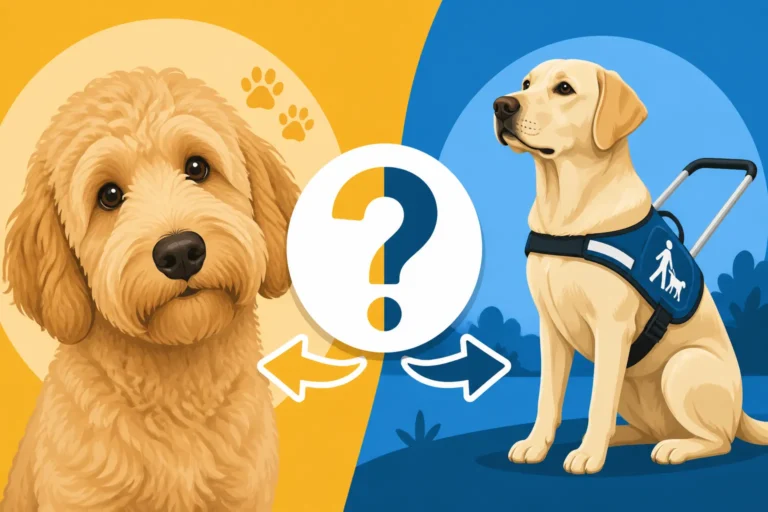
It's incredibly frustrating when you hear about a dog breed that was specifically developed for a noble purpose, only to find out that the very programs it was meant to help have largely moved on. Many prospective owners are drawn to the Labradoodle's reputation as a "designer dog" ideal for families with allergies, often hearing tales of its origins as a guide dog. Yet, the reality is that major assistance dog organizations rarely utilize purebred Labradors or Poodles for their primary work today, let alone the Labradoodle. This guide aims to pull back the curtain on why, despite initial excitement, assistance programs ultimately found the Labradoodle an unreliable choice for their rigorous requirements, diving deep into the challenges that led to this shift.
The Early Promise: Why Labradoodles Were Initially Considered for Assistance Work
When the Labradoodle first came onto the scene, it was revolutionary. The idea of combining the intelligent, biddable nature of the Labrador Retriever with the low-shedding, often hypoallergenic coat of the Standard Poodle seemed like a stroke of genius, especially for a specific, urgent need. The initial cross was purely driven by the desire to produce a guide dog for a visually impaired woman whose husband suffered from severe dog allergies. It wasn't about creating a trendy "doodle," but about solving a profound problem.
The Hypoallergenic Dream: Addressing Allergy Needs
For years, people with dog allergies had been largely excluded from the life-changing benefits of assistance dogs. Imagine needing a guide dog for your independence, but being unable to live with one because it triggers debilitating allergic reactions in your household. This was the precise dilemma that prompted the creation of the Labradoodle. The hope was that by breeding a Labrador with a Poodle, the resulting offspring would inherit the Poodle's prized non-shedding coat, making these vital working dogs accessible to a much wider demographic. It was a compassionate and innovative goal, offering freedom and companionship where none existed before. Why a Guide Dog Had to Be Allergy Friendly delves deeper into the human side of this initial need. The promise was that these dogs could break down barriers, allowing individuals to receive the support they desperately needed without compromising the health of their loved ones.
Combining Traits: The Best of Both Worlds
Beyond just the coat, the vision for the Labradoodle was to marry the best traits of both parent breeds. Labradors are renowned for their calm demeanor, strong work ethic, eagerness to please, and retrieving drive – all crucial qualities for guide and assistance work. Poodles, on the other hand, bring exceptional intelligence, trainability, and a proud, confident bearing. The expectation was that the Labradoodle would inherit the Labrador's robust, friendly nature and the Poodle's keen intellect and non-shedding qualities, creating a dog that was not only allergy-friendly but also a highly capable and adaptable assistance partner. This ideal combination was compelling, suggesting a dog that could learn complex tasks, remain focused in distracting environments, and offer consistent, reliable support day in and day out.
Early Success Stories and Media Hype
The very first Labradoodle, Sultan, was indeed a success story, demonstrating the potential of the cross. He proved that it was possible to create a dog that could serve as a guide and not trigger allergies. This early triumph, coupled with the novelty of the "designer dog" concept, quickly garnered significant media attention. Suddenly, everyone wanted a Labradoodle. The narrative was powerful: a clever crossbreed that was smart, friendly, and didn't shed. This surge in popularity, while good for awareness, unfortunately also led to a rush to breed Labradoodles without the stringent oversight and careful selection that assistance programs require. The initial positive press created an image that was, perhaps, a little too optimistic about the breed's general consistency.
Unpredictability of Early Generations: The Challenges of a Developing Crossbreed
While the initial idea was brilliant, the reality of working with a first-generation crossbreed, and then trying to develop it further, brought a host of challenges. One of the biggest issues assistance programs faced was the sheer unpredictability of what traits would emerge in each litter. It’s not like flipping a switch; genetics are far more complex, especially when you're aiming for a very specific, high-stakes outcome.
The Coat Conundrum: More Than Just Non-Shedding
The primary driver for the Labradoodle's creation was its supposed hypoallergenic coat. However, early Labradoodles, particularly first-generation (F1) crosses, often had coats that varied wildly. Some dogs inherited the Poodle's tight, curly, low-shedding wool coat. Others ended up with a wiry, hair-like coat that shed just as much, if not more, than a Labrador. And many landed somewhere in the middle with a fleece coat that could be anything from wavy to slightly curly, and still shed to varying degrees. This inconsistency was a huge problem for assistance programs, as guaranteeing a non-allergenic coat was paramount. If a dog in training developed a shedding coat, it instantly disqualified it from placement with an allergic individual, wasting months, if not years, of training and resources. Understanding The Three Labradoodle Coats: Hair, Fleece and Wool really highlights this challenge.
Temperament Variability: A Roll of the Genetic Dice
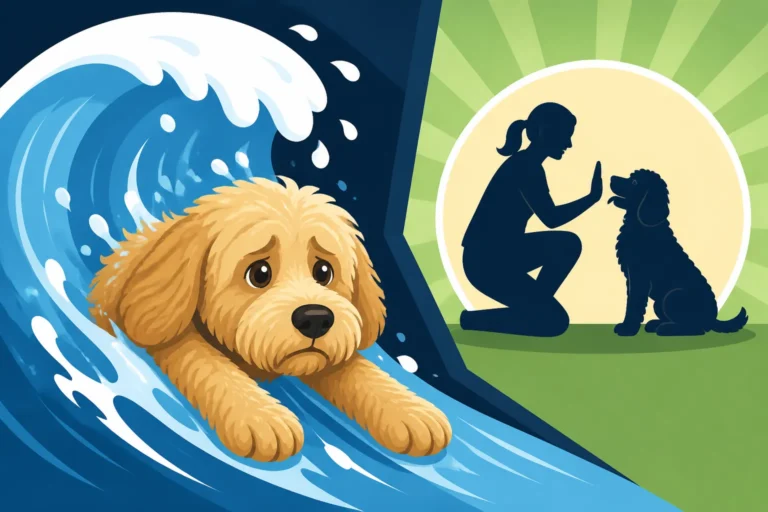
Beyond the coat, temperament proved to be an even more significant hurdle. While both Labradors and Poodles are generally intelligent and trainable, the mix didn't always result in the ideal working dog temperament. Some Labradoodles inherited the bounciness and exuberance of a young Labrador but lacked the Poodle's sharp focus, making them easily distracted. Others leaned more towards the Poodle's sensitivity, becoming overly anxious or reactive in busy public environments—a death knell for an assistance dog. The consistency of temperament is absolutely non-negotiable for a service animal, which must remain calm, focused, and unflappable in all situations. When you're dealing with a first-generation cross, or even early multi-generation crosses, getting a predictable temperament across an entire litter is like a genetic lottery, and assistance programs simply cannot afford to gamble. This is partly why Wally Conron and the Labradoodle He Regrets later voiced his concerns.
Lack of Breed Standard and Consistency
One of the cornerstones of successful breeding for working dogs is a well-established breed standard. This outlines the desired physical and temperamental traits that breeders strive for, ensuring a certain level of consistency in offspring. For the early Labradoodle, no such standard existed. Breeders were essentially experimenting, often focusing more on coat type or novelty than on the rigorous temperament and health screening vital for assistance work. Without a standardized approach, there was no way to guarantee that a Labradoodle puppy from one breeder would have the same potential as a puppy from another. This lack of uniformity made it incredibly difficult for programs to source puppies consistently, let alone predict their suitability for demanding roles.
Temperament Consistency: The Core Requirement for a Working Dog
For an assistance dog, a steady, predictable temperament isn't just a bonus; it's the absolute foundation upon which all training is built. These dogs must navigate complex, unpredictable human environments with unwavering confidence and focus. Any dog exhibiting signs of fear, aggression, or extreme distraction simply cannot perform the life-saving tasks required of them. Assistance programs learned quickly that while some Labradoodles excelled, a consistent supply of dogs meeting these strict temperamental criteria was elusive.
Drive and Focus: Essential for Task Work
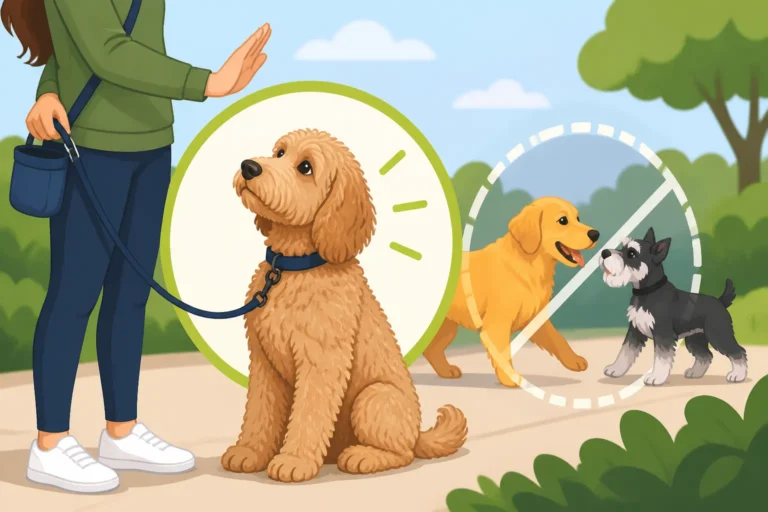
Assistance dogs are not just pets; they are working partners with critical responsibilities. They need a strong drive to work, a desire to please, and the ability to maintain intense focus despite distractions. A guide dog, for example, must lead its handler safely through busy city streets, ignoring tempting smells, other dogs, and loud noises. A medical alert dog must concentrate on detecting subtle physiological changes in its human, even in chaotic public spaces. Many Labradoodles, while intelligent and eager, struggled with the sustained focus and intense drive required for these demanding tasks. The Labrador's natural retrieving drive is fantastic, but if it's paired with a Poodle's occasional tendency towards being easily startled or having a shorter attention span in certain scenarios, the consistency for intense task work can falter. You can read more about The Retrieving Drive a Labradoodle Gets From the Labrador to understand what programs were hoping for.
Environmental Resilience: Handling Public Access
A key aspect of an assistance dog's life is public access. These dogs must be able to accompany their handlers anywhere the public is allowed, from bustling airports to quiet libraries, from grocery stores to doctor's offices. This means they must be bomb-proof, unflappable, and completely comfortable in novel and often overwhelming environments. They can't be startled by a dropped pan, react to a child's sudden scream, or get agitated by an approaching stranger. The variability in Labradoodle temperaments meant that while some individuals might have this resilience, many others proved to be too sensitive, too easily distracted, or simply not robust enough to handle the constant pressure and stimulation of public access work. What Public Access Training Asks of a Labradoodle is a great resource to understand the full scope of this challenge.
The "Soft" vs. "Hard" Dog Spectrum
In the world of working dogs, trainers often talk about "soft" and "hard" dogs. A "soft" dog is highly sensitive to correction, praise, and environmental changes, and can become easily overwhelmed or shut down. A "hard" dog is more resilient, can withstand more pressure, and might require firmer handling. While neither is inherently bad, assistance dogs typically need to be somewhere in the middle, resilient enough to learn through corrections but sensitive enough to respond to subtle cues. The Labradoodle's genetic blend could produce dogs anywhere on this spectrum, making consistent training protocols difficult. A method that worked beautifully for one Labradoodle might completely break the confidence of another. This variability in inherent temperament made it challenging for programs to implement standardized training, leading to higher washout rates.
Health and Hereditary Concerns: The Importance of Predictable Health Outcomes
Beyond temperament and coat, the long-term health and genetic predispositions of any assistance dog breed are paramount. These dogs are working for a decade or more, and a serious health issue can not only be devastating for the handler but also incredibly costly for the program. Predictability in health is as crucial as predictability in temperament.
Shared Genetic Vulnerabilities
While the idea of "hybrid vigor" is often touted for crossbreeds, it's not a magical shield against all genetic ailments. Labradoodles inherit genetic predispositions from both parent breeds. This means they can be susceptible to conditions common in Labradors, such as hip and elbow dysplasia, progressive retinal atrophy (PRA), and exercise-induced collapse (EIC). They can also inherit conditions from the Poodle side, including Addison's disease, sebaceous adenitis, and bloat (gastric torsion). In some cases, combining two breeds with similar vulnerabilities, like hip dysplasia, could even increase the likelihood of problems if not carefully managed. Whether Hybrid Vigor Is Real in a Labradoodle offers more insight into this complex topic. The goal of assistance programs is to minimize these risks as much as possible to ensure a long, healthy working life for their dogs.
The Cost and Complexity of Health Testing
To combat these genetic health risks, reputable breeders and assistance programs invest heavily in health testing. This includes screening parents for hip and elbow dysplasia via X-rays (OFA or PennHIP certifications), eye certifications (CERF/CAER exams), and DNA tests for conditions like prcd-PRA, EIC, and Von Willebrand's disease. For Labradoodles, the challenge was that the genetic pool was wider and less established than in purebred lines. Ensuring that all relevant health tests were conducted on both parent breeds, and then tracking those results through subsequent generations, was a complex and expensive undertaking. Without a unified breed club or widespread standardized testing protocols across all Labradoodle breeders, programs struggled to guarantee the health clearances they needed. This is why The Health Tests a Labradoodle Breeder Should Show are so crucial.
Long-Term Health Guarantees
Assistance dog programs invest tens of thousands of dollars and countless hours into raising and training each dog. A dog that develops a debilitating health condition midway through its working life represents a significant loss, both financially and emotionally. They need dogs that come with the best possible long-term health outlook. While a responsible breeder will offer a health guarantee for their puppies, these guarantees typically cover the first couple of years and rarely account for the extensive costs and disruption of a dog washing out of service due to a chronic condition at age five or six. The unpredictability of inherited conditions in a crossbreed without a long, well-documented breeding history made it harder for programs to make a long-term investment with confidence.
Scaling the Program: Difficulties in Breeding for Consistent Results
Once assistance programs began to understand the variability inherent in early Labradoodle breeding, the challenge shifted from "can we produce one good dog?" to "can we consistently produce many good dogs?" Scaling an assistance dog program requires a reliable, predictable supply of puppies that meet strict criteria. This is where the Labradoodle proved particularly difficult.
Breeder Challenges and Resources
Assistance dog programs often operate their own breeding programs or work with a select network of highly reputable breeders who adhere to their stringent standards. To consistently produce high-quality working dogs, breeders need deep genetic knowledge, extensive health testing protocols, and a focus on temperament above all else. With the Labradoodle, there was no cohesive breeding community initially focused on these specific assistance dog goals. Many breeders were hobbyists, or even commercial operations, primarily focused on meeting market demand for "hypoallergenic" pets, rather than adhering to the rigorous selection processes needed for service work. The resources and expertise required to breed for consistent working quality were simply not widespread or standardized within the burgeoning Labradoodle community.
High Washout Rates
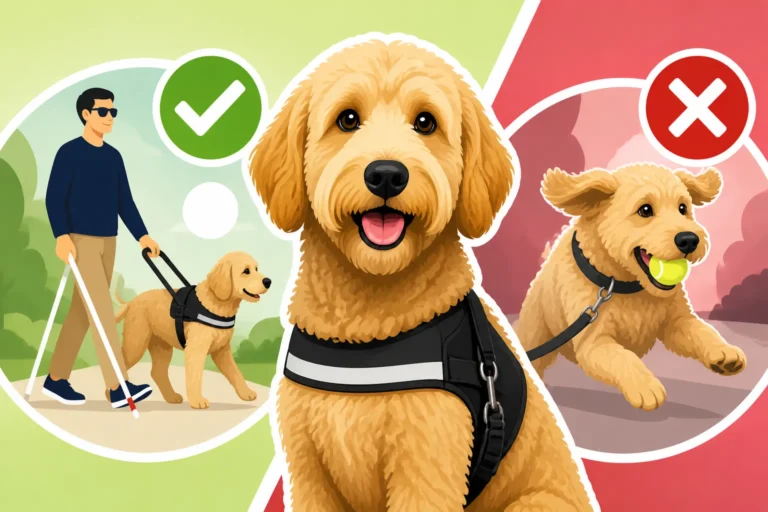
Due to the coat and temperament variability, as well as health concerns, the "washout rate" for Labradoodles entering assistance programs was significantly higher than for established purebred working lines. A washout means a dog started training but ultimately failed to meet the program's strict criteria, often after considerable time and money had been invested. This could be due to shedding issues, anxiety in public, lack of focus, or developing a health problem. Every dog that washes out costs the program an immense amount of money and time that could have been spent training a more suitable candidate. What Washes a Labradoodle Out of a Program details many of these exact challenges. When a program's success hinges on efficiency and reliable outcomes, high washout rates are simply unsustainable.
The Time and Financial Investment
Raising and training an assistance dog is a massive undertaking, typically costing programs tens of thousands of dollars per dog, from puppyhood to graduation. This includes breeding costs, veterinary care, specialized food, equipment, and intensive professional training. When a large percentage of dogs fail to meet the grade, the financial burden becomes immense. Programs need to be fiscally responsible, and investing in a breed with a high degree of unpredictability is a risky proposition. The commitment needed to get a single dog through its journey from birth to working partner is staggering, and programs must be confident that their investment will pay off in a successful placement.
The Rise of Other Breeds and Crosses: Exploring Alternatives
As assistance programs grappled with the inconsistencies of the early Labradoodles, they didn't just give up on the idea of an allergy-friendly working dog. Instead, they continued to innovate, exploring more predictable and reliable avenues to meet the needs of their clients. This led to a refining of existing crossbreeds and a renewed focus on specific purebred lines.
Refining the Australian Labradoodle
It's important to distinguish between the original Labradoodle (a first-generation Labrador-Poodle cross, or early subsequent crosses) and the Australian Labradoodle. The Australian Labradoodle was developed with the explicit goal of creating a consistent breed with predictable traits, specifically for assistance work. This involved carefully infusing other breeds like the English Cocker Spaniel, American Cocker Spaniel, and Irish Water Spaniel into the lineage, then breeding multi-generationally with a strict focus on temperament, health, and non-shedding coats. This meticulous, multi-generational approach aimed to stabilize the desired characteristics that were so variable in the early Labradoodle crosses. Today, the Australian Labradoodle is essentially its own distinct breed, carefully managed by specific breed associations, and often is utilized by assistance programs because of this intentional development for consistency. The Four Breeds Inside an Australian Labradoodle explains this history further.
Return to Tried-and-True Breeds
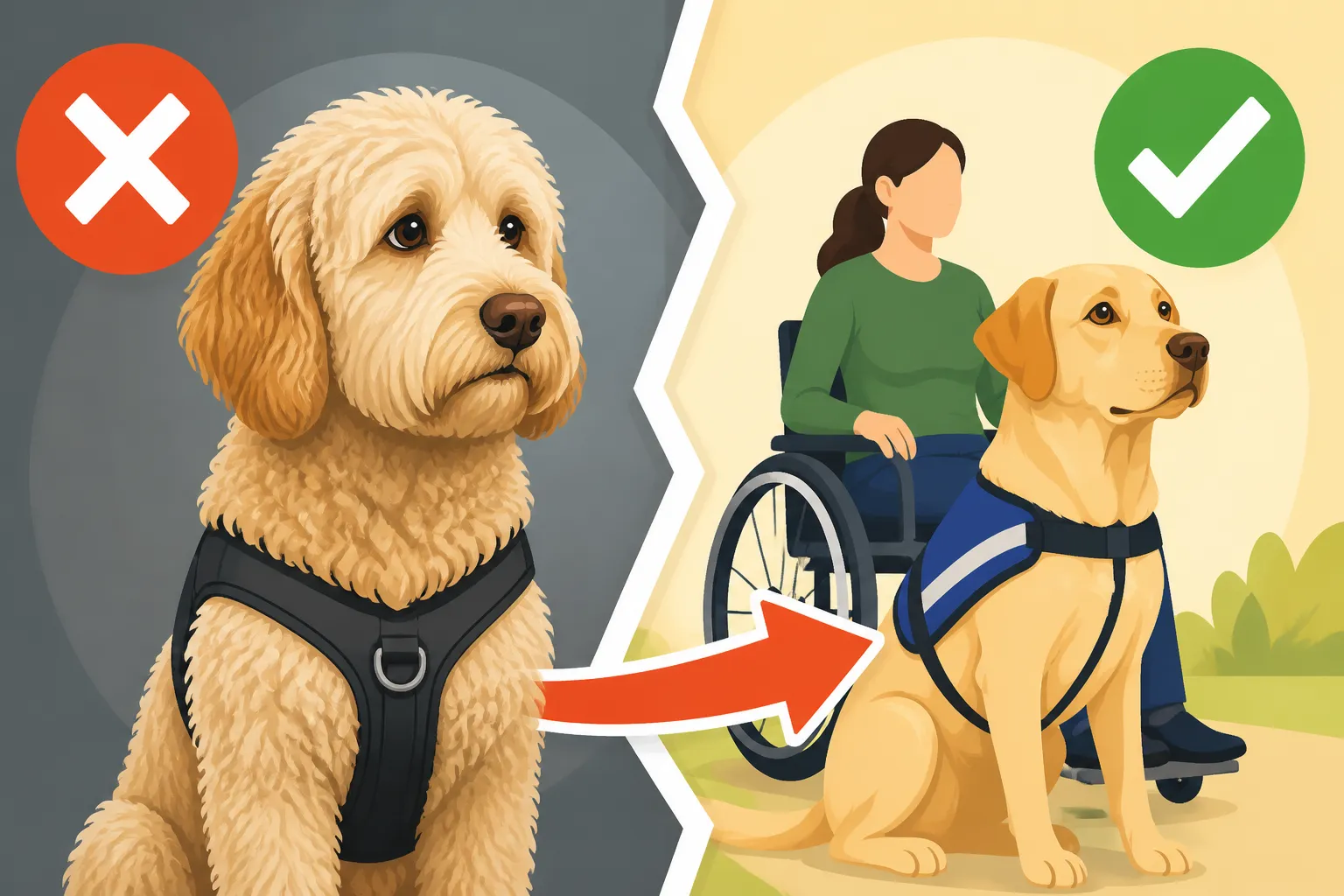
Many assistance programs ultimately returned to what they knew worked: established purebred lines of Labradors, Golden Retrievers, and Standard Poodles. While Labradors and Goldens shed, rigorous grooming protocols and air purification systems could sometimes mitigate allergy issues for less sensitive individuals. For those with severe allergies, a carefully bred Standard Poodle became the go-to. Standard Poodles, when bred for temperament and working lines, offer exceptional intelligence, trainability, and a truly non-shedding coat. They are also less prone to the hip issues sometimes seen in Labradors, and their consistent temperament makes them highly suitable for service work. Whether a Standard Poodle Beats a Labradoodle for Allergies highlights the Poodle's advantage in this regard. These breeds have generations of documented health and temperament, making them a much safer bet for the significant investment of time and money that goes into training an assistance dog.
New Hybrid Considerations
The experience with the Labradoodle also informed the development of other "doodle" crosses, leading to a more cautious and informed approach. While many doodle crosses remain largely unregulated, some breeders are now applying more rigorous health and temperament testing, often learning from the lessons of the early Labradoodle programs. However, assistance programs are generally wary of any crossbreed that lacks a long history of consistent breeding for specific working traits. They often prioritize genetic predictability and health clearances over the novelty of a new cross.
How Assistance Programs Evaluate a Dog's Suitability
Assistance programs can't simply pick a cute puppy and hope for the best. Their evaluation process is incredibly thorough, designed to identify the dogs most likely to succeed in a demanding career. It starts long before a puppy even enters formal training.
Puppy Rearing and Early Socialization
The foundation of a good assistance dog is laid in puppyhood. Programs employ meticulous puppy-raising protocols, often utilizing volunteer puppy raisers, to ensure consistent early socialization and exposure to a wide variety of sights, sounds, and experiences. Puppies are exposed to different floor textures, noises, people (of all ages and appearances), and environments. This creates a resilient, confident dog. Any dog, regardless of breed, that shows signs of excessive shyness, fear, or aggression during this critical period will likely be removed from the program. A consistent temperament, nurtured from birth, is non-negotiable. BAXTER & Bella, for example, offers an online puppy school that emphasizes comprehensive socialization and early training, which, while geared towards pet owners, mirrors the crucial early steps that assistance programs prioritize for temperament development.
Formal Temperament Testing
Before formal training begins, puppies undergo rigorous temperament testing. These tests assess crucial traits such as confidence, nerve stability, resilience to novel stimuli, prey drive (which can be good for some tasks, but not for others), willingness to please, and handler focus. Puppies might be exposed to loud noises, strange objects, or unexpected movements to see how they react and recover. Dogs that are overly fearful, anxious, or reactive are typically deemed unsuitable for assistance work. This testing process helps to predict which dogs have the inherent personality traits that will allow them to excel under pressure. Temperament Testing a Labradoodle Puppy for Service provides more detail on this critical step.
Training and Performance Metrics
Once a dog passes initial temperament evaluations, it enters intensive training, which can last up to two years. Throughout this period, the dog's progress is continuously monitored against strict performance metrics. Can it perform tasks reliably? Does it maintain focus in distracting environments? Does it demonstrate sound judgment? Dogs that don't consistently meet these high standards, whether due to lack of focus, difficulty learning complex tasks, or simply a disinterest in working, will be "career changed" out of the program. The decision is never taken lightly, as it represents a significant investment, but the safety and independence of the future handler depend on the dog's flawless performance.
Health Screening Throughout Development
Health screening doesn't stop after the initial genetic tests. Assistance dogs undergo regular veterinary check-ups, and any emerging health issues are closely monitored. X-rays may be repeated as the dog matures to check for hip and elbow issues, and eyes are re-examined periodically. Any condition that could impact the dog's ability to work safely and comfortably for its full career could lead to a career change. A dog that is constantly uncomfortable, in pain, or requires extensive medical management is simply not suitable for the demanding life of an assistance dog.
| Factor | Early Labradoodle (F1/Early Generations) | Established Assistance Dog Breeds (e.g., Labrador, Poodle) | Australian Labradoodle (Developed for Service) |
|---|---|---|---|
| Coat Consistency | Highly variable (shedding to non-shedding) | Predictable (shedding for Labs, non-shedding for Poodles) | Highly consistent (low-shedding fleece/wool) |
| Temperament Predictability | Highly variable (wide spectrum) | Highly predictable (generations of selection) | Highly predictable (generations of selection) |
| Health Predictability | Inherits vulnerabilities from both parents; less documented history | Well-documented genetic health history; extensive testing | Extensive health testing and documented lines |
| Breed Standard | None established for original cross | Well-defined and adhered to | Emerging, with specific goals for consistency |
| Washout Rate | High | Lower | Moderate to Low (dependent on program) |
| Breeding Focus | Often pet market demand | Performance and temperament | Performance, temperament, coat |
The Future for Labradoodles and Assistance Work
Does this mean a Labradoodle can never be an assistance dog? Not necessarily. It means that the original concept of the Labradoodle as a consistently reliable, easily produced assistance dog proved too optimistic for the rigorous demands of professional programs. However, the legacy of the Labradoodle is complex and still evolving.
Individual Labradoodles Can Still Excel
While large-scale programs moved away from the general Labradoodle cross, individual Labradoodles, particularly those from carefully selected lines or later-generation Australian Labradoodles, can and do excel as assistance dogs. These are often dogs whose breeders have gone above and beyond to ensure consistent temperament, health, and coat. For owner-trained assistance dogs, a Labradoodle might be a fantastic choice, provided the owner thoroughly researches the breeder and the specific dog's lineage, and is prepared for the extensive training commitment. Tools and resources found on platforms like Amazon for dog training gear, or online training programs like BAXTER & Bella, can certainly support an owner training their Labradoodle for specific tasks. Whether an Owner Can Train Their Own Service Labradoodle offers helpful context for this path.
The Role of Responsible Breeding
The entire journey of the Labradoodle highlights the critical importance of responsible breeding. Any breeder, whether of purebreds or crossbreeds, who aims to produce dogs for demanding roles like assistance work, must prioritize health, temperament, and trainability above all else. This means extensive health testing, careful selection of breeding stock, thorough socialization of puppies, and transparency with prospective owners. The shift away from the early Labradoodle by assistance programs serves as a powerful lesson in the complexities of genetics and the absolute necessity of predictability when a dog's job is to literally save or enhance a human life.
Continued Innovation in Assistance Dogs
The pursuit of the perfect assistance dog continues, driven by the unwavering need of individuals with disabilities. The lessons learned from the Labradoodle's journey have undoubtedly contributed to more informed and sophisticated breeding practices in the assistance dog world. This includes the development of the Australian Labradoodle as a distinct breed, and a renewed appreciation for the well-established working lines of traditional breeds. The ultimate goal remains constant: to provide the best possible canine partners to those who need them most, with as much predictability and success as possible. Whether a Labradoodle Still Makes a Working Assistance Dog explores the ongoing possibilities.
Disclaimer
This article is for general informational purposes only and does not constitute professional advice. Laws, prices and regulations vary by location and change over time. Consult a qualified professional for guidance on your specific situation.