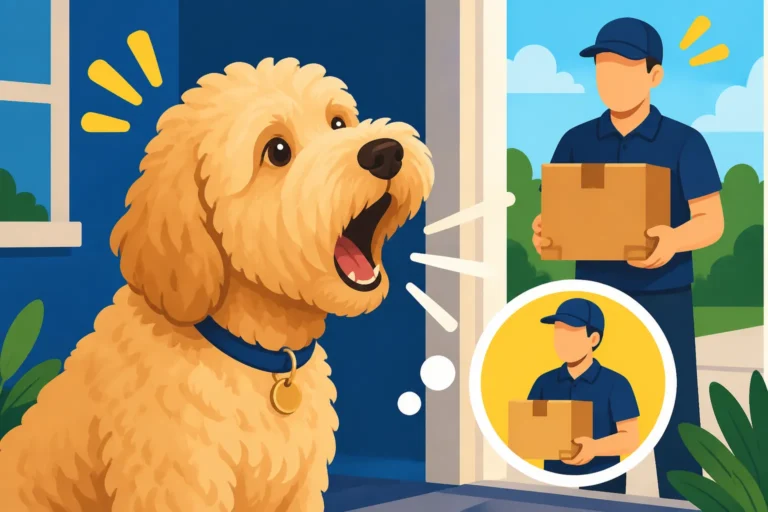
Raising a Labradoodle Through Its First Year
Bringing a new Labradoodle puppy home is an exciting time, but it can also be overwhelming, filled with questions about everything from potty training to those sudden adolescent boundary-pushing behaviors. Many new owners feel like they're flying blind, wondering if they're doing things right or if their energetic, mischievous pup is "normal." This comprehensive guide will walk you through the crucial first year of your Labradoodle's life, from tiny puppyhood through the awkward teenage months, equipping you with the knowledge and practical tips to navigate this foundational period with confidence and joy.
The Early Weeks: Bringing Your Labradoodle Puppy Home
The moment you bring your Labradoodle puppy home marks the beginning of an incredible journey. Those first few weeks are a whirlwind of tiny paws, sharp teeth, and adorable snoozes, but they're also a critical time for setting the stage for a well-adjusted adult dog. It's perfectly normal to feel a mix of excitement and apprehension as you welcome this furry little personality into your life.
Preparing for Arrival and Settling In
Before your new puppy even crosses the threshold, preparing your home is paramount. Think of it like baby-proofing, but for a curious, chew-happy canine. You'll want to secure any loose electrical cords, remove small items that could be swallowed, and block off areas you don't want your puppy to access, at least initially. This isn't about being overly cautious; it's about setting your puppy up for success and preventing accidents and destructive behaviors before they even start. Many owners find it helpful to designate a "puppy zone" – perhaps a section of the kitchen or a pen – where your puppy can safely explore without getting into too much trouble while you're not actively supervising.
Gathering essential supplies is also key. You'll need a appropriately sized crate, food and water bowls, a comfortable bed (something chew-resistant is a bonus!), a few engaging toys, and specific puppy food recommended by your breeder or vet. Don't forget a collar, leash, and ID tag, even if you don't plan on walks immediately. Having everything ready beforehand minimizes stress for both you and your new puppy. The first few days are all about calm acclimation; resist the urge to throw a huge puppy party. Allow your Labradoodle to explore its new environment at its own pace, offering gentle reassurance and plenty of quiet cuddle time.
Establishing a Routine and Crate Training Basics
One of the most powerful tools in raising a happy, well-behaved Labradoodle is a consistent routine. Puppies thrive on predictability; it helps them understand what's expected of them and reduces anxiety. From the moment they wake up to their last potty break at night, try to keep their feeding times, potty breaks, play sessions, and nap times as consistent as possible. This consistency is your secret weapon for everything from potty training to establishing good sleep habits. A predictable schedule helps their little internal clocks adjust quickly, making the transition to their new home much smoother.
Crate training, while sometimes met with initial resistance (and some sad puppy cries!), is invaluable. It provides your Labradoodle with a safe, den-like space where they can feel secure and helps immensely with house-training by appealing to their natural instinct not to soil their sleeping area. Start by making the crate a positive place: feed meals inside, toss treats in, and offer high-value toys only when they're in the crate. Never use the crate as punishment; it should always be associated with comfort and safety. You can find excellent, structured online puppy programs, such as those offered by BAXTER & Bella, that provide step-by-step guidance on crate training and building a solid foundation for your puppy.
When introducing the crate, begin with short periods, gradually increasing the duration. It's normal for puppies to vocalize initially, especially at night. Ignore crying if you've met all their needs (potty, food, water, comfort) and know they are safe. Giving in reinforces the crying. If you're concerned, a quick check to ensure they're okay without engaging in prolonged interaction can be helpful, but try to keep these "checks" brief and unexciting. Remember, consistency and patience are your best friends during this phase.
Potty Training and Nipping: Essential Early Lessons
These two challenges often top the list of new puppy owner frustrations, but with the right approach, they're entirely manageable. Understanding the "why" behind these behaviors can help you respond with patience and effective strategies.
Mastering Potty Training with Your Labradoodle
Ah, potty training! It's rarely a straight line to success, and there will undoubtedly be accidents. The key to mastering potty training with your Labradoodle lies in frequent trips outside, diligent supervision, and lavish praise for successes. Puppies have small bladders and will need to go out very frequently – typically every 1-2 hours initially, immediately after waking up, after eating or drinking, and before bed. Look for common signs like sniffing the ground, circling, or suddenly walking away from play; these are often precursors to an impending potty break.
When you take your puppy out, go to the same designated "potty spot" each time. This helps them associate that specific area with relieving themselves. Use a consistent phrase like "go potty" to create an association. When they do their business, praise them enthusiastically and offer a high-value treat. Make it the best thing that's happened all day! If accidents happen indoors, don't punish your puppy. They don't understand punishment for something that happened moments ago. Instead, clean up thoroughly with an enzymatic cleaner to eliminate odors that might attract them back to the same spot. The goal is to prevent accidents through supervision and frequent trips, rather than reacting to them. Consistency in your routine, especially with outdoor trips, will pave the fastest path to a reliably house-trained Labradoodle.
Tackling Puppy Nipping and Bite Inhibition
Labradoodle puppies, like all puppies, explore the world with their mouths. Those needle-sharp teeth might feel like tiny piranhas, but nipping is a natural part of their development and how they learn bite inhibition. They don't mean to hurt you; they're learning how much pressure they can exert during play. The goal isn't to stop them from ever putting their mouth on you (that's unrealistic and suppresses a natural behavior), but to teach them to do so gently.
When your puppy nips too hard, let out a high-pitched "yelp" or "ouch!" and immediately withdraw attention. Stop playing, stand up, and turn your back for 10-20 seconds. This mimics how littermates communicate that a bite was too hard: the play stops. If the nipping continues, you might need to leave the room for a minute. The message is clear: gentle play continues, hard bites make the fun stop. Always have appropriate chew toys readily available to redirect their nipping. Amazon offers a vast selection of durable puppy chew toys specifically designed for teething puppies, providing a safe and satisfying outlet for their oral fixation.
Another common reason for nipping is overtiredness. Just like human toddlers, puppies can get cranky and mouthy when they're exhausted. Many owners find that an enforced nap in their crate can work wonders in transforming a "land shark" into a sweet, sleepy pup. Remember to be patient; teaching bite inhibition is a process that takes time and consistent effort.
Socialization and Early Obedience: Building a Well-Adjusted Dog
The period between 8 and 16 weeks is often referred to as the "critical socialization window." What your Labradoodle experiences during this time will profoundly shape its future temperament and its ability to cope with new situations as an adult.
The Critical Window of Socialization
Socialization isn't just about meeting other dogs; it's about positive exposure to a wide variety of sights, sounds, textures, people, and environments. Think about all the things your adult Labradoodle will encounter: vacuum cleaners, mail carriers, children on skateboards, bustling city streets, car rides, different types of flooring, people wearing hats, umbrellas opening, and even just the sound of a doorbell. The goal is to create positive associations with as many of these stimuli as possible during puppyhood.
Start slow and keep sessions short and positive. Don't force your puppy into scary situations; instead, manage the environment so they can observe new things from a safe distance, rewarding them with treats and praise for calm curiosity. For example, sit on a park bench and let your puppy watch people and dogs go by, rather than plunging them into a dog park melee. Introduce them to different surfaces like grass, concrete, gravel, and carpet. Let them hear common household noises. Enroll in a well-run puppy class that emphasizes positive, safe interactions with other puppies and people. This early exposure, done correctly, can prevent fear and reactivity issues down the line. Without this vital early work, you might find that The Ten Month Old Labradoodle That Forgets Everything you taught them and becomes wary of new experiences.
First Steps in Obedience: Sit, Stay, and Leash Manners
Basic obedience training should start as soon as your puppy comes home. These early lessons not only teach your Labradoodle important life skills but also strengthen the bond between you and establish clear communication. Keep training sessions short, fun, and frequent – five to ten minutes, several times a day, is far more effective than one long, tedious session. Always use positive reinforcement with treats, praise, and play.
Start with foundational commands like "sit." Hold a treat near their nose and slowly move it back over their head, causing their rear to naturally lower into a sit. As soon as their rear touches the ground, say "yes!" or click a clicker, and give the treat. Repeat many times in various locations. Once "sit" is solid, move on to "down" and a gentle "stay." Remember, patience is key. For leash manners, begin by simply getting your puppy used to wearing a collar or harness for short periods indoors. Attach the leash and let them drag it around while supervised. Then, practice walking around your house, rewarding them for walking nicely beside you. When you move outdoors, the world can be overwhelming, so keep initial outdoor walks short and in quiet areas. Mastering Teaching a Sixty Pound Labradoodle Not to Pull on the leash early will make walks much more enjoyable for both of you as your Labradoodle grows into its full size. Many harnesses available on Amazon are designed to help reduce pulling and make those early walks more manageable.
Navigating Adolescence: The "Teenage" Labradoodle
Just when you thought you had this puppy thing figured out, your Labradoodle hits adolescence. This can be one of the most challenging, yet ultimately rewarding, phases of their first year.
Understanding the Labradoodle's Adolescent Phase
Around six months of age, and lasting until they're typically 18 to 24 months old, your Labradoodle enters its "teenage" phase. This isn't just a physical growth spurt; it's a period of significant hormonal changes, increased independence, and often, what feels like selective hearing! You might find that the perfectly potty-trained, well-behaved puppy you had suddenly seems to have forgotten every command, or starts pushing boundaries they never dared to before. This regression in training is incredibly common, and it's not a sign that you've failed as an owner. It just means their brains are undergoing a massive reorganization, and their world is opening up in new ways.
During this time, their energy levels often skyrocket, and their curiosity about the world intensifies. They might become more easily distracted, more prone to testing limits, and develop new, sometimes annoying, behaviors like counter-surfing or suddenly finding their voice in barking. It’s also common for them to exhibit a sudden fear period during adolescence, where things they once ignored might suddenly seem scary. Understanding that The Age a Labradoodle Hits Adolescence is a universal canine phenomenon can help you approach these challenges with empathy rather than frustration. Your once compliant puppy is now a full-blown teenager, trying to figure out their place in the world and testing how far they can push things.
Reinforcing Training and Managing New Challenges
The most important thing you can do during your Labradoodle's adolescence is to double down on consistency and patience. Those commands you thought they knew? They might need to be re-taught, or at least heavily reinforced, in a variety of environments. Don't assume they "know" a command; prove it by asking them to perform it in increasingly distracting situations. Go back to basics if needed, using high-value treats and praise. Short, daily training sessions are crucial for keeping their minds engaged and reminding them of the rules.
You might also notice new challenges popping up. Perhaps your Labradoodle starts jumping on every visitor, something they hadn't done before. Addressing this requires immediate, consistent intervention: turn your back, ignore the jump, and only give attention when all four paws are on the floor. For behaviors like A Labradoodle That Jumps on Every Visitor, it's vital that everyone in the household, and even frequent guests, are on the same page with how to respond. Their increased energy can also lead to destructive chewing or restless behavior if not channeled properly. Ensure they are getting adequate physical and mental stimulation every day to help burn off that adolescent exuberance. This isn't the time to ease up on training; it's the time to become even more dedicated and understanding.
Exercise, Mental Stimulation, and Grooming Habits
Labradoodles are intelligent and active dogs, and meeting their needs for physical activity and mental engagement, alongside establishing good grooming habits, is essential for their well-being throughout their first year and beyond.
Meeting Your Labradoodle's Exercise Needs
As your Labradoodle grows, their need for exercise will increase significantly, but it's crucial to balance this with care for their developing joints. Growing puppies are susceptible to injury from over-exercising, especially breeds prone to hip and elbow issues. Structured walks, gentle play, and controlled romps in a secure yard are generally fine, but avoid forced, repetitive exercise like long-distance running or intense agility jumps until their growth plates have closed (typically around 12-18 months). A good rule of thumb for puppies is 5 minutes of structured exercise per month of age, twice a day. So, a 4-month-old puppy might get two 20-minute walks a day. Ignoring this could lead to issues later on, and you want to be mindful of The Exercise Limit for a Growing Labradoodle.
Beyond structured walks, Labradoodles often enjoy games of fetch, swimming (if introduced safely and positively), or exploring new trails. They love to be with their people, so incorporate them into family activities. Remember that exercise isnates a tired dog, but an over tired dog can become hyper and unruly. Finding the right balance will make your Labradoodle a much calmer and more enjoyable companion indoors.
Mental Enrichment to Prevent Boredom
Physical exercise alone is rarely enough for a smart breed like the Labradoodle. Their Poodle heritage means they have keen minds that need stimulation, or they'll find their own "jobs" – which often involve chewing furniture, counter-surfing, or excessive barking. Mental enrichment is just as important as physical exercise for a well-balanced Labradoodle. Puzzle toys, like those found on Amazon, where your dog has to figure out how to get a treat, are fantastic ways to make them think. Sniffing games, where you hide treats around the house or yard and encourage them to find them, tap into their natural instincts and are incredibly tiring mentally.
Continue with short, fun training sessions, teaching new tricks or refining old ones. Even just varying your walking routes provides novel smells and sights that are mentally stimulating. Some owners find that Whether a Labradoodle Needs a Job to Settle is a very real concept, and engaging them in structured activities can make all the difference. Consider enrolling in a beginner's obedience class or even trying out introductory dog sports like rally obedience or scent work once they're old enough. A mentally stimulated Labradoodle is a happy Labradoodle, and far less likely to develop destructive habits.
Introducing Lifelong Grooming Routines
Labradoodles are known for their often low-shedding coats, which come in various types like fleece or wool. While this is great for allergy sufferers, it also means these coats require significant grooming to prevent matting. Establishing a positive grooming routine early in their first year is absolutely critical. Puppy coats are generally easier to manage, but around 9-12 months, your Labradoodle will experience The Coat Change That Hits a Labradoodle at Nine Months, where their softer puppy fur transitions to a denser adult coat. This period is notorious for intense matting, almost overnight, if not meticulously brushed.
Start with short, positive grooming sessions from day one. Get your puppy used to being handled all over: touching their paws, ears, tail, and muzzle. Introduce the brush gently, making it a pleasant experience with treats and praise. Don't just brush the top layer; you need to line brush down to the skin to prevent mats from forming underneath. Get them used to the sound of clippers (even if they're not being used on them yet), and practice giving them "pedicures" by handling their paws and gently touching their nails with clippers. Professional groomers will thank you if you've done this groundwork. Starting Grooming Handling on a Labradoodle Puppy ensures that grooming becomes a comfortable and routine part of their life, rather than a stressful battle. Neglecting this early training can lead to fear and resistance, making future grooms challenging and potentially costly.
| Age Range | Key Developmental Milestones & Focus | Common Challenges & Solutions |
|---|---|---|
| 8-16 Weeks | Potty training, crate training, basic commands, critical socialization | Nipping, accidents, separation anxiety. Solution: Consistency, positive reinforcement, supervised socialization, redirection. |
| 4-6 Months | Teething, increased confidence, continued socialization, basic obedience reinforcement | Chewing everything, selective hearing, energy bursts. Solution: Durable chew toys, consistent training, plenty of exercise and mental stimulation. |
| 6-12 Months | Adolescence begins, growth spurt, coat change, testing boundaries, sexual maturity | "Teenage" regression in training, increased independence, intense matting. Solution: Patience, heavy reinforcement of commands, daily grooming, appropriate exercise. |
| 12-18 Months | Physical maturity, full adult coat, continued mental development | Stubbornness, lingering adolescent behaviors. Solution: Continue training, advanced obedience, mental challenges, ensure balanced nutrition for an adult dog. |
Health and Nutrition in the First Year
Ensuring your Labradoodle puppy is healthy and well-nourished throughout its first year is foundational to its long-term well-being. This includes regular vet visits, preventative care, and feeding a diet that supports their rapid growth.
Puppy Vaccinations, Vet Visits, and Preventative Care
Your Labradoodle puppy will have a series of vaccinations during its first few months to protect it from serious diseases like distemper, parvovirus, adenovirus, and rabies. It’s critical to follow your veterinarian's schedule precisely, as puppies are vulnerable until their full series is complete. During these visits, your vet will also discuss deworming protocols, flea and tick prevention, and heartworm medication. These preventative measures are non-negotiable for keeping your puppy healthy.
Beyond vaccinations, these early vet visits are also crucial for general health check-ups. Your vet will monitor your puppy's growth, check for any congenital issues, and answer all your questions about their development and care. They'll also discuss the appropriate timing for spaying or neutering. This decision is complex and depends on factors like your dog's breed, size, and individual development, with many vets now recommending waiting until after growth plates have closed for larger breeds like the Standard Labradoodle. Building a good relationship with your veterinarian early on is invaluable for navigating your Labradoodle's first year and beyond.
Feeding for Healthy Growth
Proper nutrition is paramount for a growing Labradoodle puppy. They need a diet specifically formulated for large-breed puppies to support their rapid development without promoting excessively fast growth, which can contribute to orthopedic issues. Look for puppy foods that are balanced for growth and development, with appropriate calcium and phosphorus levels. Your breeder should provide you with information on what your puppy has been eating, and it's always best to stick to that food initially to avoid stomach upset during the stress of moving to a new home.
Puppies typically need to eat several times a day – usually three to four meals initially, gradually reducing to two meals as they approach adulthood. Follow the feeding guidelines on your chosen food bag, but always consult your vet if you have concerns about your puppy's weight or growth. Your vet can help you adjust portions to ensure your Labradoodle is maintaining a healthy body condition score. Feeding a Labradoodle Through Its Growth requires careful attention, as too much food can be just as detrimental as too little. Around their first birthday, or sometimes a bit later for larger individuals, you'll generally transition your Labradoodle to an adult maintenance formula. Your vet can guide you on When a Labradoodle Switches to Adult Food based on their growth and maturity. Remember to make any food changes gradually over several days to avoid digestive upset.
Building a Bond and Understanding Your Labradoodle's Unique Traits
The first year is not just about training; it's about forging an unbreakable bond with your Labradoodle. Understanding their inherent nature will help you communicate more effectively and build a stronger, more harmonious relationship.
The "Velcro" Trait and Separation Anxiety Prevention
Many Labradoodle owners affectionately refer to their dogs as "Velcro dogs," and for good reason! This breed tends to be incredibly attached to their human families, often following them from room to room, wanting to be involved in every activity. This desire for closeness stems from both their Labrador and Poodle heritage, breeds known for their affectionate and companionable natures. While this can be endearing, it's also why some Labradoodles are prone to developing separation anxiety if not properly prepared for alone time.
From day one, it’s crucial to teach your Labradoodle that being alone is okay. Start with very short periods of separation, even just stepping out of sight for a minute, and gradually increase the duration. Provide engaging, safe toys (like a KONG stuffed with frozen peanut butter) to keep them occupied while you're away. Don't make a big fuss when you leave or return; keep arrivals and departures calm and understated. This teaches them that your leaving isn't a dramatic event. If your Labradoodle struggles with being left alone, resources like BAXTER & Bella can offer structured plans to build their confidence. Slowly increasing The Alone Time a Velcro Labradoodle Can Build To will prevent excessive barking, destructive chewing, or inappropriate elimination when they are left by themselves. Remember, a dog that struggles with separation anxiety isn't being "naughty"; they are genuinely distressed.
Embracing the Labradoodle Temperament
Labradoodles are renowned for their intelligent, friendly, and often goofy personalities. They inherit a wonderful blend of traits from their parent breeds: the Poodle's intelligence, athleticism, and playful nature, combined with the Labrador's outgoing personality, eagerness to please, and gentle demeanor. This combination often results in a highly trainable, devoted, and adaptable companion. However, it also means they need mental and physical engagement to thrive. They aren't content to be couch potatoes all day, every day.
Understanding The Temperament a Labradoodle Gets From Each Parent helps you anticipate their needs and appreciate their unique quirks. Their intelligence means they pick up on things quickly, both good and bad, so consistency in training is paramount. Their affectionate nature means they thrive on being part of the family and crave interaction. Patience, positive reinforcement, and a sense of humor will be your greatest assets in raising your Labradoodle through its first year. Celebrate their successes, gently guide them through their challenges, and enjoy the incredible bond you'll build with this delightful companion.
Disclaimer
This article is for general informational purposes only and does not constitute professional advice. Laws, prices and regulations vary by location and change over time. Consult a qualified professional for guidance on your specific situation.