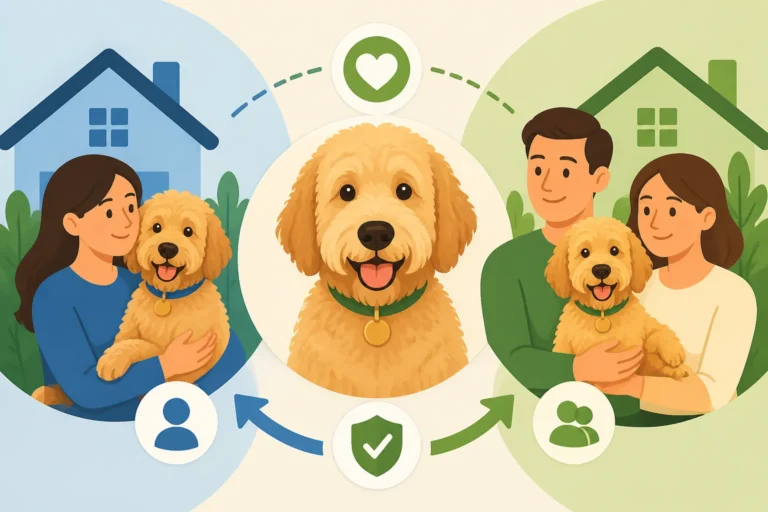
Whether a Rescued Labradoodle Works Out Cheaper
It’s a common scenario: you’ve fallen head over heels for the Labradoodle, those wonderfully charming, intelligent, and often goofy dogs, but then you look at the price tag of a puppy from a reputable breeder, and your jaw drops. It's completely understandable to wonder if rescuing a Labradoodle might be the budget-friendly path to bringing one of these beloved doodles into your home. This guide will delve into the financial realities of adopting a rescued Labradoodle, exploring both the upfront savings and the potential long-term costs, so you can make an informed decision without any surprises.
The Upfront Cost of a Rescued Labradoodle
When you consider getting a dog, especially a popular breed like a Labradoodle, the initial purchase price can be a significant barrier. Reputable breeders invest heavily in health testing, quality care, and early socialization, which is reflected in their prices. This often leads many prospective owners to look towards rescue organizations, hoping for a more affordable entry point.
Adoption Fees: What to Expect
The first thing you'll notice when looking at rescue organizations is the adoption fee. These fees are typically a fraction of what you'd pay for a puppy from a breeder. Rescue organizations are non-profits, and their fees are designed to cover the basic costs associated with caring for the dogs they take in, not to make a profit. These costs are often substantial, covering everything from initial veterinary assessments to ongoing care.
A typical adoption fee often includes essential services that would be additional costs if you purchased a puppy. This usually encompasses spaying or neutering, which is a major expense on its own. It also covers initial vaccinations, deworming, and often microchipping, providing a permanent ID for your new family member. Many rescues also perform a basic health check and provide flea and tick treatment. So, while you're paying an adoption fee, you're essentially getting a dog that's already had a significant chunk of its initial veterinary care taken care of, which can feel like a huge win right off the bat. It means your immediate priority after bringing them home is often just settling them in, rather than rushing off for multiple vet appointments.
Initial Medical & Grooming Needs
While adoption fees cover a lot, it’s crucial to understand that a rescue dog’s journey to your home isn’t always a perfectly paved path. Many Labradoodles end up in rescue due to circumstances that may have included neglect or lack of proper care, and sometimes their health or grooming needs are more extensive than what a standard adoption fee can fully cover. This isn't a criticism of rescues, but simply a reality of the situations these dogs come from.
For instance, a rescue Labradoodle might arrive with a coat that has been severely neglected. Labradoodles, with their Poodle heritage, require consistent grooming to prevent painful matting. If a dog has been living in a shelter or a previous home where grooming was overlooked, they could come to you with a coat that is a solid, felted mess. This often requires professional dematting or even shaving, which can be quite costly. Beyond grooming, some dogs might have underlying dental issues from years without proper care, or they might need more advanced diagnostics for conditions that weren't immediately apparent during their initial rescue intake. While the rescue provides what it can, these deeper issues often become the responsibility of the adopter.
The Hidden Costs and Ongoing Expenses of a Rescued Labradoodle
The initial adoption fee might seem like a bargain, but the true cost of a rescued Labradoodle often extends beyond that upfront payment. There are many factors that can contribute to a higher overall cost in the long run, particularly concerning their health and behavior, which are sometimes unknown upon adoption.
Addressing Past Trauma or Behavior Issues
Many rescue Labradoodles, through no fault of their own, arrive with baggage. Their past environments might have been unstable, or they may have lacked crucial early socialization and training experiences. This can manifest as various behavioral issues, from anxiety and fear to resource guarding or a lack of basic manners. Imagine bringing home a sweet-looking Labradoodle only to find they suffer from severe separation anxiety, barking incessantly and destroying furniture when left alone. This isn't just emotionally draining; it has a significant financial impact.
Addressing these issues often requires professional help. You might need to hire a certified professional dog trainer for one-on-one sessions or enroll in specialized classes. Behavior modification programs can range widely in cost, and the commitment of time and effort is substantial. Things like enrichment toys, special calming aids, or even behavioral medications prescribed by a vet can add up quickly. It's a testament to your compassion to help a dog overcome these challenges, but it's vital to be realistic about the potential investment. If you're wondering Whether a Washed Out Labradoodle Has Behavior Problems, it's certainly a possibility with some rescue dogs.
Managing Undiagnosed Health Conditions
One of the biggest unknowns with a rescue dog is their complete health history. While rescues do their best to provide veterinary care and disclose any known conditions, it’s not always possible to know everything, especially if the dog’s background is vague. Unlike a puppy from a reputable breeder who provides health clearances for generations, a rescue Labradoodle might carry undisclosed genetic predispositions or develop chronic conditions that weren't apparent during their time in the shelter.
For example, Labradoodles are prone to certain health issues inherited from their parent breeds, such as hip and elbow dysplasia, certain eye conditions like Progressive Retinal Atrophy, or even Addison's Disease. A rescue might appear healthy, but six months down the line, signs of joint pain might emerge, leading to costly diagnostics, medications, or even surgery. Similarly, vague symptoms like lethargy or digestive upset could point to something more serious, like The Vague Signs of Addison's in a Labradoodle, which requires lifelong management. These unexpected veterinary bills can quickly eclipse any initial savings from the adoption fee, making pet insurance or a robust emergency fund absolutely critical for any rescue dog, especially if you're concerned about potential conditions like bloat, where What Emergency Bloat Surgery Costs a Labradoodle Owner can be astronomical.
Grooming the Often-Neglected Coat
Let's talk about that beautiful Labradoodle coat. It’s one of their most defining features, but it’s also a significant commitment. Many Labradoodles find their way into rescue because their previous owners underestimated the intense grooming needs of their Poodle-mix coat. When a Labradoodle's coat is neglected, it doesn't just look messy; it can become a painful, matted mess that compromises their health and comfort. These mats can pull on the skin, cause sores, and even hide skin infections.
When you adopt a rescue Labradoodle, there's a good chance they'll need a significant grooming overhaul right away. This isn't just a quick bath and brush; it often involves extensive dematting, which is a slow, tedious, and sometimes painful process for the dog. Professional groomers will charge a premium for this type of work, as it takes far more time and skill than a regular trim. In severe cases, the only humane option is a complete shave-down, which leaves the dog bare but free from pain. Even after the initial "rescue groom," you'll need to commit to a regular grooming schedule, either at home or with a professional. The cost of regular upkeep, whether you're paying a groomer or investing in professional tools and your own time, is an ongoing expense that many first-time Labradoodle owners simply don't anticipate. You might find yourself quickly learning What a Groomer Charges to Strip a Matted Labradoodle if you adopt a dog in this condition.
Long-Term Financial Considerations
While the immediate sticker shock of a breeder puppy is undeniable, it's crucial to look beyond the initial cost when considering a rescue. The truth is, owning any dog, especially a large, active breed like a Labradoodle, is a significant long-term financial commitment that extends far beyond the adoption day.
The Cost of Regular Care vs. Initial Savings
When you look at the big picture, the upfront adoption fee, even with potential initial medical and grooming costs, represents only a fraction of what you'll spend over a Labradoodle's lifetime. Every dog needs quality food, annual vet check-ups, preventative medications for fleas, ticks, and heartworm, and routine grooming. These are not optional expenses; they are essential for your dog’s health and well-being.
Consider food costs, for example. A standard-sized Labradoodle eats a fair amount, and feeding a high-quality diet can be a substantial monthly expense. Brands like Ollie offer nutritious, human-grade food options, which can be an investment in your dog's health but certainly add to the monthly budget. Then there are yearly vaccinations, dental cleanings, and any unexpected vet visits for minor ailments. When you tally up these recurring costs over 10-15 years, the initial savings from adopting quickly become less significant. The question isn't just "is it cheaper to rescue?" but "can I afford the ongoing care for this particular dog?"
Insurance and Emergency Funds
Given the potential for unknown health issues in a rescue Labradoodle, investing in pet insurance or building a substantial emergency fund is not just a good idea; it's practically a necessity. Many owners are surprised by how quickly vet bills can escalate for unexpected illnesses or accidents. If your rescue Labradoodle develops a chronic condition that requires lifelong medication or specialized care, those costs can quickly become overwhelming without a financial safety net.
Pet insurance, from providers like Healthy Paws or options available through retailers like Chewy, can help mitigate the financial impact of major medical events. It typically covers a percentage of veterinary costs for accidents, illnesses, and sometimes even hereditary conditions, assuming the condition wasn't pre-existing before coverage began. For a rescue dog with an unknown history, getting insurance before any issues manifest is a smart move. Otherwise, you might find yourself looking at thousands of dollars in medical bills, which would far outweigh any savings from the adoption fee. Preparing for the unexpected is a responsible part of dog ownership, regardless of whether you acquire your Labradoodle from a breeder or a rescue.
| Cost Category | Rescued Labradoodle (Typical) | Breeder Labradoodle (Typical) |
|---|---|---|
| Upfront Acquisition | Moderate Adoption Fee | High Purchase Price |
| Initial Vet Care | Often included in fee | Separate cost |
| Spay/Neuter | Often included in fee | Separate cost |
| Initial Grooming | Potentially high for neglect | Regular maintenance |
| Behavior Training | Potentially high, if needed | May be routine puppy classes |
| Health Guarantee | Limited or none | Common, often for 1-2 years |
| Known Health History | Often incomplete/unknown | Detailed, health-tested parents |
| Ongoing Food | Consistent monthly expense | Consistent monthly expense |
| Ongoing Grooming | Consistent monthly expense | Consistent monthly expense |
| Pet Insurance | Highly recommended | Highly recommended |
| Emergency Fund | Highly recommended | Highly recommended |
In conclusion, while the adoption fee for a rescued Labradoodle is undeniably lower than the purchase price of a puppy from a reputable breeder, it's not a guarantee of a cheaper overall cost of ownership. The long-term expenses, particularly related to potential behavioral challenges, undisclosed health conditions, and the ongoing demand for professional grooming, can quickly add up. Rescuing a Labradoodle is an incredibly rewarding experience, offering a deserving dog a second chance at a loving home. However, it's essential to enter into it with your eyes wide open to the full financial commitment, understanding that the initial savings might just be the beginning of your investment in their well-being. The decision should ultimately come down to finding the right companion, not simply the lowest price tag.
Disclaimer
This article is for general informational purposes only and does not constitute professional advice. Laws, prices and regulations vary by location and change over time. Consult a qualified professional for guidance on your specific situation.