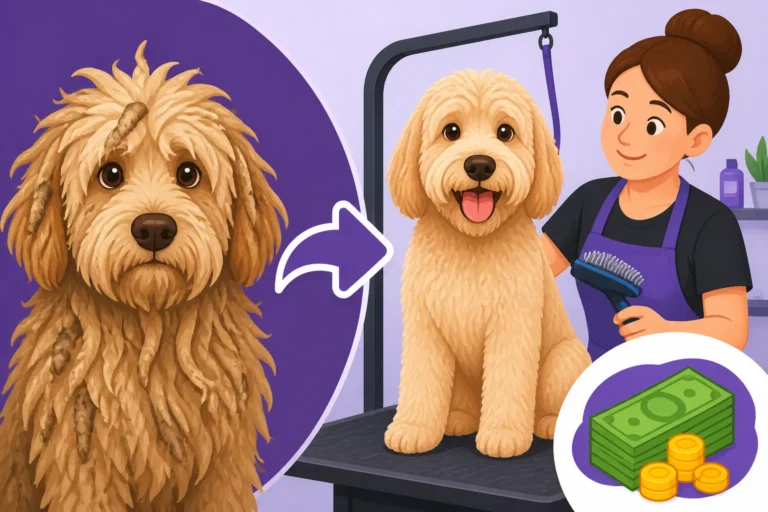
What Rehoming a Labradoodle Yourself Costs
Having to make the difficult decision to rehome your beloved Labradoodle is an incredibly tough experience. It's a situation no pet parent ever imagines finding themselves in, often born out of circumstances beyond your control, like a sudden move, a new baby, or unforeseen financial strain. Beyond the deep emotional heartache, there are practical considerations and, yes, financial costs involved in ensuring your furry family member finds the perfect new home. This guide isn't here to judge; it's here to help you understand the potential expenses that come with responsibly rehoming your Labradoodle yourself, so you can plan effectively and give them the best possible chance at a smooth transition.
The Initial Health and Grooming Costs
Before your Labradoodle meets potential new families, it's really important that they are in the best possible condition, both health-wise and appearance-wise. This not only demonstrates your commitment to their well-being but also makes them more appealing and less likely to be returned. Think of it as preparing them for their "interview."
Essential Veterinary Check-ups
One of the most crucial first steps is a comprehensive veterinary check-up. This isn't just about making sure they're healthy; it's about providing potential adopters with peace of mind. A recent vet visit can confirm your Labradoodle is up to date on vaccinations, free of parasites, and generally in good health. If any underlying issues are discovered, addressing them now can prevent larger problems later and show prospective owners that you've been proactive. This might include updating their rabies vaccination, getting a fecal test, or even a basic blood panel, especially if your Labradoodle is getting on in years. The Yearly Screening a Labradoodle Should Get is a good benchmark for what your vet might recommend.
Costs here can vary significantly depending on what your Labradoodle needs. If they're already current on everything, it might just be the exam fee. However, if boosters are needed, deworming, or even microchipping (which is highly recommended if they aren't already), those will add to the bill. If your Labradoodle has a chronic condition, such as allergies or joint stiffness, having clear documentation and a plan for management is also vital. This transparency helps the new owners understand what they're taking on.
Professional Grooming for a Good First Impression
Labradoodles are renowned for their beautiful, often non-shedding coats, but these coats demand regular professional grooming. If your Labradoodle hasn't seen a groomer in a while, they might be matted or their coat could be overgrown, obscuring their true beauty and potentially causing discomfort. Sending them to a new home looking and feeling their best is an act of kindness and significantly boosts their chances of adoption.
A professional groomer will brush them out, trim their coat to a manageable length, clean their ears, and clip their nails. This can be a significant expense, especially if your Labradoodle's coat is severely matted and requires extra time or even a complete shave-down. What a Groomer Charges to Strip a Matted Labradoodle can give you an idea of the higher end of these costs. However, it’s an investment in their future. A clean, well-groomed Labradoodle looks cared for and makes a far better impression than one whose coat is neglected. It tells potential families that this is a dog who has been loved and maintained.
Necessary Supplies and Comfort Items
As you prepare your Labradoodle for their new family, gathering essential supplies is a thoughtful gesture. This might include their favorite blanket, a few beloved toys, their current food (enough for a week or two to help with the transition), and any medications they might be taking. Having these items can make the first few days in a new home less stressful for your dog. A new collar and leash, perhaps with a temporary tag displaying the new owner's contact information, are also wise additions.
You might find yourself purchasing some of these items, particularly if your current ones are worn out or if you want to send them with a fresh start. You can often find good deals on high-quality items at retailers like Chewy, which can help keep these costs manageable. Consider whether your Labradoodle has a special bed or crate that could go with them, especially if they are accustomed to it. Familiar scents and items can be incredibly comforting during a time of change.
Advertising, Screening, and Legal Considerations
Once your Labradoodle is healthy, groomed, and ready, the next step is finding the right family. This process involves more than just putting up a "for adoption" sign; it requires careful advertising, thorough screening, and sometimes, even legal protections.
Creating an Appeal for Your Labradoodle
Effective advertising is key to finding a suitable home. This means writing a compelling description of your Labradoodle, highlighting their personality, quirks, and what kind of home would best suit them. Be honest about their energy levels, their training, and any specific needs they might have. High-quality photos are non-negotiable – bright, clear pictures that show off their lovely temperament and groomed appearance. You might even consider a short video showcasing their playful side.
While posting on social media groups dedicated to Labradoodles or local pet rehoming might be free, you might consider paid listings on reputable pet adoption websites to reach a wider, more serious audience. These platforms often charge a small fee, but they can be invaluable for connecting with responsible pet owners actively seeking a new companion. The goal is to attract adopters who truly understand The Time a Labradoodle Takes Out of a Week and are prepared for it.
Background Checks and Home Visits
This is perhaps the most critical part of rehoming your Labradoodle yourself. You want to ensure they go to a safe, loving, and permanent home. This means conducting thorough background checks on potential adopters. Ask for references, including a veterinary reference if they've owned pets before. Have detailed conversations about their lifestyle, their experience with dogs, and how they envision integrating a Labradoodle into their family. Don't be afraid to ask tough questions.
A home visit is also highly recommended, even if it feels intrusive. It gives you a chance to see where your Labradoodle would be living, to assess the environment for safety, and to observe how the potential adopters interact with your dog in their own space. This step might incur travel costs for you, but it’s a small price to pay for peace of mind. Some people even use online services that can perform basic background checks for a fee, offering an extra layer of security when you're unable to do a physical home visit due to distance.
Rehoming Contracts and Legal Fees
While not always legally required, a rehoming contract is a smart move when placing your Labradoodle. This document can outline the terms of the adoption, confirm that the dog is going to a good home, and sometimes include clauses about returning the dog to you if the new arrangement doesn't work out. It's a way to formalize the transfer of ownership and ensure both parties are clear on their responsibilities.
You can often find templates for pet adoption contracts online, which might be free or incur a small fee. For added security and to ensure the contract is legally sound in your area, you might consider having a lawyer review it. This would be an additional legal fee, but for some, the peace of mind is worth the investment. This helps protect both you and your Labradoodle, ensuring their future is as secure as possible.
Managing the Transition Period
Rehoming isn't an instant process. There's often a waiting period while you search for the right family, and then a transition period as your Labradoodle adjusts. These stages also come with their own set of costs.
Continued Care During the Waiting Period
While you're searching for that perfect new home, your Labradoodle still needs your full care and attention. This means continued expenses for high-quality food, treats, and any ongoing medications. Your Labradoodle might also need new toys or chews to keep them stimulated and happy during what can be a confusing time for them. If your dog is on a specialized diet, such as those offered by services like Ollie, these ongoing food costs can be significant, but maintaining their routine is crucial for their well-being.
Don't forget the everyday costs like waste bags, grooming supplies for at-home maintenance between professional grooms, and potentially new bedding if theirs is worn out. It's easy to overlook these seemingly small expenses, but they add up quickly, especially if the rehoming process takes longer than expected. Remember, The Weight a Labradoodle Should Hold is important for their health, so continuing a proper diet is non-negotiable.
Behavioral Support and Training Refresh
Sometimes, the reasons for rehoming a Labradoodle can be behavioral issues that have become too challenging for the current owner. If this is the case, investing in some professional behavioral support or a training refresher before rehoming can be incredibly beneficial. A well-behaved Labradoodle is far more appealing to potential adopters and more likely to settle into a new home successfully. This could involve a few sessions with a certified professional dog trainer to address specific issues like leash pulling, excessive barking, or jumping.
Even if there aren't major issues, a little tune-up of basic commands can make your Labradoodle shine during meet-and-greets. This investment in training can improve their chances of finding a forever home and prevent them from being returned later. Exploring options like online courses or local group classes, which are often more affordable than one-on-one training, might be worth considering. Whether an Owner Can Train Their Own Service Labradoodle delves into the depth of training these intelligent dogs are capable of, even if your goal is simpler basic manners.
Temporary Boarding or Foster Care
In some situations, you might not be able to keep your Labradoodle at home while you're searching for a new owner. This could be due to a move where pets aren't allowed, an urgent personal crisis, or simply a desire to separate the dog from a stressful home environment. In these cases, temporary boarding at a kennel or placing your Labradoodle with a foster family can become a necessary expense.
Kennel costs can add up very quickly, often charged by the day or week. While foster care, especially through a rescue organization, might be volunteer-based, if you're arranging private foster care, you might offer compensation to the foster family for their time and care. This ensures your Labradoodle is safe and well-cared for while you handle the rehoming process, but it's another financial consideration you need to factor in. Fostering a Labradoodle Nobody Has Brushed might give you insight into the work involved for a foster.
The Emotional Toll and Hidden Financial Burdens
Beyond the obvious financial outlays, rehoming a Labradoodle can bring unexpected costs and an immense emotional burden that should not be underestimated.
Unexpected Medical or Behavioral Needs
Even with a recent vet check, animals can be unpredictable. A new stressor in a different environment or even just the change in routine can sometimes trigger a dormant medical issue or exacerbate a behavioral problem. If your Labradoodle needs additional vet visits or medication during the rehoming process, those costs fall on you. Perhaps they develop a stress-related gastrointestinal upset, or an old injury flares up. Having a small emergency fund set aside for such possibilities can ease the burden.
Similarly, behavioral issues might surface or intensify as your Labradoodle processes the changes. They might start showing signs of separation anxiety, or exhibit reactivity in new situations. Addressing these can require further training sessions or even consultation with a veterinary behaviorist, which are often more expensive than a regular trainer. This is why thorough screening of new owners is so critical; they need to be prepared for What Nobody Tells a First Time Labradoodle Buyer which often includes potential behavioral quirks.
Lost Income from Time Off
The rehoming process isn't just about money out; it's also about time invested. You'll spend hours crafting ads, communicating with potential adopters, scheduling and conducting interviews, and performing home visits. If you have a job with limited flexibility, this could mean taking time off work, leading to lost income. Each phone call, email, and meeting chips away at your available time.
Consider the time spent traveling to vet appointments, groomer visits, or even just driving your Labradoodle to meet potential families. These aren't just gas costs; they're hours that could have been spent elsewhere, including earning money. While hard to quantify, the opportunity cost of your time can be a significant, unacknowledged part of the rehoming expense.
The Emotional Cost
While not a direct financial cost, the emotional toll of rehoming a cherished pet is perhaps the heaviest burden of all. The guilt, sadness, and stress can impact your mental well-being, potentially affecting your productivity, relationships, and overall quality of life. You might find yourself spending money on self-care, counseling, or other coping mechanisms to navigate this difficult period.
The decision to rehome is rarely made lightly, and it often comes with a profound sense of loss. While these aren't line items on a budget, they are very real costs that you bear. Investing in a responsible rehoming process, even with its financial demands, can ultimately reduce this emotional burden by providing you with the peace of mind that you did everything you could for your Labradoodle. This emotional investment is also why many turn to rescues, even if there's a fee, because the organization takes on much of this vetting process. Whether a Rescue Labradoodle Lives as Long is often a concern, but the benefit of a rescue's expertise in placement can be invaluable.
Here's a table summarizing some common costs you might encounter:
| Category | Potential Cost Factors | Description |
|---|---|---|
| Initial Preparations | Veterinary exam, vaccinations, deworming, microchip, flea/tick prevention | Ensuring your Labradoodle is healthy and up-to-date on medical care for a good start. |
| Professional grooming (bath, trim, de-matting) | Presenting your Labradoodle in their best light; extra costs for matted coats. | |
| Basic supplies (food, leash, collar, toys, bed, travel crate) | Sending your Labradoodle with familiar comforts and essentials for their new home. You might check Chewy for some good deals. | |
| Marketing & Screening | Online listing fees, professional photos | Reaching a wide and qualified audience of potential adopters. |
| Background check services, gas for home visits | Verifying the suitability and safety of prospective homes. | |
| Legal review of rehoming contract | Ensuring a legally sound transfer of ownership and future protections. | |
| Transition & Ongoing Care | Continued food, medication, treats | Maintaining your Labradoodle's routine and health until placed. Consider brands like Ollie for consistent nutrition. |
| Trainer sessions, behavioral consultations | Addressing any issues to make your Labradoodle a more desirable and adaptable companion. | |
| Kennel fees, private foster compensation | Temporary housing if you cannot keep your Labradoodle at home during the process. | |
| Unexpected & Hidden | Emergency vet visits, specialist consultations | Unforeseen health or behavioral issues arising during the rehoming period. For serious issues, having an existing Healthy Paws policy might have helped, but this is a rehoming cost. |
| Lost wages from time off work | The value of your time spent on the rehoming process. | |
| Emotional support, stress management | Personal costs associated with the difficulty of the decision and process. |
The decision to rehome a Labradoodle is never easy, and it comes with more than just a heavy heart. By understanding and preparing for these various costs, you can make the process as smooth and responsible as possible for both you and your beloved companion, ensuring they land in a home where they will thrive.
Disclaimer
This article is for general informational purposes only and does not constitute professional advice. Laws, prices and regulations vary by location and change over time. Consult a qualified professional for guidance on your specific situation.