What Doodle Rock Rescue Charges for a Labradoodle
It's completely understandable to wonder about the financial aspect when you're looking to bring a Labradoodle into your home, especially if you're considering rescue. You want to do the right thing, give a dog a second chance, but you also need to be realistic about your budget. This guide will walk you through what to expect when it comes to adoption fees at organizations like Doodle Rock Rescue, delving into what those costs cover, and what other expenses you should anticipate as a responsible Labradoodle parent.
The Heart Behind Rescue: Why Adoption Fees Exist
When you see an adoption fee listed by a rescue organization, it's easy to just see it as a price tag. But in reality, it's so much more than that. Rescue organizations, like Doodle Rock Rescue, are non-profits, often run by dedicated volunteers who pour their hearts and their own resources into saving dogs. These fees are absolutely essential for them to continue their life-saving work and prepare each dog for its forever home. They're not making a profit; they're covering operational costs and ensuring the dogs they take in are healthy and ready for a new beginning.
More Than Just a Number: What the Fee Covers
Think of the adoption fee as an investment in the health and well-being of your future family member. Every dollar goes towards the significant expenses incurred while the dog is in their care. This typically includes a thorough veterinary examination, ensuring the dog is up-to-date on all necessary vaccinations, and often includes microchipping for identification. Perhaps one of the biggest costs covered is spaying or neutering, which is a critical part of responsible pet ownership and population control. Many rescues also provide deworming and flea/tick treatments, and some even perform initial dental cleanings or address minor medical issues that are discovered during their intake process.
Beyond the medical care, there's the daily upkeep. Dogs need food, bowls, leashes, collars, and often toys and bedding. Many rescues rely on a network of foster homes, which helps keep overhead low, but there are still expenses for things like transportation for vet appointments or to move dogs between foster homes. Some dogs come into rescue with behavioral issues that require professional assessment or training, adding another layer of expense. It's a comprehensive package designed to give each Labradoodle the best possible start in their next chapter.
The Investment in a Second Chance: Value for Your Dollar
When you adopt a Labradoodle from a rescue, you're not just paying for a dog; you're contributing to a system that provides crucial care and rehabilitation. You're getting a dog that has often already been assessed for temperament, lived in a home environment through fostering, and received basic house training or leash manners. This can be a huge advantage, especially for first-time dog owners, as it removes some of the early unknowns and helps ensure a better match. The rescue's dedication means they’ve invested time and money into making sure the dog is ready for a smooth transition into your home.
Consider the alternative: if you were to acquire a dog from a source that didn't provide this level of care, you would immediately be on the hook for all these medical procedures yourself. Spaying or neutering alone can be a significant cost, let alone all the vaccinations, microchipping, and deworming. When you look at it this way, the adoption fee often represents a considerable saving on initial veterinary expenses. It's truly a win-win: you get a vetted dog, and the rescue gets the funds needed to save another.
Navigating Doodle Rock Rescue's Adoption Process and Costs
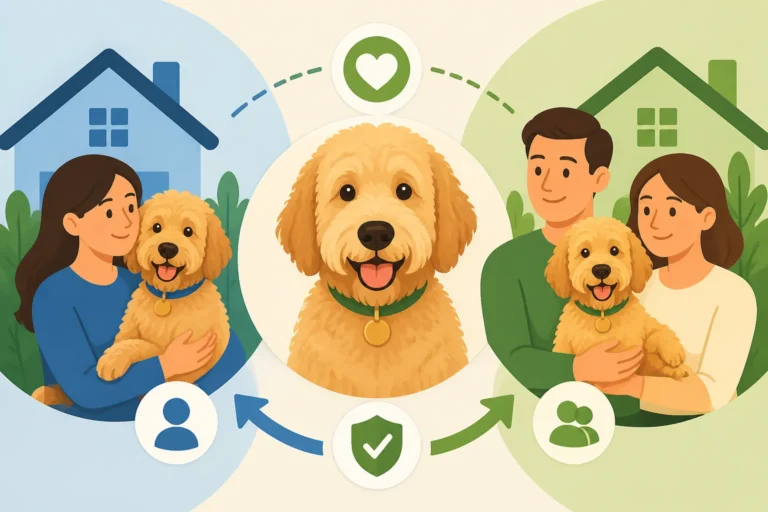
Doodle Rock Rescue, like most reputable rescue organizations, has a structured adoption process designed to ensure their Labradoodles find the most suitable homes. Their goal isn't just to rehome a dog, but to make a lasting match that benefits both the dog and the adopting family. This means their process is thorough, and their fees reflect the commitment they make to each animal. You can typically find specific details on their official website, as these figures can fluctuate based on their current needs and the specific dog's history.
Understanding the Application and Approval Steps
Before any discussion of fees, you'll go through an application process. This usually involves filling out a detailed form about your living situation, previous pet experience, lifestyle, and what you're looking for in a dog. Doodle Rock Rescue often conducts phone interviews, veterinary reference checks (if you've owned pets before), and sometimes even home visits, either in person or virtually. This isn't meant to be intrusive, but rather to ensure your home is a safe and appropriate environment for a Labradoodle. They want to know your family is ready for the commitment, including the time and financial resources involved.
Once approved, you'll typically be matched with a Labradoodle that fits your family's profile. This careful matching process is invaluable, helping to prevent future surrenders and ensuring a happy life for the dog. They'll consider factors like the dog's energy level, its history with children or other pets, and any specific needs it might have. This detailed process is part of what makes adopting from a dedicated rescue like Doodle Rock so beneficial, as they genuinely care about the long-term success of each adoption. This diligence helps to ensure that when you find your perfect match, it's truly meant to be.
What to Expect from Their Adoption Contributions
While specific numbers are best found directly on Doodle Rock Rescue's website, their adoption fees generally fall within the typical range for well-managed breed-specific rescues. These fees are set to cover the costs we discussed earlier—the extensive veterinary care, food, and other resources invested in each Labradoodle. You might find that puppies and younger, highly desirable dogs sometimes have a slightly higher fee, as these often generate more interest and help offset the costs of older or special needs dogs who may require more extensive medical treatment or longer stays in foster care.
Conversely, senior Labradoodles or those with ongoing medical conditions might have reduced adoption fees, or even fall into a "sponsored" adoption program to encourage their placement. Doodle Rock Rescue's fees are not arbitrary; they are carefully calculated to keep the rescue operational and ensure they can continue their mission. It’s an upfront contribution that enables them to save more dogs, provide critical care, and continue educating potential adopters about responsible pet ownership. When you pay that fee, you’re becoming part of their vital work. For instance, sometimes a Labradoodle might arrive needing urgent care for conditions like ear infections built into a Labradoodle's drop ear, and the adoption fee helps cover these unforeseen expenses.
Beyond the Initial Fee: Budgeting for Your Rescue Labradoodle
Bringing a Labradoodle home, whether from a breeder or a rescue, is a significant long-term financial commitment. The adoption fee is just the beginning. It’s crucial to understand and plan for the ongoing expenses to ensure your new companion lives a happy, healthy life with you. Many owners underestimate the true cost of dog ownership, which can unfortunately lead to dogs being surrendered again.
Setting Up Your Home: First Purchases and Supplies
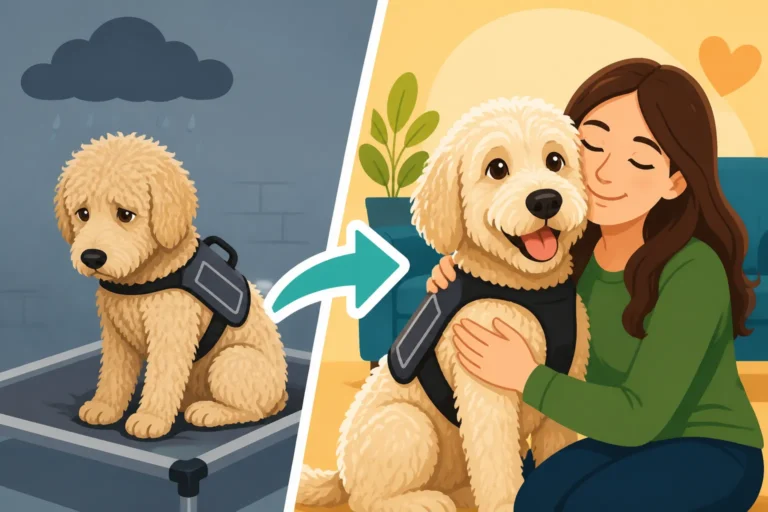
Once your adoption is approved and you know your new Labradoodle is coming home, there's an initial flurry of purchases you'll need to make. Think about essential items like a sturdy crate, especially if you plan on Teaching a Labradoodle That You Come Back and working on separation anxiety or safe containment. You'll need food and water bowls, a comfortable dog bed (or several!), a leash, a collar, and possibly a harness – remember to check if A Front Clip Harness Mats a Labradoodle if you choose that type. Toys are also important for mental stimulation and bonding.
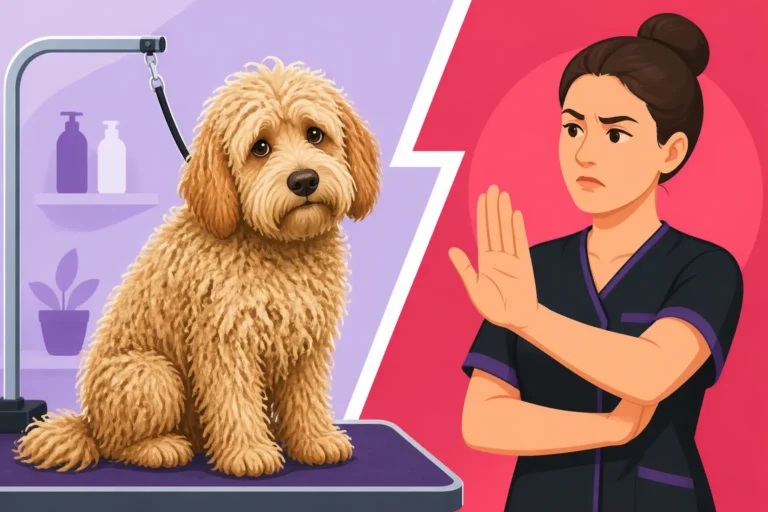
Consider their nutrition, too. You might want to start with the food the rescue has been feeding them to minimize stomach upset, then transition them slowly to your chosen brand. Services like Ollie can provide high-quality, pre-portioned fresh dog food, which is a great option for maintaining health and managing weight. Grooming supplies are non-negotiable for a Labradoodle. You'll need brushes, combs, and nail clippers right away. If you plan to groom at home, a good shampoo and a high-velocity dryer are smart investments. If you opt for professional grooming, budget for regular appointments, as The Yearly Grooming Total on a Standard Labradoodle can be substantial.
| Item Type | Examples of Initial Purchases | Frequency of Purchase | Estimated Cost Impact |
|---|---|---|---|
| Housing | Crate, dog beds, blankets | Once (initially), replace as needed | Medium to High |
| Feeding | Food/water bowls, dog food (e.g., Ollie) | Monthly for food, once for bowls | High (ongoing) |
| Walking Gear | Leash, collar, harness, poop bags | Once (initially), replace as needed | Low to Medium |
| Grooming | Slicker brush, comb, nail clippers, shampoo, dryer (optional), professional groomer | Every few weeks to months (groomer), once for tools | High (ongoing) |
| Health | Microchip registration, vet visit, preventatives | Yearly vet, monthly preventatives | Medium (ongoing) |
| Training/Play | Toys, chew items, training treats | Monthly to quarterly | Low to Medium |
| Miscellaneous | Pet tags, enzymatic cleaner | As needed | Low |
Ongoing Care: The Lifetime Commitment
Beyond the initial setup, a Labradoodle requires consistent care, which means ongoing financial commitment for many years. Regular veterinary check-ups are essential for preventative care, and you’ll need to budget for annual vaccinations, heartworm prevention, and flea and tick medications. These routine costs are predictable, but unexpected vet visits due to illness or injury can quickly become very expensive. This is where pet insurance, like plans offered by Healthy Paws, can be an absolute lifesaver. While it's a monthly premium, it can provide immense peace of mind when faced with emergency situations or chronic conditions.
Food is another significant ongoing expense. A standard Labradoodle can eat a fair amount, and choosing a high-quality diet is vital for their health. How Much an Adult Labradoodle Eats Daily will give you an idea of the quantities involved. Grooming is also a major factor. Labradoodles, especially those with wool or fleece coats, require frequent brushing to prevent matting, and professional grooming every 6-8 weeks for clipping and bathing. If you try to do it all yourself, you’ll need to factor in the cost of quality tools and your time. Don't forget training classes, especially if you adopt a young dog or one with specific behavioral needs. Investing in training early on can prevent more costly issues down the road. Every Labradoodle deserves a secure, loving, and well-supported home for their entire life, which can span The Twelve to Fifteen Years a Labradoodle Lives.
The Long-Term Picture: Rescue vs. Breeder Costs
When considering a Labradoodle, many people weigh the costs of adopting from a rescue against purchasing from a breeder. While the upfront fee might seem comparable, or even higher in some rescue scenarios, there are often hidden savings and considerations that make rescue an incredibly valuable option.
Hidden Savings: What a Rescue Dog Already Has
One of the most significant advantages of adopting from a reputable rescue like Doodle Rock Rescue is that many of the initial, often expensive, veterinary procedures have already been taken care of. As mentioned, this almost always includes spaying or neutering, which can save you several hundred dollars right off the bat. Most rescue dogs also come microchipped, dewormed, up-to-date on core vaccinations (like distemper, parvovirus, rabies), and have had at least one general health check-up. These are all expenses you would incur within the first few months of bringing a new puppy home from a breeder.
Furthermore, some rescue Labradoodles may have received basic obedience training or house-training from their foster families. This head start can save you time, effort, and potentially the cost of early training classes. You're also often getting a dog whose temperament has been observed in a home environment, giving you a clearer picture of their personality and energy levels. While breeders strive to match puppies to families, a rescue dog's personality is typically more developed and observable, making the matching process more reliable. This can be particularly helpful if you're concerned about specific traits, like whether a Labradoodle will fit into a multi-pet household or Whether a Labradoodle Suits a Family With Babies.
Preparing for the Unexpected: Health and Insurance
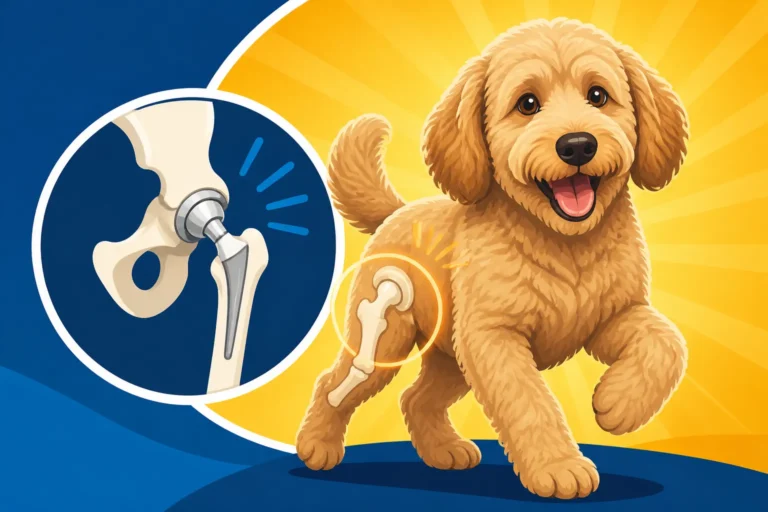
Even with the initial veterinary care provided by the rescue, it’s vital to acknowledge that any dog can develop health issues, and rescue dogs, whose full history might not always be known, are no exception. While many rescues perform basic health checks and address immediate concerns, they can't predict the future. Conditions like Elbow Dysplasia in a Labradoodle Puppy or inherited diseases like Addison's Disease a Labradoodle Inherits From the Poodle might not manifest until later in life.
This is why preparing for unexpected health costs is paramount. Building an emergency fund specifically for your pet is a smart move. Alternatively, or in conjunction, investing in pet insurance from providers like Healthy Paws can protect you from significant financial strain if your Labradoodle faces a serious illness or injury. Many policies cover accidents, illnesses, surgeries, and even some hereditary conditions if enrolled early. Researching options and understanding what Whether a Labradoodle Policy Covers Hereditary Conditions can save you from tough decisions down the line. Remember, committing to a Labradoodle means committing to their health for their entire life.
Disclaimer
This article is for general informational purposes only and does not constitute professional advice. Laws, prices and regulations vary by location and change over time. Consult a qualified professional for guidance on your specific situation.