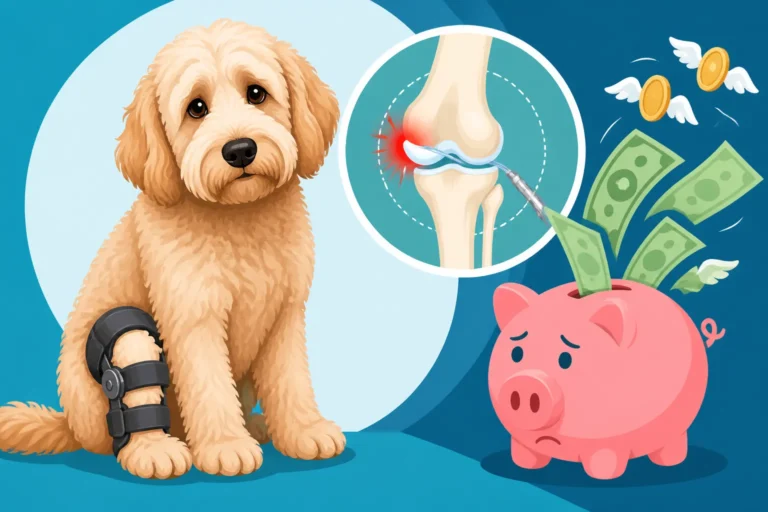
Whether a Labradoodle Policy Covers Hereditary Conditions
It's a frustrating reality for many Labradoodle owners: you've welcomed this wonderful, bouncy, intelligent dog into your life, dreaming of years of companionship, but then the whisper of "hereditary conditions" starts to make you anxious about their long-term health and the potentially staggering vet bills. Navigating pet insurance can feel like trying to untangle one of your Labradoodle's mats after a muddy walk, especially when you're trying to figure out if your policy will actually cover those health issues that might be hiding in their genetic code. This guide is here to shed some light on whether a pet insurance policy can truly protect you from the financial burden of a Labradoodle's inherited health challenges.
Understanding Hereditary Conditions in Your Labradoodle
When you bring home a Labradoodle, you're getting a dog that's a blend of two fantastic breeds: the Labrador Retriever and the Standard Poodle. Both bring wonderful qualities to the table, but they also contribute their own predispositions to certain health issues. It's not about if your dog will get something, but about understanding the potential and how to best prepare.
What Qualifies as a Hereditary or Congenital Condition?
Let's clear up some terms because insurance companies really care about the distinctions. A hereditary condition is a disease or disorder that is inherited genetically from a dog's parents or ancestors. It's written in their DNA. Think of things like hip dysplasia, a common orthopedic issue, or certain eye conditions. These conditions might not show up until later in life, but the genetic blueprint was there from day one.
Congenital conditions, on the other hand, are abnormalities that are present at birth, regardless of whether they are hereditary. Sometimes a congenital condition is hereditary, but not always. For instance, a heart murmur could be congenital (present at birth) and also hereditary (passed down genetically), or it could be congenital but caused by something non-genetic during development.
For Labradoodles, there's a range of conditions that are known to have a hereditary component, passed down from either the Labrador or Poodle side. We're talking about things like Hips and Elbows in a Sixty Pound Labradoodle, which refers to conditions like hip and elbow dysplasia that can cause debilitating arthritis. There's also The prcd-PRA Test Both Labradoodle Parents Need, addressing a progressive retinal atrophy that can lead to blindness. Addison's Disease a Labradoodle Inherits From the Poodle is another one, a tricky condition affecting the adrenal glands that can present with very vague symptoms. And let's not forget Exercise Induced Collapse and the Labradoodle's Labrador Half, which can cause a dog to lose control of its hind legs after periods of intense activity. These are the kinds of issues that truly keep us Labradoodle owners up at night.
Why Labradoodles Are Prone to Certain Inherited Issues
The promise of "hybrid vigor" is often touted with designer breeds like Labradoodles, suggesting they're inherently healthier than their purebred parents. While there might be some truth to that in specific contexts, it's not a magic shield against all genetic problems. A Labradoodle still inherits its genes from its parent breeds, and if those parent breeds carry genes for certain conditions, the Labradoodle can inherit them too. It's a roll of the genetic dice, and sometimes, you get unlucky.
Reputable breeders go to great lengths to test their breeding dogs for these known hereditary conditions. They aim to reduce the risk significantly by ensuring both parents are clear of carrying certain disease genes. This is why it's so important to ask for health clearances, something you might explore further in The Health Tests a Labradoodle Breeder Should Show. But even with the most careful breeding, there's never a 100% guarantee. This inherent possibility of inherited conditions is precisely why pet insurance becomes such a vital part of responsible Labradoodle ownership, giving you peace of mind that you can afford the best care should something arise.
The Nuances of Pet Insurance and Hereditary Coverage
Understanding how pet insurance policies approach hereditary conditions is critical. It's not a one-size-fits-all scenario, and the devil is truly in the details of your policy's fine print.
How Insurance Companies Differentiate Conditions
Most pet insurance providers, including big names like Healthy Paws and those offered through platforms like Chewy, typically categorize conditions in a few key ways:
- Accidents: Sudden injuries like broken bones, snake bites, or cuts.
- Illnesses: Sicknesses like infections, allergies, or digestive upsets.
- Hereditary Conditions: As discussed, conditions passed down genetically, which may or may not manifest at birth.
- Congenital Conditions: Conditions present at birth, irrespective of genetic origin.
- Pre-Existing Conditions: This is the big one. Any illness or injury that your pet showed symptoms of, or was diagnosed with, before your policy's waiting period ended. This is often the primary reason claims are denied, especially when it comes to long-developing hereditary issues.
The good news is that most comprehensive pet insurance plans do cover hereditary and congenital conditions, provided they are not considered "pre-existing" at the time you enroll or during the initial waiting period. The key is that the condition must not have shown any clinical signs or received a diagnosis before you purchased the policy and completed any applicable waiting periods. This is why many experienced owners stress the importance of Insuring a Labradoodle Before Anything Is On Record, ideally when they are a young puppy.
The Importance of a Comprehensive Accident & Illness Policy
When you're looking at pet insurance for your Labradoodle, you'll generally encounter a few main types of plans:
- Accident-Only Plans: These are the most basic and typically the cheapest. They cover injuries from accidents but offer no coverage for illnesses, hereditary conditions, or congenital issues. While they can save you in an emergency, they won't help with the very concerns about hereditary conditions we're discussing.
- Accident & Illness Plans: These are the most popular and what most people mean when they talk about pet insurance. They cover both accidents and a wide range of illnesses, including many hereditary and congenital conditions, assuming they aren't pre-existing. This is the type of plan you absolutely need if you want coverage for potential genetic health issues like those common in Labradoodles.
- Wellness Plans: Often offered as an add-on or a separate, lower-cost plan, wellness plans cover routine care like vaccinations, annual exams, and sometimes preventative medications. They do not cover unexpected accidents or illnesses, so they won't help with hereditary conditions but can complement a comprehensive plan by helping with the regular costs.
For a Labradoodle, especially given their genetic predispositions, a comprehensive accident & illness policy is almost non-negotiable if you want protection against hereditary conditions. You want to make sure the policy you choose explicitly states coverage for hereditary and congenital conditions. Don't assume; always read the policy document or ask directly.
What to Look for in Policy Wording
The exact terms and conditions will vary between providers, but here are critical elements to scrutinize when evaluating coverage for hereditary conditions:
- Hereditary/Congenital Coverage: Does the policy explicitly state that hereditary and congenital conditions are covered? Most reputable insurers will, but confirm.
- Waiting Periods: This is HUGE. Every policy has waiting periods – a set amount of time after enrollment before certain coverages kick in. For accidents, it might be just a few days. For illnesses, it's often 14 days. For orthopedic conditions like hip dysplasia (a common hereditary issue for Labradors and Poodles), some policies have longer waiting periods, sometimes 6 months or even a year. If your Labradoodle shows symptoms of hip dysplasia during that orthopedic waiting period, even if you just got the policy, it could be deemed pre-existing and excluded. Understand these specific waiting periods for conditions relevant to your Labradoodle.
- Annual Limits vs. Unlimited Coverage: Some policies have an annual maximum payout. If your Labradoodle develops a chronic hereditary condition like Addison's Disease, which requires lifelong medication and monitoring, those bills can add up quickly. An unlimited annual payout provides far greater peace of mind.
- Deductibles and Reimbursement Levels: Your deductible is what you pay before the insurance kicks in. Your reimbursement level (e.g., 70%, 80%, 90%) is the percentage of the vet bill the insurer pays after the deductible. A lower deductible and higher reimbursement level mean more money back in your pocket for those expensive hereditary condition treatments.
- Bilateral Conditions: This is a tricky one for conditions like hip dysplasia or cruciate ligament tears. If your Labradoodle is diagnosed with hip dysplasia in one hip before or during a waiting period, some policies might consider both hips pre-existing, even if the other one hasn't shown symptoms yet. Always ask about their stance on bilateral conditions.
- Exclusions: Read the list of exclusions carefully. Are there any conditions specifically excluded that are known to affect Labradoodles? While most general policies will cover hereditary conditions if not pre-existing, some might have very specific exclusions for certain breeds or conditions.
A great way to compare policies is to put these factors side-by-side.
| Feature | What to Look For | Why it Matters for Hereditary Conditions |
|---|---|---|
| Hereditary Coverage | Explicitly stated coverage | Ensures genetic conditions are not automatically excluded. |
| Congenital Coverage | Explicitly stated coverage | Covers conditions present at birth, which can often be hereditary. |
| Waiting Periods | Shortest possible, especially for orthopedic issues | Crucial to avoid conditions being deemed pre-existing if symptoms appear early. |
| Annual Payout Limit | Unlimited or high annual limit | Hereditary conditions can be chronic and require lifelong, expensive care. |
| Deductible | Flexible options, consider your budget and risk tolerance | What you pay out-of-pocket before coverage kicks in for each policy term. |
| Reimbursement Level | 80-90% generally recommended | Higher percentage means less out-of-pocket for you after deductible. |
| Bilateral Conditions | Clear policy on how one-sided issues affect the other | Prevents future claims on the "good" side from being denied if the other side was pre-existing. |
| Enrollment Age | Enroll as young as possible | Earlier enrollment minimizes the chance of conditions being considered pre-existing. |
Navigating Pre-Existing Conditions and Labradoodle Health
This is where many pet owners encounter the biggest challenges and frustrations. A pre-existing condition can severely limit what your insurance will cover, no matter how comprehensive the policy otherwise seems.
Defining Pre-Existing: The Biggest Hurdle
The term "pre-existing condition" is the bane of many pet owners' existence. It means any illness or injury that your Labradoodle showed signs of, or was diagnosed with, before your policy went into effect, or before the end of your policy's waiting periods. This isn't always as straightforward as it sounds.
For example, imagine your Labradoodle puppy has a slight limp that you noticed briefly at 10 weeks old, but it went away. You then get insurance when your puppy is 12 weeks old. Six months later, a serious case of hip dysplasia is diagnosed. Even if you never took them to the vet for that initial limp, the insurance company might look at your vet records (which they usually request when you make a claim) and see a note about a prior lameness. They could then argue that the hip dysplasia was "pre-existing" because symptoms were present before coverage, even if no formal diagnosis was made. This is why it's so important to be proactive.
Some conditions are considered "curable" pre-existing conditions by certain insurers. For example, if your Labradoodle had a urinary tract infection that was fully resolved months before your policy started and hasn't recurred, some policies might cover future, unrelated UTIs after a certain waiting period. However, for chronic or hereditary conditions like hip dysplasia, diabetes, or Addison's, they are almost universally considered "incurable" and will likely be permanently excluded if deemed pre-existing. This harsh reality underscores the urgency of early enrollment.
The Value of Early Enrollment and Health Testing
The absolute best way to ensure your Labradoodle's hereditary conditions are covered is to enroll them in a comprehensive pet insurance policy as early as possible – ideally as a young puppy, before any potential symptoms have a chance to show up. This minimizes the risk of anything being tagged as pre-existing. Many insurers have minimum age requirements, usually around 8 weeks old, which is perfect for a new puppy.
Furthermore, choosing a reputable breeder who conducts thorough health testing on their breeding dogs can significantly reduce the likelihood of your Labradoodle developing certain hereditary conditions. Breeders who screen for hip and elbow dysplasia, eye conditions like PRA, and genetic disorders like Addison's Disease or The DNM1 Mutation Behind Labradoodle Collapse are trying to stack the genetic deck in your favor. While health testing doesn't guarantee your pup will be immune, it drastically lowers the odds. You might be interested in exploring Whether Health Tested Parents Add Years to a Labradoodle.
Even if your breeder provides a health guarantee, which can be valuable, it's rarely a substitute for pet insurance. Breeder guarantees often cover specific conditions for a limited time (e.g., two years for hip dysplasia) and might require you to return the dog or only cover a portion of the vet costs. Insurance provides broad financial protection for much longer.
Addressing Chronic Hereditary Conditions
If your Labradoodle does develop a hereditary condition, and it is covered by your insurance (because it wasn't pre-existing), then your policy becomes an invaluable lifeline. Chronic hereditary conditions often require lifelong management, which can be incredibly expensive.
Take Addison's Disease, for instance. Once diagnosed, a Labradoodle typically requires monthly injections and daily oral medication for the rest of their life. Life on Daily Medication for an Addisonian Labradoodle is a real commitment. Without insurance, these recurring costs can easily run into thousands of dollars each year. With a good policy, a significant portion of these costs – including exams, bloodwork, medications, and any emergency treatments for an Addisonian crisis – would be covered after your deductible and according to your reimbursement level. The same applies to conditions like arthritis secondary to hip dysplasia, which may require ongoing pain management, physical therapy, and joint supplements.
This is where the benefit of a high annual limit or unlimited coverage truly shines. Knowing that you won't hit a cap after a few months of treatment for a chronic condition allows you to focus on getting your Labradoodle the best possible care without constant financial worry.
Choosing the Right Pet Insurance for Long-Term Labradoodle Health
Making an informed decision about pet insurance is one of the best long-term investments you can make for your Labradoodle's health and your own peace of mind.
Key Questions to Ask Prospective Insurers
Don't be afraid to pick up the phone and talk to representatives from different companies. Come prepared with a list of questions specific to Labradoodles and hereditary conditions:
- "Do you cover hereditary and congenital conditions?" (The most basic, but essential, question.)
- "What are your specific waiting periods for orthopedic conditions like hip and elbow dysplasia?" (These are often longer than general illness waiting periods.)
- "How do you define a pre-existing condition, especially for conditions that might develop slowly?" (Get clarity on their stance regarding symptoms versus diagnosis.)
- "If my Labradoodle is diagnosed with a hereditary condition on one side (e.g., one cruciate ligament tear or one hip with dysplasia), will you cover the other side if it develops later?" (This addresses bilateral conditions.)
- "Do you have an unlimited annual payout option, or what are your annual limits?" (Important for chronic conditions.)
- "Are there any specific exclusions for Labradoodles or conditions common in the breed?" (You want to ensure there aren't any surprise loopholes.)
- "What is your reimbursement model? Do you pay the vet directly, or do I pay and get reimbursed?" (Understanding the cash flow can be helpful.)
- "What documentation do you require to process claims, especially for hereditary conditions?" (Often involves full vet records from the initial exam onwards.)
Comparing Providers: What to Prioritize
When comparing providers like Healthy Paws, which is known for its comprehensive coverage and unlimited annual payouts, or policies available through Chewy that partner with various insurers, look beyond just the monthly premium. A cheaper policy might have significant exclusions, higher deductibles, or lower reimbursement rates, which could cost you more in the long run if your Labradoodle needs extensive care for a hereditary condition.
Prioritize policies that:
- Explicitly cover hereditary and congenital conditions.
- Have reasonable waiting periods, especially for orthopedic issues.
- Offer high or unlimited annual payouts.
- Provide good reimbursement rates (80-90%).
- Have positive reviews regarding claim processing and customer service. You don't want to be fighting with your insurance company when your dog is ill.
Reading reviews from other pet owners can also provide valuable insight into how different companies handle claims for complex or chronic conditions.
Beyond Insurance: A Holistic Approach to Your Labradoodle's Well-being
While pet insurance is a critical financial safety net, it's just one part of keeping your Labradoodle healthy and happy for as long as possible. A proactive and holistic approach can help reduce the incidence and severity of many health issues, hereditary or otherwise.
This includes providing a high-quality diet. Many owners opt for fresh food options, like those from Ollie, which can contribute to overall health and vitality. Regular exercise, appropriate for their age and joint health, is also essential. Remember that over-exercising a growing puppy can sometimes exacerbate orthopedic issues like Elbow Dysplasia in a Labradoodle Puppy. Regular veterinary check-ups, including The Yearly Screening a Labradoodle Should Get, are also non-negotiable. Your vet can catch subtle signs of developing conditions early, before they become acute or debilitating, which is not only better for your Labradoodle but also makes it easier for insurance claims if the condition isn't already marked as pre-existing.
Ultimately, investing in comprehensive pet insurance for your Labradoodle, especially while they are young and healthy, is one of the most proactive steps you can take. It allows you to make treatment decisions based on what's best for your beloved companion, rather than solely on what you can afford out of pocket, offering invaluable peace of mind when facing the unpredictable nature of hereditary conditions.
Disclaimer
This article is for general informational purposes only and does not constitute professional advice. Laws, prices and regulations vary by location and change over time. Consult a qualified professional for guidance on your specific situation.