What a Fleece Coat Adds to a Labradoodle’s Groom
Many Labradoodle owners dream of that iconic, soft, wavy fleece coat, but often, the reality of its upkeep can come as a bit of a shock. You envision a dog that requires minimal fuss, but soon discover that gorgeous, plush texture demands a commitment of time and money you might not have fully anticipated. This guide is here to shed light on exactly what that beautiful fleece coat adds to your Labradoodle's grooming routine, both in terms of effort and cost, so you can be fully prepared.
Understanding the Labradoodle Fleece Coat and Its Unique Characteristics
When you picture a quintessential Labradoodle, chances are you're imagining that beautiful, flowing fleece coat. It's truly a marvel – soft to the touch, often wavy or spiraling, and famously low-shedding. But what exactly makes a fleece coat so distinct, and why does it come with its own set of grooming demands?
What Makes a Fleece Coat Different?
The fleece coat is often described as feeling like mohair or angora wool. It's incredibly soft, with a silky texture that can range from a loose wave to a more spiraled, curly appearance. Unlike the simpler "hair" coat, which often sheds more like a Labrador and feels coarser, the fleece coat is prized for its hypoallergenic qualities and minimal shedding. It sits in a lovely middle ground between the hair coat and the denser, often curlier "wool" coat. While a wool coat feels more like a sheep's fleece and demands rigorous attention, the fleece coat offers that desirable non-shedding trait without the extreme density.
This unique texture is largely thanks to specific genetics, particularly the "furnishings" gene. This gene gives Labradoodles their characteristic facial hair (the beard, eyebrows, and mustache) and is also responsible for the soft, continuously growing body coat that doesn't shed much. Because this coat keeps growing and doesn't fall out naturally in large quantities, it acts like a carpet – anything that gets caught in it, or any friction, can quickly lead to tangles and mats. It’s this continuous growth, combined with the soft, fine texture, that really sets the fleece coat apart in terms of grooming.
The Grooming Challenges Specific to Fleece
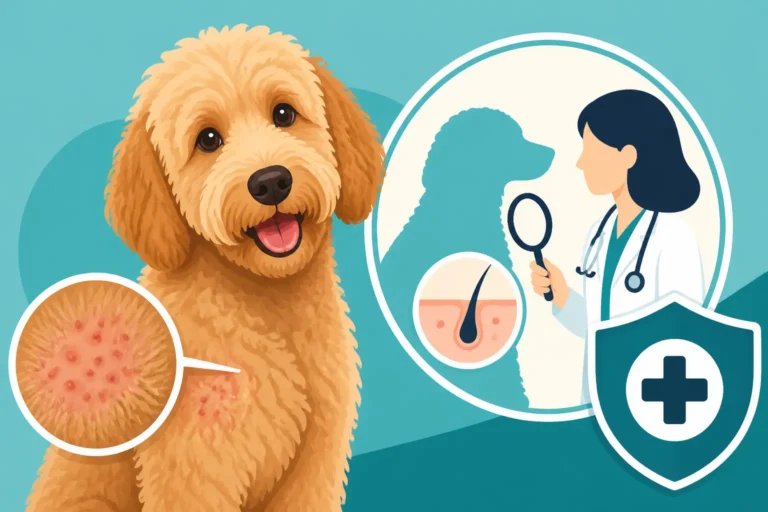
While beautiful, the fleece coat presents some very specific challenges. The biggest one, hands down, is matting. That soft, fine hair, when not meticulously cared for, will intertwine and felt together, forming dense, painful clumps close to the skin. These aren't just surface tangles; they can pull at the skin, restrict movement, and lead to skin infections if left untended. Areas prone to matting are often where friction occurs: behind the ears, in the armpits, under collars and harnesses, and around the tail and hindquarters. Even a seemingly innocent romp in the park or a swim can turn a lovely fleece coat into a matted mess if not thoroughly brushed and dried afterwards.
Adding to this, the density of a fleece coat, while less than a true wool coat, is still considerable. It means that mats can hide deep within the coat, close to the skin, making them incredibly difficult to spot and remove without careful, systematic brushing. What might look like a perfectly fine, fluffy coat on the surface could be hiding a pelted layer of mats underneath. This is especially true during the dreaded "coat change" phase, typically occurring between 9 and 12 months of age. During this time, your puppy's softer, finer puppy coat begins to be replaced by the coarser, denser adult coat. The two textures mix, creating a perfect storm for matting, and many an owner has been caught off guard by the sudden and relentless matting during this period. For a deeper dive into this challenging time, check out our guide on The Coat Change That Hits a Labradoodle at Nine Months. This transitional period is where many owners first truly grasp the grooming demands of their fleece-coated companion.
The Increased Time and Effort in Grooming a Fleece Coat
Owning a Labradoodle with a fleece coat means accepting that grooming isn't a once-a-month chore; it's an ongoing commitment that requires consistent time and effort. This commitment manifests in both daily at-home maintenance and regular professional grooming appointments.
Daily Maintenance Requirements
Let's be real: for a fleece-coated Labradoodle, consistent brushing isn't just a recommendation, it's a non-negotiable part of their care. You'll likely need to commit to brushing them daily or at least every other day, even if their coat appears fine from a quick glance. The key here isn't just to skim the surface. That beautiful outer layer can look pristine while a dense, painful mat is forming right at the skin. This is where the technique of "line brushing" becomes your best friend.
Line brushing involves parting the coat horizontally and brushing one small section at a time, working from the skin outwards, systematically moving up the dog's body. It ensures you're getting through all layers of the coat and preventing those insidious mats from forming deep down. You’ll need a good quality slicker brush to get through the bulk of the coat and a sturdy metal comb to check your work, ensuring there are no tangles left behind. If the comb can't glide smoothly from root to tip, you haven't finished the job. For a comprehensive guide on this essential technique, be sure to read Brushing a Labradoodle to the Skin, Not the Surface.
The time commitment for a full, proper brush-out of a standard-sized Labradoodle with a fleece coat can easily be 30-60 minutes, several times a week. It's not a quick five-minute swipe. It requires patience, consistency, and dedication. Think about integrating it into your daily routine, perhaps while you're watching TV or winding down in the evening. This consistent effort is truly what keeps the coat healthy, comfortable, and beautiful between professional grooms. If you want more details on weekly brushing schedules, we have a helpful article on How Long Brushing a Labradoodle Takes Each Week.
Professional Grooming Frequency and What It Entails
Even with diligent at-home brushing, professional grooming is absolutely essential for a fleece-coated Labradoodle. Because their hair grows continuously, it needs to be trimmed regularly to prevent it from getting too long and becoming unmanageable or matting beyond repair. Most fleece-coated Labradoodles will need professional grooming every 6 to 8 weeks. This isn't just a suggestion; it's the rhythm of maintaining a healthy fleece coat. Missing an appointment can quickly lead to a situation where mats form, making the next groom longer, more expensive, and potentially uncomfortable for your dog. For a thorough breakdown of this schedule, see our post on The Six to Eight Week Clock on a Labradoodle's Coat.
A typical professional groom for a Labradoodle with a fleece coat goes far beyond just a quick wash and clip. It includes a thorough bath with specialized shampoos and conditioners designed to hydrate the coat and prevent tangles, followed by a meticulous blow-dry (often with a high-velocity dryer to ensure the coat is dry all the way to the skin). Then comes the extensive brushing and dematting, using professional tools and techniques. After that, the actual clipping and styling begins, where the groomer shapes the coat, trims the face, paws, and sanitary areas, and ensures an even, aesthetically pleasing look. Many owners opt for a classic "teddy bear clip," which maintains a fluffy, adorable appearance while keeping the coat at a manageable length. If this sounds like the look you're going for, our article on The Teddy Bear Clip on a Labradoodle has more insights.
Beyond the aesthetics, a professional groom also includes essential maintenance like ear cleaning and plucking (if necessary for their breed type), and nail trims. The skill required to groom a fleece-coated Labradoodle well is significant. It's not just about making them look pretty; it's about understanding the coat type, knowing how to handle mats gently but effectively, and ensuring the dog has a positive experience. A good groomer can literally make or break your Labradoodle's coat health and comfort.
Financial Implications of Fleece Coat Grooming
It’s no secret that owning a Labradoodle comes with various costs, and grooming, especially for a fleece coat, is a significant part of that budget. The unique characteristics of this coat type translate directly into higher expenses, both at the professional groomer and for your at-home supplies.
Higher Groomer Fees
You’ll quickly notice that groomers often charge more for Labradoodles, and fleece coats specifically, compared to many other breeds or coat types. This isn't because they're trying to nickel and dime you; it's a direct reflection of the increased time, effort, and skill involved. A groomer dealing with a fleece coat needs to be methodical, patient, and proficient in dematting techniques. They're working with a coat that demands meticulous attention to avoid painful pulling or accidental cuts, especially if there are hidden mats.
While a simple "hair" coat might be easier and cheaper to groom, a fleece coat definitely pushes the price up. A dense "wool" coat might be even pricier, but fleece sits firmly in the category of coats that require advanced care. The biggest financial hit comes if your dog arrives at the groomer with mats. Groomers will charge extra for dematting, often on an hourly basis, because it's a time-consuming and labor-intensive process. A severely matted dog might require hours of careful work, driving the bill up considerably. For a clearer picture of these potential extra charges, our article on What a Groomer Charges to Dematt a Labradoodle by the Hour breaks down what you can expect.
In extreme cases, if the coat is severely matted or "felted" to the skin, a groomer's only humane option might be to shave the dog down completely into what's known as a "kennel clip." This is often heartbreaking for owners who love their dog's fluffy look, but it's crucial for the dog's comfort and health. It also often comes with a higher fee due to the difficulty and dulling effect on clippers. You can learn more about this necessary but often dreaded trim in our piece on The Kennel Clip a Matted Labradoodle Ends Up With. These situations are a stark reminder that consistent at-home care is the best way to keep your grooming bills manageable.
Cost of At-Home Grooming Supplies
Thinking you'll save money by doing all the grooming yourself? While you can learn to do a lot at home, be prepared for a substantial initial investment in quality tools. Cheap brushes and combs simply won't cut it for a fleece coat; they'll snag, break, and leave mats behind. You'll need:
- A high-quality slicker brush: This is your primary tool for separating and fluffing the coat.
- A sturdy metal comb: Essential for line brushing and checking for mats.
- Detangling spray: A must-have for loosening tangles and protecting the coat during brushing.
- Dog-specific shampoo and conditioner: Formulas designed for curly or long coats help prevent static and tangles.
- A high-velocity dryer: This is crucial for properly drying a Labradoodle's dense coat to the skin after a bath, preventing mats and hot spots. Air drying is a recipe for disaster with a fleece coat.
- Clippers and blades (if you plan to trim): Professional-grade clippers with various blade sizes are a significant expense. If you're considering this, dive into our guide on The Clipper, Blade and Dryer a Labradoodle Owner Buys for detailed recommendations.
You can find many of these essential supplies at reputable pet retailers like Chewy, which offers a wide selection of grooming tools and products for doodle coats. Investing in these items upfront can feel costly, but they are vital to effective home grooming. While a bag of premium dog food from brands like Ollie might be a regular expense that contributes to coat health from the inside out, the grooming tools are a direct outlay for the external maintenance. Neglecting to buy the right tools will only lead to frustration, an uncomfortable dog, and ultimately, higher professional grooming bills down the line when the groomer has to fix severely matted coats.
Mitigating Grooming Costs and Challenges
The good news is that you're not powerless against the grooming demands of a fleece-coated Labradoodle. There are proactive steps you can take to manage both the challenges and the associated costs, ensuring your dog stays happy, healthy, and looking their best.
Consistent At-Home Care as a Cost Saver
This cannot be stressed enough: diligent, consistent at-home brushing is your absolute best friend in managing the costs and challenges of a fleece coat. By committing to regular line brushing (daily or every other day, depending on your dog's activity level and coat length), you can drastically reduce the chances of severe matting. When your Labradoodle goes to the groomer without a coat full of tight mats, the groomer's job is quicker, easier, and therefore, often less expensive. You avoid those dreaded dematting fees, which can quickly add a hefty sum to your bill.
Think of it as preventive maintenance. Just like you wouldn't let your car go without oil changes and expect it to run perfectly, you can't neglect your Labradoodle's coat and expect it to remain tangle-free. Learning the correct line brushing technique is paramount. It’s not just stroking the top layer; it's methodical work, parting the hair and brushing from the skin out. There are plenty of online resources and even groomers who offer workshops on how to properly brush your dog at home. Our article Teaching Yourself to Line Brush a Labradoodle offers a great starting point for mastering this skill. The more work you do at home, the less intensive and costly the professional sessions become.
Communication with Your Groomer
Building a strong, open relationship with your professional groomer is invaluable. Don't be shy about discussing your dog's coat, your grooming routine, and any challenges you're facing. A good groomer can offer personalized advice, recommend specific tools or techniques, and even suggest a clip that might be more manageable for your lifestyle.
It's also crucial to be realistic about the length you want to maintain. If you love the long, flowing look, be prepared for the significant daily brushing commitment that goes with it. If you're finding the maintenance too much, ask your groomer about a shorter, easier-to-manage clip. Many owners opt for a shorter overall length, perhaps an inch or so, which still looks adorable but dramatically reduces matting potential and daily brushing time.
Always pre-book your grooming appointments well in advance. Sticking to that 6-8 week schedule is key. Last-minute bookings are often harder to get, and delaying an appointment can push your dog's coat into a severely matted state, which, as we've discussed, is more expensive and stressful for everyone involved.
Pet Insurance Considerations
While routine grooming expenses are generally not covered by pet insurance, it’s still worth considering if you're looking to manage overall pet care costs. Brands like Healthy Paws are known for comprehensive coverage that can protect against unexpected veterinary bills. While they won't pay for your dog's haircut, they could help if an underlying health issue manifests in the coat. For instance, if your Labradoodle develops severe allergies, skin infections, or conditions like sebaceous adenitis that cause extreme matting, skin irritation, or require specialized medicated baths and veterinary intervention, these medical treatments might be covered depending on your specific policy.
It's a common misconception that pet insurance only covers major accidents. Many policies also cover illnesses, chronic conditions, and diagnostic tests. So, while you're directly paying for that fleece coat to be maintained, having a safety net like pet insurance can alleviate financial stress if a skin condition contributes to grooming difficulties or requires veterinary attention. Understanding Whether a Labradoodle Claims More on Insurance Than Labradors can help you assess the value of such a policy for your specific breed. Always read the fine print of any insurance policy to understand what is and isn't covered, and how hereditary conditions might be handled.
Disclaimer
This article is for general informational purposes only and does not constitute professional advice. Laws, prices and regulations vary by location and change over time. Consult a qualified professional for guidance on your specific situation.