Whether a Wool Coated Labradoodle Gets More Ear Infections
One of the most common worries I hear from Labradoodle parents is about those persistent, frustrating ear infections. It feels like you just get one cleared up, and another one pops right back, often leaving you wondering if it's something inherent to their adorable floppy ears or their unique coat. If you’ve got a beautiful wool-coated Labradoodle, you might be asking yourself if that dense, curly fur is actually making your pup more prone to these annoying ailments. Let's dive deep into understanding why this might be the case and, more importantly, what we can do about it.
Understanding the Labradoodle's Ear Anatomy and Coat Types
It's easy to look at a Labradoodle and just see an adorable, fluffy companion. But underneath that lovely coat and those soulful eyes is a unique combination of traits inherited from both the Labrador Retriever and the Poodle, especially when it comes to their ears. This genetic mix plays a huge role in why some Labradoodles seem to be battling ear infections constantly.
The Unique Labradoodle Ear Canal
Both parent breeds contribute significantly to the Labradoodle's ear structure, which can be a double-edged sword for ear health. The Labrador side often lends a slightly wider ear canal, but it's the Poodle's influence that truly defines the Labradoodle's predisposition to ear issues. Poodles are known for their deep, pendulous drop ears. Unlike erect ears that allow for ample airflow, drop ears hang down, creating a warm, dark, and often humid environment within the ear canal. This lack of ventilation is a prime breeding ground for bacteria and yeast, which absolutely thrive in such conditions.
Furthermore, the actual shape and length of the ear canal itself can vary. Some Labradoodles inherit a more winding, narrow canal, making it harder for natural debris and moisture to escape. It's like a long, winding tunnel where air struggles to circulate. This anatomical predisposition, combined with other factors we’ll discuss, really sets the stage for those irritating infections. You might be interested in delving deeper into just Ear Infections Built Into a Labradoodle's Drop Ear.
Demystifying Labradoodle Coat Types
The Labradoodle isn't a "one-size-fits-all" when it comes to coats. They can have three primary coat types: hair, fleece, and wool. Each has its own texture, density, and grooming requirements, and critically, each interacts with the ear environment differently.
- Hair Coat: This is the least common and often considered the "improper coat" for a Labradoodle aiming for a non-shedding trait. It's more similar to a Labrador's coat – coarser, often straighter, and will shed. While it might shed more, this coat type generally has less hair inside the ear canal itself, which can be a small advantage in terms of airflow.
- Fleece Coat: This is often the most desired coat type, known for its soft, silky texture that can be wavy or spiraled. It's low-shedding and feels delightful. The hair in the ears of a fleece-coated Labradoodle can still be quite abundant, but it might be slightly less dense and easier to manage than a wool coat.
- Wool Coat: This coat is dense, curly, and feels very much like a lamb's wool. It's typically very low-shedding, which is a huge plus for allergy sufferers, but it comes with significant grooming demands. The hair within the ear canal of a wool-coated Labradoodle tends to be exceptionally thick and curly, often growing far down into the canal. This is where many owners find themselves struggling. Understanding The Wool Coat Labradoodle and Its Upkeep is essential for these pups.
Why Wool Coats Seem to Lead to More Ear Infections
It’s not just your imagination; there's a very real reason why wool-coated Labradoodles often present with more ear infection issues. It boils down to the very characteristics that make their coats so appealing. The density and texture of that woolly fur can create a perfect storm for microbial growth deep within the ear.
The Role of Dense Hair Growth in the Ear Canal
Imagine trying to ventilate a room that's stuffed floor to ceiling with thick shag carpets. That's a bit like what happens inside a wool-coated Labradoodle's ear. The dense, curly hair doesn't just grow on the outside of the ear flap; it continues to grow inside the ear canal itself. This thick curtain of hair acts like a barrier, effectively blocking the natural airflow that would otherwise help keep the ear dry and cool.
When air can't circulate, moisture gets trapped. This moisture can come from swimming, bathing, or even just humidity in the air. Add to that any normal ear wax and debris, and suddenly you have a warm, dark, moist environment – the absolute ideal breeding ground for yeast and bacteria. These microscopic organisms, which are normally present in small amounts in a healthy ear, can quickly multiply out of control, leading to inflammation, itching, and eventually a full-blown infection. Many owners are genuinely surprised to learn just The Hair That Grows Where a Labradoodle's Ear Should Drain.
Challenges with Grooming and Airflow
The inherent nature of a wool coat presents unique challenges for ear hygiene. Regular ear cleaning and maintenance are crucial for all Labradoodles, but for those with dense wool, it becomes an even more critical, almost daily, battle.
- Difficulty in Cleaning: That thick hair makes it incredibly hard to properly clean the ear canal. Cotton balls or wipes can get tangled, and it’s tough to visually inspect the ear to ensure it's clean and healthy. You might feel like you're cleaning, but the densest part of the hair deep inside could be untouched.
- Reduced Air Circulation: Even with the best cleaning efforts, if the hair isn't managed, the lack of air movement persists. This means ears stay damp longer after a bath or a swim, allowing opportunistic pathogens to take hold. It's a continuous cycle that can lead to chronic infections if not addressed proactively.
- Matted Ear Hair: If neglected, the hair inside the ear can also mat, creating an even more impenetrable barrier and causing discomfort. These mats can pull on the delicate skin of the ear canal, leading to pain and further inflammation. This is why some Labradoodles seem to get infections more frequently than others, despite their owners' best intentions.
Proactive Strategies for Preventing Ear Infections in Wool Coated Labradoodles
Battling ear infections can feel like a losing game, but it doesn't have to be! With a wool-coated Labradoodle, prevention truly is the best medicine. By adopting a diligent and consistent routine, you can significantly reduce the frequency and severity of these frustrating issues.
Regular and Thorough Ear Cleaning Routines
This is hands-down the most crucial step for wool-coated Labradoodles. It's not just about wiping the visible part of the ear; it's about getting into that canal and keeping it pristine.
- Frequency: For a wool-coated Labradoodle, especially one prone to infections, aim for cleaning at least once a week, and sometimes even more frequently if they've been swimming or if you notice any early signs of irritation. Your vet can advise on the ideal schedule for your specific dog.
- Choosing the Right Cleaner: Opt for a vet-approved ear cleaner. These usually contain drying agents and mild antiseptic ingredients that help maintain a healthy pH balance and discourage yeast and bacterial growth. Avoid alcohol-based cleaners, which can be irritating. Brands like Epi-Otic or TrizULTRA often come highly recommended by veterinarians.
- The Technique:
- Warm the Solution: Gently warm the ear cleaner bottle in your hands or a bowl of warm water. A cold solution can be startling for your pup.
- Flood the Canal: Gently pull the ear flap up and back, then fill the ear canal with the cleaning solution. Don't be shy – you want enough to really flush things out.
- Massage: Gently massage the base of the ear for 20-30 seconds. You should hear a squishing sound as the solution moves around and breaks up debris.
- Allow Shaking: Let your Labradoodle shake their head. This helps dislodge the cleaner and debris. Be prepared for a spray!
- Wipe Clean: Use soft cotton balls or gauze wrapped around your finger to gently wipe out any visible debris and excess solution from the outer ear and the part of the canal you can reach. Never use cotton swabs (Q-tips) inside the ear canal, as they can push debris further in and damage the eardrum.
- Repeat if Necessary: If the ear is very dirty, you might need to repeat the process.
Keeping their ears clean will help avoid a lot of problems, and understanding How Often a Labradoodle's Ears Should Be Cleaned can really help guide your routine.
Strategic Grooming and Hair Removal
This is where the wool coat truly demands attention beyond just cleaning. Managing the hair inside and around the ear canal is vital.
- Plucking vs. Trimming: This is a hot topic among groomers and vets.
- Plucking: Some believe that carefully plucking the hair from inside the ear canal allows for better airflow. However, if done incorrectly, it can cause micro-traumas to the delicate skin, leading to inflammation and more infections. It should always be done gently, sparingly, and ideally by a professional groomer or vet who can assess your dog's specific needs and sensitivity. For some dogs, it's a necessary evil; for others, it's counterproductive.
- Trimming: Using blunt-nosed scissors to carefully trim hair at the entrance of the ear canal and around the ear flap can significantly improve airflow without irritating the inner ear. This is generally a safer option for most owners to do at home.
- Professional Grooming: Schedule regular professional grooming appointments, typically every 6-8 weeks. A skilled groomer will know how to manage a wool coat, including carefully trimming or, if necessary, minimally plucking the ear hair to promote air circulation. They can also spot early signs of infection that you might miss. Don't underestimate the value of a professional when it comes to managing that dense coat; it can prevent painful mats and persistent ear issues. Discussing What a Full Groom Costs on a Wool Coated Labradoodle might be an eye-opener but it's an investment in health.
Environmental Management and Lifestyle Adjustments
Beyond direct ear care, your Labradoodle's environment and daily habits play a part.
- Swimming and Water Exposure: Labradoodles often love water, but for wool-coated pups, this means extra vigilance. After swimming, especially in lakes or ponds, it's crucial to thoroughly dry their ears. Use cotton balls to absorb excess water from the outer ear canal, and consider using an ear-drying solution specifically designed for after-swim care. This often contains agents that help evaporate moisture. Remember, Drying a Labradoodle's Ears After Water is more than just towel-drying the outside!
- Humidity: In humid climates, even without swimming, ears can retain moisture. Running a dehumidifier in your home, especially where your dog sleeps, can help.
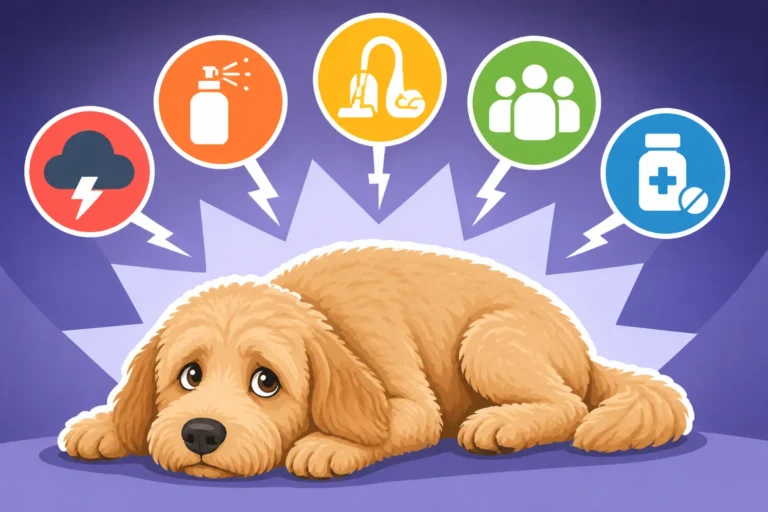
- Allergies: Sometimes, persistent ear infections aren't just about trapped moisture; they're a symptom of underlying allergies. Food allergies or environmental allergies can cause inflammation throughout the body, including the ears, making them more susceptible to secondary infections. If your Labradoodle has chronic ear issues despite diligent cleaning, talk to your vet about exploring potential allergies. Many owners find their pups suffer from Allergies Behind a Labradoodle's Itching, which can manifest in ear problems.
- Diet: A balanced diet rich in omega-3 fatty acids can support overall skin and coat health, which can indirectly contribute to healthier ears by reducing inflammation.
By combining consistent home care with professional grooming and awareness of environmental factors, you can give your wool-coated Labradoodle the best chance at having healthy, happy ears. It’s an investment of time, but one that pays off in your pup’s comfort and your peace of mind. Some owners even consider pet insurance like Healthy Paws to help manage the costs if chronic issues develop despite best efforts.
Recognizing and Treating Ear Infections Promptly
Even with the most diligent preventative care, ear infections can still happen, especially with a wool-coated Labradoodle's predisposed ear structure. The key is to catch them early and get professional veterinary help. Ignoring the signs can lead to more severe infections, greater pain for your dog, and more complicated, expensive treatments down the road.
Common Signs of an Ear Infection
Your Labradoodle can't tell you in words that their ear hurts, so it's up to us to be observant. Knowing the subtle (and not-so-subtle) signs of an ear infection is crucial for early intervention.
- Excessive Head Shaking: This is often one of the first and most obvious signs. If your pup is shaking their head more than usual, especially tilting it to one side, something is likely bothering them.
- Paw Swiping or Rubbing: You might notice your Labradoodle frequently pawing at their ear or rubbing it against furniture or the floor. This is their attempt to relieve the itch or discomfort.
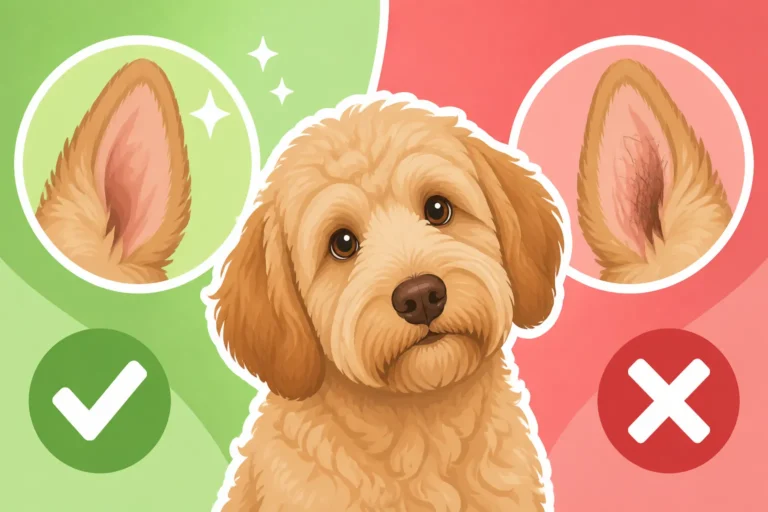
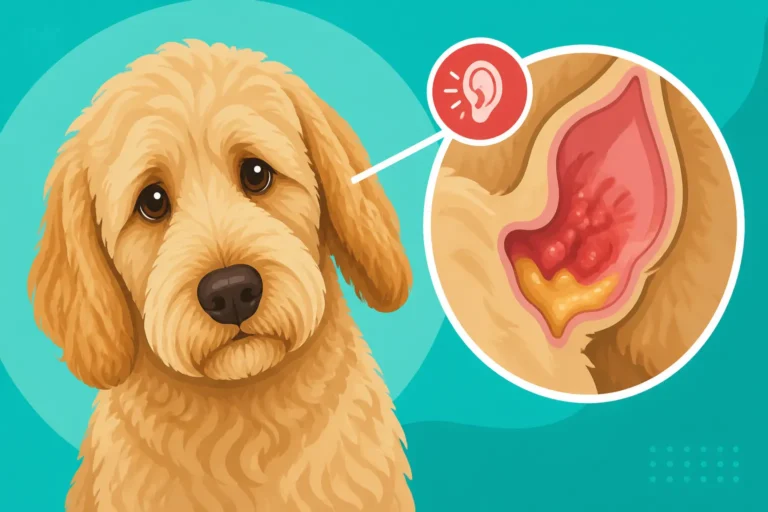
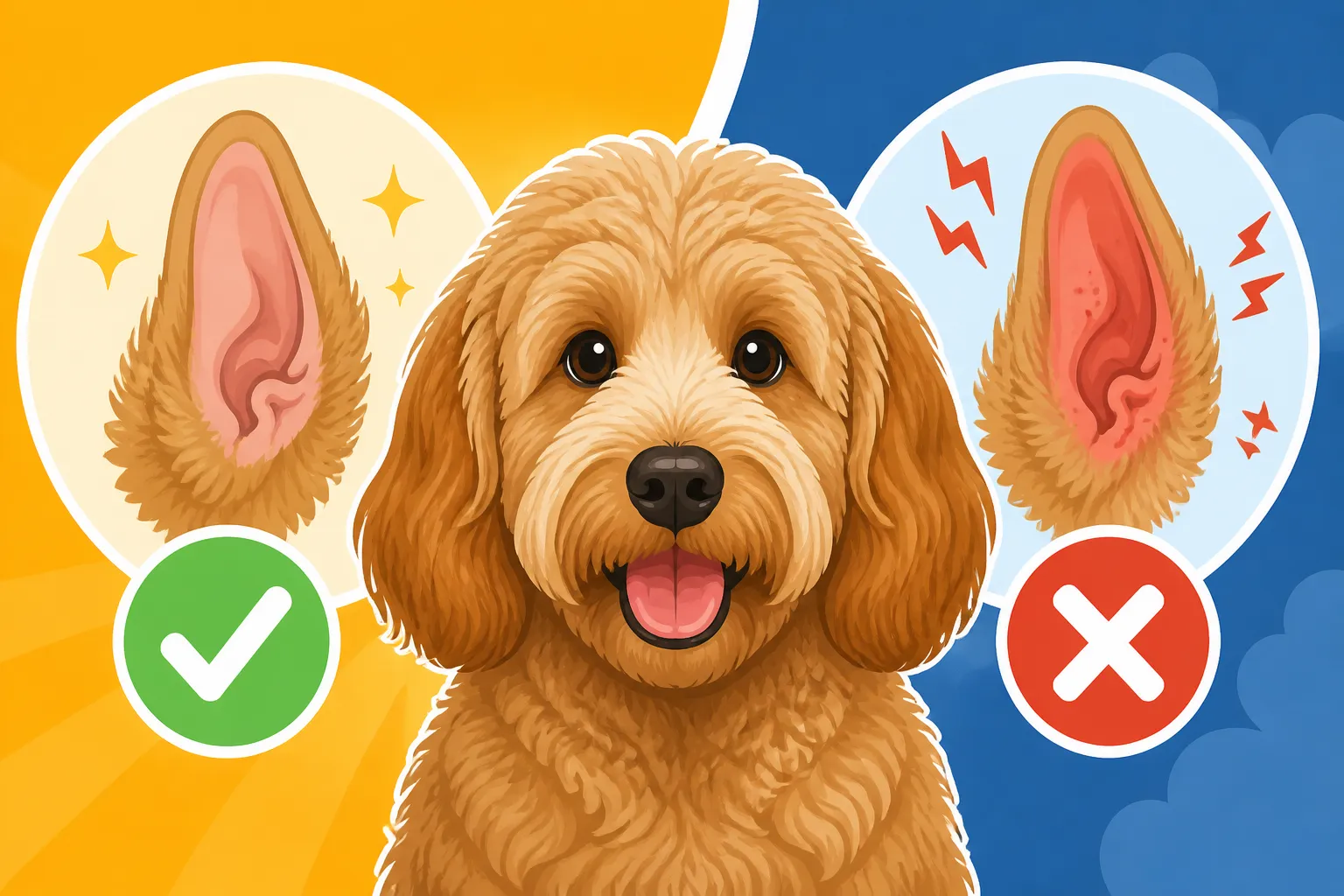
- Redness and Swelling: Gently lift their ear flap and look inside. Is the skin red, inflamed, or swollen? Compare it to the other ear if it appears unaffected.
- Discharge: Is there any abnormal discharge coming from the ear canal? This could range from dark, waxy build-up (often indicative of yeast) to yellowish-green pus (suggesting a bacterial infection). Healthy ears should have minimal, light-colored wax.
- Odor: Trust your nose! A healthy ear should have a very mild, neutral scent. An ear infection, particularly a yeast infection, often produces a strong, sweet, or musty odor. Bacterial infections can smell foul.
- Pain or Sensitivity: If your Labradoodle cries out, pulls away, or shows aggression when you touch their ear, it's a clear sign of pain. They might also react negatively to you trying to clean their ears, even if they're normally cooperative.
- Changes in Behavior: They might seem lethargic, withdrawn, or even a bit grumpy due to discomfort. Sometimes, they might even lose their appetite.
- Hearing Loss: In severe, chronic cases, inflammation and debris can temporarily impair hearing.
If you observe any of these signs, don't delay. Early detection can prevent a minor irritation from escalating into a serious problem that could even lead to a ruptured eardrum if left untreated.
When to See the Vet and What to Expect
Any time you suspect an ear infection, a trip to the veterinarian is warranted. Self-treating can often make things worse or mask a more serious underlying issue.
- Veterinary Examination: Your vet will perform a thorough physical examination, focusing on the affected ear. They’ll use an otoscope (a special instrument with a light and magnifying lens) to look deep into the ear canal and assess the eardrum. This helps them identify the extent of the infection, rule out foreign bodies, and ensure the eardrum is intact.
- Ear Swab and Cytology: This is a crucial diagnostic step. Your vet will take a small swab of the discharge from the ear and examine it under a microscope. This allows them to identify whether the infection is caused by yeast, bacteria, or a combination of both, and often helps determine the specific type of bacteria. This guides their choice of medication.
- Culture and Sensitivity (if needed): For chronic or recurring infections, or if the initial treatment isn't effective, your vet might recommend a culture and sensitivity test. This involves sending a sample to a lab to grow the bacteria and determine which antibiotics will be most effective against them.
- Treatment Options: Treatment typically involves ear drops or ointments that contain antifungal, antibacterial, and/or anti-inflammatory medications. These are usually administered once or twice daily for a specified period, often 7-14 days. It's vital to complete the entire course of medication, even if the ear seems better, to ensure the infection is fully cleared. Oral antibiotics or anti-inflammatories might also be prescribed for severe cases.
- Addressing Underlying Causes: Beyond treating the immediate infection, your vet will discuss potential underlying causes. This might include exploring allergies, managing environmental factors, or refining your grooming and cleaning routine. They might recommend specific ear cleaning solutions or strategies, or even a referral to a veterinary dermatologist if the infections are chronic and unresponsive to initial treatments. Your vet is also a great resource for insurance questions, and reputable providers like Healthy Paws can often help cover these unexpected vet bills if your pet is enrolled before issues arise.
- Follow-Up: A follow-up visit is often recommended to ensure the infection has completely resolved. This prevents recurrence and ensures your Labradoodle is truly on the path to healthy ears.
Prompt veterinary care and adherence to their treatment plan are your best tools for getting your wool-coated Labradoodle's ears back to health and keeping them that way. It’s a commitment, but one that will save your beloved companion from unnecessary pain and discomfort.
| Coat Type | Hair Density in Ear Canal | Airflow | Grooming Challenge | Infection Risk (if unmanaged) |
|---|---|---|---|---|
| Hair | Low to Moderate | Good | Low | Lower |
| Fleece | Moderate to High | Moderate | Medium | Moderate to Higher |
| Wool | Very High, Curly | Poor | High | Highest |
In conclusion, while the wool coat itself isn't a direct cause of infection, the dense hair it brings into the ear canal, combined with the Labradoodle's pendulous ear structure, undeniably creates an environment highly conducive to ear infections. It’s a challenge, but with consistent, proactive care — including meticulous cleaning, strategic grooming, and prompt veterinary attention — you can help your wool-coated Labradoodle enjoy much healthier, happier ears.
Disclaimer
The information provided in this guide is intended for educational purposes only and should not be considered a substitute for professional veterinary advice. Always consult with a qualified veterinarian for any health concerns or before making any decisions related to your Labradoodle's care and treatment. Individual results may vary.