Hot Spots on a Labradoodle That Swims
Few things are as joyful as watching your Labradoodle bound into the water, splashing and retrieving with unbridled enthusiasm. But that pure delight can quickly turn into a headache when you discover a red, raw, angry "hot spot" on their skin a day or two later. These intensely itchy, rapidly spreading skin infections are a common frustration for owners of water-loving Labradoodles, and understanding why they happen and how to tackle them is key to keeping your furry friend comfortable and happy. This guide will walk you through everything you need to know about preventing, identifying, and treating hot spots on your swimming Labradoodle.
Understanding What Hot Spots Are and Why They Plague Swimming Labradoodles
It's a familiar scenario for many Labradoodle parents: your dog has a fantastic time at the lake, beach, or even just in the backyard pool. You might towel them off, think nothing more of it, and then suddenly, there it is – a spreading red lesion that seems to have appeared out of nowhere. This isn't just a rash; it's a specific type of skin infection that thrives in the conditions that often follow a good swim.
The Anatomy of a Hot Spot: What's Really Going On?
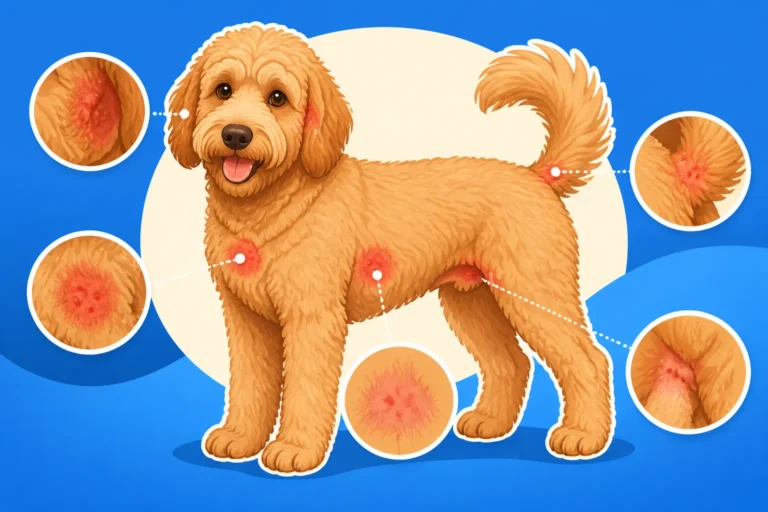
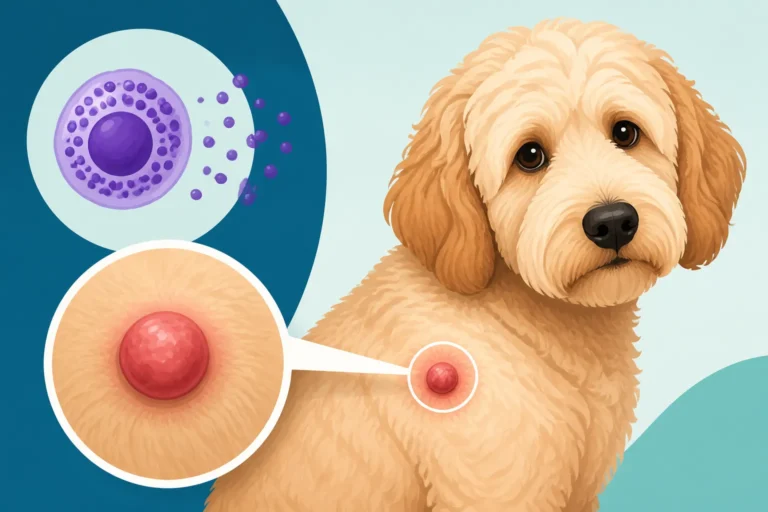
A hot spot, clinically known as acute moist dermatitis or pyotraumatic dermatitis, is a localized skin infection that develops incredibly rapidly. It starts when something irritates the skin – a flea bite, an allergy itch, or, in the case of our swimming pals, prolonged dampness. Your Labradoodle starts to lick, chew, or scratch the itchy spot relentlessly. This self-inflicted trauma breaks the skin barrier, allowing normal skin bacteria, most commonly Staphylococcus, to invade and multiply.
The cycle is vicious: the more they lick and chew, the more irritated the skin becomes, creating an even more inviting environment for bacteria. The area becomes inflamed, red, raw, and often oozes a sticky discharge that mats the surrounding fur. It’s incredibly painful and itchy for your dog, which only drives them to lick it more, making it grow exponentially in size and severity within hours. It truly feels like they go from perfectly fine to a raging skin lesion almost overnight, and that rapid progression is one of the most frustrating aspects for owners.
Why Water and Labradoodle Coats Are a Recipe for Trouble
Labradoodles are renowned for their beautiful, often non-shedding coats, but these very coats, especially the fleece and wool types, can inadvertently set them up for hot spot trouble. Unlike a smooth-coated dog where water quickly evaporates, a Labradoodle's dense, often curly or wavy coat is designed to trap warmth and repel some water, but it also excels at holding moisture close to the skin. This creates a perfect storm:
- Dense Coats: Both fleece and wool coats are incredibly dense, sometimes with a thick undercoat, particularly if they lean more towards their Poodle heritage. This density prevents air circulation.
- Moisture Trap: When your Labradoodle swims, water penetrates this thick coat and can remain trapped against the skin for hours, even after surface drying. This prolonged dampness raises the skin's temperature and humidity.
- Bacterial Playground: Warm, moist, dark conditions are precisely what bacteria thrive in. The natural bacteria on your dog's skin, normally kept in check, seize this opportunity to proliferate rapidly, initiating the hot spot cycle.
- Irritants: Beyond just water, swimming can introduce other irritants. Chlorine from pools, or various bacteria, algae, and pollutants from lakes and ponds, can irritate the skin, providing that initial itch that kicks off the licking.
It's not that Labradoodles shouldn't swim – they often adore it! It's about recognizing the inherent challenge their coats present and taking diligent steps to counteract this tendency for moisture retention.
Identifying Hot Spots Early and Preventing Their Onset
Catching a hot spot in its infancy is your best defense. The faster you act, the less extensive the damage and discomfort for your Labradoodle, and the quicker the recovery. Prevention, however, is always better than cure, especially for our water-loving companions.
The Subtle Early Signs You Might Miss
Hot spots don't usually appear as a full-blown crisis from the very first moment. They start small, often hidden by the dense Labradoodle coat. Being vigilant, especially after a swim, can make all the difference.
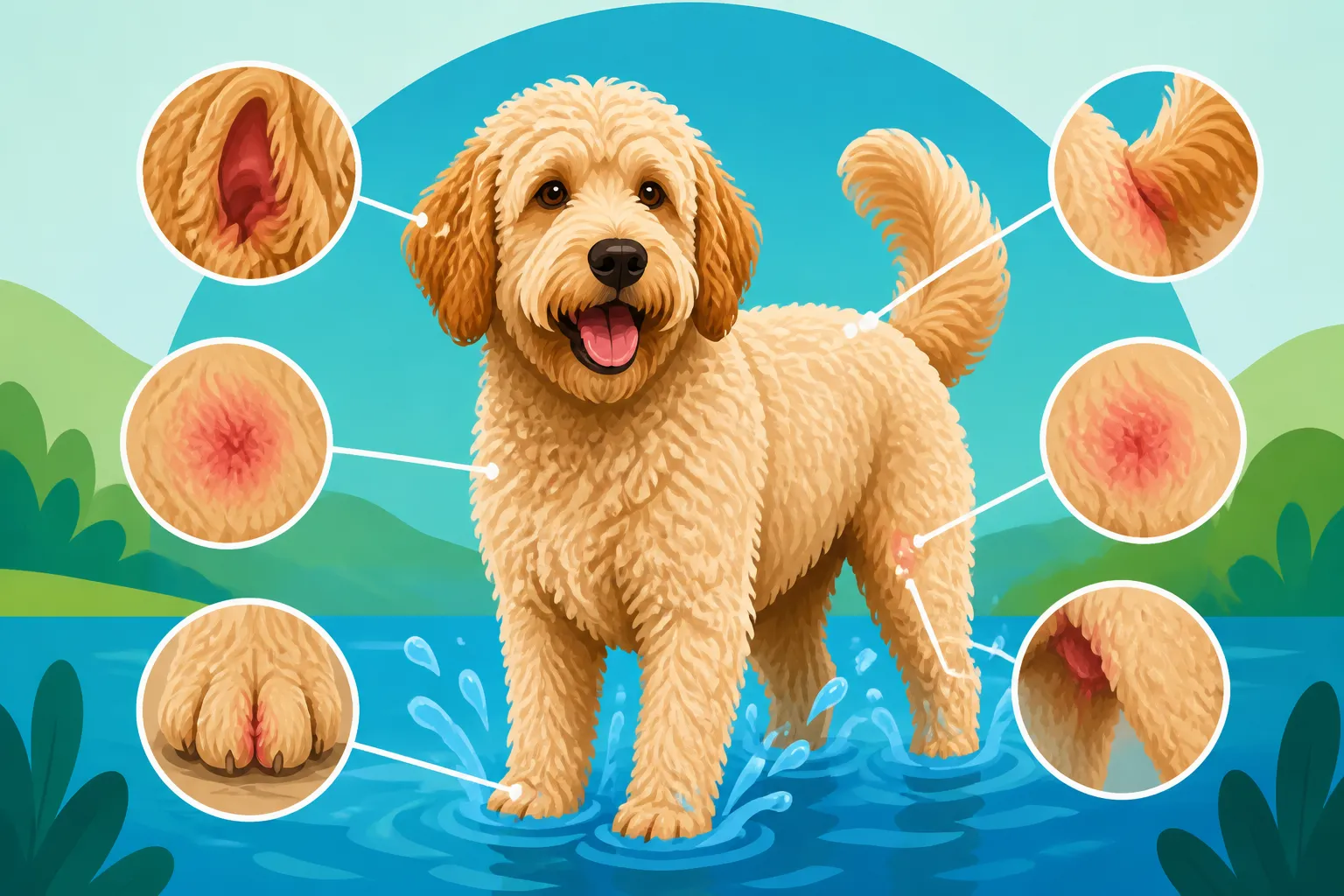
- Excessive Licking or Chewing: This is often the very first clue. If your Labradoodle is persistently licking, chewing, or scratching a particular spot on their body – more than usual, or focusing on an unusual area – it's a red flag. They might be trying to soothe an itch that's just beginning to fester. Pay close attention to areas like behind the ears, on the neck, hips, flanks, or near the base of the tail, as these are common hot spot locations.
- Matted, Sticky Fur: Even before you see redness, you might notice a small patch of fur that looks matted, sticky, or slightly crusty. This is often the initial exudate (oozing fluid) from the irritated skin, clumping the surrounding hair together. It might feel damp or greasy to the touch.
- Mild Redness or Irritation: If you gently part the fur in an area your dog has been bothering, you might spot a small patch of skin that looks slightly redder than usual, perhaps a little bumpy or inflamed. It won't yet be the angry, weeping lesion of a full-blown hot spot, but it's the precursor.
- Behavioral Changes: Sometimes, a subtle shift in your dog's demeanor can signal discomfort. They might be a bit more restless, unable to settle, or seem generally agitated due to the persistent itch. They might even become a little sensitive or snap if you try to touch the affected area, indicating pain.
Regular, thorough grooming sessions, like when you're doing your Brushing a Labradoodle to the Skin, Not the Surface, are excellent opportunities to perform a full body check and feel for any changes in the skin or coat.
Proactive Measures for Water-Loving Labradoodles
Preventing hot spots, especially for dogs that adore swimming, comes down to meticulous care, particularly around moisture management and coat health.
- Thorough Drying Techniques: This is paramount. After every single swim, your Labradoodle needs to be dried thoroughly – not just on the surface, but right down to the skin.
- Towel Drying: Start with vigorous towel drying to remove as much surface water as possible. Use absorbent microfiber towels.
- Force Dryers: Invest in a good quality pet force dryer (not a human hairdryer, which can be too hot and burn the skin). These dryers blow air at a high velocity, effectively pushing water out of the dense undercoat without using excessive heat. Systematically dry every section of your dog's body, parting the fur to ensure the skin is completely dry. Pay extra attention to armpits, groin, behind the ears, and between the toes.
- Regular Grooming and Trimming: A well-maintained coat is less likely to trap moisture and mat, which can also contribute to skin irritation.
- Brushing: Regular brushing prevents mats and tangles, which can trap moisture and debris. A matted coat is a hot spot waiting to happen. Consider the general advice on How Many Times a Week a Labradoodle Needs Brushing.
- Trimming: Keeping the coat shorter, especially during warmer months or if your dog is a frequent swimmer, can significantly aid air circulation and drying time. Discuss a "summer clip" or "kennel clip" with your groomer. Also, trim the hair around their paw pads – excessive foot hair that traps moisture can lead to irritation and hot spots in these areas.
- Diligent Ear Care: Labradoodles have drop ears, which are prone to trapping moisture and heat, making them susceptible to ear infections, and sometimes even hot spots around the ear canal. After swimming, make sure to thoroughly dry their ears, both the outer flap and gently inside the ear canal opening. Follow up with an ear cleaner if recommended by your vet. For more detailed advice, read up on Drying a Labradoodle's Ears After Water.
- Rinsing After Swimming: If your Labradoodle swims in chlorine pools or natural bodies of water (lakes, ponds, rivers), a plain water rinse after their swim can be beneficial. This helps remove chlorine, salt, or any environmental irritants and bacteria before they can sit on the skin and cause trouble. Learn more about Rinsing a Labradoodle After the Lake.
By integrating these proactive steps into your routine, you can significantly reduce the risk of those nasty hot spots appearing and allow your Labradoodle to enjoy their aquatic adventures worry-free.
Treating and Managing Hot Spots When They Strike
Even with the best preventative care, hot spots can sometimes pop up. The good news is that swift, appropriate action can minimize their severity and speed up healing. Knowing what to do at home and when to seek veterinary help is crucial.
First Aid at Home: What You Can Do Immediately
The moment you discover a hot spot, it’s time to act decisively. The goal is to stop the self-trauma, clean the area, and create an environment for healing.
- Clip the Fur: This is arguably the most critical first step. The matted, infected fur surrounding the hot spot traps moisture and bacteria, preventing air from reaching the skin and hindering healing. Using electric clippers (a #10 blade is often recommended), carefully clip the fur away from the affected area, extending at least an inch beyond the visible lesion. You might be surprised how much larger the hot spot appears once the hair is removed. This step can be daunting, especially if your dog is in pain, so a calm demeanor and gentle handling are essential.
- Clean the Area: Once clipped, the skin needs to be thoroughly but gently cleaned.
- Antiseptic Solutions: Use a mild antiseptic solution like chlorhexidine (commonly found in veterinary skin wipes or shampoos) or diluted povidone-iodine (Betadine, diluted to the color of weak tea). Gently cleanse the raw skin to remove pus, crust, and debris.
- Cool Compress: After cleaning, a cool, damp cloth applied for 5-10 minutes can help soothe the inflammation and provide some immediate relief.
- Prevent Further Licking/Chewing: This is non-negotiable. Without preventing your Labradoodle from continuing to lick and chew, the hot spot will never heal.
- E-Collar (Cone of Shame): An Elizabethan collar is your best friend here. It might make your dog grumpy, but it's vital for allowing the skin to dry and heal. Ensure it's fitted correctly so they can't maneuver around it.
- Protective Clothing: In some cases, a T-shirt or medical pet suit might provide a barrier, but an E-collar is generally more effective for determined lickers.
- Keep it Dry: Once cleaned, the area needs to stay dry and exposed to air. Avoid applying thick creams or ointments unless specifically instructed by your vet, as these can trap moisture and worsen the infection.
Always observe your dog's comfort level. If they are in significant pain during these steps, proceed with extreme caution or stop and call your vet right away.
When to Call the Vet: Recognizing When Professional Help is Needed
While early intervention at home can sometimes resolve minor hot spots, there are many instances where veterinary care is absolutely necessary. It's always best to err on the side of caution.
- Rapid Spread or Worsening: If, despite your home efforts, the hot spot continues to grow rapidly, becomes deeper, or appears more inflamed within 12-24 hours, it's time for the vet.
- Severe Pain or Lameness: If your Labradoodle is exhibiting signs of intense pain, such as crying out when touched, limping, or not wanting to move, professional pain management and assessment are needed.
- Deep Lesions or Pus: If the hot spot looks very deep, ulcerated, or is producing a significant amount of thick, yellowish-green pus, it indicates a more severe bacterial infection requiring prescription medication.
- Recurring Hot Spots: If your Labradoodle is constantly getting hot spots, especially after swimming, it suggests an underlying issue that needs to be diagnosed and addressed. This could be anything from severe allergies to fleas or other skin conditions. A vet can help identify the root cause.
- Lack of Improvement: If you've been diligently treating a hot spot at home for 24-48 hours and see no improvement, or it seems to be getting worse, a vet visit is warranted.
When you do visit the vet, they may prescribe:
- Oral Antibiotics: For deeper or more extensive bacterial infections.
- Topical Antibiotics/Steroids: Creams or sprays that reduce inflammation and kill bacteria directly on the skin.
- Anti-inflammatory Medications: To reduce pain and swelling, making your dog more comfortable.
- Medicated Shampoos: For broader skin issues or as a follow-up to treatment. Consider discussing whether your Labradoodle needs medicated baths.
These vet visits, medications, and potential diagnostic tests can add up quickly, so having a pet insurance plan like Healthy Paws can provide immense peace of mind and help cover unexpected costs. They can be a lifesaver when dealing with recurrent skin issues.
Long-Term Strategies for a Happy, Healthy Swimmer
Managing hot spots, especially for a Labradoodle who loves to swim, isn't just about treating the immediate problem. It's about establishing long-term routines and addressing potential underlying causes to ensure your dog can enjoy their passion for water without constant skin woes.
Optimizing Grooming Routines
Regular, strategic grooming is your secret weapon against hot spots. It’s not just about aesthetics; it’s crucial for skin health, particularly in breeds with dense coats like Labradoodles.
- Consistent Professional or Home Grooming: Whether you visit a professional groomer every 6-8 weeks or commit to a rigorous home grooming schedule, consistency is key. Professional groomers have the expertise and equipment, like high-velocity dryers, to get your Labradoodle's coat thoroughly dry and mat-free. If you're tackling it yourself, ensure you have the right tools and techniques. Understand that a full groom costs on a wool coated Labradoodle can be significant, but it's an investment in their health.
- Strategic Clips: Don't be afraid to keep your Labradoodle's coat shorter, especially during warm weather or if they are frequent swimmers. A one-inch clip looks like a practical and comfortable length that allows for better air circulation and faster drying without sacrificing the 'doodle' look entirely. A shorter coat around the legs, belly, and tail can make a huge difference in preventing moisture retention.
- Proper Brushing Tools and Techniques: Invest in a good quality slicker brush and a metal comb. Learn to line brush, ensuring you get right down to the skin. This not only prevents mats but also allows you to inspect the skin regularly for any early signs of trouble. Regularly check common matting spots like behind the ears, armpits, and groin.
Environmental and Lifestyle Adjustments
Beyond grooming, certain lifestyle choices and environmental controls can significantly impact your Labradoodle's susceptibility to hot spots.
- Humidity Control: In very humid climates, consider using dehumidifiers indoors to help keep your dog's environment drier, which can aid in preventing skin issues.
- Effective Flea and Tick Prevention: Flea bites are a common trigger for hot spots. Even one bite can cause intense itching in a sensitive dog, leading to relentless scratching and the development of a hot spot. Maintain a consistent, veterinarian-recommended flea and tick prevention program year-round.
- Addressing Allergies: If your Labradoodle experiences recurrent hot spots, especially outside of swimming, allergies might be an underlying factor. Both environmental allergies (like pollen, dust mites) and food allergies can cause chronic itching, leading your dog to create hot spots. Working with your vet to identify and manage allergies through diet changes (e.g., Whether Food Changes a Labradoodle's Itching), medication, or immunotherapy can be transformative. Pet insurance from providers like Healthy Paws can be incredibly helpful for covering the diagnostic tests and ongoing management costs associated with chronic allergies.
- Adequate Exercise and Mental Stimulation: Sometimes, boredom or anxiety can lead to excessive licking, which can inadvertently create a hot spot. Ensuring your Labradoodle gets enough physical exercise and mental enrichment can help reduce stress and self-grooming behaviors.
Recognizing Related Skin Issues
It's helpful to be aware of other skin conditions that can either mimic hot spots or contribute to their development, as a hot spot might sometimes be a symptom of a broader issue.
- Yeast Infections: Often confused with hot spots, yeast infections (caused by Malassezia yeast) thrive in similar warm, moist environments. They usually present as reddish, greasy, sometimes flaky skin with a distinct sweet or cheesy odor. If you suspect a yeast infection, your vet can confirm with a simple test and prescribe appropriate anti-fungal treatments. Learn more about Yeast Trapped Under a Labradoodle's Coat.
- Sebaceous Adenitis: While less common, this autoimmune skin condition specifically affects Poodle-derived breeds, including Labradoodles. It causes inflammation and destruction of the sebaceous glands, leading to dry, flaky skin, hair loss in patches, and can sometimes present with secondary bacterial infections that might resemble hot spots. If you notice unusual hair loss or skin changes, especially on the top of the head, back, and ears, consult your vet. Read up on Sebaceous Adenitis in a Labradoodle's Skin for more details.
By adopting a holistic approach that includes diligent post-swim care, regular and appropriate grooming, environmental management, and prompt veterinary attention for recurring issues, you can significantly improve your Labradoodle's skin health and let them fully enjoy their splashy adventures without the itch and pain of hot spots.
| Feature | Home Treatment (Minor Hot Spot) | Vet Treatment (Severe/Recurring Hot Spot) |
|---|---|---|
| Initial Steps | Clip fur around area, clean gently with mild antiseptic. | Vet clips and cleans, often more extensively. |
| Primary Goal | Stop licking, dry area, prevent spread. | Eliminate infection, reduce inflammation, identify underlying cause. |
| Medication | None or mild topical antiseptic/drying agent (e.g., witch hazel). | Oral antibiotics, topical antibiotics/steroids, anti-inflammatory drugs. |
| Pain Management | Cool compresses, reducing irritation. | Prescription pain relief (oral), anti-inflammatory medication. |
| Prevention | E-collar (cone of shame) is essential. | E-collar, sometimes specialized wraps or suits. |
| Duration of Care | A few days if caught very early. | Weeks, sometimes longer for underlying issues. |
| When to Seek Help | If no improvement in 24-48 hrs, spreading rapidly, or very painful. | Immediate if deep, oozing, very painful, or recurring frequently. |
| Long-Term | Improved drying, regular grooming, flea control. | Addressing allergies, skin conditions, consistent preventative care. |
Disclaimer
Please remember that this article is intended for informational purposes only and does not constitute professional veterinary advice. Always consult with a qualified veterinarian for any health concerns or before making any decisions about your Labradoodle's care or treatment.