Whether an F1 Labradoodle Is Healthier Than a Multigen
It’s a common scenario: you’re dreaming of bringing a Labradoodle into your home, scrolling through countless adorable puppy pictures, and then you hit a wall of unfamiliar terms. F1, F1b, Multigen – it's like learning a new language, and the most confusing part is when people start claiming one generation is inherently "healthier" than another. This guide is here to cut through the jargon and misinformation, helping you understand the real factors that contribute to a Labradoodle's well-being, regardless of its generational label.
Unpacking the F1 Labradoodle: The Original Cross
When you hear about an "F1 Labradoodle," you're looking at the very first generation of this wonderful crossbreed. An F1 Labradoodle is quite simply the result of breeding a purebred Labrador Retriever with a purebred Standard Poodle. This is where the whole concept of the Labradoodle began, primarily to create a guide dog with a more allergy-friendly coat.
The Promise of Hybrid Vigor
The big buzzword associated with F1 crosses is "hybrid vigor," also known as heterosis. In genetics, hybrid vigor refers to the increased strength, health, and fertility observed in offspring when two genetically distinct parents are bred. The idea here is that by mixing the genetic pools of two different purebred dogs, you reduce the likelihood of a puppy inheriting two copies of the same undesirable recessive gene that might lead to a specific genetic disease. For instance, if one parent carries a recessive gene for a disease but the other parent doesn't, their offspring will likely only be a carrier themselves and won't express the disease. This can certainly sound appealing and often leads people to believe that an F1 Labradoodle is automatically healthier.
However, it's crucial to understand that while hybrid vigor can offer some protection against recessive genetic disorders, it's not a magic bullet against all health issues. It doesn't eliminate the risk of dominant genetic diseases or complex polygenic conditions like hip and elbow dysplasia, which are influenced by multiple genes and environmental factors. Moreover, the health of the individual parent dogs – their own genetic predispositions and overall wellness – remains paramount. An F1 Labradoodle from unhealthy purebred parents isn't going to magically be robust just because it's a cross. The concept of Whether Hybrid Vigor Is Real in a Labradoodle is complex and often misunderstood, leading to unrealistic expectations.
Unpredictability in Traits
One of the defining characteristics of an F1 cross is its genetic lottery nature. When you mix two distinct breeds, you get a wide spectrum of traits. You might end up with a coat that leans more towards the Labrador (shedding, straighter hair) or more towards the Poodle (curly, low-shedding). The same goes for temperament and physical build. This unpredictability, while exciting for some, can be a challenge for those seeking a specific type of coat for allergy reasons, or a very particular temperament. You might get a super-shedder or a dog that is incredibly Poodle-like in its intelligence and energy. For more on what defines these coats, check out The Fleece Coat and Why Breeders Aim For It or The Hair Coat Labradoodle That Sheds.
Exploring the Multigen Labradoodle: Breeding for Consistency
"Multigen" is short for multi-generational. This term refers to Labradoodles that are several generations removed from the original F1 cross. Instead of breeding a Labrador and a Poodle, multigen breeders are pairing two Labradoodles together, or sometimes breeding an F1b back to another F1b or a Poodle (though technically F1b is usually a backcross, and multigen implies further generations of Labradoodle-to-Labradoodle breeding). The driving force behind multigen breeding is consistency and the stabilization of desired traits.
The Quest for Predictable Coats and Temperaments
The primary goal of a responsible multigen Labradoodle breeder is to produce puppies that consistently exhibit the sought-after Labradoodle characteristics: a low-to-non-shedding coat (often fleece or wool), a friendly and intelligent temperament, and a balanced physical structure. By carefully selecting breeding pairs from established Labradoodle lines, breeders aim to solidify these traits over generations. This means that a multigen puppy is often more likely to have that signature "doodle" look and coat type that many prospective owners are looking for, especially those with allergies. This consistency is why many people gravitate towards multigen breeders, as it reduces the guesswork inherent in F1 crosses.
However, this focus on consistency isn't without its own set of considerations. As breeders select for specific coat types, for example, they are also narrowing the gene pool, even if subtly. This brings us back to the health discussion. If not managed carefully with extensive health testing and thoughtful pairing, a smaller gene pool could theoretically increase the chances of undesirable recessive genes surfacing, precisely what hybrid vigor tries to avoid.
The Breeder's Role in Multigen Health
In multigen breeding, the responsibility falls even more heavily on the breeder to meticulously track genetic health. They should be performing comprehensive health screenings on all breeding dogs across multiple generations. This includes genetic testing for diseases prevalent in both Labradors and Poodles, such as progressive retinal atrophy (PRA), von Willebrand disease, and Exercise Induced Collapse. Beyond genetic tests, they must also conduct physical evaluations for conditions like hip and elbow dysplasia. A responsible multigen breeder won't just tell you their dogs are healthy; they'll show you verifiable results for each parent, grandparent, and even further back if possible. This is where asking for The Health Tests a Labradoodle Breeder Should Show becomes incredibly important. You’ll want to see evidence of clear results for conditions like The prcd-PRA Test Both Labradoodle Parents Need and good ratings for Hips and Elbows in a Sixty Pound Labradoodle.
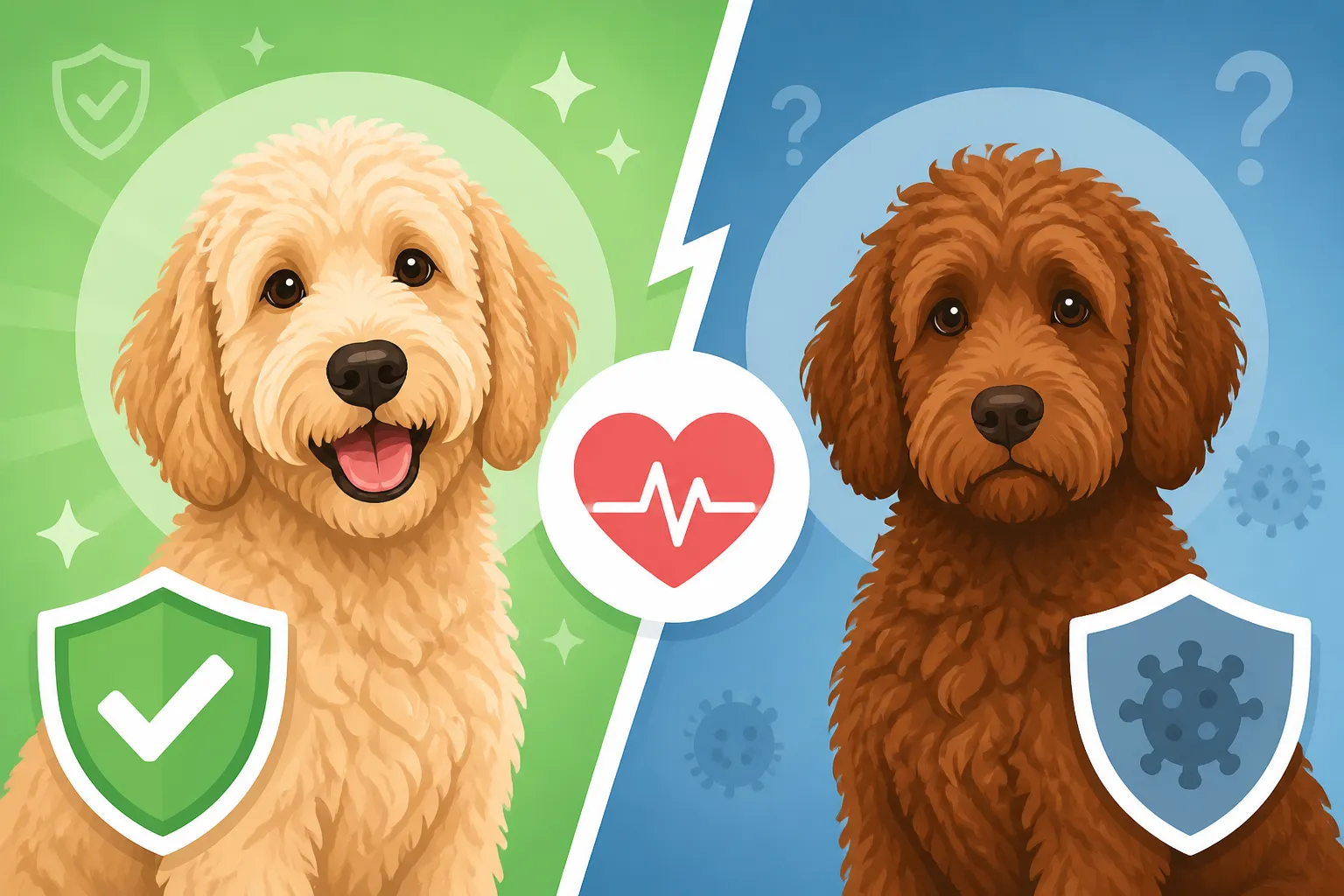
The Real Talk: Is F1 Truly Healthier Than Multigen?
This is the million-dollar question, and the answer, unfortunately, isn't a simple yes or no. The idea that F1 Labradoodles are inherently healthier due to hybrid vigor is a pervasive myth that often overshadows the more nuanced reality of canine genetics and responsible breeding.
Decoding Hybrid Vigor: Benefits and Limitations
As we discussed, hybrid vigor primarily offers a protective effect against recessive genetic diseases. If a disease is caused by inheriting two copies of a faulty recessive gene, crossing two genetically diverse purebreds means it's less likely that both parents will carry the same faulty gene. So, the F1 puppy is less likely to express that specific disease. This is a legitimate genetic principle.
However, this benefit is often overblown.
- Not All Diseases are Recessive: Many common canine health issues, such as certain cancers, allergies, or complex orthopedic problems like hip dysplasia, are either dominant, polygenic (influenced by multiple genes), or have strong environmental components. Hybrid vigor offers little to no protection against these types of conditions.
- Dilution in Subsequent Generations: The benefits of hybrid vigor are most pronounced in the first cross (F1). As you continue to breed F1s to F1s, or F1bs to other generations, the genetic diversity starts to decrease. If breeders aren't careful, and don't introduce new, healthy lines or maintain a broad genetic pool, then the "vigor" can diminish.
- Parental Health is Still Key: The health of the parent breeds plays an absolutely critical role. If you breed two purebreds with known health issues, even an F1 cross isn't going to be a picture of perfect health. A well-bred multigen Labradoodle from extensively health-tested parents will almost certainly be healthier than an F1 from parents with unknown or poor health histories.
Ultimately, the claim of F1 superiority in health often becomes a marketing tactic rather than a scientifically backed statement. The real determinant of a Labradoodle's health, regardless of its generation, comes down to the genetic health of its ancestors and the responsible practices of its breeder.
Beyond Generation: What Really Matters for Labradoodle Health
When it comes to the long-term health and lifespan of your beloved Labradoodle, the generational label (F1, Multigen, etc.) is far less significant than a handful of other, more critical factors. Focusing on these will give your Labradoodle the best chance at a long, healthy, and happy life, often extending well into The Twelve to Fifteen Years a Labradoodle Lives.
Rigorous Parental Health Testing
This is arguably the single most important factor. A reputable breeder, regardless of whether they breed F1 or multigen Labradoodles, will invest heavily in comprehensive health testing for all their breeding stock. This isn't just a basic vet check-up; it involves specific, certified screenings for conditions common in both parent breeds (Labradors and Poodles). Look for:
- OFA/PennHIP Certifications for Hips and Elbows: These evaluate joint health to reduce the risk of debilitating conditions like hip and elbow dysplasia. If you're buying a puppy, you should be able to see the parents' certifications.
- Eye Certifications (CAER/CERF): Annual eye exams performed by a veterinary ophthalmologist to screen for hereditary eye diseases, including various forms of progressive retinal atrophy (PRA). Understanding The Progressive Retinal Atrophy Labradoodles Are Tested For is crucial.
- Genetic Disease Panels: DNA tests are available for a range of inherited diseases that can affect Labradors and Poodles, such as Exercise Induced Collapse (EIC), Von Willebrand Disease (vWD), and Addison's Disease. A good breeder will test for these and readily share the results. For example, Addison's Disease a Labradoodle Inherits From the Poodle is a significant concern that can be screened for.
- Cardiac Screening: While less common than other issues, some lines may benefit from cardiac evaluations.
A breeder who cannot or will not provide clear, verifiable health certifications for their breeding dogs is a massive red flag. Remember, Whether a Labradoodle From Untested Parents Is a Risk is a question with a very clear, unfortunate answer.
Responsible Breeding Practices
Beyond just testing, a responsible breeder prioritizes the overall health and well-being of their lines. This includes:
- Genetic Diversity: Even within multigen lines, good breeders work to maintain genetic diversity to avoid inadvertently concentrating undesirable genes. They won't just breed the same two dogs repeatedly.
- Temperament Assessment: Healthy dogs aren't just physically sound; they're mentally stable. Breeders should be assessing temperament to ensure puppies are well-adjusted and suitable for family life.
- Early Socialization: Puppies raised in a stimulating, clean, and loving environment with early exposure to sights, sounds, and gentle handling tend to be healthier and more resilient adults.
- Support for Buyers: A reputable breeder will be a resource for the lifetime of your dog, willing to answer questions and provide guidance. They often have clauses in their contracts about returning the dog if circumstances change.
Lifestyle and Ongoing Care
Once your Labradoodle comes home, your role becomes paramount in maintaining its health.
- Nutrition: A high-quality diet appropriate for their age, size, and activity level is foundational. Understanding Feeding a Labradoodle Through Its Growth is essential for puppies. Avoid overfeeding, as excess weight puts strain on joints and organs, shortening their lifespan. The Weight a Labradoodle Should Hold is something your vet can help you monitor.
- Exercise: Labradoodles are intelligent and energetic dogs. Consistent, appropriate exercise helps maintain a healthy weight, strengthens muscles, and provides mental stimulation. Without enough activity, they can develop behavioral issues and health problems.
- Regular Veterinary Care: Annual check-ups, vaccinations, parasite prevention, and prompt attention to any health concerns are non-negotiable. Pet insurance, from providers like Healthy Paws, can be an invaluable tool to manage unexpected veterinary costs, ensuring you can always afford the best care for your furry family member without financial stress. Many owners find peace of mind knowing that if their Labradoodle experiences an emergency, such as a potential Bloat Risk in a Standard Poodle Bred Labradoodle, they have support.
- Grooming: Their unique coats require regular grooming to prevent matting, which can lead to skin infections and discomfort. For fleece and wool coats, brushing multiple times a week and professional grooming every 6-8 weeks is essential. Neglecting grooming can lead to painful skin issues and discomfort for your dog.
- Mental Stimulation: Labradoodles are smart! Provide puzzle toys, training sessions, and opportunities for engagement to keep their minds sharp and prevent boredom-related destructive behaviors.
By prioritizing rigorous health testing, responsible breeding, and excellent ongoing care throughout their lives, you're setting your Labradoodle up for the best possible chance at a long and vibrant existence, far more so than focusing solely on whether they are an F1 or a multigen.
Here’s a quick overview of some differences and considerations:
| Feature | F1 Labradoodle | Multigen Labradoodle |
|---|---|---|
| Parents | Purebred Labrador x Purebred Poodle | Labradoodle x Labradoodle (multiple generations) |
| Coat Predictability | Highly varied (can be more Labrador or Poodle-like) | More consistent (typically fleece or wool, low-shedding) |
| Temperament Predictability | More varied, blend of both parent breeds | More consistent, stable Labradoodle traits |
| Hybrid Vigor | Highest potential for genetic diversity benefits | Diminishes with generations, relies heavily on breeder care |
| Health Risks | Risks from both parent breeds; depends on parent health testing | Risks from Labradoodle gene pool; depends on extensive generational health testing |
| Breeder Focus | Initial cross, sometimes less emphasis on specific coat | Consistency, specific traits, coat type, temperament |
| Cost | Varies, can be similar to multigen | Often higher due to extensive breeding programs and testing |
When you’re looking at breeders, don't be shy about asking questions about their health protocols. A good breeder will be proud to share their health testing results and explain their breeding philosophy, whether they are working with F1 or multigen lines. Having pet insurance like Healthy Paws in place early in your dog's life can also offer crucial financial security for any unexpected health challenges that may arise, no matter the generation. It’s a proactive step many savvy pet parents take to ensure comprehensive care.
Disclaimer
The information provided in this article is for general informational purposes only and does not constitute veterinary advice. Always consult with a qualified veterinarian for any health concerns or before making any decisions about your pet's health or treatment.