Whether a Labradoodle Should Have a Preventive Gastropexy
The sudden, terrifying onset of bloat, or gastric dilatation-volvulus (GDV), is a nightmare scenario for any dog owner, especially those with larger, deep-chested breeds like our beloved Labradoodles. The frantic rush to the emergency vet, the uncertainty, the fear – it's a profoundly stressful experience. This guide aims to thoroughly explore preventive gastropexy, a surgical option that many Labradoodle owners consider, to help you understand if it's the right choice for protecting your furry family member.
Understanding Bloat in Labradoodles: A Silent Threat
Bloat is one of those canine emergencies that strikes fear into the hearts of owners, and for very good reason. It’s rapid, often deadly, and can happen without much warning. For Labradoodle parents, understanding why this condition is a particular concern for our curly-coated companions is crucial.
The Anatomy of Bloat: Why It Happens in Deep-Chested Dogs
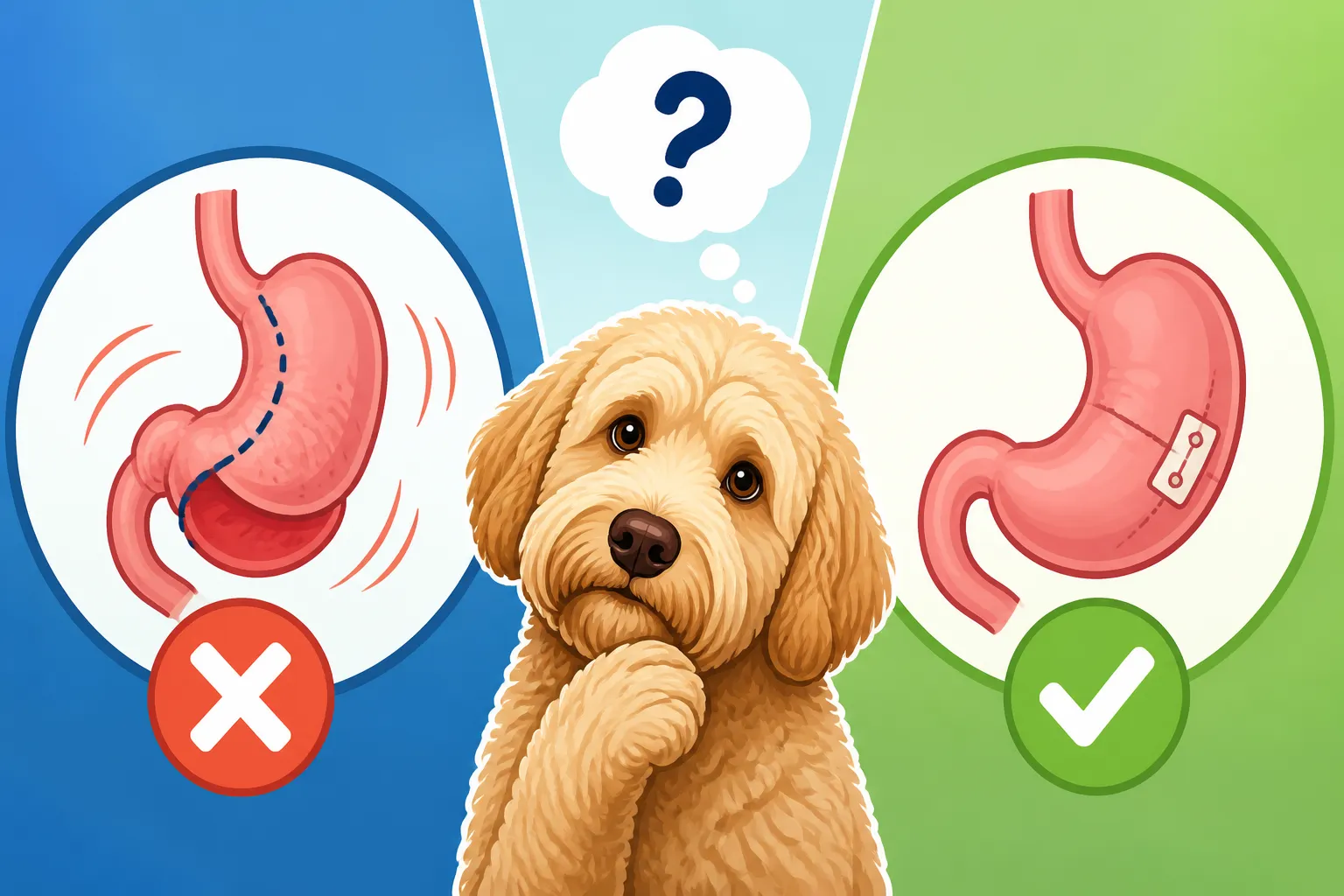
At its core, bloat, or more precisely Gastric Dilatation-Volvulus (GDV), involves two main things: the stomach fills with gas, food, or fluid (dilatation), and then, critically, it twists on its axis (volvulus). This twisting is the catastrophic part. When the stomach rotates, it pinches off both the entry and exit points, trapping everything inside. Worse, it cuts off the blood supply to the stomach wall and often impacts the spleen, leading to rapid tissue death. The dog then goes into shock.
Why are Labradoodles, and other large breeds, particularly susceptible? It comes down to their anatomy. Breeds like the Standard Poodle, one of the foundational parents of the Labradoodle, possess a deep and narrow chest cavity. This anatomical structure creates more space for the stomach to swing and flip, rather than staying securely anchored. Imagine a balloon tied to a string – if it's hanging in a wide-open space, it has more room to spin than if it were confined in a tight box. The Labrador Retriever side of our Labradoodles also contributes to a generally larger body size, though the Poodle's chest conformation is the primary driver for bloat risk. You can learn more about how genetics play a role by reading about The Deep Chest a Labradoodle Gets From the Poodle.
Recognizing the Urgent Signs of GDV
This is where every minute counts. GDV progresses incredibly fast, and if you can recognize the signs early, you might save your Labradoodle's life. The earliest and most classic sign is unproductive retching or dry heaving – your dog looks like they're trying to vomit, but nothing comes up, or maybe just a bit of foamy saliva. This is because their stomach is twisted shut.
Other critical signs include a visibly distended abdomen, especially on the left side, which might feel taut like a drum. Your Labradoodle might be restless, pacing, whining, and unable to get comfortable. They might look at their side, pant heavily, or even collapse. Their gums might become pale, and their heart rate could be elevated as they go into shock. This isn't just a stomachache; it's a life-threatening emergency. If you see these symptoms, especially the unproductive retching and a hard, swollen belly, drop everything and head to the nearest emergency veterinary clinic immediately. Don't wait to see if it gets better, because it won't. For more detailed information, check out The Signs a Labradoodle Is Bloating. It’s truly a race against time, and knowing what to look for can make all the difference.
What is a Preventive Gastropexy?
Given the terrifying nature of bloat, it's natural for Labradoodle owners to seek ways to mitigate this risk. That's where a preventive gastropexy comes into the picture. It's a surgical procedure designed to significantly reduce the likelihood of the stomach twisting, which is the most dangerous aspect of GDV.
The Surgical Procedure Explained
A gastropexy is essentially a surgical "tacking" of the stomach to the abdominal wall. The surgeon creates an adhesion, or permanent attachment, between the stomach's outer lining and the inside of the body wall, usually in the right upper abdomen. This attachment physically prevents the stomach from rotating around itself, which is the "volvulus" part of GDV.
There are a few ways this surgery can be performed. Traditionally, it was an open surgery, requiring a larger incision. However, with advances in veterinary medicine, laparoscopic gastropexy has become a popular, less invasive option. This involves making a few small incisions, inserting a tiny camera (laparoscope), and specialized instruments to perform the tacking. It generally results in less pain, smaller scars, and a faster recovery time for the dog. While the specific technique might vary, the goal remains the same: create a secure, permanent attachment that stops the stomach from flipping.
The Goals and Limitations of Gastropexy
The primary goal of a gastropexy is to prevent the life-threatening stomach torsion. It does this remarkably well. Studies show that a gastropexy can reduce the risk of future GDV by 90-95%. This means that while a dog might still experience gastric dilatation (the stomach filling with gas or food), it's highly unlikely to twist. A dog with dilatation without volvulus is still uncomfortable and needs veterinary attention, but it's rarely immediately fatal and significantly easier to treat than a twisted stomach.
However, it's vital to understand what a gastropexy doesn't do. It doesn't prevent the initial gas accumulation or "bloating" itself. Your dog could still eat too fast, gulp air, or have digestive upset that leads to a distended stomach. What it does do is prevent that distended stomach from rotating into the life-threatening position. Think of it as installing a very strong safety net. The problem (gas/dilatation) can still occur, but the most severe and fatal consequence (torsion) is largely averted. This buys owners precious time to get their dog to a vet if symptoms of non-torsion bloat occur, transforming a dire emergency into a treatable condition.
Is Your Labradoodle a Candidate for Gastropexy?
Deciding on a preventive gastropexy is a significant choice, and it largely hinges on your Labradoodle's individual risk factors. While no dog is entirely immune to bloat, certain characteristics and behaviors increase the likelihood.
Breed and Size Predisposition
As we've discussed, Labradoodles carry a genetic predisposition to bloat due primarily to their Poodle lineage. Standard Labradoodles, being larger dogs with deep chests, are at a significantly higher risk compared to their smaller counterparts. The deep, narrow chest conformation inherited from the Standard Poodle parent creates that anatomical 'swing space' for the stomach to twist. It’s not just about weight, but also about the shape of their torso. This is why it’s so important to understand The Deep Chest a Labradoodle Gets From the Poodle and how it influences their health.
While Standard Labradoodles are the primary concern, it's important to note that medium-sized Labradoodles can also be at risk. Even a Whether a Miniature Labradoodle Bloats might seem less prone, but it's not entirely unheard of, especially if they have a particularly deep chest. The risk generally scales with size and chest depth, but size classifications can sometimes be misleading if a smaller dog still has that classic Poodle chest conformation. If you have a Standard or medium Labradoodle, your veterinarian will likely consider them a strong candidate for preventive gastropexy based on breed risk alone.
Risk Factors Beyond Breed
While breed and size are significant, they aren't the only pieces of the puzzle. Several other factors can increase a Labradoodle's risk of bloat:
- Eating Habits: Dogs who eat very quickly, gulping down their food and air along with it, are at higher risk. This rapidly introduces gas into the stomach.
- Meal Schedule: Some studies suggest that feeding one large meal a day might increase risk compared to two or more smaller meals, as a large volume of food can sit in the stomach for longer.
- Exercise Around Meals: Vigorous exercise or excessive activity immediately before or after eating can be a contributing factor. It’s often advised that Whether a Labradoodle Should Rest After Eating is important. Giving your Labradoodle some quiet time before and after meals can help.
- Elevated Food Bowls: This is a surprisingly debated topic. For a long time, it was thought that raised bowls reduced bloat risk by making dogs less prone to gulp air. However, more recent studies, including one by Purdue University, actually found an increased risk of bloat in large and giant breeds using elevated feeders. The jury is still out, and some vets recommend avoiding them for at-risk breeds. This is why understanding Raised Bowls and Labradoodle Bloat is vital.
- Stress and Anxiety: Highly anxious or stressed dogs may be more prone to bloat, though the exact mechanism isn't fully understood.
- Age: The risk of bloat generally increases with age, peaking between 7-12 years.
- Temperament: Some research suggests that fearful, anxious, or aggressive dogs might have a higher risk.
Considering these factors alongside your Labradoodle's breed predisposition will help you and your vet determine if a preventive gastropexy makes sense for your specific dog. It's about looking at the whole picture, not just one piece.
Weighing the Pros and Cons of Preventive Gastropexy
Deciding whether to proceed with a preventive gastropexy for your Labradoodle isn't a simple choice. It involves a careful evaluation of the potential life-saving benefits against the inherent risks and financial commitment of any surgical procedure.
The Significant Benefits
The absolute top benefit of a preventive gastropexy is the dramatic reduction in the risk of fatal GDV. As mentioned, it can lower the chance of the stomach twisting by over 90%. This is huge. For owners who've witnessed the devastating speed and severity of bloat, or who live in areas where emergency veterinary care might be a significant drive away, this procedure offers unparalleled peace of mind. Knowing that if your Labradoodle does bloat, it's highly unlikely to be the life-threatening twisted variety, is a profound relief.
Imagine this scenario: you come home to find your Labradoodle looking uncomfortable, trying to vomit, and her belly seems a bit distended. If she's had a gastropexy, you still need to get her to the vet, but the immediate panic of a fatal twist is largely averted. The vet can address the dilatation, perhaps by passing a tube or administering medication, without the critical surgery needed for a twisted stomach. This proactive step can truly be the difference between life and death, sparing your beloved companion from immense suffering and saving you from the heartbreak of losing them to this unforgiving condition.
Potential Risks and Considerations
Like any surgical procedure, gastropexy isn't without its risks. The most immediate concerns revolve around general anesthesia. While veterinary anesthesia has become very safe, there's always a small risk of adverse reactions, especially in older dogs or those with underlying health issues. Post-operative complications can include pain, infection at the incision site, bleeding, or issues with wound healing.
Recovery typically involves restricted activity for a few weeks, pain management, and close monitoring to ensure the stomach adhesion forms properly and without complications. This means no strenuous exercise, jumping, or rough play, which can be challenging with an active Labradoodle! The procedure is permanent, of course, which is its strength, but it's also a significant, irreversible change.
One of the significant considerations is the cost. While preventative gastropexy is often less expensive than emergency bloat surgery, it's still a surgical procedure with associated vet fees, anesthesia, and medication. This is where having robust pet insurance like Healthy Paws can make a huge difference. While elective procedures might be subject to certain policy terms, the peace of mind offered by knowing major medical events are covered is invaluable. Always check with your insurance provider to understand their specific coverage for elective surgeries versus emergency care. Many plans will cover the emergency aspect if bloat were to occur without a gastropexy, but you'll want to confirm if they contribute to the preventative measure itself. For more information about the procedure, you can read What Gastropexy Adds to a Labradoodle's Neuter.
Financial Implications and Insurance Coverage
Let's talk numbers, because the financial aspect is a real consideration for many families. A preventive gastropexy, often performed electively (meaning it's planned, not an emergency), typically costs less than performing the surgery in a critical, emergency situation. While prices vary wildly based on geographic location, the veterinary clinic, and whether it's an open or laparoscopic procedure, an elective gastropexy might range from $400 to $1,500. This often depends on whether it's bundled with another procedure, like a spay or neuter.
Contrast that with emergency bloat surgery for a twisted stomach. This is a complex, high-stakes procedure that often requires overnight intensive care, IV fluids, monitoring for cardiac arrhythmias, and potentially addressing organ damage. An emergency bloat surgery can easily cost anywhere from $2,500 to $7,000, or even more in severe cases. The difference is staggering, and it highlights how a preventive approach can potentially save you thousands of dollars, not to mention the emotional toll of such a crisis. It's truly eye-opening to consider What Emergency Bloat Surgery Costs a Labradoodle Owner.
This is precisely where pet insurance becomes a critical safety net. Many comprehensive pet insurance policies, such as those offered by Healthy Paws, can cover a significant portion of unexpected veterinary bills. While elective procedures like a preventive gastropexy might or might not be covered (you'll need to check your specific policy and its waiting periods for elective surgeries), emergency bloat surgery is almost universally covered if your policy is active and the condition isn't pre-existing. This means that if you choose not to do a gastropexy and your Labradoodle experiences emergency bloat, a good insurance plan could save you from a crushing financial burden. However, it's paramount to get insurance before any signs of bloat or other conditions appear, as pre-existing conditions are typically excluded. For details on coverage, you should look into Insuring a Labradoodle Against Bloat and consult directly with your provider.
| Feature | Preventive Gastropexy | Emergency Bloat Surgery |
|---|---|---|
| Purpose | Prevents stomach twisting (volvulus) | Treats existing GDV (dilatation + volvulus) |
| Urgency | Elective (planned) | Critical emergency |
| Cost (Estimate) | $400 – $1,500 (often with spay/neuter) | $2,500 – $7,000+ |
| Surgical Complexity | Generally less complex | Highly complex, high-risk |
| Anesthesia Risk | Lower (planned, healthy patient) | Higher (critical, unstable patient) |
| Recovery Time | Moderate (2-4 weeks) | Longer, more intensive |
| Life-Saving Potential | High (prevents the fatal twist) | Moderate (if caught early enough) |
| Peace of Mind | Significant for owners | None, high stress |
| Insurance Coverage | Varies (check policy for elective coverage) | Generally covered (if not pre-existing) |
The Best Timing for Gastropexy
Once you've decided that a preventive gastropexy is something you want for your Labradoodle, the next logical question is: when is the best time to have it done? Timing can play a role in the procedure's ease, cost, and your dog's recovery.
Combining with Other Procedures
For many owners, the most opportune time to perform a preventive gastropexy is concurrently with another planned surgery, most commonly spaying or neutering. This makes a lot of sense from several perspectives. First, your Labradoodle only needs to undergo general anesthesia once. This reduces the overall risk associated with anesthesia exposure and minimizes the stress on your dog. Second, it often means only one recovery period, simplifying post-operative care and medication schedules for you. The incision site can sometimes even be the same or in close proximity, further streamlining the process.
The ideal age for spaying or neutering a Labradoodle is a topic often discussed with veterinarians, with some advocating for waiting until the dog is more mature to allow for proper growth plate closure. This usually means anywhere from 6 months to 18 months, depending on the individual dog and your vet's recommendation. Aligning the gastropexy with this procedure capitalizes on that planned surgical event. You can delve deeper into this topic by researching Whether Neutering Timing Changes a Labradoodle's Lifespan, as it might influence when you choose to have both procedures done. Discussing this integrated approach with your vet is key to finding the perfect balance for your Labradoodle's health.
Decision-Making for Older Labradoodles
What if your Labradoodle is already past the typical age for spaying or neutering, or if you've adopted an older dog and are now considering gastropexy? The decision-making process becomes a bit more nuanced. While a gastropexy can certainly still be performed on an older Labradoodle, the risks associated with anesthesia tend to increase with age. Older dogs may have underlying health issues, even undiagnosed ones, that can complicate surgery.
Your veterinarian will likely recommend a more extensive pre-surgical workup for an older Labradoodle. This might include comprehensive blood panels, urinalysis, chest X-rays, and possibly an electrocardiogram (ECG) to thoroughly assess their organ function and cardiac health. The goal is to identify any potential risks and mitigate them as much as possible before surgery. While the benefits of preventing GDV remain significant, the increased anesthetic risk must be carefully weighed against those benefits. Your vet will help you perform a thorough risk-benefit analysis, considering your dog's overall health, quality of life, and specific risk factors for bloat.
Making an Informed Decision for Your Labradoodle
The decision to pursue a preventive gastropexy is a personal one, unique to each Labradoodle owner and their beloved companion. There's no one-size-fits-all answer, but by gathering information and collaborating with your veterinary team, you can make the most informed choice.
Consulting Your Veterinarian
This cannot be stressed enough: your veterinarian is your most valuable resource in this decision-making process. They know your Labradoodle's individual health history, temperament, and specific risk factors better than anyone. A detailed conversation should cover:
- Your Labradoodle's breed specific risks: Reconfirming the Poodle's influence on chest conformation.
- Lifestyle factors: Discussing eating habits, exercise routine, and any known anxiety that might contribute to bloat risk.
- Your personal concerns: Articulate your fears about bloat and what peace of mind means to you.
- The surgical procedure: Ask about the specific technique your vet uses (open vs. laparoscopic), success rates, and potential complications.
- Anesthesia protocol: Inquire about pre-anesthetic blood work, monitoring during surgery, and pain management post-op.
- Cost and recovery: Get a clear breakdown of costs and what to expect during the recovery period.
Don't hesitate to ask every question you have. A good vet will take the time to explain everything thoroughly and ensure you feel comfortable and confident in your decision. Regular discussions about your Labradoodle's overall health, including The Yearly Screening a Labradoodle Should Get, can naturally lead to these important preventative care conversations.
Lifestyle and Peace of Mind
Beyond the medical considerations, reflect on your own lifestyle and how a potential bloat emergency would impact it. Do you live far from an emergency vet clinic? Do you travel frequently, leaving your Labradoodle with sitters who might not recognize the signs as quickly? For some owners, the sheer terror of bloat happening when they're not home, or when getting to a vet is difficult, is enough to justify the preventive surgery. The peace of mind that comes from knowing you've significantly reduced the risk of a fatal twist can dramatically improve your quality of life as a Labradoodle owner.
This procedure aligns with a proactive approach to pet care, aiming to prevent severe issues rather than reacting to them in a crisis. It's a testament to your commitment to Keeping a Labradoodle Sound Into Its Teens by addressing significant health risks early on. Ultimately, the decision rests on a careful balance of medical facts, your dog's individual needs, and your capacity for managing an emergency. By weighing all these factors thoughtfully with your veterinarian, you can arrive at the best decision for your unique Labradoodle and your family.
Disclaimer
This article is for general informational purposes only and does not constitute professional advice. Laws, prices and regulations vary by location and change over time. Consult a qualified professional for guidance on your specific situation.