Whether the Labradoodle Started the Doodle Trend
As a Labradoodle owner, you've probably heard the buzz: "Oh, is that one of those Doodles? Didn't they start with the Labradoodle?" It’s a common question, and honestly, the answer is more nuanced than a simple yes or no. For many, the Labradoodle truly ignited the widespread "doodle" phenomenon we see today, paving the way for countless other Poodle mixes and changing how people perceive mixed breeds forever. This guide will walk you through the Labradoodle's fascinating origins and its undeniable role in shaping the modern designer dog trend.
The Unintentional Trendsetter: The Labradoodle's Humble Beginnings
Before the Labradoodle became a household name, the idea of intentionally crossing two purebred dogs to create a "designer" breed wasn't really mainstream. Sure, Poodle mixes existed – there have always been various crosses, often accidental or bred for specific working traits in smaller numbers. But these weren't widely publicized or sought after for their combined aesthetic and hypoallergenic potential. The Labradoodle burst onto the scene with a very specific, noble purpose, and it was this focused intent that inadvertently laid the groundwork for a massive shift in canine culture.
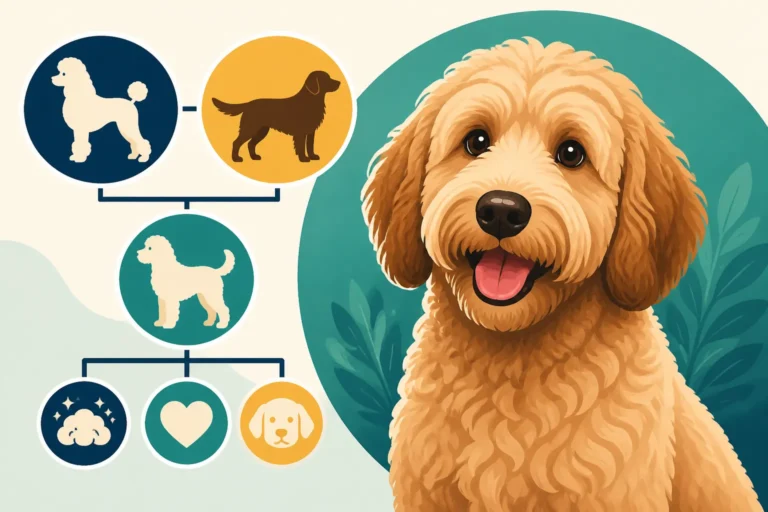
The story really begins in 1989, when Wally Conron, the breeding manager for Guide Dogs Victoria in Australia, received a unique request. A blind woman in Hawaii needed a guide dog that wouldn't aggravate her husband's allergies. Conron's initial thought was a Poodle, known for its low-shedding coat, but the woman also needed the calm, tractable nature of a Labrador Retriever, a breed highly regarded for guide work. It was a genuine dilemma: how to combine the best traits of both without compromising the critical role of a service animal? This is where The 1989 Cross That Made the First Labradoodle comes into play. Conron decided to try a cross between a Standard Poodle and a Labrador Retriever, hoping to achieve the ideal blend of temperament and coat.
The result was a litter that produced puppies, one of whom was Sultan. Sultan proved to be everything the Hawaiian woman needed: intelligent, trainable, and crucially, non-allergenic for her husband. This initial success, however, also sparked a problem. While Sultan was a triumph, the other puppies in the litter weren't immediately finding homes. People were hesitant about a mixed breed, viewing them as inferior to purebreds. To generate interest and find these puppies loving homes, Conron coined the catchy name "Labradoodle," and the rest, as they say, is history. He later expressed profound regret for popularizing the cross, feeling he had opened Pandora's Box, a sentiment captured powerfully in discussions like Wally Conron and the Labradoodle That Regrets. The underlying motivation was pure, stemming from a specific need for a guide dog that could truly serve its owner, a situation detailed in Sultan, the Labradoodle That Proved the Idea and Why a Guide Dog Had to Be Allergy Friendly.
From Niche to Nationwide Sensation: The Rise of Labradoodle Popularity
What started as a practical solution for a guide dog organization quickly captured the public's imagination. The combination of the Labrador's friendly, eager-to-please nature and the Poodle's intelligence and low-shedding coat was perceived as the best of both worlds. Suddenly, a mixed breed wasn't just a "mutt" from unknown parentage; it was a thoughtfully designed companion dog, promising specific, desirable traits. This was a monumental shift in perception.
The Labradoodle's popularity exploded, first in Australia and then spreading rapidly across North America and Europe. People were drawn to the idea of a dog that was potentially hypoallergenic, smart, and good with families. Celebrities started acquiring Labradoodles, further fueling the demand. It became a status symbol for some, a practical solution for others, and for many, just an incredibly charming and affectionate family pet. The convenience of being able to find all sorts of specialized items, from durable toys to breed-specific grooming tools, became easier as their popularity surged. Online retailers like Chewy began to cater to this growing market, making it simple for new Labradoodle owners to get everything they needed delivered right to their door.
However, this rapid ascent wasn't without its challenges. The high demand led to a surge in breeders, some of whom were less scrupulous, capitalizing on the trend without prioritizing health testing, temperament, or responsible breeding practices. This era saw the unfortunate rise of "backyard breeders" and "puppy mills" producing Labradoodles simply for profit, often leading to dogs with unpredictable coats, temperaments, and significant health issues. It's a key reason why What Conron Said He Regretted About the Labradoodle is such a poignant piece of the breed's history. While many dedicated and ethical breeders worked hard to establish standards and ensure the health of their lines, the sheer volume of irresponsible breeding clouded the reputation of the Labradoodle for a time. Nevertheless, the die was cast; the public had fallen in love with the concept of a "doodle." The article When Labradoodles Became Popular in the United States elaborates on this boom, marking a clear turning point for mixed breeds.
The "Doodle" Explosion: How One Cross Inspired a Movement
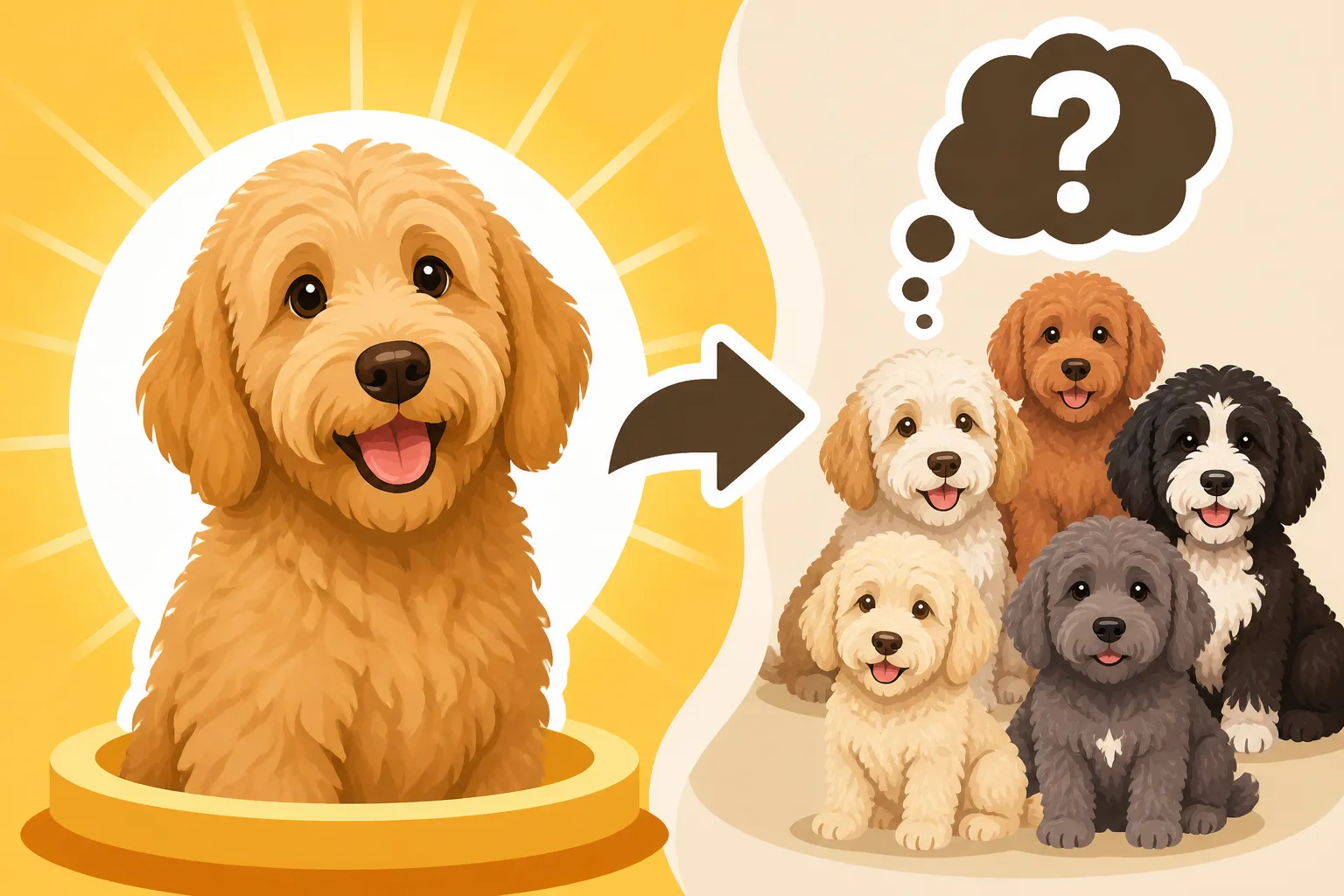
The success of the Labradoodle demonstrated a clear market for dogs combining the Poodle's coat and intelligence with the traits of other beloved breeds. It was like a lightbulb went off for breeders and the public alike: why stop at Labradors? If a Poodle could be crossed with a Labrador, what about other breeds? This thinking directly led to the "doodle" explosion that followed, forever changing the landscape of dog breeding.
Before the Labradoodle, while Poodle crosses did exist, they weren't part of a widespread, named trend. You might find a "Poochon" or a "Cockapoo," but these were generally localized or lesser-known combinations. The Labradoodle's widespread recognition and the catchy "doodle" suffix legitimized the idea of intentional crossbreeding on a grand scale. Suddenly, everyone wanted a "doodle." The Goldendoodle, a cross between a Golden Retriever and a Poodle, quickly emerged as another incredibly popular option, often seen as a direct competitor or alternative to the Labradoodle. The similarities and differences between these two foundational doodles are often compared, as explored in The Labradoodle Against the Goldendoodle.
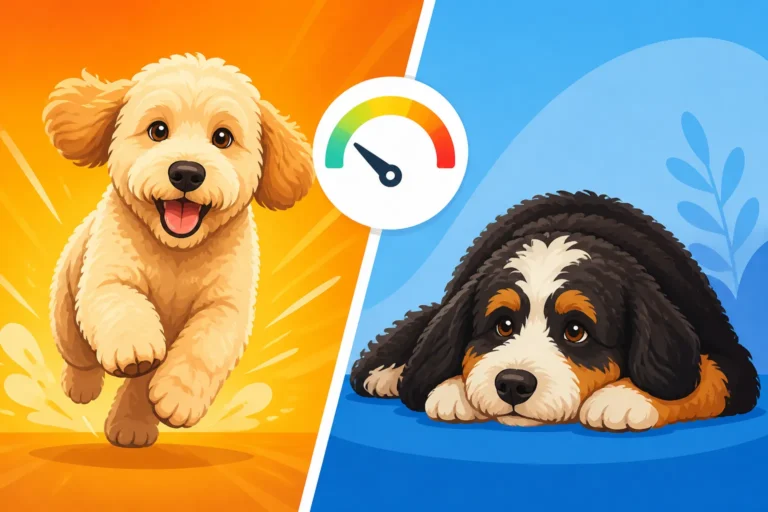
The trend rapidly expanded to encompass virtually any breed imaginable. We saw the rise of Bernedoodles (Bernese Mountain Dog + Poodle), Aussiedoodles (Australian Shepherd + Poodle), Sheepadoodles (Old English Sheepdog + Poodle), Cavapoos (Cavalier King Charles Spaniel + Poodle), and countless others. The "doodle" became a category unto itself, synonymous with a furry, often shaggy, intelligent, and purportedly low-shedding companion. This movement was fundamentally different from previous Poodle crosses, which were more sporadic and didn't create a cohesive, recognized category. The Labradoodle provided the template, the marketing, and the proof of concept that a mixed breed could command significant interest and even premium pricing. It shifted the conversation from purely "purebred vs. mutt" to a consideration of "designer dogs." As this trend flourished, owners of these new doodle breeds found themselves needing a myriad of new products, from specialized brushes for various coat types to unique dietary supplements, and websites like Chewy provided an easy, consolidated source for all these emerging needs, reflecting the vast growth of the doodle market.
The following table illustrates the paradigm shift the Labradoodle initiated:
| Feature | Pre-Labradoodle Poodle Crosses (e.g., Cockapoo, Poochon) | The Labradoodle's Impact | Post-Labradoodle Doodle Trend |
|---|---|---|---|
| Origin/Visibility | Often accidental, localized, or niche; less publicized | Deliberately bred for a specific, high-profile need (guide dog) | Deliberately bred for perceived desirable traits and "designer" appeal |
| Public Perception | Largely seen as "mutts" or random mixes | Elevated mixed breeds to "designer dog" status, offering perceived benefits | Widely accepted and sought-after category of dogs |
| Naming Convention | Often "Poo" + other breed name | Coined "Labradoodle," initiating the "-doodle" suffix trend | "-doodle" suffix applied to numerous Poodle crosses |
| Market Demand | Low to moderate, often regional | High, rapidly growing, global | Exploded, encompassing dozens of new "doodle" combinations |
| Breeding Practices | Varied, often informal | Set the stage for both ethical and unethical intentional crossbreeding | Wide spectrum from highly responsible to purely exploitative |
| Influence on Other Breeds | Minimal | Directly inspired the creation and popularization of many other Poodle crosses | Created an entire industry around "doodle" breeds and accessories |
It's clear that while Poodle crosses existed before, none had the cultural impact, the widespread recognition, or the direct influence on subsequent breeding trends that the Labradoodle did. The Poodle Crosses That Came Before the Labradoodle were precursors, but the Labradoodle was the true catalyst.
The Lasting Legacy and Lingering Questions of the Doodle Trend
The Labradoodle’s journey from a humble guide dog experiment to a global sensation has left an indelible mark on the canine world. It unequivocally reshaped public perception of mixed-breed dogs, demonstrating that intentional crosses could be highly desirable. Before the Labradoodle, the narrative was heavily focused on the superiority of purebred dogs, often overlooking the potential benefits of hybrid vigor or the purposeful combination of traits.
Today, the "doodle" trend continues to thrive, with new combinations appearing regularly. This proliferation has also brought with it ongoing debates within the dog community. Advocates point to the health benefits of hybrid vigor (though this isn't guaranteed in every cross), the low-shedding coats that benefit allergy sufferers, and the often friendly temperaments. Critics, however, highlight the rampant irresponsible breeding, the often exorbitant prices for what are still mixed breeds, and the unpredictability of traits even within the same litter. Many ethical breeders emphasize the crucial importance of health testing for both parent breeds to minimize the risk of passing on genetic conditions, a concern for all dogs, purebred or mixed.
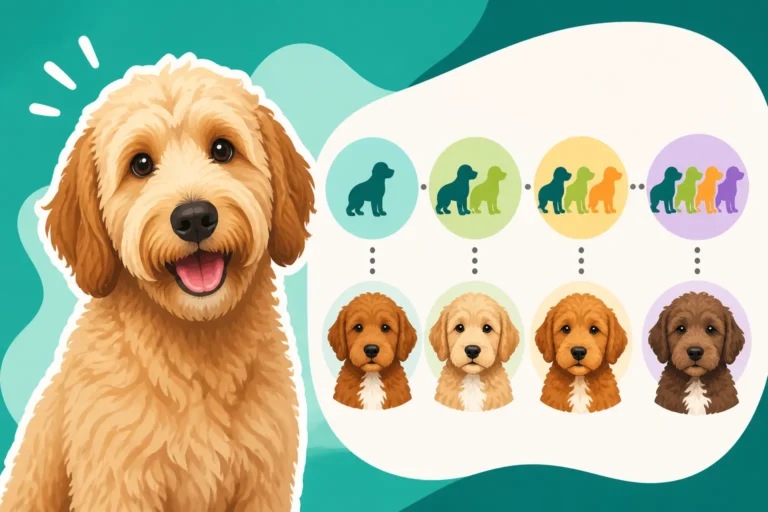
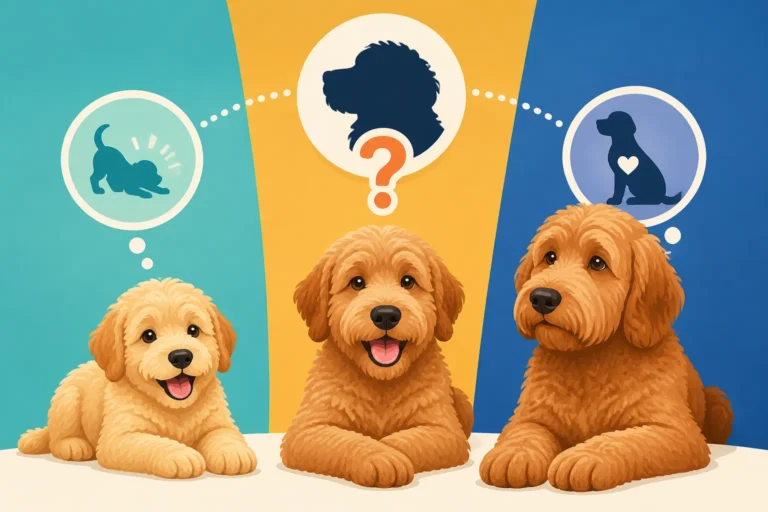
For individuals considering adding a doodle to their family, it’s vital to understand that while the "doodle" name promises certain traits, genetics are complex. A Labradoodle, for example, might still shed, or might not have the exact temperament of both its parent breeds in equal measure. Responsible ownership means doing your homework, asking breeders for health clearances, and being prepared for the realities of dog ownership, which sometimes differ from the idealized image. Many new owners, for instance, are unprepared for What Nobody Tells a First Time Labradoodle Buyer or the intensive grooming needs, which can lead to situations like Whether the Coat Is Why People Regret a Labradoodle. Finding reliable resources and products is key, and retailers like Chewy often provide detailed product reviews and information that can help new owners navigate the vast array of choices, ensuring they're making informed decisions for their doodle's care.
So, did the Labradoodle start the doodle trend? In essence, yes. It was the specific circumstances of its creation, the catchy name, and its unexpected popular appeal that transformed it from a unique cross into the accidental harbinger of a phenomenon, forever changing how we think about and acquire our furry companions.
Disclaimer
This article is for general informational purposes only and does not constitute professional advice. Laws, prices and regulations vary by location and change over time. Consult a qualified professional for guidance on your specific situation.