Whether a Labradoodle Should Be Clipped in Summer
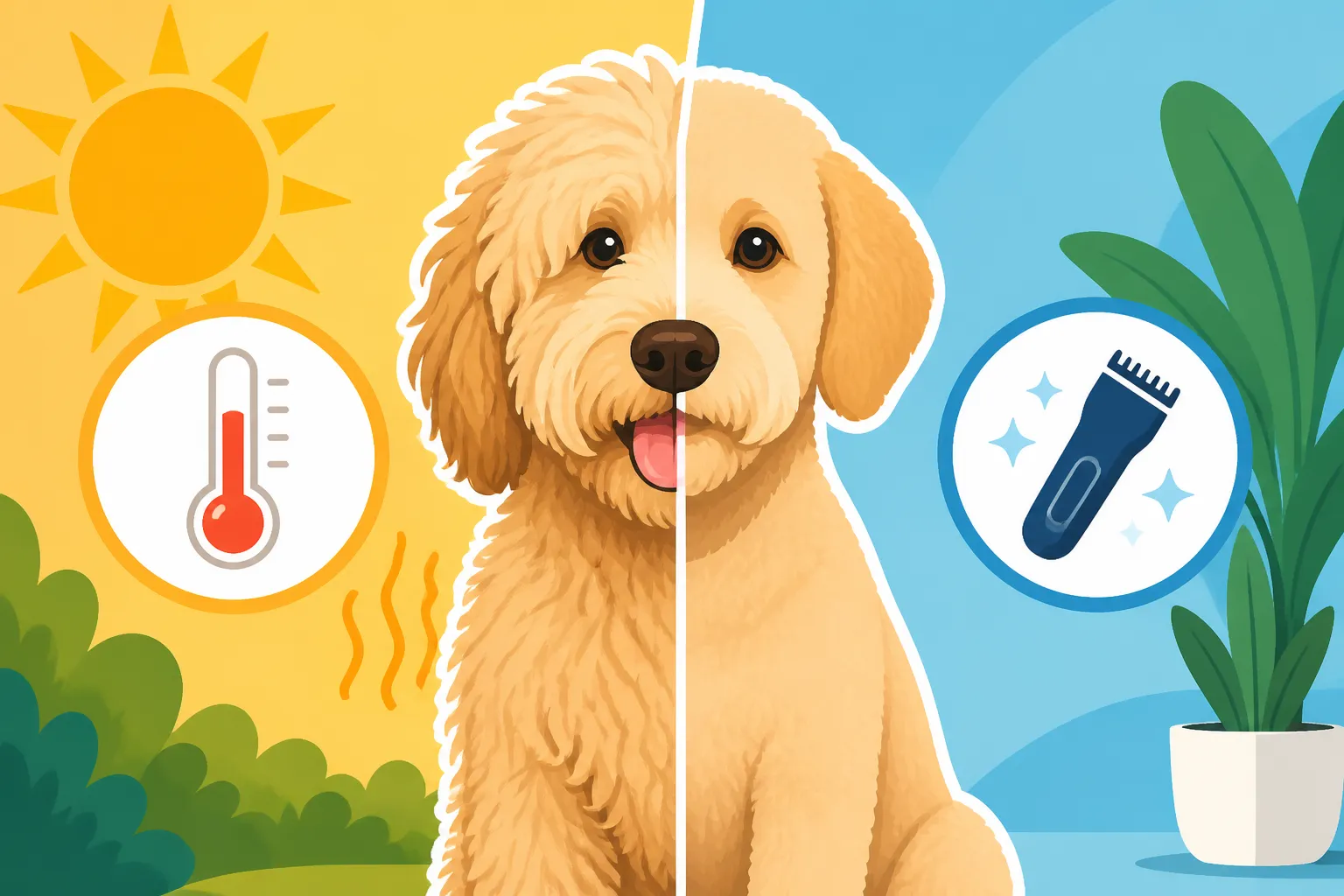
The sweltering summer months can bring a unique set of worries for Labradoodle owners, especially when you look at that beautiful, thick coat and wonder if your furry friend is just melting in the heat. Many of us grapple with the dilemma: should we clip our Labradoodle short for summer, thinking it'll bring them relief from the scorching sun? This guide will dive deep into the nuances of the Labradoodle coat, exploring how it actually functions, the real benefits and risks of clipping, and how best to keep your beloved companion comfortable when temperatures rise.
Understanding the Labradoodle's Coat and its Function
Before we even think about grabbing the clippers, it's crucial to understand what kind of coat your Labradoodle has and how it's designed to work. Labradoodles aren't like short-haired breeds where a quick trim is purely cosmetic. Their coats are complex, and messing with them without understanding their natural purpose can sometimes do more harm than good.
The Different Labradoodle Coat Types
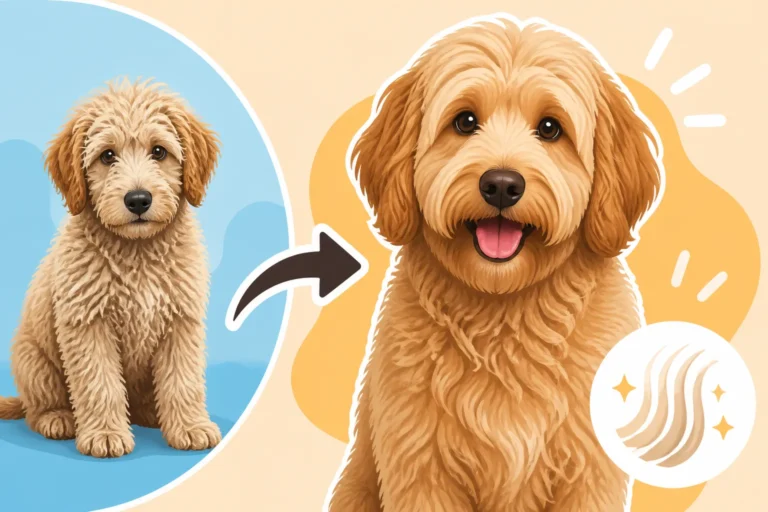
Not all Labradoodle coats are created equal, and this is perhaps the first piece of the puzzle to solve when considering a summer clip. Generally, Labradoodles come in three main coat types: hair, fleece, and wool. Each has its own texture, maintenance requirements, and, importantly, its own way of interacting with the elements.
The 'hair' coat is often the closest to a Labrador's coat, meaning it's generally straighter, sheds more, and might be less dense. It's often seen in earlier generations, like an F1 Labradoodle, and while it might seem cooler due to its less dense nature, it still offers a degree of insulation. Then there's the 'fleece' coat, which is soft, wavy or spiraling, and the most common and sought-after. It feels incredibly soft to the touch and has a lovely flowing quality. Lastly, the 'wool' coat is tightly curled, much like a Poodle's, and tends to be very dense. This coat type often gets matted easily if not brushed regularly. Knowing which type your dog has helps immensely in tailoring their summer care. You might find it helpful to read more about The Three Labradoodle Coats: Hair, Fleece and Wool.
Regardless of the specific type, all Labradoodle coats have a primary function: to protect the dog. They are not simply decorative. They shield the skin from sunburn, ward off insects, and act as a barrier against scrapes and minor injuries from outdoor adventures. Understanding this protective role is key to making informed decisions about grooming, especially when the weather changes.
How a Labradoodle's Coat Regulates Temperature
This is where many owners get it wrong. It's a common human instinct to want to shed layers when it's hot, and we often project that onto our dogs, assuming a shorter coat means cooler temperatures. However, a Labradoodle's coat, particularly the fleece and wool types, acts as a natural insulator, much like the insulation in your house.
In winter, this insulation traps warm air close to the body, keeping them cozy. But in summer, it works in reverse: it helps prevent external heat from reaching the skin, and it traps a layer of cooler air next to the skin, which is crucial for temperature regulation. Shaving this protective layer can actually expose them to direct sunlight, leading to sunburn, and make it harder for their bodies to regulate their own temperature effectively. They don't sweat through their skin like humans do; instead, they pant to cool down, and their coats play a vital role in maintaining a stable microclimate around their bodies.
Think of it like a thermos. A thermos keeps hot things hot and cold things cold because of the insulation. Your Labradoodle's coat works similarly. When you remove that insulation, you're not necessarily making them cooler; you might be making them more susceptible to the ambient temperature, both hot and cold. This is particularly true for their delicate skin, which is not designed for direct, prolonged exposure to harsh UV rays.
The Importance of a Healthy Undercoat
While not all Labradoodles have a pronounced undercoat like double-coated breeds such as Huskies or German Shepherds, many, especially those with wool or dense fleece coats, do possess a softer, finer underlayer. This undercoat, if present and healthy, is essential for their natural insulation system.
A properly maintained coat, where dead and loose hair is regularly brushed out, allows for good air circulation close to the skin. This airflow is what truly aids in cooling. When a coat is matted or packed with dead hair, air cannot circulate, and that's when a dog can overheat. So, the problem isn't necessarily the length of the coat, but its condition. If you're wondering Whether a Labradoodle Overheats in Summer, it's often due to matting preventing air circulation, rather than simply having a long coat.
Therefore, the goal shouldn't always be to make the coat shorter, but rather to keep it clean, free of mats, and well-brushed. This ensures that the natural air-trapping and cooling mechanisms of the coat can do their job effectively. Without this healthy undercoat (or a well-maintained single coat), the skin is left vulnerable, and the dog's ability to self-regulate temperature is compromised.
The Pros and Cons of Summer Clipping for Labradoodles
Now that we understand the intricate workings of a Labradoodle's coat, let's tackle the burning question: to clip or not to clip for summer? It's not always a clear-cut answer, and there are certainly arguments for and against.
Potential Benefits of a Shorter Summer Clip
For many owners, a shorter summer clip simply makes daily life easier, and there are some genuine benefits, provided it's done correctly. One of the most obvious advantages is reduced maintenance. A shorter coat means less time spent brushing, especially for those with dense wool or tightly curled fleece coats prone to matting. Less hair also means fewer burrs and seeds getting tangled during outdoor adventures, and a quicker drying time after a swim or a bath. Many owners find a clip reduces the amount of dirt and debris tracked into the house, which can be a real plus.
From a practical standpoint, a shorter coat can make it easier to spot ticks and other parasites that thrive in warmer weather. When their coat is trimmed down, these unwelcome guests have fewer places to hide, making regular checks more effective. This can give owners peace of mind, especially if their Labradoodle spends a lot of time romping through tall grasses or wooded areas. You might also find that a shorter coat looks tidier and is easier to manage if your dog frequently gets messy during play.
A modest trim, rather than a full shave, can also help improve air circulation if the dog's coat is naturally very thick and prone to becoming dense, even with regular brushing. If your Labradoodle has a history of skin issues that are exacerbated by humidity or dense fur, a slightly shorter clip (think an inch or more) could potentially alleviate some discomfort by allowing the skin to breathe more freely. However, it's a fine line to walk, as we'll discuss in the next section, to ensure you don't compromise the coat's natural protective qualities.
Risks and Drawbacks of Clipping Too Short
While the idea of a short summer clip might sound appealing, there are significant risks and drawbacks to consider, especially if the coat is clipped too short or shaved completely. The biggest concern is the loss of the natural insulation and sun protection. As we discussed, the coat acts as a barrier against both heat and harmful UV rays. Removing this barrier leaves the skin exposed and vulnerable to sunburn, which can be painful for your dog and potentially lead to more serious skin conditions, including certain types of skin cancer over time. This exposure also makes them more susceptible to overheating, as their natural cooling system is compromised.
Furthermore, a drastic shave can permanently alter the texture and growth pattern of your Labradoodle's coat. This is often referred to as "clipper alopecia" or "post-clipping alopecia," where the coat grows back patchy, uneven, or with a coarser, woollier texture than before. This phenomenon is particularly common in Poodle and Poodle-mix coats. The new growth might mat more easily, become dull, or simply not return to its original glory, leading to a much higher maintenance burden in the long run. Many owners who shave their Labradoodles completely regret it when the coat grows back looking vastly different.
The table below offers a quick comparison of the common perceptions versus the realities of clipping a Labradoodle short for summer:
| Aspect | Common Perception (Short Clip) | Reality (Short Clip) |
|---|---|---|
| Cooling Effect | Dog will be much cooler | Can make dog more prone to overheating and sunburn |
| Maintenance | Much less grooming required | Can lead to coat damage, matting, or difficult regrowth |
| Skin Protection | Allows skin to breathe | Exposes skin to UV rays, increasing sunburn/cancer risk |
| Allergy Reduction | Reduces allergens | Allergens are in dander, not just hair; no real impact |
| Coat Health | Makes coat healthier | Can damage hair follicles, altering coat texture permanently |
What to Consider Before You Clip
Before you schedule that summer clip, take a moment to weigh a few important factors. First, consider your Labradoodle's specific coat type and its condition. A well-maintained fleece or wool coat, even if long, can be surprisingly effective at regulating temperature if it's brushed regularly and free of mats. If your dog has a hair coat that naturally sheds more, they might tolerate a closer clip better than a wool-coated dog. However, Whether a Shaved Labradoodle Comes Back Woollier is a real concern for all Poodle-derived coats.
Secondly, think about your lifestyle and your dog's activities. Does your Labradoodle spend a lot of time outdoors in direct sun? If so, even with a clip, you'll need to be extra vigilant about sun protection, perhaps using dog-specific sunscreen on exposed areas or limiting outdoor time during peak heat. If they're mostly indoors or in shaded areas, the need for a short clip for "cooling" might be less urgent. Conversely, if your dog is constantly swimming and rolling in the dirt, a slightly shorter, more manageable length could prevent constant matting and skin irritation.
Finally, discuss your options with a professional groomer who has experience with Labradoodle coats. They can assess your dog's coat health, discuss appropriate lengths, and suggest styles that offer both comfort and protection without compromising coat integrity. They can also explain What a One Inch Clip Looks Like on a Labradoodle versus a much shorter kennel clip, and help you choose a length that works best for your individual dog, ensuring they still have enough coat to protect them from the elements. A good groomer understands the unique needs of these coats and can guide you toward the best solution for your furry friend.
Maintaining Your Labradoodle's Coat in Warm Weather
If you've decided against a super-short summer clip, or even if you opt for a modest trim, proper coat maintenance is absolutely vital to keep your Labradoodle comfortable and healthy during the warmer months. It's not just about aesthetics; it's about their well-being.
Regular Brushing and Grooming Practices
The single most effective thing you can do for your Labradoodle's comfort in summer is to commit to a rigorous brushing schedule. Mats are the enemy of a cool dog! When hair mats, it traps heat, prevents air circulation, and can even pull on the skin, causing discomfort and potential hot spots. Daily or every-other-day line brushing, getting right down to the skin, is essential. This removes dead undercoat and loose hair, allowing air to flow freely through the coat, which is crucial for their natural cooling system. Don't just brush the top layer; you need to penetrate the full depth of the coat. Our guide on Brushing a Labradoodle to the Skin, Not the Surface can offer detailed tips.
Consider investing in high-quality grooming tools, such as a slicker brush, a metal greyhound comb, and a good detangling spray. Regular baths with a canine-specific shampoo and conditioner can also help keep the coat clean and healthy, preventing dirt and debris from causing tangles. After bathing, it's crucial to dry the coat completely to prevent skin irritation and matting. Drying a Labradoodle to the Skin After a Bath is vital, as dampness can lead to skin issues.
For those who prefer a professional touch, regular trips to the groomer every 6-8 weeks are highly recommended, even if you're not going for a super short cut. A groomer can perform a thorough bath and blow-dry, remove any developing mats, and give your Labradoodle a sanitary trim and a slight trim all over. This maintains a manageable length without stripping away their natural protection. Consistent professional care can make a huge difference in managing their coat through the summer heat.
Hydration and Cooling Strategies
Beyond grooming, ensuring your Labradoodle stays hydrated and has access to cooling methods is paramount in warm weather. Always provide fresh, cool water, both indoors and outdoors. On walks, carry a portable water bottle and bowl. Dehydration can happen quickly in the heat, especially if your dog is active. You might even consider adding a little ice to their water bowl as a treat.
Creating a cool environment is also key. On hot days, make sure your dog has access to shade if they're outdoors. Inside, air conditioning or fans can help keep them comfortable. Many dogs enjoy cooling mats or elevated beds that allow air to circulate underneath them. A kiddie pool filled with a few inches of water can be a fantastic way for Labradoodles, who often love water, to cool off in the backyard. You can find many useful cooling accessories on platforms like Chewy or Amazon, from cooling vests to chilled toys, which can provide extra relief.
Be mindful of when you exercise your Labradoodle. Avoid walks during the hottest parts of the day. Early mornings and late evenings are much safer. Keep exercise sessions shorter and less intense when it's particularly hot or humid. Always be on the lookout for signs of overheating, such as excessive panting, lethargy, drooling, or a staggering gait, and seek veterinary attention immediately if you notice these symptoms.
Professional Grooming Options for Summer
If you're still concerned about your Labradoodle's comfort but want to avoid a full shave, there are excellent professional grooming options that balance practicality with coat health. Instead of a "shave down," discuss a "summer cut" or "kennel clip" with your groomer. This typically means trimming the coat down to a uniform length, usually between 1 to 2 inches, all over the body. This length is short enough to significantly reduce matting and make bathing and drying easier, while still providing a protective layer against the sun and elements.
A good groomer can also perform what's called a "tidy up," which involves trimming around the face, paws, and sanitary areas, and perhaps tidying the body length without going too short. This helps prevent mats in high-friction areas and keeps them looking neat. They might also suggest de-shedding treatments, which, while more common for double-coated breeds, can still help remove loose undercoat from denser Labradoodle coats, improving airflow without altering length too drastically.
Don't hesitate to ask your groomer for their expert opinion. They see countless Labradoodle coats and understand the challenges posed by different coat types and climates. They can suggest specific blade lengths that will keep your dog comfortable and protect their coat's long-term health. Regular professional grooming appointments, perhaps every 4-6 weeks during the summer, can be invaluable in maintaining a healthy, comfortable coat.
Common Misconceptions About Shaving a Labradoodle
There's a lot of well-intentioned but often misguided advice floating around about shaving dogs, and Labradoodles are frequently at the center of these discussions. Let's clear up some of the most common myths.
The Myth of Shaving for Allergy Relief
One of the primary reasons the Labradoodle was originally conceived was for its low-shedding, potentially hypoallergenic coat. So, it's natural for people to assume that a shorter coat, or even a shaved coat, would further reduce allergens. Unfortunately, this is a significant misconception. Allergies to dogs are typically caused by dander (dead skin cells), saliva, and urine, not by the hair itself. While a low-shedding coat means less hair — and thus less dander — being released into the environment, the dander is still there, attached to the skin.
Shaving a Labradoodle does not reduce the amount of dander produced by the dog. In fact, cutting the hair very short can sometimes irritate the skin, potentially leading to more dander production as the skin tries to heal or react to the change. Therefore, if you or a family member suffers from allergies, shaving your Labradoodle is unlikely to provide any significant relief and could even exacerbate skin issues for your dog. A much more effective strategy for managing allergies is consistent bathing, air purifiers, and regular cleaning of your home, rather than altering your dog's natural protective coat. You may also want to explore Whether Dander or Hair Sets Off Allergies Around a Labradoodle for a deeper understanding.
Debunking the Idea of "Cooling Down" with a Shave
As mentioned earlier, the notion that shaving a Labradoodle will automatically make them cooler in summer is largely incorrect and can actually be counterproductive. Their coat is a marvel of natural engineering, providing insulation against both cold and heat. By removing this protective layer, you expose their delicate skin directly to the sun's harsh UV rays, increasing the risk of sunburn and heatstroke.
Imagine going out in the desert without any clothing. The sun would beat down directly on your skin, making you feel much hotter and quickly leading to sunburn. Indigenous desert animals often have light-colored coats that reflect sunlight and provide insulation. Your Labradoodle's coat, even a dark one, serves a similar purpose. It creates a microclimate, a layer of air between the skin and the outside environment, helping to regulate their body temperature. Disrupting this natural system can hinder their ability to keep cool, rather than help it. Instead, focus on providing shade, cool water, and avoiding peak heat hours for exercise.
Long-Term Effects of Drastic Clipping
The long-term effects of drastically clipping a Labradoodle's coat, especially shaving it down to the skin, are a serious consideration that often goes unaddressed. One of the most common issues is damage to the hair follicles. When the hair is cut too short, it can interfere with the natural growth cycle and the health of the follicle itself. This often leads to a phenomenon where the coat grows back unevenly, with a noticeably coarser or 'woollier' texture than before. This change isn't always temporary; for some dogs, the coat may never return to its original softness and wave pattern.
Beyond texture changes, some Labradoodles develop what's known as "post-clipping alopecia," where the hair simply doesn't grow back in certain areas, leaving patchy or thinned spots. While often reversible over time, it can take months or even years for the coat to fully recover, and in some cases, it may be permanent. This can be distressing for owners who loved their dog's original coat. It also means that a coat that was once relatively easy to maintain might become more prone to matting or require even more intensive grooming efforts to manage the altered texture. Considerations like Whether a Labradoodle's Coat Grows Back the Same are valid and point to potential long-term issues.
Ultimately, understanding these misconceptions and potential negative outcomes can help you make a more informed decision that prioritizes your Labradoodle's health and comfort, both in the short and long term.
Disclaimer
This article is for general informational purposes only and does not constitute professional advice. Laws, prices and regulations vary by location and change over time. Consult a qualified professional for guidance on your specific situation.