Whether an Allergic Family Should Meet a Labradoodle First
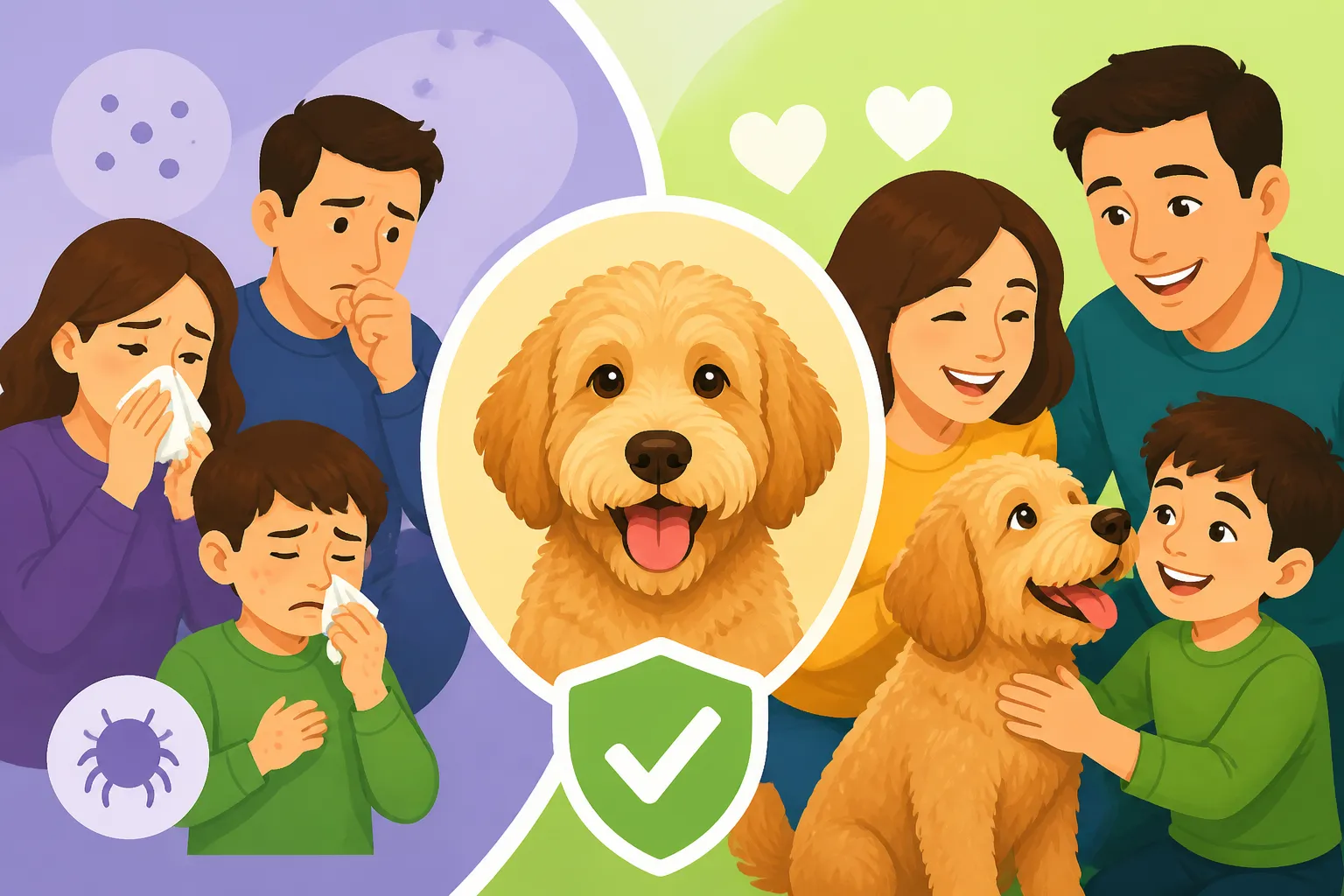
It's incredibly common for families grappling with allergies to dream of adding a dog to their lives, only to be met with the daunting question of whether it's truly possible without constant sneezing, itching, and watery eyes. The Labradoodle often emerges as a beacon of hope, touted as the "hypoallergenic" solution. But the reality is far more nuanced, and a quick glance is rarely enough to tell if this beloved breed will truly be a good fit for an allergic household. This guide aims to help families navigate this tricky situation, offering a realistic approach to meeting a Labradoodle first to assess potential allergic reactions, and detailing crucial steps to make that assessment as accurate as possible.
The Allergic Family's Hope and the "Hypoallergenic" Reality
The term "hypoallergenic" is thrown around quite a bit when it comes to Labradoodles, and it's easy to see why. The Poodle parent is famously low-shedding, and the idea was that combining this trait with the friendly nature of a Labrador Retriever would create the perfect family dog that didn't aggravate allergies. For many years, this promise felt like a miracle for people who had always wanted a dog but couldn't live with the constant sniffles.
However, the truth is, no dog is truly 100% hypoallergenic. The main culprits for pet allergies aren't just the hair itself, but the dander (tiny flakes of skin), saliva, and urine that dogs naturally produce. These microscopic particles float in the air, settle on surfaces, and can trigger reactions in sensitive individuals. While Labradoodles, especially those with the curly fleece or wool coats, often shed significantly less than a Labrador, they still produce dander and saliva. This means that even a low-shedding dog can cause an allergic reaction in someone who is particularly sensitive. It’s a frustrating reality when you’ve pinned all your hopes on a specific breed, only to find that your body might still react. Understanding Whether Dander or Hair Sets Off Allergies Around a Labradoodle is a critical first step for any family.
The Nuance of Labradoodle Coats and Allergies
The coat type of a Labradoodle plays a huge role in its potential impact on allergies, which is something many first-time owners don't fully realize until it's too late. Labradoodles can inherit a wide spectrum of coats from their Poodle and Labrador parents, ranging from a shaggy, more Labrador-like "hair" coat that sheds quite a bit, to the wavy "fleece" coat, and finally, the tightly curled "wool" coat that resembles a Poodle's.
Breeders strive for the fleece or wool coats because these are the types most likely to trap dander and shed minimally, thereby reducing the amount of allergens dispersed into the environment. The challenge is, especially in earlier generations like F1 (first cross), predicting the exact coat type can be a bit of a gamble. Even within the same litter, you might see puppies with vastly different coat textures. As dogs mature, typically around nine months, their puppy coat "blows," transitioning into their adult coat, which can sometimes bring surprises in terms of texture and shedding. What Happens to a Labradoodle's Coat at Nine Months can be a real moment of truth for many families. It's often the multigen (multi-generational) Labradoodles, where breeders have consistently selected for specific coat traits over several generations, that offer a more predictable, lower-shedding outcome. This consistency is a big part of The Fleece Coat and Why Breeders Aim For It.
Beyond the Coat: Other Factors to Consider
While coat type is a major factor, it's not the only one. The individual dog's dander production and saliva composition can vary, even among dogs of the same breed and coat type. Think of it like people – some might have oilier skin or more reactive saliva, and the same applies to our canine companions. A dog's diet can also influence skin health and dander production. A healthy, well-nourished dog fed a high-quality diet, perhaps like some of the fresh food options from brands like Ollie, might have healthier skin and therefore less flaky dander.
Furthermore, factors beyond the dog itself can impact an allergic person's reaction. The cleanliness of the home, the frequency of grooming, and even the presence of air purifiers can all play a role. If a dog isn't regularly groomed or brushed thoroughly Brushing a Labradoodle to the Skin, Not the Surface, dander can accumulate in their coat, becoming a ticking time bomb for an allergic owner. It's truly a complex puzzle, and jumping into ownership without a proper assessment can lead to heartbreaking rehoming situations, which nobody wants.
Why a Simple "Meet and Greet" Isn't Enough for Allergies
When an allergic family contemplates a Labradoodle, the first instinct is often to go meet a puppy or an adult dog. They might spend a few minutes petting it, observe if they feel immediate symptoms, and if they don't, assume everything will be fine. This, my friends, is where many families make a critical mistake. A brief, superficial interaction is almost never enough to truly gauge an allergic reaction. Allergies can be insidious, building up over hours or even days of sustained exposure.
Think about it: when you first encounter a dog, the immediate burst of dander might be minimal. But as you spend more time with the dog, interacting with its fur, allowing it to lick you, or even just breathing the air in a space where it lives, the allergens accumulate. It's like filling a cup drop by drop – for some, it takes only a few drops to overflow, while for others, it takes a much longer, steady stream. Relying on a quick sniff or pet is essentially taking a single drop and hoping for the best.
The Latent Reaction Phenomenon
Many allergic individuals experience what's known as a "latent reaction." This means that immediate symptoms might be mild or non-existent, but hours later, or even the next day, they develop full-blown allergy symptoms – sneezing, itchy eyes, skin rashes, or even asthma. This is particularly true for individuals with more moderate allergies. A breeder's home, which might house several dogs, will naturally have a higher concentration of allergens. Spending time in that environment can provide a more accurate, albeit potentially intense, test.
Conversely, a quick visit to a public place where a Labradoodle might be present, such as a pet store or a dog park, isn't truly representative. The dog in question might be freshly groomed, and the large open space dilutes the allergen load. You might feel perfectly fine, only to bring a dog home and discover a week later that your body simply cannot tolerate the constant, concentrated exposure within your own living space. This is why a truly effective allergy test requires controlled, sustained exposure.
Emotional Investment vs. Realistic Assessment
It’s also crucial to acknowledge the emotional factor. When you meet a cute, fluffy Labradoodle puppy, your heart often takes over. The desire to bring that little bundle of joy home can overshadow any nascent sniffles or itchy feelings. You might subconsciously downplay mild symptoms, hoping they'll "get better" or "be manageable." This emotional investment can cloud your judgment, making it harder to make an objective decision.
This is precisely why a structured, thoughtful approach to assessing allergies is so vital. It’s not about being cold-hearted, but about being realistic and responsible. Bringing a dog into a home where allergies flare up can be detrimental to both the human family members and the dog, who might eventually face rehoming if the situation becomes unbearable. A little planning upfront can save a lot of heartache down the line.
Setting Up a Meaningful Allergy Test with a Labradoodle
Since a quick "hello" won't cut it, how do you properly test for allergies with a Labradoodle? It requires communication with the breeder, careful planning, and a commitment to observe reactions over a sustained period. The goal is to simulate what daily life with the dog would truly be like, as much as possible, before making a final commitment.
Communicating with Your Breeder
First things first, be upfront and honest with potential breeders about your allergy concerns. A reputable breeder will understand and be willing to work with you. They often have experience with allergic families and may even have specific protocols in place for allergy testing. Ask them about their dogs' specific coat types and generations. If you're looking for the lowest shedding potential, Whether a Wool Coat Labradoodle Needs Daily Work might be a good starting point for discussion, as these coats are often the most allergy-friendly.
Inquire about the parents of the litter you're interested in. Do they both have the furnishings gene (the gene responsible for the longer facial hair and often, the non-shedding trait)? The Furnishings Gene Behind a Labradoodle's Beard is a key indicator for a desirable coat type. Some breeders might even offer hair samples from their adult dogs or specific puppies, allowing you to have a preliminary exposure in your own home environment. This isn't a substitute for meeting the dog, but it can be a good initial screening.
The Multi-Stage Exposure Approach
Instead of one quick visit, consider a multi-stage approach to meeting a potential Labradoodle:
- Initial Visit (Breeder's Home): Spend an extended period, at least 1-2 hours, at the breeder's home. Sit on the floor, interact with the puppies or adult dogs, let them lick your hands. Pay close attention to any immediate symptoms. This high-allergen environment will give you a good baseline.
- Fabric Test: Ask the breeder if you can take a small, used blanket or towel that has been with the puppy for a few days. Take it home and place it in a common area (but not on your bed!). See if symptoms develop over 24-48 hours. This allows you to test the dander without the emotional pull of the puppy itself.
- Extended "Date": If the breeder is amenable and the initial tests are promising, ask about an extended visit. This could be several hours or even an overnight stay (if the breeder offers it, perhaps in a separate area of their home or a trusted foster home). This allows for prolonged exposure in a controlled environment. If an overnight isn't feasible, perhaps you can visit for a full morning or afternoon on multiple occasions.
| Stage of Allergy Test | Description | Benefits | Considerations |
|---|---|---|---|
| Initial Breeder Visit | 1-2 hours interaction at the breeder's home, direct contact with dogs. | High allergen exposure; immediate reaction assessment. | Emotional attachment can sway perception; not a long-term simulation. |
| Fabric Test | Take home a used blanket/towel from the puppy for 24-48 hours. | Tests dander in your home environment; no direct puppy contact. | May not be as potent as direct contact; requires breeder cooperation. |
| Extended "Date" | Multiple long visits (e.g., full afternoon) or an overnight stay with the puppy/dog. | Simulates sustained exposure; allows for delayed reaction observation. | Logistically challenging; depends entirely on breeder's willingness and facilities. |
| Grooming Session | If feasible, observe or participate in a short grooming session. | Exposes to shed hair/dander released during brushing. | May not be possible with young puppies or all breeders. |
During the Test: What to Observe
During any of these interactions, keep a meticulous log of symptoms. Are your eyes itchy? Is your nose running or stuffy? Do you have a cough or shortness of breath? Are there any skin rashes or hives? Note the time these symptoms appear and their severity. Don't just dismiss mild irritation; even subtle signs can escalate with prolonged exposure.
Also, consider the timing of your visit. If the puppy has just had a bath, its dander might be temporarily reduced. It’s generally better to meet a puppy that hasn't been recently washed to get a more accurate reading of its natural allergen levels. And remember, puppies typically have softer, less dense coats than adult Labradoodles, so a puppy test isn't a 100% guarantee for the adult coat. The coat change can be a tricky period for allergies.
Interpreting the Results and Moving Forward
So, you've gone through the rigorous testing process. Now comes the moment of truth: interpreting what you've observed. This step requires honesty, self-awareness, and often, a touch of pragmatism.
When Allergies Flare Up
If you experience noticeable, uncomfortable symptoms during or after your allergy testing, it’s a clear sign that this particular Labradoodle, or perhaps even Labradoodles in general, may not be the right fit for your household. It's incredibly disappointing, especially after you've invested time and emotional energy, but ignoring these warning signs can lead to long-term suffering for you and a potentially unstable home for the dog.
In such cases, it might be worth exploring other avenues. Sometimes, a different individual Labradoodle from a different line or with a slightly different coat texture might yield a different result. However, if the reaction is strong, it's a good indication that you might need to reconsider your options entirely. This might mean exploring other breeds known for being more consistently allergy-friendly, or even considering non-canine companions. It's a tough pill to swallow, but your health and the dog's well-being are paramount.
When Allergies Don't Flare (Or Are Minimal)
If you've gone through the extended testing, and you've had little to no allergic reaction, congratulations! This is wonderful news and suggests that a Labradoodle might indeed be a viable option for your family. However, even with a successful test, it's wise to go into ownership with a strategy for ongoing allergy management.
Consider these proactive steps:
- Regular Grooming: Commit to a rigorous grooming schedule. This means daily line brushing at home to remove loose hair and dander, and professional grooming every 6-8 weeks. Think about a local groomer or even grooming yourself (tools are available on Amazon or Chewy) to ensure consistent care. How Long Brushing a Labradoodle Takes Each Week often surprises new owners.
- Bathing: Regular bathing (every 2-4 weeks) with a gentle shampoo can help wash away dander and reduce allergen load. Just be sure to dry thoroughly to prevent skin issues. Washing a Labradoodle Without Wrecking the Coat is an art form.
- Diet and Skin Health: A healthy diet contributes to healthy skin and coat, potentially reducing dander. Discuss appropriate nutrition with your vet or breeder. Brands like Ollie often offer fresh, nutrient-dense options that can support overall skin health.
- Environmental Controls: Invest in high-quality HEPA air purifiers for key areas of your home, especially bedrooms. Vacuum regularly with a HEPA-filter vacuum. Wash pet bedding frequently. Consider restricting your Labradoodle from sleeping in your bedroom, at least initially.
- Medication: For very mild, occasional symptoms, over-the-counter antihistamines might offer relief, but this should never be the primary solution. Consult with your doctor or allergist for personalized advice.
The Realistic Outlook
Remember that bringing a Labradoodle into an allergic home isn't just about the initial test. It's about ongoing management and diligence. The "hypoallergenic" label is a spectrum, not an absolute. You might have found a Labradoodle that works for your family, but maintaining that comfortable living situation will likely involve consistent effort in grooming, cleaning, and sometimes, personal allergy management.
Ultimately, meeting a Labradoodle first, and doing so comprehensively, is an act of responsibility and love – both for your family's health and for the dog who deserves a stable, forever home. It’s about making an informed decision, rather than a hopeful gamble.
Disclaimer
This article is for general informational purposes only and does not constitute professional advice. Laws, prices and regulations vary by location and change over time. Consult a qualified professional for guidance on your specific situation.